
Living in Brampton: A 2026 Buyer Guide
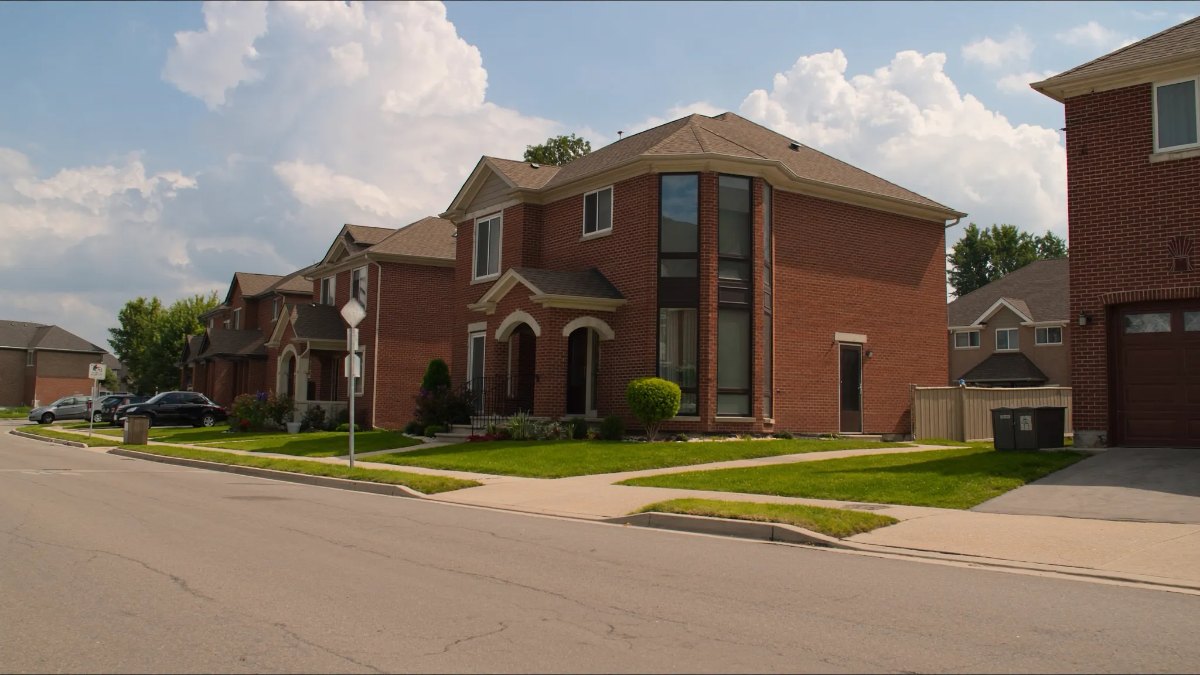
Brampton has become one of the Greater Toronto Area’s most sought-after cities for first-time buyers and growing families — and for good reason. With relative affordability compared to Toronto, a young and diverse population, and steady long-term appreciation, it offers a rare combination of value and upside. Neighbourhoods like Mount Pleasant, Springdale, and Credit Valley each bring their own character, from transit-connected communities to newer master-planned developments. Whether you want a detached home with a backyard or a low-maintenance townhome, Brampton has options across the price spectrum. If you are considering a purchase in Brampton, the key is moving with current, local data — recent comparable sales, days on market, and where prices are heading. Thinking about Brampton? Reach out and let us map out your search. Why buyers look at Brampton Brampton is where a lot of GTA buyers end up when they want a detached house with a driveway and a yard, and the Toronto and Mississauga numbers stop working. That is not a criticism — it is the single most common reason people move here, and for many families it is the right decision. But it is worth going in with clear eyes about what you gain and what you give up. What you gain Space. Detached homes with real yards at prices that buy a condo or a small semi closer in. No municipal land transfer tax. Brampton buyers pay the Ontario land transfer tax only — Toronto buyers pay a second municipal one on top. On a typical purchase that difference is well into five figures. Newer housing stock in much of the city, which usually means fewer immediate maintenance surprises than a century home. Basement apartment potential on many properties, which materially changes the affordability maths for a lot of buyers. What you give up Commute time. This is the real cost, and it is the one people underestimate. Test it at the hour you would actually travel. Transit depth. Brampton Transit and Züm are decent, and there is GO service, but it is not a subway city. Most households here need a car, often two. Walkability in most neighbourhoods, outside the downtown core. The basement apartment question Get this checked before you buy, not after. A great many Brampton listings mention a basement apartment or “in-law suite.” Whether it is legal and registered is a separate question from whether it exists — and it affects your financing, your insurance, and whether you can legally collect rent. Ask specifically whether the unit is registered as a second unit with the City, and have your lawyer confirm it. An unregistered unit is not automatically a dealbreaker, but you need to price the risk rather than assume the rental income. Brampton compared to Etobicoke Brampton Etobicoke What your budget buys Detached with a yard Condo, or a smaller semi Land transfer tax Ontario only Ontario plus Toronto MLTT Commute downtown Longer; GO or car Gardiner, Mimico GO, TTC Car dependence High Moderate to low Rental income potential Strong (basement units) Condo rental market What to check before you buy in Brampton Drive the commute at your real departure time. Not once — twice, on different days. Confirm any basement unit is legal and registered, in writing, through your lawyer. Check the school catchment directly with the board rather than relying on the listing. Ask about the age of the roof, furnace, windows and AC. On newer stock these tend to come due together, which is a large single-year expense. Understand the property tax rate — municipal rates differ across the GTA and affect your monthly carrying cost more than buyers expect. My honest take If you need a detached house with a yard and your budget is under what Etobicoke or Mississauga detached homes cost, Brampton is a genuinely rational answer rather than a compromise. The households I see regret it are the ones who underestimated the commute — not the ones who underestimated the house. So my advice is unglamorous: decide the commute question first, honestly, and let that drive the location decision. Then I can help you find the right property inside whichever answer you land on. Frequently asked questions Is Brampton a good place to buy a home in 2026? It suits buyers who want a detached home with a yard and cannot reach that in Toronto or Mississauga at their budget. The main trade is commute time and car dependence. Brampton buyers also avoid Toronto’s municipal land transfer tax, paying only the provincial one. Is Brampton cheaper than Toronto? Generally yes for comparable space, particularly detached homes. Brampton buyers also pay only the Ontario land transfer tax, while Toronto buyers pay an additional municipal land transfer tax — a difference well into five figures on a typical purchase. Are basement apartments legal in Brampton? Some are and some are not. A basement apartment existing is not the same as it being registered as a legal second unit with the City. Legality affects financing, insurance and whether you can lawfully collect rent, so confirm registration in writing through your lawyer before relying on the rental income. How is the commute from Brampton to downtown Toronto? Longer than from Etobicoke or Mississauga, typically by GO Transit or car. It varies widely by time of day and route. Test your actual commute at the actual hour you would travel, on more than one day, before committing. Should I buy in Brampton or Etobicoke? It comes down to whether you need detached space or can work with a condo or semi, and how much commute time you are willing to accept. Brampton gives more house per dollar and no Toronto land transfer tax; Etobicoke gives proximity, transit and a much deeper condo market. Does Brampton have good schools? Brampton is served by the Peel District School Board and the Dufferin-Peel Catholic District School Board, with quality varying by catchment as in any large city. Confirm the specific catchment directly with the board rather than relying