
Published 7 September 2026 · Updated 29 September 2026 · By Jatin Dua, Broker of Record, RE/MAX Quantum Realty
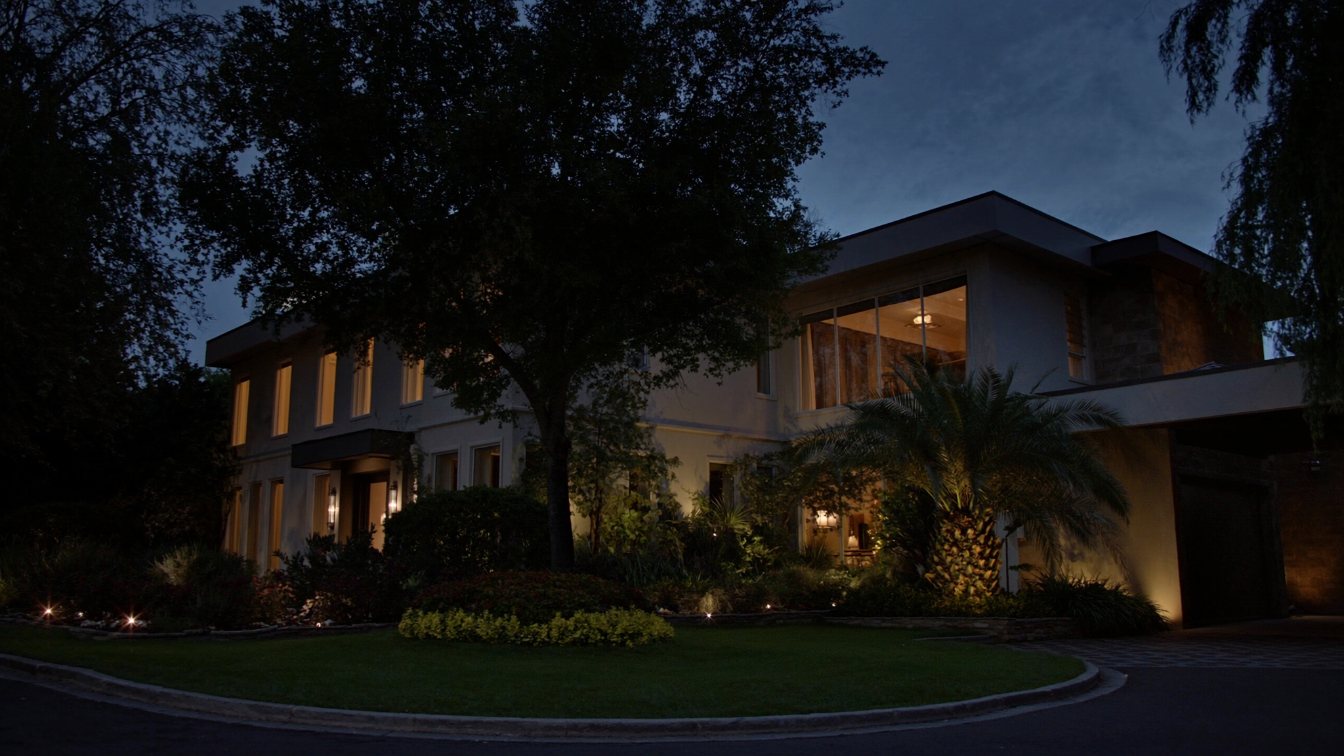
Selling above $3 million in Toronto is a preparation problem before it is a marketing problem. There were roughly 300 GTA sales above $3 million between January and April 2026 — about 75 a month across the whole region — so your property will be evaluated by a small, well-advised group who will also see everything you are competing with, and you get one genuinely fresh three-week window in front of them.
The sequence that works: prepare thoroughly (four to six weeks), document the property (survey, permits, mechanical ages, tax bill, status certificate for a condominium), price against evidence rather than hope, protect the launch date, and decide your disclosure and negotiation strategy in advance.
Step 1: understand the market you are entering
TRREB reported 5,057 GTA sales in August 2026 at an average of $993,410, with 35 days on market and a 97% sale-to-list ratio. That describes a market you are not in.
Your market is the 300 GTA sales above $3 million recorded between January and April 2026, and the 62 above $5 million. In your neighbourhood, in your band, the active buyer pool at any moment is often a dozen or two households, and they are represented by a small group of agents who see everything.
Step 2: prepare, for four to six weeks
- Tier-one repairs. Roof, envelope, drainage and grading, electrical service, mechanical zoning. Buyers deduct for known problems by more than the fix costs.
- Editing. Remove roughly a third of the furniture from principal rooms, clear surfaces, empty half of every closet.
- Light. Clean all glazing, match every bulb, add lamps, open everything before every showing.
- Photography and floor plans. Architectural quality, with measured plans.
- A pre-listing inspection, so buyers can compete on firm terms.
Step 3: build the documented property package
This is the step most sellers skip and the one that changes outcomes. Ontario provides no cooling-off period on a resale purchase, so a buyer who must go firm to compete needs enough information to be comfortable doing it.
- The survey
- Permits, with dates and scope
- Renovation history and invoices
- Mechanical ages and service records
- Warranty documentation
- Property tax bill
- For a condominium, the status certificate — remember the corporation has 10 days to produce one
- For a ravine or heritage property, the mapping and designation status
Step 4: price against evidence
Triangulate three independent estimates:
- Land value, adjusted for the zoning envelope, ravine and TRCA status, heritage designation and protected trees
- Depreciated replacement cost of the building
- A short list of true comparables, including expired and terminated listings, which mark the ceiling
Step 5: protect the launch
- Choose a week with no long weekend
- Check what competing inventory is coming on your street
- Have everything finished before you go live — the first three weeks are the majority of your exposure to the real buyer pool
- Brief the agents who transact in your band directly, before launch
Step 6: decide your disclosure strategy in advance
Under TRESA you may direct your brokerage to disclose the substance of competing offers: the number of them, whether the listing brokerage represents any competing buyer, and commission arrangements that could affect acceptance. Personal information about competing buyers is not disclosed. Decide before the offers arrive, put the direction in writing, and know you can revoke it.
Step 7: negotiate on more than price
At this level, deposit size, closing date flexibility and which conditions a buyer carries are all currency, and they are often more persuasive than the last increment of price. A large deposit signals capacity; a flexible closing solves a real problem for many sellers.
Step 8: the seller’s own numbers
- Commission, disclosed in writing in the representation agreement, plus HST
- Legal fees and discharge costs
- Capital gains, if the property was not your principal residence throughout — the exemption has no dollar cap, the inclusion rate remains 50%, and the 365-day flipping rule applies to short holds
- The holdover clause in your listing agreement, commonly 60 to 90 days and negotiable
- Your next purchase, where land transfer tax on a $5 million Toronto home is $271,450 in cash on closing
The practical takeaway
Almost everything that determines your result happens before you go live. Prepare properly, document exhaustively, price against evidence rather than hope, and protect the first three weeks. In a market of 75 sales a month across the whole region, there is no second first impression.
Frequently asked questions
How long does it take to sell a luxury home in Toronto?
Longer than the market-wide average of 35 days in August 2026, and you should plan in months rather than weeks. With roughly 75 GTA sales a month above $3 million, the right buyer arriving is partly a matter of timing rather than effort.
How should a luxury home be priced?
By triangulating three estimates: land value adjusted for what can be built, depreciated replacement cost of the building, and a short list of genuinely comparable sales including expired and terminated listings. Where they converge is defensible; where they diverge, you should be able to name why in a sentence.
Is an exclusive or off-market listing better?
Rarely, on price. Restricting distribution restricts competition in a market where the buyer pool for a given property is often a dozen or two households. Choose privacy for genuine personal reasons, not because it is presented as a premium service.
What documents should I have ready before listing?
The survey, permits with dates, renovation scope and invoices, mechanical ages and service records, warranty paperwork, the property tax bill, and for a condominium the status certificate. Because Ontario has no cooling-off period on a resale purchase, buyers who need to go firm rely on documentation to do it.
Can I tell buyers how many offers I have?
Under TRESA a seller may direct their brokerage to disclose the number of competing offers, whether the listing brokerage represents any competing buyer, and commission arrangements that could affect acceptance. Personal information about competing buyers is not disclosed. The direction is in writing and can be revoked.
When is the best time to list?
The two productive windows are roughly late February to mid-June and early September to mid-November. Within them, the specific week matters more than the month — never launch into a long weekend or against a comparable listing on your own street.
Thinking about buying or selling at the top end?
Send me the address, or the shortlist you are considering. I will tell you what the property is actually worth today, what the land is worth without the house, what the transfer tax and carrying costs will be, and whether the deal makes sense. Confidential, always.
[email protected] · 833-330-1925 · Book a free consultation
Confidential. Read personally and answered within 24 hours. I never share, sell or distribute your information.
Related reading
- How to price a luxury home in Toronto when there are no comps
- Staging a $4 million home: what actually changes the price
- The pre-listing inspection: why top-end sellers pay for bad news early
- How luxury negotiations actually work in Toronto
- The luxury selling calendar in Toronto
Sources
Everything above that is a rule, a rate or a published number comes from these. Verify anything that matters to your own deal.
- Toronto Regional Real Estate Board — Market Watch, August 2026
- RE/MAX Canada — 2026 Spotlight on Luxury Real Estate, Greater Toronto
- RECO — About open offers
- RECO — Information Guide
- Condominium Authority of Ontario — Status certificates
About the author — Jatin Dua, Broker of Record
I’m the Broker of Record at RE/MAX Quantum Realty, 799 The Queensway in Etobicoke, and I work with buyers, sellers and investors across Toronto and the west GTA. A large part of my work sits in the upper end of the market, where the comparables are thin, the rules are heavier and the cost of a wrong number is measured in hundreds of thousands of dollars.
The free estimators on this site are mine. I built them because the first question every owner asks is “what is it worth?” and the honest answer starts with a number you can check yourself. [email protected] or 833-330-1925.