
Published 7 September 2026 · Updated 29 September 2026 · By Jatin Dua, Broker of Record, RE/MAX Quantum Realty
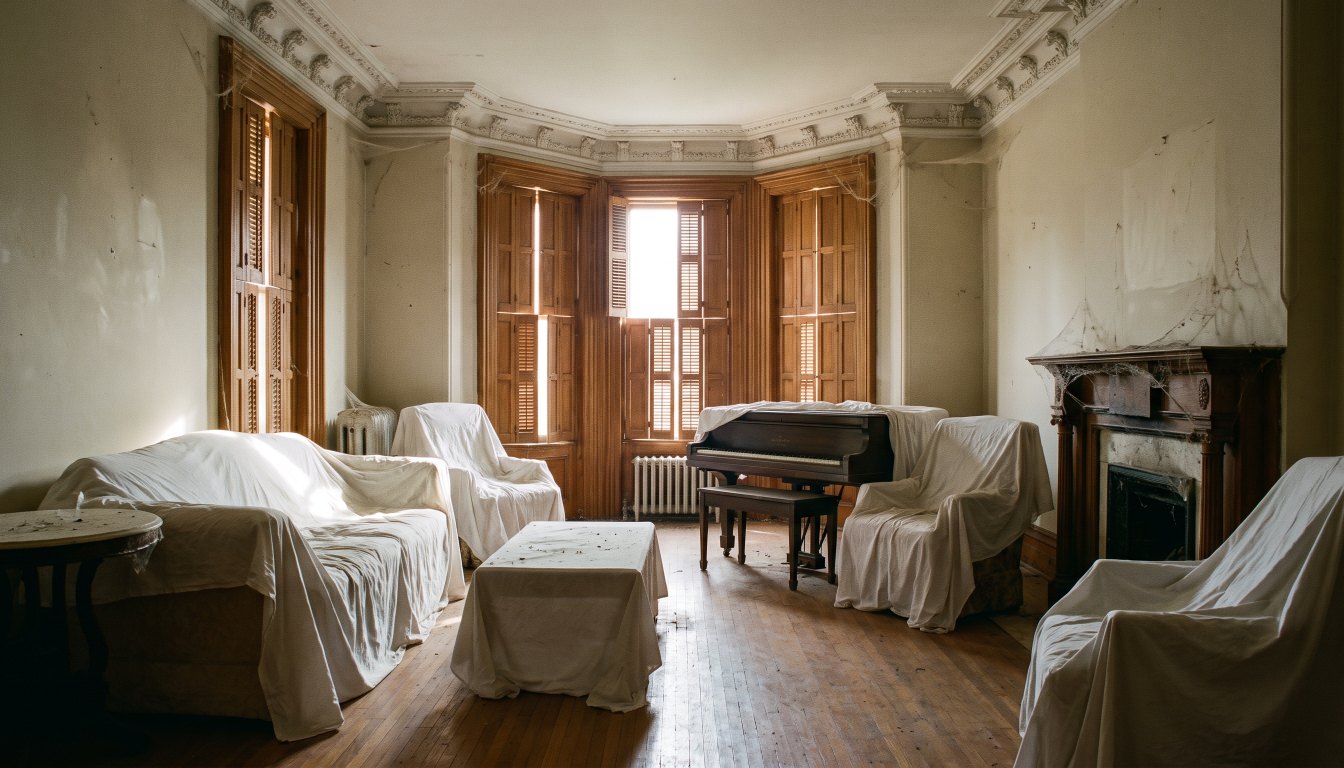
The single most important number is the value at the date of death. On death there is generally a deemed disposition of capital property at fair market value, and that value becomes the estate’s cost base. Any gain between that date and the eventual sale is the estate’s to account for — which is why obtaining a proper valuation as at the date of death, early, matters more than almost anything else.
The second thing that catches estates is Toronto’s Vacant Home Tax. It is 3% of Current Value Assessment annually, and every residential property in the city requires an annual declaration of occupancy status. An estate property standing empty while probate proceeds is precisely the situation the default rule catches: failing to declare defaults the property to vacant.
The date that matters
On death there is generally a deemed disposition of capital property at fair market value. That value becomes the estate’s cost base, and any change in value between the date of death and the eventual sale is accounted for by the estate.
Which means the first practical step is not a listing. It is a valuation as at the date of death, by a designated appraiser, obtained while the evidence is fresh. On a top-end property where comparable sales are scarce — roughly 300 GTA sales above $3 million across four months of 2026 — reconstructing a date-of-death value two years later is difficult and contentious.
The vacant home tax trap
Toronto’s Vacant Home Tax is 3% of Current Value Assessment from the 2024 taxation year onward, and every residential property in the city requires an annual declaration of occupancy status. Failing to declare defaults the property to vacant.
| Current Value Assessment | Annual tax at 3% |
|---|---|
| $2,000,000 | $60,000 |
| $3,000,000 | $90,000 |
| $5,000,000 | $150,000 |
An estate property sitting empty through probate and administration is exactly the situation that produces a default assessment. A false declaration or failure to provide required information carries a penalty of up to $10,000 on top of the tax. File the declaration every year and speak to the City about the property’s status.
The trustee’s practical checklist
- Establish authority. How title is held, what the will provides, and whether probate is required before a sale. A purchaser’s lawyer will ask.
- Obtain a date-of-death valuation from a designated appraiser.
- Secure and insure the property. Vacancy provisions in insurance policies are a live issue for empty estate properties — tell the insurer.
- File the Vacant Home Tax declaration, every year, without exception.
- Deal with contents before photography, both for privacy and for presentation.
- Decide sale versus transfer with the estate lawyer and accountant, before marketing.
- Prepare the documented property package — survey, permits, mechanical ages — which is often harder in an estate because records are scattered.
Selling the property itself
Estate properties frequently share a profile: long-held, well located, dated inside, with strong land value and a building that has not been renovated in decades. That is a specific market position and it should be marketed as one.
Run the land value test honestly. If the lot alone approaches the likely sale price, the property is a site and the buyer pool is builders and rebuild-minded families. Presenting it as a turnkey home in that situation wastes the first three weeks and invites a reduction.
Where beneficiaries disagree
This is common and it is best handled with structure rather than sentiment: an independent valuation, a written process for decisions, and a defined timeline. The trustee’s duties run to the estate as a whole, and a documented process is what protects them.
The practical takeaway
Do three things immediately: get the date-of-death valuation, file the vacant home tax declaration, and confirm the trustee’s authority to sell. Everything else — preparation, pricing, marketing — follows the ordinary playbook, but those three are time-sensitive and expensive to fix late.
Frequently asked questions
Is there an inheritance tax in Ontario?
Canada does not have an inheritance tax as such. What applies is a deemed disposition of capital property at fair market value on death, so the deceased’s final return may include a capital gain, and estate administration tax applies to the value of the estate. Confirm the treatment for your situation with an estate lawyer and an accountant.
What value do I use for the property?
Fair market value as at the date of death, which becomes the cost base for the estate. Obtain a proper valuation from a designated appraiser as at that date. A later sale price is evidence but it is not the same thing, particularly where the market has moved.
Does the principal residence exemption apply?
It may apply to the deceased for the years the property was designated as their principal residence. Whether and how it applies to the estate afterwards is a technical question for your accountant. The exemption has no dollar cap for the years it applies.
Does the vacant home tax apply to an estate property?
Every residential property in Toronto requires an annual declaration of occupancy status, and failing to declare defaults the property to vacant, at 3% of Current Value Assessment. The City’s framework provides for certain circumstances; the safe course for an estate trustee is to file the declaration every year and speak to the City about the property’s status.
Can an estate trustee sell before probate?
That depends on how title is held and on the terms of the will, and it is a legal question. Purchasers and their lawyers will want to see the trustee’s authority. Speak to the estate lawyer before listing rather than after accepting an offer.
Should the property be sold or transferred to beneficiaries?
Both are possible and they have different tax and practical consequences, particularly where beneficiaries disagree or where one wishes to keep the property. This is a decision to make with the estate lawyer and the accountant together, before the property goes to market.
Thinking about buying or selling at the top end?
Send me the address, or the shortlist you are considering. I will tell you what the property is actually worth today, what the land is worth without the house, what the transfer tax and carrying costs will be, and whether the deal makes sense. Confidential, always.
[email protected] · 833-330-1925 · Book a free consultation
Confidential. Read personally and answered within 24 hours. I never share, sell or distribute your information.
Related reading
- Capital gains on a luxury home in Canada: where things stand in 2026
- Toronto’s vacant home tax at 3%: what it costs on a luxury home
- How luxury homes are actually valued in Toronto
- Selling an inherited property in Ontario as an estate trustee
Sources
Everything above that is a rule, a rate or a published number comes from these. Verify anything that matters to your own deal.
- City of Toronto — Vacant Home Tax
- Department of Finance Canada — Capital gains inclusion rate
- City of Toronto — Municipal Land Transfer Tax rates and fees
About the author — Jatin Dua, Broker of Record
I’m the Broker of Record at RE/MAX Quantum Realty, 799 The Queensway in Etobicoke, and I work with buyers, sellers and investors across Toronto and the west GTA. A large part of my work sits in the upper end of the market, where the comparables are thin, the rules are heavier and the cost of a wrong number is measured in hundreds of thousands of dollars.
The free estimators on this site are mine. I built them because the first question every owner asks is “what is it worth?” and the honest answer starts with a number you can check yourself. [email protected] or 833-330-1925.