

Published 17 September 2026 · By Jatin Dua, Broker of Record, RE/MAX Quantum Realty
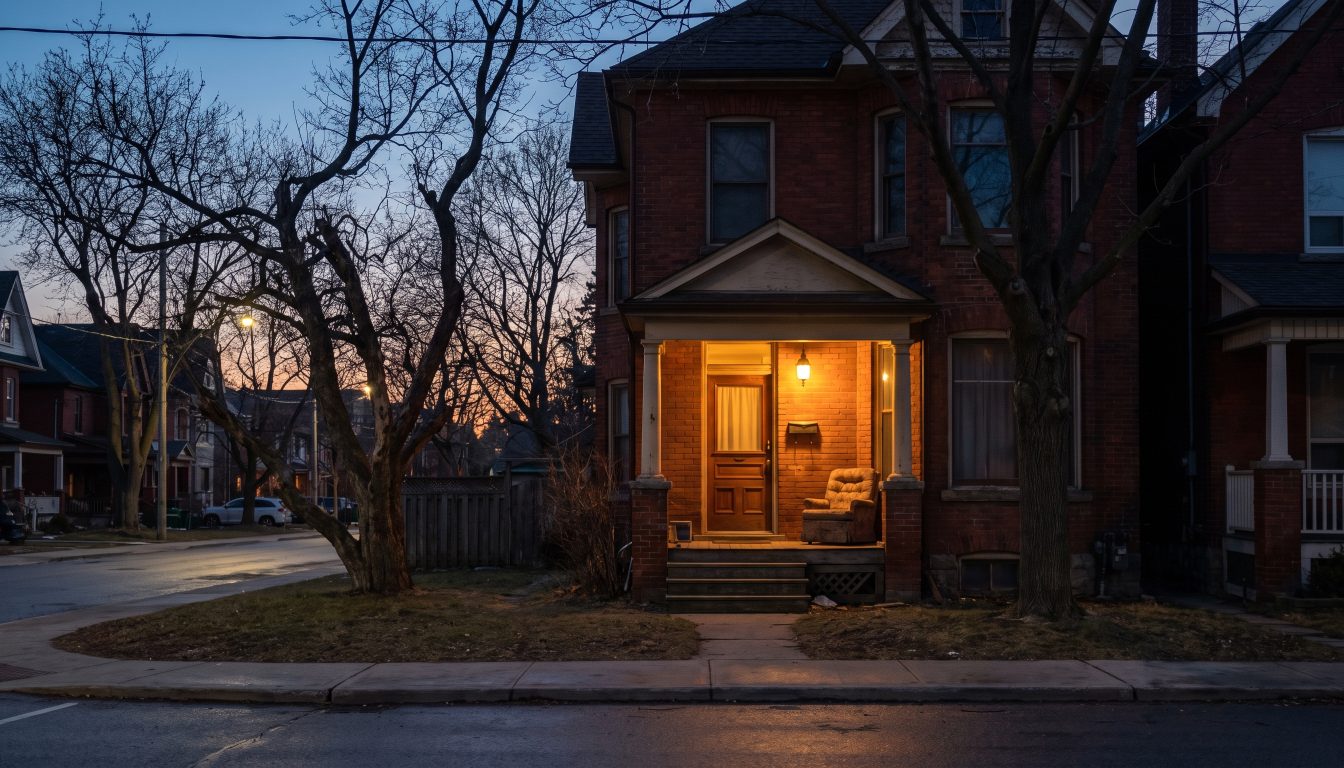
Ontario has no law requiring a seller to volunteer that a death or crime happened in a home. But a seller who lies or misleads when a buyer asks commits misrepresentation, and hidden physical defects that make a home dangerous or unfit must be disclosed. Buyers who care should ask in writing.
A stigmatized property has a history that may bother buyers but doesn’t change how the home physically works. Examples are a death, suicide or violent crime in the home, or a reputation for being haunted.
Do sellers have to disclose?
Ontario has no statute requiring a seller to volunteer that a death or crime happened in a home. Resale follows “buyer beware”, with important exceptions:
- No misrepresentation. If a buyer asks directly and the seller lies or gives a misleading half-answer, that is misrepresentation. It can lead to the deal being undone or to damages.
- Latent defects. Hidden physical defects that make a home dangerous or unfit to live in must be disclosed. A death that left a physical problem, such as contamination, is a defect issue, not only a stigma.
Ontario courts have generally treated pure stigma differently from physical defects. In one Kitchener case, a court found a commercial seller had no duty to disclose rumours that its building was haunted. The rumour didn’t affect the building’s condition or use.
What about real estate agents?
- Code of Ethics: agents are bound by the Code of Ethics under TRESA, which requires honesty and fair treatment of everyone in a deal.
- Buyer’s agents: they have a duty to their own client. If they know about a stigma that would matter to that client, they should tell them.
- Listing agents: they must follow their seller’s lawful instructions but cannot mislead a buyer.
- Industry guidance: it has long leaned toward disclosure to avoid disputes later.
Know what your home is worth
Your equity drives every number above. Get a free AI estimate of your home’s value in about a minute.
Free tool — AI home value estimator
Instant Home Valuation
What’s your home
worth today?
Answer six quick questions and get an instant value range built from current Toronto & GTA sale data — property type, size, condition, lot and location all weighted the way a real pricing conversation weighs them. Takes about ninety seconds.
Reading recent GTA sale data…
Building your estimate
Estimated market value
—
$0–$0
Most likely value $0 · roughly $0 per square foot
What moved the number
Starting from the area baseline for your property type, here’s what each answer added or subtracted.
Market context
Recent local averages for comparison.
—
A range is a starting point.
A strategy is what sells.
This model doesn’t know that your neighbour’s identical semi went $80,000 over asking last month, or which two upgrades actually pay back in your area. That conversation is free and takes twenty minutes.
If you are selling
Talk to your lawyer and agent before listing if something happened in the home that a reasonable buyer might care about. Decide in advance how you will answer if asked, and answer truthfully. In a close-knit Toronto neighbourhood, buyers often hear from neighbours anyway, and a late surprise can collapse a firm deal.
If you are buying
- Ask. Put the question in writing through your agent.
- Search. Look up the address online, including old news stories.
- Talk to neighbours.
- Get it in the contract. If it matters to you, add a clause or warranty in the agreement, drafted with your lawyer.
The takeaway
Sellers should decide with their lawyer how to answer before listing and answer truthfully; buyers who care should ask in writing and put protection in the agreement.
Talk it through with me
Get a first-time buyer plan
Tell me your savings, income range and target area. I will send a realistic price range and next steps.
I will come back to you personally, usually the same day. If it is urgent, call or text 833-330-1925.
Frequently asked questions
Does a seller have to disclose a death in the house in Ontario?
Not by statute, but a seller cannot lie or mislead if a buyer asks.
Is a stigma the same as a defect?
No. A defect is a physical problem; a stigma is a non-physical history. Hidden defects that make a home dangerous or unfit must be disclosed.
Can a buyer back out after finding out?
Only if there was misrepresentation or a contract term covers it; otherwise it is a matter for a lawyer.
How can I protect myself as a buyer?
Ask in writing, research the address, and add a clause to the agreement if it matters to you.
Sources
- OREA — disclosure and stigmatized properties — industry guidance on stigmas versus defects
- Real Estate Council of Ontario (RECO) — registrant obligations under TRESA
Related reading
- Selling a House After a Death in Ontario: Probate, Tax and Timing
- Former grow-ops in Ontario: there is no registry, but there is a title search
- What a Real Estate Lawyer Actually Does in Ontario
- Lawyer’s Approval Conditions in Ontario: The Most Misused Condition
- How much do real estate agents charge in Ontario? Commission explained (2026)
About the author — Jatin Dua, Toronto and GTA real estate broker
I am Jatin Dua, Broker of Record and co-founder of RE/MAX Quantum Realty Inc., Brokerage, Unit 101, 799 The Queensway, Etobicoke. I work with buyers and sellers across Toronto and the GTA, with deep local knowledge of the west end. Four-plus years of active GTA transactions and over $100 million in sales volume. Every market figure here comes from TRREB’s published tables and every rule from RECO or Ontario legislation, so you can check all of it without asking me.
Reach me at connect@jatindua.com or 833-330-1925, or book a call.