
Published 30 October 2026 · By Jatin Dua, Broker of Record, RE/MAX Quantum Realty
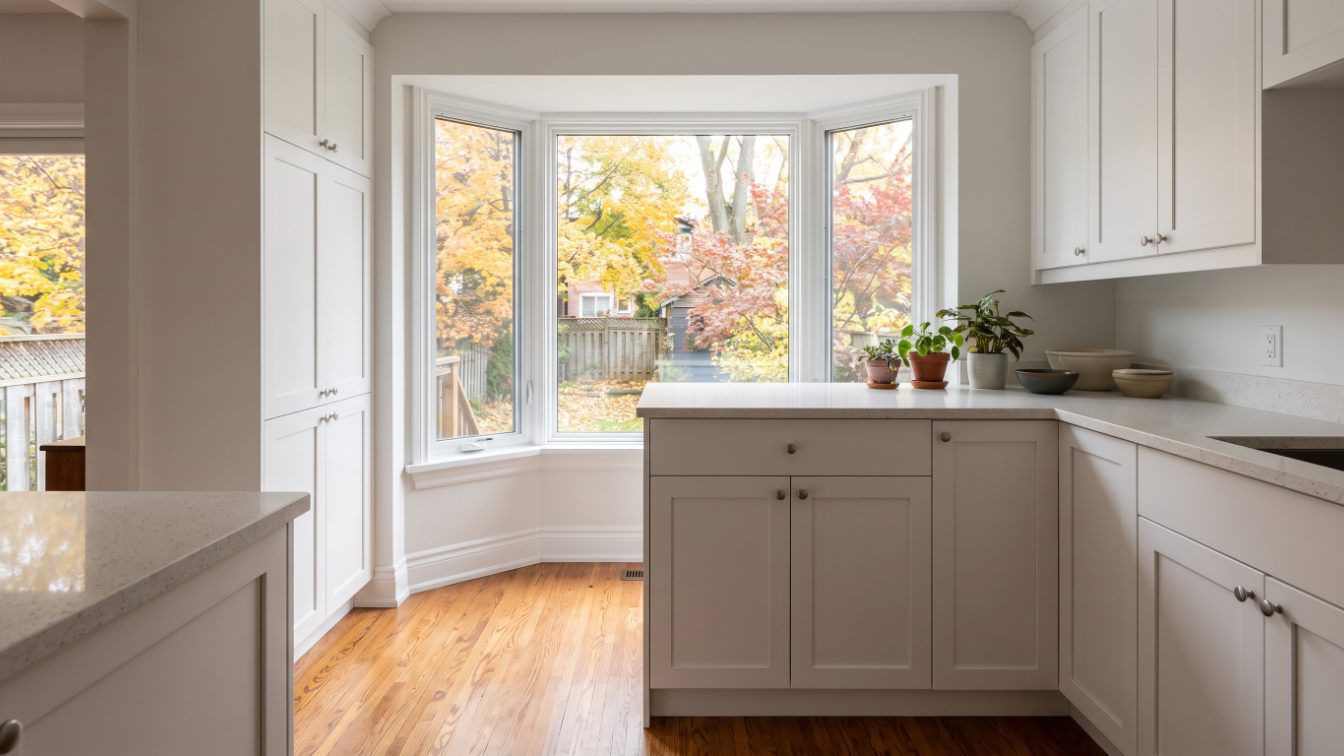
My top five value-adding upgrades in Toronto are: a kitchen update that fits the street; a bathroom renovation or added bathroom; paint, fixtures and decluttering; replacing a roof, windows or heating and cooling near end of life (with Home Renovation Savings rebates and the City’s HELP loan); and basement flood protection, subsidized up to $6,650. The first three follow the Appraisal Institute of Canada’s list. The order is my judgement, not an official ranking.
How I chose these five
I started from what appraisers say, not from contractor marketing. The Appraisal Institute of Canada (AIC) groups renovations into three kinds of payback: work that raises the selling price, work you mainly enjoy, and work that maintains the home’s worth. I used that framework and added the Toronto programs that lower the cost of certain upgrades.
You will not find return-on-investment percentages here. The AIC brochure does not publish them, and I have not found a primary source I trust that does it for Toronto. Any figure you see quoted elsewhere is worth asking about.
My criteria were simple:
- An appraisal or government source says the work supports value or protects it.
- A Toronto buyer would notice it, or a Toronto lender, insurer or inspector would ask about it.
- There is a rebate, loan or subsidy that changes the math, where one exists.
1. An updated kitchen that fits the street
What the appraisers say
The AIC lists kitchen renovation first among the projects that increase selling price. Its wording matters: a renovation or update “with quality of materials and workmanship consistent with the area.”
That last phrase is the warning. The AIC also cautions against over-improvement, where an expensive project goes beyond what buyers in the neighbourhood expect.
What it means for sellers
In practice, I see buyers respond to kitchens that are clean, current and functional, not to the most expensive finish on the block. Matching the kitchen to the house and the street protects your budget.
The AIC gives an example from the other direction too: ripping out builder-quality cabinets in a 10-year-old home and replacing them with personalized antique-finish cabinets may not add value.
The AIC also frames payback in more than one way: the increase in selling price, the enjoyment you get from the space, and maintaining the property’s worth. A kitchen you will use for ten years earns its keep on the second measure even if a buyer later pays only part of the cost.
Practical notes
- The City of Toronto lists “installation of cabinetry and millwork” as work that does not need a building permit.
- Removing or adding walls, or changing plumbing, does need one.
- Keep invoices and permits; a buyer’s inspector will ask.
2. A bathroom renovation or an added bathroom
What the appraisers say
Bathrooms come second on the AIC’s list of renovations that increase selling price. That covers both renovating an existing bathroom and adding one, again with materials and workmanship consistent with the home and area.
What it means for buyers and sellers
An extra bathroom changes how a house lives for a family, which is why buyers notice it. A tired single bathroom in an otherwise updated house tends to stand out on a showing.
Like the kitchen, this is not a place for a design statement that only you will love. The AIC notes that uncommon features can narrow resale appeal.
Practical notes
- Toronto says “repairing and replacing plumbing fixtures” does not need a permit, but installing or modifying plumbing systems does.
- An added bathroom almost always means new plumbing, so plan for a permit and inspections.
- If you are swapping toilets anyway, the City’s Home Energy Loan Program lists toilet replacement among eligible improvements.
3. Fresh paint, updated fixtures and a decluttered house
What the appraisers say
The rest of the AIC’s top five for selling price are low-cost: repainting inside and out “in tones with wide-ranging market appeal,” updating décor (lighting, plumbing fixtures, countertops, worn flooring, refinished hardwood) and decluttering.
For shorter ownership periods, the AIC specifically suggests inexpensive updates like paint, lighting, curb appeal and decluttering.
What it means for sellers
This is the work I most often recommend before listing. It does not change the house, but it changes how quickly a buyer can picture living in it.
Practical notes
- Refinishing hardwood, swapping light fixtures and painting are generally quick and do not involve structural work.
- Any electrical work beyond a simple fixture swap should go through a Licensed Electrical Contractor.
- Decluttering costs little but time, and the AIC lists it in the same top five as kitchens.
4. Roof, windows, heating and cooling near the end of their life
What the appraisers say
The AIC puts these in a separate group: renovations that maintain worth. It lists replacing the roof, updating heating and cooling, replacing windows and doors, updating electrical and repairing structural defects, and says replacing roofing, heating and cooling, and windows and doors “as they near the end of their life expectancy is essential.”
Put plainly, buyers rarely pay extra for a new furnace, but they do discount a house where one is about to fail.
Rebates and financing in Toronto
The Home Renovation Savings Program, delivered by Save on Energy and Enbridge Gas, lists rebates of up to $7,500 for a cold climate air source heat pump and up to $12,000 for a ground source heat pump, depending on unit size. Through its bundle path, which starts with a home energy assessment, it lists up to $7,700 for insulation, $100 per rough opening for ENERGY STAR windows and doors, and up to $250 for air sealing.
The City’s Home Energy Loan Program (HELP) lends up to $125,000, repaid through the property tax bill, with fixed rates the City lists until December 31, 2026. The loan stays with the property, so if you sell before it is repaid, the buyer assumes the balance.
HELP has limits worth knowing. The City lists a 2% administrative charge, caps the total loan at 10% of the property’s current value assessment or $125,000, whichever is less, and offers terms of 5, 10, 15 or 20 years, with the 20-year term limited to projects that include solar, geothermal, new windows or heat pumps. It is open to detached, semi-detached and row houses and other low-rise buildings up to three storeys and six units, and all owners on title must consent.
For CMHC-insured buyers, CMHC Eco Improvement offers a 25% partial refund of the mortgage loan insurance premium after at least $20,000 of qualifying energy-efficient renovations, applied for within two years of closing.
Practical notes
- In a single-family detached, semi or row house, Toronto does not require a permit to replace a window in the same opening, and re-roofing is exempt if no structural work is needed.
- I cover heat pump costs and resale in my heat pump guide.
5. Basement flood protection
Why it belongs on this list
The AIC lists basement finishing among renovations with the highest enjoyment value, not among those that raise selling price, and it warns that a costly basement can be an over-improvement. Protecting the basement is a different matter: it protects everything above it.
The City subsidy
Toronto’s Basement Flooding Protection Subsidy Program offers up to $6,650 per property for eligible work completed on or after November 12, 2025, covering up to 80% of invoiced costs. That includes up to $1,600 per backwater valve (up to two), $2,250 for a sump pump, $300 for a battery backup, $500 for a plumbing assessment and $400 for weeping tile severance and capping.
Practical notes
- A backwater valve needs a building permit and an inspection before it is enclosed.
- Downspouts must be disconnected from the sewer to qualify, and contractors must hold a City business licence.
- My basement flooding subsidy guide has the step-by-step.
The five at a glance
| Upgrade | AIC category | Permit usually needed? | Toronto help |
|---|---|---|---|
| Kitchen update | Increases selling price | Not for cabinets alone; yes for walls or new plumbing | None specific |
| Bathroom renovation or addition | Increases selling price | Yes if plumbing is installed or modified | HELP covers toilet replacement |
| Paint, fixtures, decluttering | Increases selling price | Generally no | None |
| Roof, windows, heating and cooling | Maintains worth | Depends on scope | Home Renovation Savings, HELP, CMHC Eco Improvement |
| Basement flood protection | Protects value | Yes for a backwater valve | City subsidy up to $6,650 |
What this means if you’re buying or selling in Toronto
If you are selling within a year or two, the AIC’s own list points to cosmetic work first: paint, fixtures, flooring and decluttering, then a kitchen or bathroom refresh that matches the street. Fix anything near the end of its life before a buyer’s inspector finds it.
If you are buying, budget for the systems. A roof, furnace or set of windows near the end of its life is a cost you will carry, and Toronto’s rebate and loan programs can soften it. If the house has a HELP loan on the tax bill, ask about it early, because it transfers to you.
The over-improvement warning applies everywhere. The AIC’s own example is a $65,000 basement in an area where homes generally do not exceed $200,000; the numbers are dated for Toronto, but the principle is not. Before a big project, look at what comparable renovated homes on your street have sold for, and ask whether your plan pushes the house past them.
Either way, keep permits and invoices. Toronto’s permit page is clear that a renovation still has to meet zoning even where no permit is needed, and paperwork is what lets a buyer, lender or insurer believe the work was done properly.
Free tool — AI home value estimator
Instant Home Valuation
What’s your home
worth today?
Answer six quick questions and get an instant value range built from current Toronto & GTA sale data — property type, size, condition, lot and location all weighted the way a real pricing conversation weighs them. Takes about ninety seconds.
Reading recent GTA sale data…
Building your estimate
Estimated market value
—
$0–$0
Most likely value $0 · roughly $0 per square foot
What moved the number
Starting from the area baseline for your property type, here’s what each answer added or subtracted.
Market context
Recent local averages for comparison.
—
A range is a starting point.
A strategy is what sells.
This model doesn’t know that your neighbour’s identical semi went $80,000 over asking last month, or which two upgrades actually pay back in your area. That conversation is free and takes twenty minutes.
Frequently asked questions
What renovations add the most value to a home in Canada?
The Appraisal Institute of Canada lists five renovations that increase selling price: a kitchen renovation, a bathroom renovation or addition, interior and exterior repainting in broadly appealing tones, updated décor such as lighting, fixtures and flooring, and decluttering. It stresses that quality should be consistent with the area to avoid over-improving.
Does a finished basement add value in Toronto?
The Appraisal Institute of Canada places basement finishing among renovations with the highest enjoyment value rather than those that raise selling price, and gives an expensive basement as an example of possible over-improvement. Protecting a basement from flooding is different, and Toronto subsidizes backwater valves, sump pumps and related work up to $6,650 per property.
What rebates are available for home upgrades in Ontario in 2026?
The Home Renovation Savings Program, run by Save on Energy and Enbridge Gas, lists rebates of up to $7,500 for a cold climate air source heat pump, up to $12,000 for a ground source heat pump, up to $7,700 for insulation and $100 per rough opening for ENERGY STAR windows and doors, with some measures requiring an energy assessment first.
How does Toronto’s Home Energy Loan Program work?
HELP lends Toronto homeowners up to $125,000 for energy improvements such as heat pumps, windows, insulation and solar, repaid through the property tax bill at fixed rates the City lists until December 31, 2026. The loan is attached to the property, so a buyer assumes any balance if you sell before it is repaid.
Do I need a permit to renovate my kitchen in Toronto?
Not for cabinets alone. The City of Toronto lists installation of cabinetry and millwork as work that does not need a building permit. Adding or removing walls, or installing or modifying plumbing or heating, does need one. Work must still comply with the Zoning By-law even when no permit is required.
Can I get part of my CMHC insurance premium back for renovations?
Yes, if you qualify. CMHC Eco Improvement offers a 25% partial premium refund to CMHC-insured homeowners who complete at least $20,000 of qualifying energy-efficient renovations, such as insulation, windows or heat pumps. CMHC says applications must be submitted within two years of the mortgage closing date.
Sources
- Renovation Value brochure — Appraisal Institute of Canada
- Home Renovation Savings — Save on Energy
- Home Energy Loan Program (HELP) — City of Toronto
- CMHC Eco Improvement — CMHC
- Basement Flooding Protection Subsidy Program — City of Toronto
- When Do I Need a Building Permit? — City of Toronto
Related reading
- Top 5 Etobicoke Condos for Downsizers (2026)
- Top 5 Townhouse Communities in Etobicoke (2026)
- Top 5 Most Walkable Neighbourhoods in Etobicoke (2026)
- Top 5 Events in Etobicoke
About the author — Jatin Dua, Toronto and GTA real estate broker
I am Jatin Dua, Broker of Record and co-founder of RE/MAX Quantum Realty Inc., Brokerage, Unit 101, 799 The Queensway, Toronto. I work with buyers and sellers across Toronto and the GTA and have helped more than 100 families sell. Four-plus years of active GTA transactions and over $100 million in sales volume. Every figure here comes from a published table, regulator or statute linked in the sources, so you can check all of it without asking me.
Reach me at [email protected] or 833-330-1925, or book a call.