

Published 18 September 2026 · By Jatin Dua, Broker of Record, RE/MAX Quantum Realty
A standard homeowner policy is not written for a rented dwelling. Landlord coverage insures the building, your liability and lost rental income, but not your tenant’s belongings. Watch the common gaps: undisclosed rentals, short-term rentals, vacancy limits and optional water backup coverage.
If you rent out a property and it is insured as your own home, you may have no coverage at all when something goes wrong. Insurers treat a rented dwelling as a different risk, and a claim is the worst time to find out.
What landlord coverage usually includes
- The building, including a fire or water loss.
- Liability, if someone is injured at the property.
- Rental income, paying you while the unit is uninhabitable after a covered loss.
- Landlord’s contents: appliances, window coverings and anything else you own in the unit.
Tenants’ own belongings are never covered by your policy, which is why you should require tenant insurance.
Common gaps
- Telling the insurer nothing. Not disclosing that a unit is rented can void a claim.
- Short-term rentals. Nightly rentals are usually excluded unless specifically added.
- Vacancy. Most policies restrict coverage after a property sits empty for a set number of days, often 30. Tell your insurer between tenancies or during renovations.
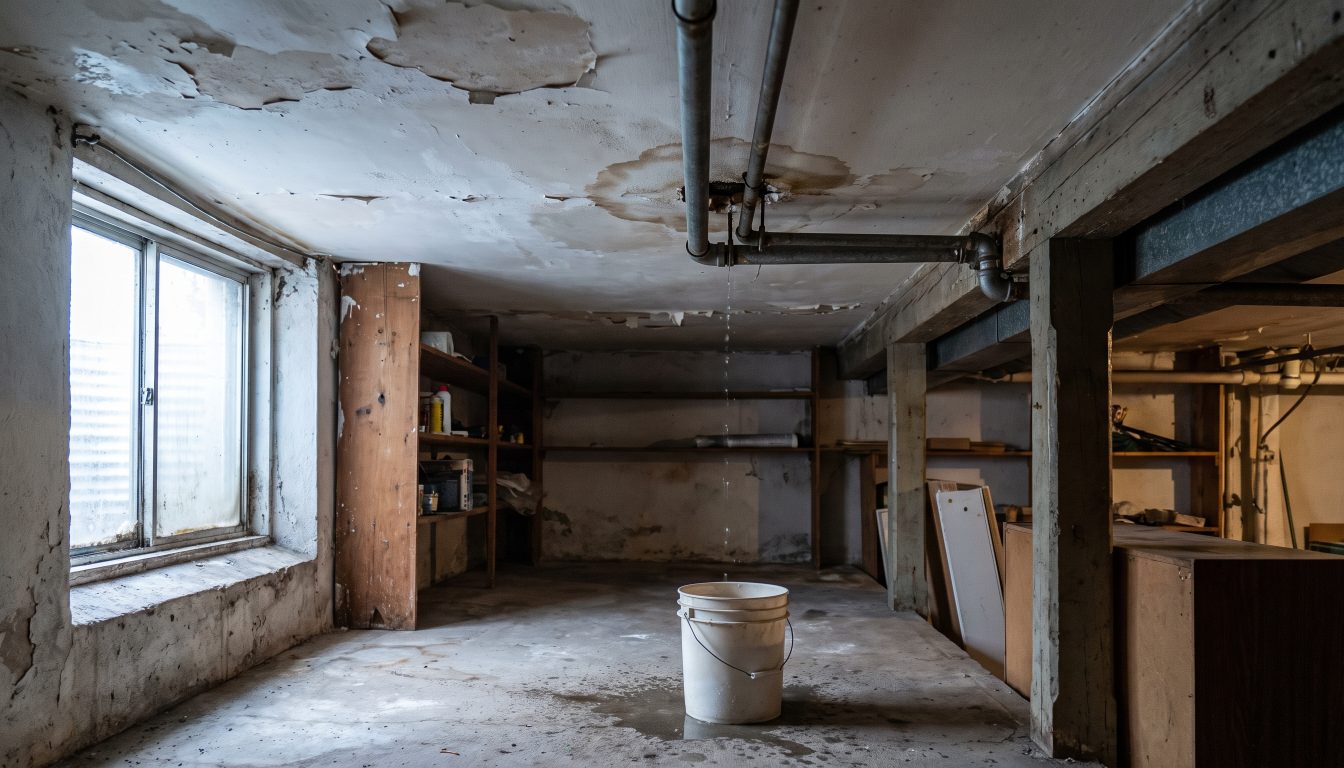
- Water and sewer backup. Often optional, and often the claim that actually happens in an older Toronto basement.
- Overland flood. Also usually optional, and not available everywhere.
- Knob-and-tube, older panels and old oil tanks. These can mean a refusal or a surcharge.
Know what your home is worth
Most of these decisions start with a number. Get a free AI estimate of your home’s value in about a minute.
Free tool — AI home value estimator
Instant Home Valuation
What’s your home
worth today?
Answer six quick questions and get an instant value range built from current Toronto & GTA sale data — property type, size, condition, lot and location all weighted the way a real pricing conversation weighs them. Takes about ninety seconds.
Reading recent GTA sale data…
Building your estimate
Estimated market value
—
$0–$0
Most likely value $0 · roughly $0 per square foot
What moved the number
Starting from the area baseline for your property type, here’s what each answer added or subtracted.
Market context
Recent local averages for comparison.
—
A range is a starting point.
A strategy is what sells.
This model doesn’t know that your neighbour’s identical semi went $80,000 over asking last month, or which two upgrades actually pay back in your area. That conversation is free and takes twenty minutes.
What to require of tenants
Put tenant insurance in the lease, with a minimum liability amount, and ask for proof at the start and on renewal. It protects their things and it protects you when the damage started in their unit.
Small things that lower the risk
- A backwater valve, especially in a basement unit; the City subsidises part of the cost.
- Interlocked smoke and carbon monoxide alarms, which the fire code requires.
- Annual furnace and roof checks.
- A written record of the unit’s condition at move-in and move-out.
The takeaway
Tell your insurer the property is rented, add sewer backup, require tenant insurance in the lease, and report vacancies between tenants.
Talk it through with me
Get a first-time buyer plan
Tell me your savings, income range and target area. I will send a realistic price range and next steps.
I will come back to you personally, usually the same day. If it is urgent, call or text 833-330-1925.
Frequently asked questions
Do I need special insurance to rent out my house in Ontario?
Yes. A standard homeowner policy is not written for a rented dwelling; tell your insurer and switch to landlord coverage.
Does landlord insurance cover my tenant’s belongings?
No. Tenants need their own contents insurance.
Does it cover lost rent?
Usually, after a covered loss that makes the unit uninhabitable. Check the limit and the time period.
What happens if the unit sits empty?
Coverage is often restricted after a set vacancy period, so tell your insurer between tenants.
Sources
- Insurance Bureau of Canada — home and tenant insurance basics
- City of Toronto — basement flooding subsidy — backwater valve and sump pump subsidy
Related reading
- Property Manager vs Self-Managing a Toronto Rental: Costs and Trade-Offs
- Buying a Duplex or Triplex in Toronto: Financing, Rules and the Numbers
- Rental income tax and Form T776: the deductions, the CCA trap, and what your cash flow model is not telling you
About the author — Jatin Dua, Toronto and GTA real estate broker
I am Jatin Dua, Broker of Record and co-founder of RE/MAX Quantum Realty Inc., Brokerage, Unit 101, 799 The Queensway, Etobicoke. I work with buyers and sellers across Toronto and the GTA, with deep local knowledge of the west end. Four-plus years of active GTA transactions and over $100 million in sales volume. Every market figure here comes from TRREB’s published tables and every rule from RECO or Ontario legislation, so you can check all of it without asking me.
Reach me at connect@jatindua.com or 833-330-1925, or book a call.