

Published 29 September 2026 · By Jatin Dua, Broker of Record, RE/MAX Quantum Realty
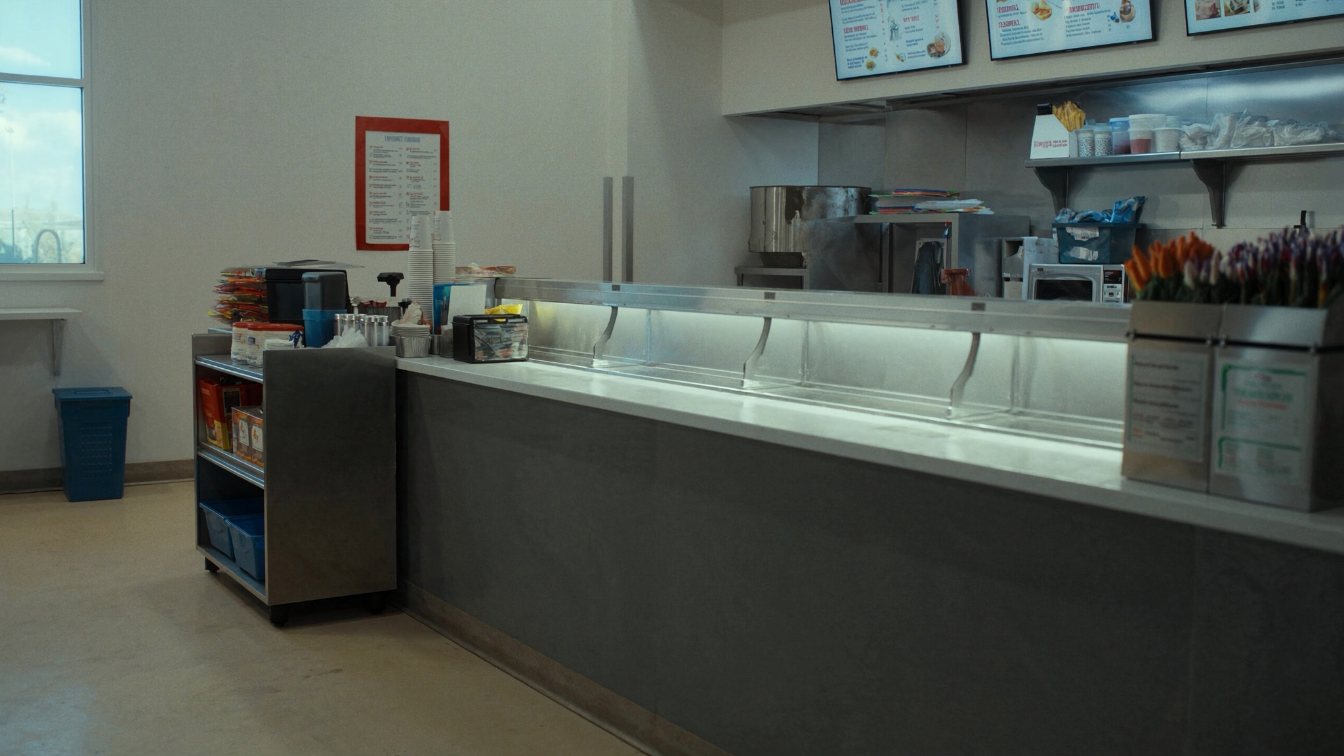
When you buy an existing franchise restaurant from the current franchisee in Ontario, you may not receive a franchise disclosure document. The Arthur Wishart Act exempts a resale by a franchisee for its own account if the sale is not effected by or through the franchisor, and the franchisor’s right to approve the buyer on reasonable grounds, or to charge a transfer fee set in the agreement or equal to its reasonable costs, does not by itself change that. If the franchisor is effectively running the sale, disclosure applies: at least 14 days before you sign or pay, with rescission rights of 60 days for late or deficient disclosure and two years if none was given. Either way the franchisor usually must approve you, and you will sign its current agreement or take an assignment of the old one. Demand the franchise agreement, the lease or sublease, the remodel obligations and the unit’s real numbers.
Why a resale is different from a new franchise
Ontario’s Arthur Wishart Act (Franchise Disclosure), 2000, makes a franchisor give a prospective franchisee a disclosure document at least 14 days before the earlier of signing any franchise agreement or paying any consideration. A new franchisee gets financial statements, copies of the agreements and all material facts in one document.
A resale is different. Section 5(7)(a) says the disclosure rule does not apply to the grant of a franchise by a franchisee if the seller is not the franchisor, its associate or one of their officers, directors or employees; the sale is for the franchisee’s own account; and it is not effected by or through the franchisor. So when you buy an existing unit from its owner, you can end up with far less information than a brand-new franchisee receives, unless you ask for it.
When the franchisor’s involvement changes the answer
Section 5(8) says a sale is not “effected by or through a franchisor” merely because the franchisor has a right, exercisable on reasonable grounds, to approve or disapprove the sale, or because a transfer fee must be paid that is set in the franchise agreement or does not exceed the franchisor’s reasonable actual costs.
If the franchisor does more, for example it finds you, negotiates the deal or sells a unit it has taken back, the exemption may not apply. Then the full disclosure rules do. Under section 6, a franchisee can rescind within 60 days of receiving the disclosure document if it came late or was deficient, and within two years of signing if it never came. Whether your deal is inside or outside the exemption is a question for a franchise lawyer, and it is worth asking before you sign anything.
What the franchisor controls
- Approval of you. Most franchise agreements require the franchisor’s consent to a transfer, with training and financial criteria.
- A transfer fee set in the agreement.
- The agreement you sign. Some systems require the buyer to sign the current form of franchise agreement, which can carry different royalties, advertising fund contributions or term than the seller’s.
- Remodel or refresh obligations, sometimes triggered by a transfer.
- The lease. In some systems the franchisor or an affiliate holds the head lease and sublets to the franchisee, so the landlord consent you need may be the franchisor’s.
- A right of first refusal allowing the franchisor to match your offer.
Each of these is in the documents; none is standard enough to assume. Make franchisor approval, on terms you accept, a condition of your offer. The seller’s side of this is in selling a franchise restaurant in Ontario.
Documents to demand even without a disclosure document
- The seller’s franchise agreement, all amendments and the remaining term and renewal rights.
- The form of agreement you will be asked to sign, if different.
- The lease or sublease, and whether the franchisor is the landlord.
- Royalty and advertising fund statements for the unit.
- Any notices of default, audits or inspection reports from the franchisor.
- Required suppliers and pricing.
- The unit’s own financial statements and HST returns, not system averages.
- Any remodel schedule and its estimated cost.
Then apply the same checks you would for any restaurant, in the restaurant due diligence checklist.
Pricing a franchise resale
A franchise unit’s earnings are after royalties and advertising fund contributions, and sometimes after required supplier pricing. Price from the unit’s real statements, then subtract any remodel you will be required to do and any higher royalty under the new agreement. A brand does not add value if the remaining franchise term is short or a costly refresh comes due soon after closing.
No primary source publishes franchise resale multiples in Canada, so do not accept one as proof. The tool below turns the unit’s own figures into a range, and how much to pay for a restaurant shows the arithmetic.
The AI restaurant valuation tool below gives you a price range from the numbers a seller should be able to show you, so you can test an asking price before you make an offer.
Liquor, licences and financing
If the unit is licensed, the AGCO licence still needs a transfer to you, at $1,000, and section 155(9) of O. Reg. 746/21 separately allows a temporary transfer of up to one year when a franchisor takes possession of licensed premises. In Toronto you will need your own eating or drinking establishment licence, since city licences are not transferable.
For financing, the Canada Small Business Financing Program counts franchise fees as intangible assets it can finance, within a $150,000 cap for intangibles and working capital, and it can finance goodwill in a going-concern asset purchase. It cannot finance a share purchase. More in financing a restaurant purchase.
Where I fit
I help buyers across Toronto and the GTA review franchise resales: the unit’s real numbers, the lease, the franchisor’s conditions, and an offer that waits for approval before your deposit is at risk. Your franchise lawyer handles the agreement. When you have a unit in mind, book a call or phone 833-330-1925.
Free tool — AI restaurant valuation
Restaurant valuation
What is your restaurant
actually worth?
Restaurants don’t sell on revenue — they sell on what the owner takes home, multiplied by how easy the business is to hand over. Your lease and your rent do more damage or more good than anything on the menu. This weighs all of it in about two minutes.
Reading comparable restaurant sales…
Indicative business value
—
$0$0
Most likely sale price $0 · Implied multiple 0×
Where I’d list it
$0
Comparable restaurants sell for about 85% of asking. Price to that, not to hope.
How the number is built
Your owner earnings, multiplied by what buyers pay for a business like yours — then adjusted line by line.
What the market pays
Benchmarks from completed restaurant sales.
What a buyer will ask for
- Three years of financials — statements and tax returns, not just POS reports.
- The lease, with the assignment clause and every option in writing.
- Proof of your add-backs. Lenders reject the ones you cannot document, and that is the single biggest reason deals reprice.
- Equipment list showing what is owned outright and what is leased or financed.
- Licences — AGCO, food premises, patio, and whether each one transfers.
- WSIB, HST and payroll accounts in good standing.
Want the number a buyer
would actually sign?
Send me three years of financials and your lease and I will price it properly — normalised earnings, real comparables, a defensible asking price and a confidential marketing plan that never tips off your staff or your landlord.
Frequently asked questions
Do I get a franchise disclosure document when buying a resale franchise in Ontario?
Often not. The Arthur Wishart Act exempts a sale by an existing franchisee for its own account that is not effected by or through the franchisor. A franchisor’s right to approve the buyer on reasonable grounds, or a transfer fee set in the agreement, does not on its own remove the exemption. Ask your franchise lawyer whether your deal is exempt.
Can I cancel a franchise purchase in Ontario?
If disclosure was required, section 6 of the Arthur Wishart Act lets a franchisee rescind within 60 days of receiving a late or deficient disclosure document, and within two years if none was given. On an exempt resale those rights may not apply, so protect yourself with conditions in your offer.
Does the franchisor have to approve the buyer of a franchise?
Most franchise agreements require the franchisor’s consent to a transfer, and the Act recognizes a right to approve on reasonable grounds. Expect an application, training and financial requirements, a transfer fee, and possibly a new agreement or remodel. Make approval a condition of your offer.
What should I ask for when buying a franchise resale?
The seller’s franchise agreement and amendments, the agreement you will sign, the lease or sublease, royalty and advertising statements, default notices and inspection reports, required supplier terms, the unit’s own financial statements and HST returns, and any remodel schedule.
Can I get a government-backed loan to buy a franchise restaurant?
The Canada Small Business Financing Program can finance a going-concern asset purchase, including franchise fees and goodwill as intangible assets, within a $150,000 cap for intangibles and working capital and a $1,000,000 overall limit. It cannot finance a purchase of shares.
Sources
- Arthur Wishart Act (Franchise Disclosure), 2000 — ss. 5–6, disclosure and rescission
- O. Reg. 746/21 (Licensing) under the Liquor Licence and Control Act, 2019 — Part XI, ss. 154–158, licence transfers
- AGCO — Liquor licensing fees — transfer $1,000; share transfer $1,000; new licence from $925
- Toronto Municipal Code, Chapter 545, Licensing — § 545-5 E, licences non-transferable
- ISED — Canada Small Business Financing Program guidelines — $1,000,000 limit; shares not eligible
Related reading
- Selling a franchise restaurant in Ontario (seller's view)
- Restaurant due diligence checklist
- How much to pay for a restaurant
- Financing a restaurant purchase
- What buyers must check in a restaurant lease
- Buying a restaurant in Ontario step by step
About the author — Jatin Dua, Toronto and GTA real estate broker
I am Jatin Dua, Broker of Record and co-founder of RE/MAX Quantum Realty Inc., Brokerage, Unit 101, 799 The Queensway, Toronto. I work with buyers and sellers across Toronto and the GTA and have helped more than 100 families sell. Four-plus years of active GTA transactions and over $100 million in sales volume. Every figure here comes from a published table, regulator or statute linked in the sources, so you can check all of it without asking me.
Reach me at connect@jatindua.com or 833-330-1925, or book a call.