

Published 29 September 2026 · By Jatin Dua, Broker of Record, RE/MAX Quantum Realty
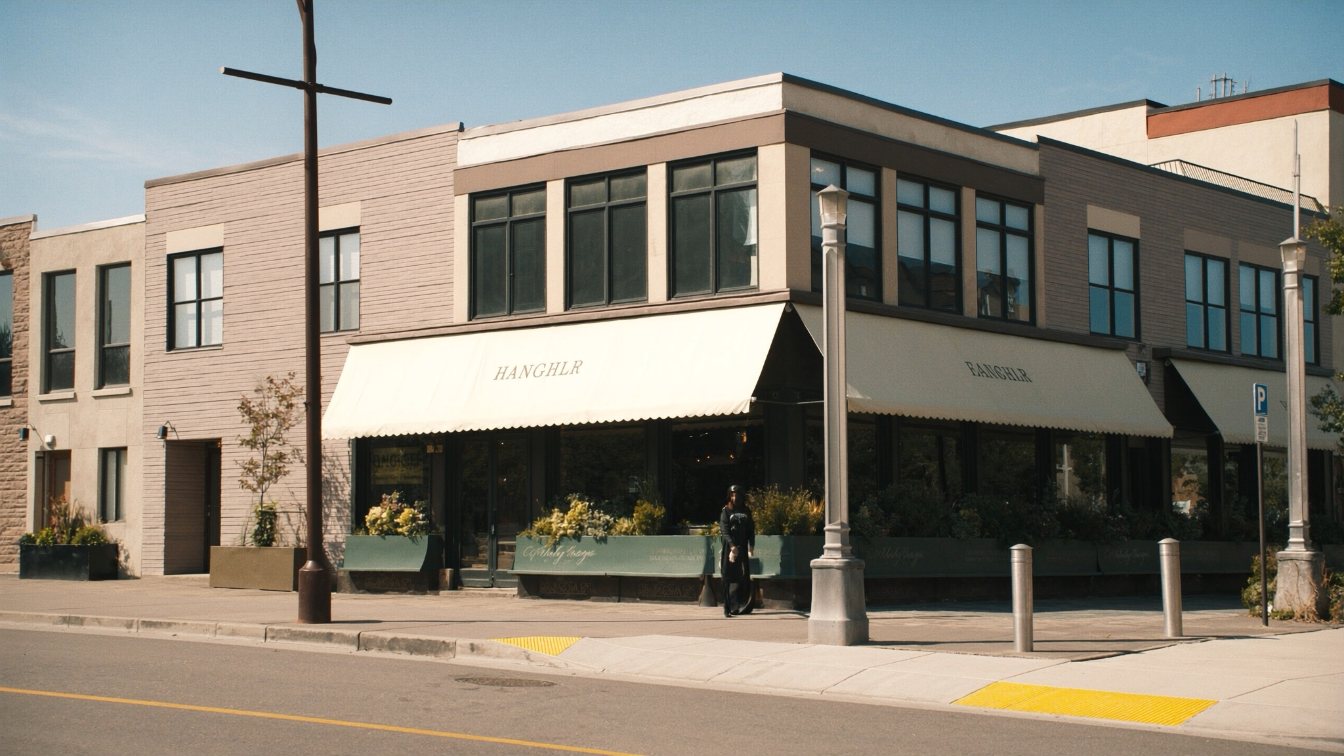
In a restaurant purchase the lease is often worth more than the equipment, so read it first. Check the remaining term and every renewal option, because goodwill only lasts as long as your right to stay. Read the assignment clause: Ontario’s Commercial Tenancies Act, section 23, deems a landlord’s consent not to be unreasonably withheld, but only if the lease does not expressly say otherwise, and many do. Then check the use clause, any exclusive, additional rent, demolition or relocation rights, who repairs the HVAC, hood and grease interceptor, restoration duties at the end, signage and patio rights, and whether the landlord wants a personal guarantee or keeps the seller on the hook. In Toronto the landlord also signs the Occupancy Declaration for your city business licence, so you need its cooperation either way.
Why the lease is the real asset
A restaurant’s trade depends on its address. If you lose the location, you lose the customers, the delivery radius and often the kitchen you paid for. So the price of goodwill is only safe if the lease lets you stay long enough to earn it back.
That is why the lease belongs at the start of your review, not the end. I read it before I talk price with a buyer. For how lease length feeds into price, see how much to pay for a restaurant; for the seller’s side of the same clause, see selling a restaurant: lease assignment.
Term and renewal options
- Remaining term. Count the years from your closing date, not from the listing.
- Renewal options. How many, how long, and how you exercise them. Many options require written notice within a window; miss it and the option is gone.
- Renewal rent. Fixed, stepped, or set at market. Market rent at renewal can change your numbers.
- Whether options are personal. Some leases give renewal rights only to the original tenant, so they may not pass to you on assignment.
If the term is short, ask the landlord for a new lease or an extension as a condition of your offer, rather than paying for goodwill you may not keep.
Assignment and the landlord’s consent
Most restaurant leases prohibit assignment without the landlord’s consent. Section 23(1) of Ontario’s Commercial Tenancies Act says such a covenant is deemed to include a proviso that consent will not be unreasonably withheld, unless the lease contains an express provision to the contrary. Section 23(2) lets the tenant or the assignee apply to a Superior Court judge if consent is refused or ignored.
In practice, read the clause itself. Look for:
- a right for the landlord to terminate instead of consenting (sometimes called recapture);
- a list of what the landlord may require: financial statements, a business plan, experience, a deposit;
- a consent fee and the landlord’s legal costs;
- a change-of-control clause that treats a share sale as an assignment;
- whether the seller stays liable after assignment, and whether you must give a personal guarantee or indemnity.
Use, exclusives and restrictions
- Use clause. If you plan to change the concept, add a bar, or run late-night hours, the permitted use must cover it.
- Exclusive. A clause stopping the landlord from leasing to a competing concept in the same property is valuable; check it survives assignment.
- Radius and operating covenants requiring set hours or preventing another location nearby.
- Odour, noise and venting rules, especially in mixed-use buildings.
Money: rent, additional rent and arrears
Get the base rent schedule for the rest of the term, and the last two years of additional rent reconciliations: property tax, insurance and common area costs. Ask the landlord to confirm in an estoppel certificate that rent is paid to date, the deposit held, and that no default exists. Arrears are the seller’s problem only if the paperwork says so.
Then put the forward rent, not last year’s rent, into your cash flow. The tool below lets you test the price with those numbers.
The AI restaurant valuation tool below gives you a price range from the numbers a seller should be able to show you, so you can test an asking price before you make an offer.
Repairs, equipment and the end of the lease
- HVAC and roof-top units. Tenant maintenance, tenant replacement, or landlord? Replacement can be a large cost.
- Hood, fire suppression and grease interceptor. In Toronto every food service establishment needs a working grease interceptor, and the City’s fines for a missing or failed one reach $100,000. Know who owns and maintains it.
- Leasehold improvements. Whether they become the landlord’s property, and whether you can remove equipment.
- Restoration. Some leases require the tenant to return the space to base building at the end, which can be expensive for a restaurant.
- Demolition or relocation. A landlord’s right to end or move your tenancy on notice can override everything else. Know the notice period and any compensation.
Patio, signage and city paperwork
If the patio is on private property, the lease should grant it. If it is on the City’s sidewalk in Toronto, it needs a sidewalk café permit. The City says permits are transferable, but a transfer may reduce the permit area to meet current by-laws. Curb-lane patios run through CaféTO, which operates from May through October and takes applications early in the year.
For your own Toronto eating or drinking establishment licence, the City requires an Occupancy Declaration signed by the property owner or landlord and the applicant, so landlord cooperation is part of your licensing too. If the unit is licensed, the AGCO transfer needs supporting possession documents, which usually means the assignment. See buying a restaurant with a liquor licence.
Where I fit
I read restaurant leases alongside buyers across Toronto and the GTA, flag the clauses that affect price, and make the landlord’s consent a condition of your offer. Your lawyer negotiates and documents the assignment. If you are weighing a location, read the due diligence checklist too, then book a call or phone 833-330-1925.
Free tool — AI restaurant valuation
Restaurant valuation
What is your restaurant
actually worth?
Restaurants don’t sell on revenue — they sell on what the owner takes home, multiplied by how easy the business is to hand over. Your lease and your rent do more damage or more good than anything on the menu. This weighs all of it in about two minutes.
Reading comparable restaurant sales…
Indicative business value
—
$0$0
Most likely sale price $0 · Implied multiple 0×
Where I’d list it
$0
Comparable restaurants sell for about 85% of asking. Price to that, not to hope.
How the number is built
Your owner earnings, multiplied by what buyers pay for a business like yours — then adjusted line by line.
What the market pays
Benchmarks from completed restaurant sales.
What a buyer will ask for
- Three years of financials — statements and tax returns, not just POS reports.
- The lease, with the assignment clause and every option in writing.
- Proof of your add-backs. Lenders reject the ones you cannot document, and that is the single biggest reason deals reprice.
- Equipment list showing what is owned outright and what is leased or financed.
- Licences — AGCO, food premises, patio, and whether each one transfers.
- WSIB, HST and payroll accounts in good standing.
Want the number a buyer
would actually sign?
Send me three years of financials and your lease and I will price it properly — normalised earnings, real comparables, a defensible asking price and a confidential marketing plan that never tips off your staff or your landlord.
Frequently asked questions
Can a landlord refuse to assign a restaurant lease in Ontario?
Under section 23 of the Commercial Tenancies Act, consent to assign is deemed not to be unreasonably withheld unless the lease expressly says otherwise, and a tenant or assignee can apply to a Superior Court judge. Many commercial leases contain their own rules, so the clause in your lease decides most cases.
How many years should be left on a restaurant lease when buying?
Enough to repay what you are paying for the goodwill, with a margin, including renewal options you can actually exercise. Work out how many years your cash flow needs to repay the price, then compare it with the remaining term. If the lease is short, ask for an extension as a condition.
Does the seller stay liable after assigning a restaurant lease?
It depends on the lease and the consent agreement. Many landlords keep the original tenant and any guarantor liable after assignment. The buyer is often asked for a personal guarantee or indemnity too. Your lawyer should review both before you sign.
What is an estoppel certificate in a restaurant purchase?
It is a signed statement from the landlord confirming the lease terms, rent paid to date, the deposit held and that no default exists. It protects the buyer from inheriting arrears or disputes the seller did not disclose.
Can I transfer the patio when I buy a restaurant in Toronto?
A private patio depends on the lease. A sidewalk café permit is transferable, but the City of Toronto warns the transfer may reduce the permit area to meet current by-laws. Curb-lane patios run through CaféTO each season from May through October.
Who pays to fix the HVAC in a leased restaurant?
The lease decides. Some make the tenant responsible for maintenance and replacement of roof-top units, others split it with the landlord. Read the repair clause and have the units inspected during due diligence, because replacement can be a major cost.
Sources
- Commercial Tenancies Act, R.S.O. 1990, c. L.7 — s. 23, consent to assign
- City of Toronto — Eating or drinking establishment licence — $536.64 new; zoning review rule for takeovers
- City of Toronto — Sidewalk café permit — transfer may reduce the permit area
- City of Toronto — 2026 CaféTO curb lane program — May to October season
- City of Toronto — Mandatory grease interceptors for food service establishments — fines up to $100,000
- AGCO — Section 7: Transferring a liquor sales licence — transfer documents, Authorization to Contract Out, tax clearance
Related reading
- Selling a restaurant: lease assignment (seller's view)
- How much to pay for a restaurant
- Restaurant due diligence checklist
- Buying a restaurant with a liquor licence
- Red flags when buying a restaurant in Toronto
- Buying a restaurant in Ontario step by step
About the author — Jatin Dua, Toronto and GTA real estate broker
I am Jatin Dua, Broker of Record and co-founder of RE/MAX Quantum Realty Inc., Brokerage, Unit 101, 799 The Queensway, Toronto. I work with buyers and sellers across Toronto and the GTA and have helped more than 100 families sell. Four-plus years of active GTA transactions and over $100 million in sales volume. Every figure here comes from a published table, regulator or statute linked in the sources, so you can check all of it without asking me.
Reach me at connect@jatindua.com or 833-330-1925, or book a call.