

Published 17 September 2026 · By Jatin Dua, Broker of Record, RE/MAX Quantum Realty
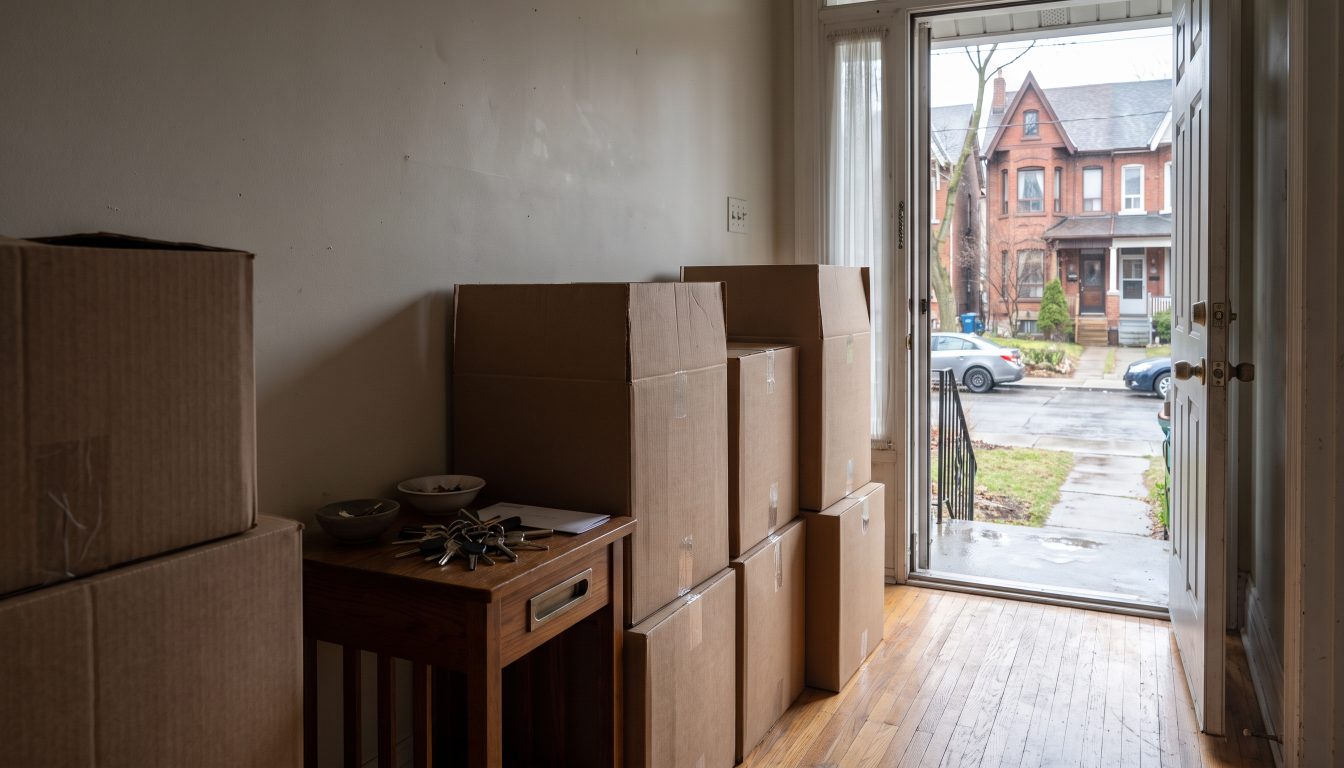
A bridge loan lets you use the equity from a home you have sold firm before that sale closes, so you can close on your next home first. Most lenders need a firm sale and purchase, price it above a regular mortgage with a fee, and limit it to a short gap.
When you buy your next home before the sale of your current one closes, you need your equity before you actually have it. A bridge loan is a short-term loan that covers that gap.
How it works
- You sell your current home firm, with a closing date.
- You buy your next home with an earlier closing date.
- Your lender advances the equity you will receive from the sale, less your existing mortgage and costs, for the days in between.
- When your sale closes, the proceeds pay off the bridge loan.
What lenders usually need
- A firm sale: a signed agreement on your current home with all conditions waived. A conditional sale usually isn’t enough.
- A firm purchase: a signed agreement on the new home.
- The new mortgage: approval from the same lender in most cases.
- Enough equity: your sale price has to cover the existing mortgage, the bridge amount and your costs.
What it costs
Bridge loans are priced above a regular mortgage, often as a margin over prime, and usually carry an administration or setup fee. Most are designed for a short gap of weeks to a few months. Terms, maximum length and pricing vary widely by lender, so get the numbers in writing before you firm up either deal.
Know what your home is worth
Your equity drives every number above. Get a free AI estimate of your home’s value in about a minute.
Free tool — AI home value estimator
Instant Home Valuation
What’s your home
worth today?
Answer six quick questions and get an instant value range built from current Toronto & GTA sale data — property type, size, condition, lot and location all weighted the way a real pricing conversation weighs them. Takes about ninety seconds.
Reading recent GTA sale data…
Building your estimate
Estimated market value
—
$0–$0
Most likely value $0 · roughly $0 per square foot
What moved the number
Starting from the area baseline for your property type, here’s what each answer added or subtracted.
Market context
Recent local averages for comparison.
—
A range is a starting point.
A strategy is what sells.
This model doesn’t know that your neighbour’s identical semi went $80,000 over asking last month, or which two upgrades actually pay back in your area. That conversation is free and takes twenty minutes.
The risks
- Your sale falls apart. If your buyer fails to close, you may be carrying two homes with no bridge. Sell firm before buying, or get a large deposit from your buyer.
- The gap runs longer than the lender allows. Line up your closing dates with the lender’s maximum term before you sign.
- You break your existing mortgage. Discharging it at sale can trigger a prepayment penalty unless you port the mortgage to the new home.
Alternatives
- Negotiate matching closing dates. Free, and often possible in a balanced market.
- Extend your sale closing, or shorten your purchase closing, by agreement with the other side.
- Take a home equity line of credit on your current home before you list.
- Use a private lender. An option if a bank won’t bridge, but at a much higher cost.
How to plan the two deals
Price your sale first so you know your equity. Talk to your lender before you make an offer, and ask your realtor to negotiate closing dates with the gap in mind. Keep a buffer for moving, legal fees and land transfer tax, which is due on closing.
The takeaway
Sell firm or line up a strong buyer before relying on bridge financing, confirm the lender’s maximum term against your closing dates, and check whether you can port your mortgage.
Talk it through with me
Get a first-time buyer plan
Tell me your savings, income range and target area. I will send a realistic price range and next steps.
I will come back to you personally, usually the same day. If it is urgent, call or text 833-330-1925.
Frequently asked questions
What is bridge financing?
A short-term loan that lets you use the equity from a home you have sold firm before that sale closes.
Do I need a firm sale to get a bridge loan?
Most lenders require one, with conditions waived.
How long can a bridge loan last?
Usually a short gap of weeks to a few months; the maximum depends on the lender.
Is bridge financing expensive?
It costs more than a regular mortgage and usually includes a fee, but for a short gap the total is often modest compared with carrying costs or a rushed sale.
Sources
- Financial Consumer Agency of Canada — mortgages — consumer guidance on borrowing and qualifying
- Financial Consumer Agency of Canada — breaking your mortgage contract — prepayment penalties and porting
Related reading
- Sell First or Buy First in Toronto? How to Decide (and How Bridge Financing Works)
- Porting Your Mortgage When You Move in Ontario: How It Works
- Mortgage prepayment penalties: the two ways lenders calculate IRD, and why one of them costs five times more
- Upsizing in Toronto: a move-up buyer’s guide for 2026
- Renovate or move? How Toronto homeowners decide in 2026
About the author — Jatin Dua, Toronto and GTA real estate broker
I am Jatin Dua, Broker of Record and co-founder of RE/MAX Quantum Realty Inc., Brokerage, Unit 101, 799 The Queensway, Etobicoke. I work with buyers and sellers across Toronto and the GTA, with deep local knowledge of the west end. Four-plus years of active GTA transactions and over $100 million in sales volume. Every market figure here comes from TRREB’s published tables and every rule from RECO or Ontario legislation, so you can check all of it without asking me.
Reach me at connect@jatindua.com or 833-330-1925, or book a call.