
Published 2 November 2026 · By Jatin Dua, Broker of Record, RE/MAX Quantum Realty
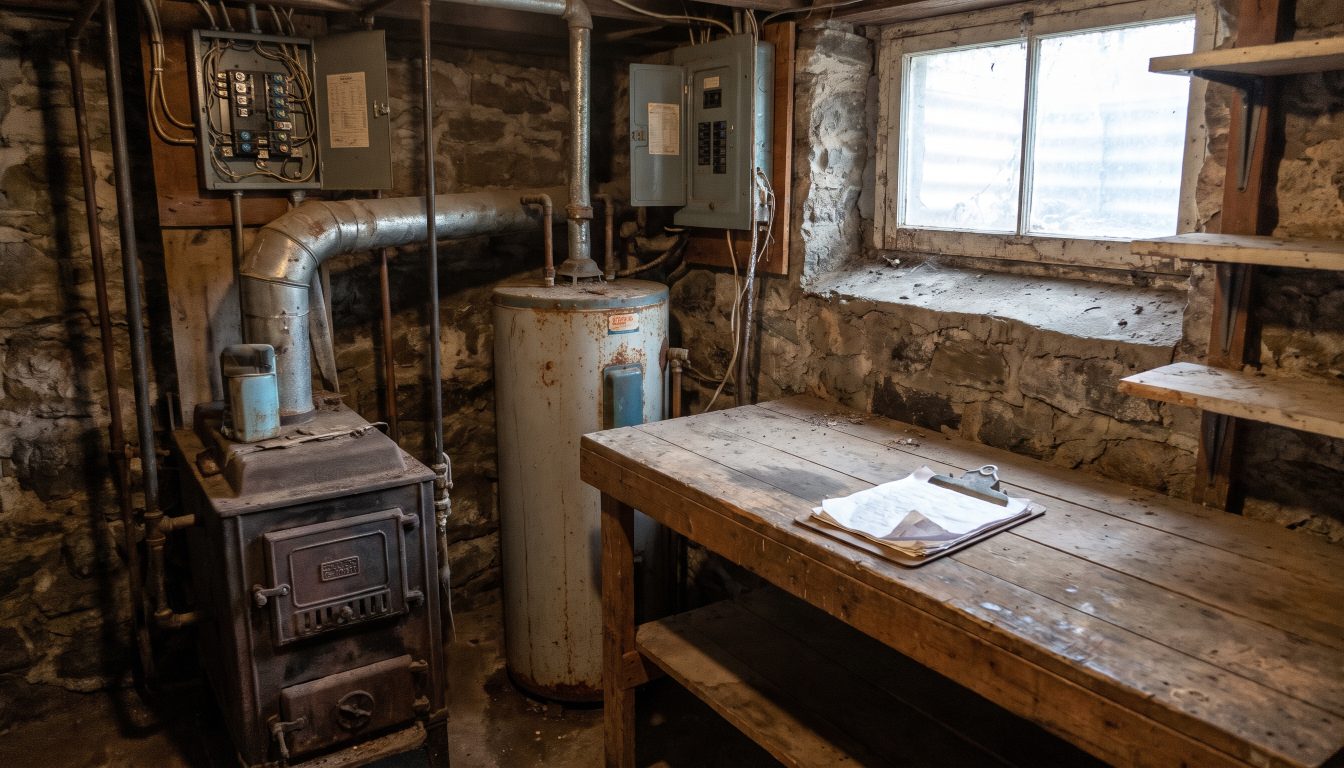
No, not automatically. In Ontario the buyer hires and pays the home inspector, so the report goes to the buyer. A seller gets a copy only if the buyer agrees to share it or the offer includes a clause requiring it. Sellers who want their own report can order a pre-listing inspection before they list.
This guide is for Ontario sellers who have accepted a conditional offer and are waiting on the buyer’s home inspection. You will learn whether you are entitled to see the report, how to ask for it, how to write a right to it into the deal, and what it means for your disclosure duties if the report finds a serious problem.
Do sellers get a copy of the buyer’s home inspection report?
Not automatically. In Ontario the buyer chooses, hires and pays the home inspector. The inspector works for the buyer under the buyer’s contract, so the report goes to the buyer. The seller sees it only if the buyer decides to share it or the agreement of purchase and sale requires it.
Many buyers do share at least part of the report, usually when they want a price reduction or repairs. A buyer asking you for money has a good reason to show you why. A buyer who simply walks away has much less reason to.
The rules can change with the wording of your deal. Everything below is general information, so have a real estate lawyer review any inspection clause or disclosure question that affects your sale.
Who owns the home inspection report in Ontario?
The report belongs to the buyer’s side of the deal. The Ontario government tells buyers to look for an inspector who will give them a written contract and to ask to see a sample report before hiring. That contract is between the buyer and the inspector. You, the seller, are not a party to it.
Inspectors who belong to the Ontario Association of Home Inspectors agree to a code of conduct that includes keeping client information confidential. The same code bars members from charging to repair problems they found during an inspection. So do not expect the inspector to hand you a copy or quote you a repair.
Keep in mind that home inspection is not a licensed profession in Ontario yet. The province says it does not currently have mandatory requirements for home inspectors, and inspectors are not required by law to carry insurance. Quality varies, which is one more reason to read any report you are shown with care. I explain the history in my post on why Ontario’s home inspector licensing law was never turned on.
Can a seller ask the buyer to share the inspection report?
Yes, you can always ask, and in my experience it is worth asking politely through the agents. The buyer can say no unless the agreement says otherwise.
Real estate lawyer Bob Aaron wrote in the Toronto Star in 2002 about a case where a seller argued that the buyers had acted in bad faith by refusing to hand over their report. The seller did not get far. The court found the seller had no right to take part in the buyer’s inspection. Asking is fine. Insisting, when the contract gives you no right, usually goes nowhere.
When a buyer asks for a price cut or repairs, a fair response is: “Please send us the pages of the report that support the request.” You can then check the issue yourself or get your own contractor’s quote. My guide on how to negotiate after a home inspection covers credits, repairs and when to hold firm.
How can a seller get the inspection report written into the offer?
The only way to make sharing a duty is to put it in the agreement of purchase and sale. Inspection conditions are drafted clause by clause, and Bob Aaron noted that agents can write them to require the buyer to deliver the report to the seller, and to give the seller a chance to fix defects.
Here is how the common setups compare:
| Setup | Who hires and pays the inspector | Does the seller get the report? | Main point for the seller |
|---|---|---|---|
| Standard buyer inspection condition | Buyer | Only if the buyer chooses to share | Simple, but you may never learn why a buyer walked |
| Condition with a report-delivery clause | Buyer | Yes, as the clause sets out | You see the findings, which can affect your disclosure duties |
| Condition with a seller right to repair | Buyer | Usually the relevant findings | You may fix small items so the buyer must still close |
| Pre-listing inspection | Seller | Yes, the seller owns it | You choose what to fix and whether to share it |
Source: Bob Aaron, Toronto Star (2002); Axess Law (2019); Government of Ontario, What to know before buying a home. General information, not legal advice.
The wording of the condition matters a great deal. In Marshall v. Bernard Place Corp. (2002), described by Axess Law, the condition let the buyer decide in their “sole and absolute discretion” whether the report was satisfactory, and the court let the buyer walk away over a report with only minor issues. Axess Law notes that sellers often push back on that wording or add a clause letting them fix deficiencies under a set amount, with $1,000 as its example. I go through the wording in detail in my guide to home inspection condition wording in Ontario.
Instant Home Valuation
What’s your home
worth today?
Answer six quick questions and get an instant value range built from current Toronto & GTA sale data — property type, size, condition, lot and location all weighted the way a real pricing conversation weighs them. Takes about ninety seconds.
Reading recent GTA sale data…
Building your estimate
Estimated market value
—
$0–$0
Most likely value $0 · roughly $0 per square foot
What moved the number
Starting from the area baseline for your property type, here’s what each answer added or subtracted.
Market context
Recent local averages for comparison.
—
A range is a starting point.
A strategy is what sells.
This model doesn’t know that your neighbour’s identical semi went $80,000 over asking last month, or which two upgrades actually pay back in your area. That conversation is free and takes twenty minutes.
If I learn about a defect from the buyer’s report, do I have to tell the next buyer?
Possibly, yes, and this is the part sellers often miss. The Real Estate Council of Ontario (RECO) says that under current case law a seller must disclose latent defects. A latent defect is one that is not easy to spot with a reasonable inspection, and that makes the home unfit to live in, dangerous or potentially dangerous. A hidden foundation crack letting in water or unsafe wiring behind finished walls are the kinds of problems that can raise the question.
RECO also warns that a seller can be liable for a defect they did not know about if they were wilfully blind to it, and that hiding a defect adds to the risk. Once you have read a report that describes a serious hidden problem, you can no longer say you did not know.
Your listing agent has duties too. RECO says an agent must take reasonable steps to find out the material facts about a property, and cannot meet that duty just by accepting what the seller says. If the agent knows of a latent defect, they must disclose it to every interested buyer and try to get a written acknowledgement.
Do not ask to see the buyer’s report as a tactic and then relist as if you never read it. If the report shows a serious hidden defect and the deal falls through, speak to a real estate lawyer before you relist. You may need to fix it, disclose it, or both. Getting this wrong can lead to a lawsuit after closing.
Can the seller be at the home inspection?
Usually the seller is not there, and you have no right to take part in the buyer’s inspection. That was the finding in the Ontario case Bob Aaron described. In my experience, most inspections happen with the buyer, the buyer’s agent and the inspector present, while the seller is out of the house.
What you can do is make the inspection go smoothly:
- Clear access to the electrical panel, furnace, water heater, attic hatch and crawl space.
- Leave receipts and warranties for the roof, furnace, windows and any major work on the kitchen table.
- Leave permits and any past inspection or engineering reports out for the buyer to see.
- Make sure all utilities are on and pilot lights are lit.
- Keep pets secured or out of the home.
A well-prepared home tends to produce a calmer report, and a calmer report produces fewer price-cut requests.
Should I get my own pre-listing inspection?
Often, yes, especially for an older home. Bob Aaron suggested in the same column that sellers get an inspection before listing, so they can decide which minor problems to fix in advance. A pre-listing inspection is yours. You hire the inspector, you own the report, and you decide whether to share it with buyers.
There are trade-offs. You will learn about problems you may then have to disclose or fix. Buyers may still order their own inspection, because they want an inspector working for them. And no inspection finds everything. RECO notes that latent defects are unlikely to be discovered even with a home inspection.
For a deeper look at the costs and benefits, read my post on the pre-listing inspection. The same logic applies at any price point.
For most resale houses over 20 years old, I suggest sellers get their own inspection before listing. It turns surprises into decisions. You can fix the cheap items, price for the expensive ones, and hand a buyer a clean, honest picture. In my experience, that reduces the number of deals that fall apart on the inspection condition and the last-minute price chipping that comes with them.
What happens if the buyer walks away after the inspection?
If the buyer’s condition is not fulfilled or waived by the deadline in the agreement, the deal usually ends under the terms of that condition, and the deposit is handled as the agreement sets out. The buyer does not have to explain why unless the clause requires it.
If you never saw the report, ask for it anyway. Some buyers will share it once the deal is over. If they do, read it carefully, get your own contractor’s opinion on anything serious, and speak to a lawyer about disclosure before you relist. Then fix what you can, adjust your price for what you cannot, and relist with better information.
What to do next
- Read the inspection condition in your accepted offer and note the deadline and any report-delivery or repair wording.
- Prepare the home for the inspection: clear access, utilities on, records on the table.
- If the buyer asks for a price cut or repairs, ask for the supporting pages of the report in writing.
- If the report shows a serious hidden defect, speak to a real estate lawyer before you relist.
- For your next listing, consider a pre-listing inspection and a report-delivery clause in your counter-offer.
Need help with this? Talk to me.
I’m Jatin Dua, Broker of Record at RE/MAX Quantum Realty, and I’m the best agent to do this kind of work for you in Toronto and across the GTA. Over $100 million in GTA sales and 100+ families helped sell. Feel free to contact me any time: call or text 833-330-1925 or email [email protected].
Frequently asked questions
Does the seller get a copy of the home inspection report in Ontario?
No, not automatically. In Ontario the buyer hires and pays the home inspector, so the report goes to the buyer. The seller gets a copy only if the buyer chooses to share it or the agreement of purchase and sale includes a clause requiring delivery of the report. Many buyers share the relevant pages when asking for a price reduction or repairs.
Who pays for the home inspection in Ontario, buyer or seller?
The buyer usually pays for the home inspection in Ontario, because the inspection is for the buyer’s protection and is often a condition of the buyer’s offer. A seller can pay for a separate pre-listing inspection before going on the market. In that case the seller owns the report and decides whether to share it with buyers.
Can a seller demand to see the buyer’s home inspection?
Not unless the agreement of purchase and sale gives the seller that right. In Ontario the inspection report belongs to the buyer under the buyer’s contract with the inspector. A seller can ask politely, and buyers often share it when requesting a price cut, but a seller cannot force disclosure without a report-delivery clause in the deal.
Does a buyer have to share the inspection report if they back out?
No, not unless the inspection condition requires it. In Ontario a buyer whose inspection condition is not fulfilled or waived by the deadline can usually end the deal without explaining why or handing over the report. A seller who wants the report in that situation should negotiate a report-delivery clause before accepting the offer.
Is a seller liable for problems found in the buyer’s home inspection?
A seller in Ontario can be liable for latent defects they knew about and did not disclose, according to RECO. Latent defects are hidden problems that make a home unfit to live in or dangerous. If a buyer’s report reveals one and you read it, you now know about it. Speak to a real estate lawyer before you relist.
Can the seller be present during the home inspection in Ontario?
Usually not. In a case described by lawyer Bob Aaron in the Toronto Star, an Ontario court found that the seller had no right to take part in the buyer’s inspection. In practice, the buyer, the buyer’s agent and the inspector attend, and the seller usually steps out of the home.
Will the home inspector give the seller a copy of the report?
No. The home inspector works for the buyer, who signed the contract and paid the fee. Members of the Ontario Association of Home Inspectors agree to keep client information confidential. If a seller wants to see the report, the request has to go to the buyer, usually through the agents, unless the agreement requires the buyer to deliver it.
Should sellers get a pre-listing home inspection in Ontario?
Often yes, especially for older homes. A pre-listing inspection lets an Ontario seller find and fix minor problems before buyers see them, price fairly for bigger ones and share a report they own. The trade-off is that you will know about any defects you find, which can affect what you must disclose. Buyers may still order their own inspection.
Are home inspectors licensed in Ontario?
No. As of 2026, Ontario has no mandatory requirements for home inspectors, and inspectors are not required by law to carry insurance, according to the Government of Ontario. Some inspectors belong to voluntary associations with their own codes of conduct. Buyers and sellers should check training, experience, insurance and a sample report before hiring one.
Sources
- Government of Ontario: What to know before buying a home
- RECO Bulletin 7.4: Facts a seller has a legal obligation to disclose
- RECO Bulletin 7.3: Material facts
- Ontario Association of Home Inspectors: Code of conduct
- Bob Aaron, Toronto Star: Inspect home before listing to correct any minor flaws (2002)
- Axess Law: The wording of a home inspection clause can cost you thousands of dollars (2019)
Related reading
- Seller Closing Costs in Ontario for 2027: Every Fee Before You Get Paid
- How to Sell a House in Toronto, Step by Step (2027)
- Closing Costs on a New Build in Ontario: What Builders Add
- How Much Is My House Worth in Caledon? (2027)
About the author — Jatin Dua, Toronto and GTA real estate broker
I am Jatin Dua, Broker of Record and co-founder of RE/MAX Quantum Realty Inc., Brokerage, Unit 101, 799 The Queensway, Toronto. I work with buyers and sellers across Toronto and the GTA and have helped more than 100 families sell. Four-plus years of active GTA transactions and over $100 million in sales volume.
Reach me at [email protected] or 833-330-1925, or book a call.