
Published 2 November 2026 · By Jatin Dua, Broker of Record, RE/MAX Quantum Realty
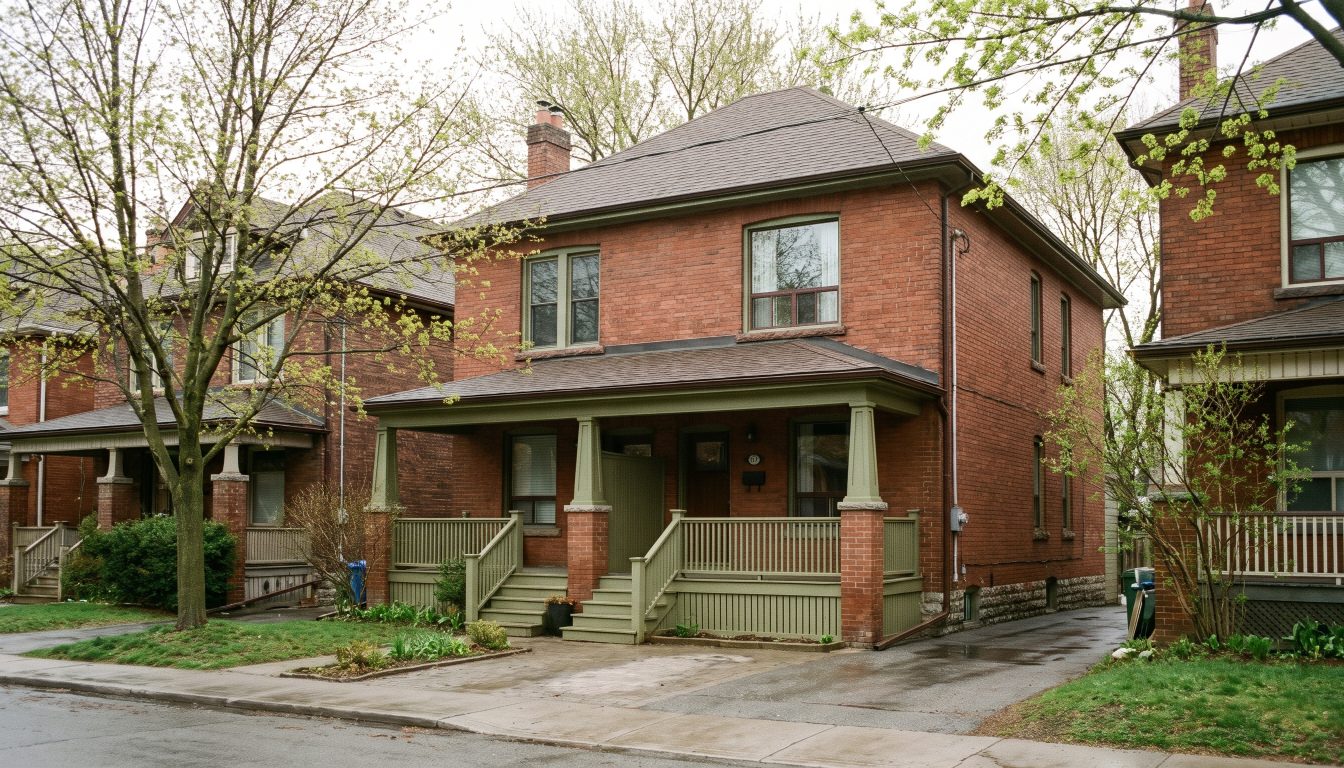
To sell a house in Toronto, price it from recent comparable sales, get your mortgage payout figure, choose an agent and negotiate the listing agreement, prepare the home, list it, review offers and close through a lawyer. Expect two to four months in total; Toronto detached homes averaged about 26 days on market in 2026.
This guide is for Toronto homeowners who are thinking about selling in 2027 and want the whole process in order, from the first price check to handing over the keys. Each step says what to do, what it costs and what to watch for, using the rules Ontario’s real estate regulator publishes.
How long does it take to sell a house in Toronto?
In my experience, plan for about two to four months from first call to closing. Getting ready usually takes two to six weeks. Time on the market depends on type and price. Closing is often 30 to 90 days after the offer is firm, but it is whatever you and the buyer agree in the contract.
Houses sold more slowly in 2026 than two years earlier. Across Toronto’s 35 TRREB districts, here is the average days on market, weighted by the number of sales:
| Home type, City of Toronto | Sales Jan–Oct 2026 | Avg days on market 2024 | 2025 | 2026 |
|---|---|---|---|---|
| Detached | 6,296 | 19.2 | 23.5 | 25.6 |
| Semi-detached | 2,070 | 16.5 | 19.6 | 20.3 |
| Freehold townhouse | 761 | 18.6 | 22.8 | 23.6 |
| Condo apartment | 9,173 | 29.5 | 35.8 | 38.2 |
Source: TRREB MLS data via REALM, January–October of each year; my sales-weighted average of the district figures.
The GTA as a whole slowed too. TRREB reported 5,040 sales in September 2026, down 9% from a year earlier, and described buyers as in a holding pattern. Plan your timeline with room to spare.
Step 1: How do I find out what my house is worth?
Start with a number, not a feeling. A comparative market analysis (CMA) compares your home with recent sales of similar homes nearby, adjusted for size, lot, condition and parking. Online estimates are a useful first look, but they cannot see your renovated kitchen or your wet basement. A bank appraisal comes later, for the buyer’s lender.
Ask any agent you interview to show the actual comparable sales behind their price, not just a final figure. My guide on how to price your home to sell in Toronto walks through the method.
Step 2: What should I check with my mortgage lender before selling?
Call your lender early and ask for a payout statement for your likely closing date. If your mortgage is closed, RBC and First National both say a variable-rate penalty is usually three months’ interest, while a fixed rate is usually the greater of three months’ interest or an interest rate differential. Ask if you can port the mortgage to your next home, and what discharge or admin fees apply. This tells you your real net, and whether to sell now or closer to renewal.
If you are buying another home too, decide the order now. My guide to selling first or buying first in Toronto covers bridge financing and timing.
Step 3: How do I choose a real estate agent to sell my house?
RECO suggests interviewing at least three agents and checking each one on RECO’s public register for registration and any discipline history. Good questions to ask, based on RECO’s own list:
- What experience do you have with my type of home and my area?
- What have you sold recently, and can I speak with past clients?
- How exactly will you market my home?
- Which services are included, such as staging, professional photos, advertising and open houses, and which cost extra?
Ask how they handle multiple offers and how they will report back to you after showings. Then compare the answers side by side. A clear marketing plan with dates, a pricing opinion backed by real sales, and services written into the agreement tell you more than a promise of a high price. If an agent suggests a list price far above every comparable sale, ask them to explain why your home is different.
Step 4: What should be in my listing agreement?
The listing agreement is a contract with the brokerage. RECO says it must be in writing and should spell out:
- The commission. It is negotiable. RECO says it is not fixed or approved by RECO, any government or any real estate board. It can be a flat fee, a percentage or both, plus HST.
- What you will pay the buyer’s brokerage, if anything.
- The services you will get. There is no standard set, so get them in writing.
- The expiry date, shown on the first page. There is no standard length.
- The holdover period, which can make you owe commission if a buyer introduced during the listing buys after it ends.
- How you can end the agreement, and any costs.
Read my explainer on the holdover clause before you sign. If anything is unclear, RECO suggests getting independent legal advice.
Instant Home Valuation
What’s your home
worth today?
Answer six quick questions and get an instant value range built from current Toronto & GTA sale data — property type, size, condition, lot and location all weighted the way a real pricing conversation weighs them. Takes about ninety seconds.
Reading recent GTA sale data…
Building your estimate
Estimated market value
—
$0–$0
Most likely value $0 · roughly $0 per square foot
What moved the number
Starting from the area baseline for your property type, here’s what each answer added or subtracted.
Market context
Recent local averages for comparison.
—
A range is a starting point.
A strategy is what sells.
This model doesn’t know that your neighbour’s identical semi went $80,000 over asking last month, or which two upgrades actually pay back in your area. That conversation is free and takes twenty minutes.
Step 5: How do I get my house ready to sell?
Focus on what buyers notice in the first two minutes and what their inspector will write down:
- Fix small things: dripping taps, loose handles, burnt-out bulbs, cracked caulking.
- Declutter and deep clean. Pack away half of what is on counters and in closets.
- Paint scuffed walls in neutral colours.
- Gather documents: permits, warranties, renovation invoices, survey, and recent utility and tax bills. RECO tells sellers to back up listing facts like size, renovations and taxes with paperwork.
- Check for rental water heaters or furnaces and how they transfer.
Consider a pre-listing inspection so you know about problems before buyers do. Staging can help photos and showings; my post on whether home staging is worth it looks at when it pays.
Step 6: Should I set an offer date or take offers anytime?
There are two common approaches. With an offer date, you list a little lower and review all offers on one evening, hoping several buyers compete. With offers anytime, you list close to market value and negotiate with buyers as they come.
In a slower market, offer dates can backfire. If no one shows up, the home can look stale when you relist at a higher price. Ask your agent how many recent sales in your area used each approach and how they ended. The right choice depends on your home, your area and how many similar homes are listed.
Step 7: How do showings and open houses work?
Your agent books showings through a scheduling system and gets feedback afterward. RECO says lockboxes are optional and your agent should use one only with your consent, ideally in writing. If you are not comfortable, you can agree in writing that showings happen only by appointment with you or your agent present. Before any open house, lock away valuables, medication and personal documents.
Step 8: What happens when I get an offer?
An offer sets out the price, deposit, closing date, what is included and any conditions, such as financing or a home inspection. You can accept, reject or sign it back with changes.
With more than one offer, RECO says buyers who made a written offer can be told how many offers there are. You decide whether any offer details are shared, and your agent cannot share them without your written direction. Personal information in offers is never shared. You can accept the best offer, work with one buyer, or reject all of them. See competing offers in Ontario for more.
Once conditions are waived, the deal is firm. The buyer’s deposit is held in trust until closing, as the agreement sets out.
Step 9: What happens between a firm deal and closing day?
Hire a real estate lawyer as soon as the deal is firm, if you have not already. Your lawyer reviews the agreement, answers the buyer’s lawyer, prepares the statement of adjustments for property tax and any condo fees, and arranges your mortgage payout. On closing day the buyer’s funds arrive, your lawyer pays your lender and brokerage, and sends you the balance. Leave keys as agreed, usually with your lawyer or agent.
Leave the home in the condition the agreement requires, with all included items in place. After the year ends, report the sale on your tax return. The CRA requires a principal residence sale to be reported on Schedule 3 and Form T2091(IND) even when no tax is owing.
Do not sign a firm purchase on your next home until your sale is firm, unless you have a plan to carry both. Two sets of mortgage payments, property tax and utilities add up fast, and in 2026 homes took longer to sell than in 2024. Also make sure your closing dates line up, a point RECO’s seller checklist raises too.
Most of the money in a sale is made or lost before the sign goes up: the price you start at, the condition of the home and the terms you sign with your brokerage. I would rather spend two extra weeks getting those right than list fast and chase the market down. Get your lender’s payout figure and a real CMA first, and choose the selling strategy after you see the numbers.
What to do next
- Ask your lender for a payout statement and penalty estimate.
- Get a CMA based on recent sales in your area.
- Interview at least three agents and check each on RECO’s register.
- Make a short fix-and-clean list and gather your documents.
- Choose a lawyer and confirm their all-in fee before you list.
Need help with this? Talk to me.
I’m Jatin Dua, Broker of Record at RE/MAX Quantum Realty, and I’m the best agent to do this kind of work for you in Toronto and across the GTA. Over $100 million in GTA sales and 100+ families helped sell. Feel free to contact me any time: call or text 833-330-1925 or email [email protected].
Frequently asked questions
How do I sell my house in Toronto?
To sell a house in Toronto, get a price based on recent comparable sales, check your mortgage payout and penalty, choose an agent and sign a listing agreement, prepare the home, list it, review offers, and close through a real estate lawyer. In my experience, most Toronto sales take two to four months from the first call to closing.
How long does it take to sell a house in Toronto in 2026?
Toronto detached houses averaged about 26 days on market from January to October 2026, semis about 20 days and condo apartments about 38 days, based on my sales-weighted average of TRREB MLS district data via REALM. Add preparation time before listing and a closing period, often 30 to 90 days, after the deal is firm.
Should I use a lockbox when selling my house in Toronto?
It is your choice. RECO says lockboxes are optional and your agent should only use one with your consent, ideally in writing. Lockboxes are handy for vacant homes, and newer electronic ones log who opened them and when. If you are not comfortable, agree in writing that showings happen only by appointment with you or your agent present.
What is the first step to selling a house in Ontario?
The first step to selling a house in Ontario is finding out your real net: the likely sale price from recent comparable sales minus your mortgage payout, any prepayment penalty, commission plus HST and legal fees. Ask your lender for a payout statement for your planned closing date. That number tells you whether selling now makes sense.
Do I have to pay commission to the buyer’s agent when selling in Ontario?
No, it is your choice. RECO says sellers must state in the listing agreement whether they will pay anything toward the buyer’s brokerage, and a seller may offer nothing. Offering nothing can reduce what buyers are able to pay, because they would have to cover their own agent’s fee. All commission amounts in Ontario are negotiable.
How many agents should I interview before selling my house in Toronto?
RECO, Ontario’s real estate regulator, suggests interviewing at least three agents before you choose one to sell your home. Check each agent on RECO’s public register, ask what they have sold recently, ask for past client references, and get the services and commission in writing before you sign a listing agreement.
Does a seller have to fill out a property information statement in Ontario?
No. RECO says your agent may ask you to complete a property information statement, but it is not described as mandatory. If you give your agent one meant for buyers, the agent must tell every interested buyer it exists and give a copy on request. Agree with your agent on how it will be used first.
When do I get my money after selling my house in Ontario?
You get your sale money on closing day or shortly after, once the buyer’s funds reach your lawyer. Your Ontario lawyer pays off your mortgage, the brokerage commission and other costs from those funds, then sends you the balance. The buyer’s deposit is held in trust until closing, as set out in the agreement, and is credited toward the price.
Is it a good time to sell a house in Toronto in 2027?
It depends on your plans more than the calendar. In 2026, Toronto homes took longer to sell and GTA prices were about 5% lower than a year earlier, according to TRREB. The Bank of Canada raised its policy rate to 2.50% on 28 October 2026. If you are also buying, a slower market can help on the purchase side.
Sources
- RECO: How do I choose a real estate agent as a seller?
- RECO: Signing a contract with a real estate brokerage
- RECO: Seller’s checklist
- RECO: Dealing with competing offers
- RECO: Is it safe to use a lockbox when selling your home?
- RECO: Property information statements
- RBC: Understanding mortgage prepayment charges
- TRREB Market Watch, September 2026
Related reading
- Seller Closing Costs in Ontario for 2027: Every Fee Before You Get Paid
- Closing Costs on a New Build in Ontario: What Builders Add
About the author — Jatin Dua, Toronto and GTA real estate broker
I am Jatin Dua, Broker of Record and co-founder of RE/MAX Quantum Realty Inc., Brokerage, Unit 101, 799 The Queensway, Toronto. I work with buyers and sellers across Toronto and the GTA and have helped more than 100 families sell. Four-plus years of active GTA transactions and over $100 million in sales volume.
Reach me at [email protected] or 833-330-1925, or book a call.