Published 2 November 2026 · By Jatin Dua, Broker of Record, RE/MAX Quantum Realty
What's Your Home Worth Right Now?
Get a free AI-powered price range for your property in under 90 seconds, based on recent GTA comparable sales. No name or address required.
Get My Free Estimate →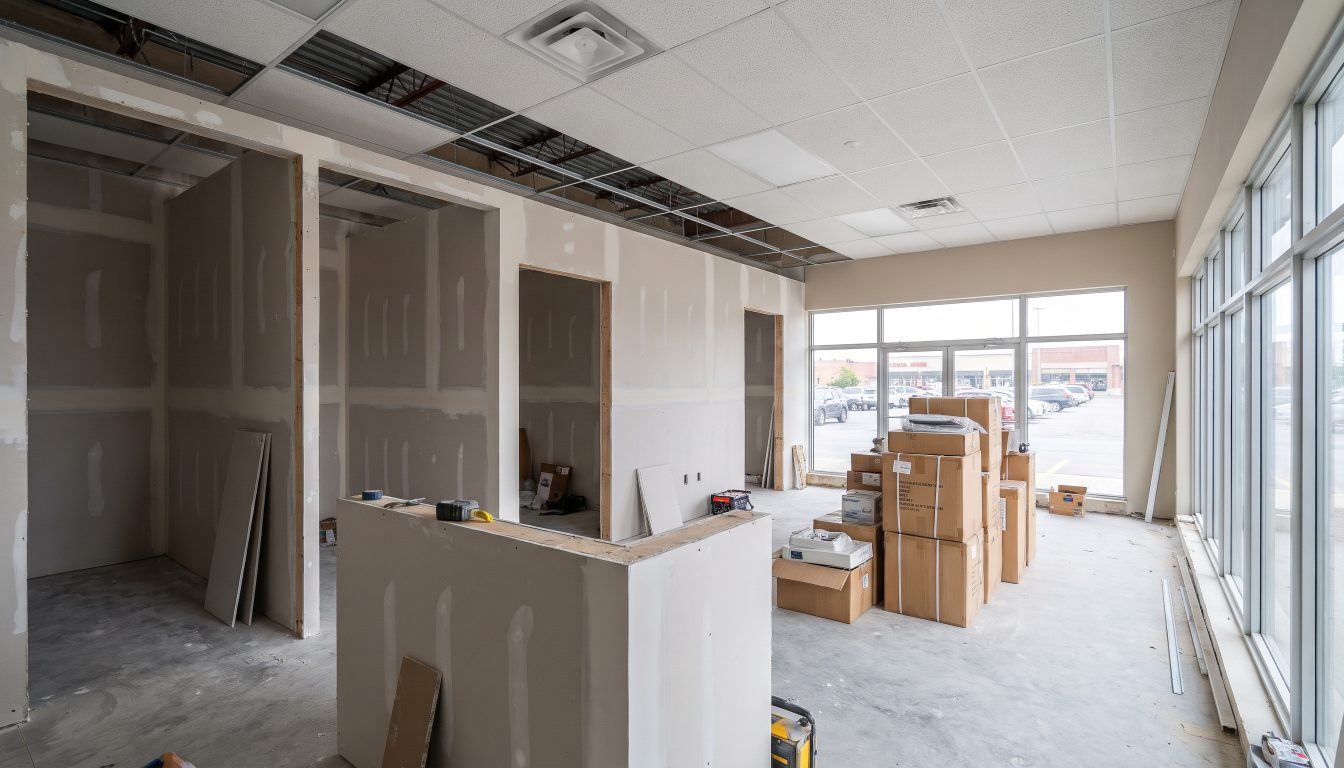
A small optometry clinic in the GTA typically needs roughly $310,000 to $770,000 in 2027, before soft costs and working capital. Altus Group puts GTA office fit-out at $110 to $265 per square foot, and US estimates put exam lane and diagnostic equipment at $100,000 to $250,000 or more. Equipping one lane first keeps the start lower.
This guide is for optometrists planning to open a new clinic, or move an existing one, in Toronto or the wider GTA in 2027. You will get published cost ranges for the build-out, equipment and inventory, a rough budget for a typical clinic, and the permit and lease points that decide whether you stay on budget.
Two notes before the numbers. Canadian sources that price an optometry build-out line by line are scarce, so I use a Canadian construction cost guide for the space and label the US figures I use for equipment. And these are ranges, not quotes. Your designer and contractor will price your actual unit.
How much does it cost to open an optometry clinic in the GTA?
For a typical small clinic, plan on a total budget in the mid six figures once you add the build-out, equipment, inventory and furnishings. Here is how the pieces add up from the sources I read.
| Cost item | Published range | Source |
|---|---|---|
| Office interior fit-out, GTA, per sq ft | $110 to $150 (Class B); $160 to $265 (Class A) | Altus Group Canadian Cost Guide 2026, hard costs only |
| Fit-out for a 1,500 sq ft clinic at those rates | About $165,000 to $397,500 | My calculation from Altus rates |
| Real clinic build-out, 1,800 sq ft, three lanes | About $390,000, roughly $216 per sq ft, before equipment and inventory | Review of Optometric Business, August 2025 (US) |
| Exam lane and diagnostic equipment | $100,000 to $250,000 or more | Wexford Insurance, 2025 (US) |
| Optical inventory (frames, lenses, contacts) | $20,000 to $50,000 or more | Wexford Insurance, 2025 (US) |
| Practice software and technology | $10,000 to $30,000 or more | Wexford Insurance, 2025 (US) |
| Furniture, fixtures and computers | $15,000 to $40,000 | Wexford Insurance, 2025 (US) |
| Total start-up, all items | $200,000 to $500,000 or more | Wexford Insurance, 2025 (US) |
| Start-up cost per new location covered by a Canadian optical chain | About $500,000 | Specsavers announcement, January 2022 (Canada) |
Source: Altus Group, 2026 Canadian Cost Guide (GTA column, as at January 31, 2026); Review of Optometric Business, “From Blank Shell to Patient Magnet” (August 2025); Wexford Insurance, cost to open an optometry clinic in 2025; OptikNow, Specsavers start-up investment (January 2022). US figures are in US dollars. None of these are quotes.
If you add the GTA fit-out range for 1,500 square feet to the US ranges for equipment, inventory, software and furniture, you land at roughly $310,000 to $770,000 before design fees, permits, HST and working capital. That mixes Canadian and US sources, so treat it as a rough frame, not a budget.
What does an optometry clinic build-out cost per square foot in Toronto?
Altus Group’s 2026 Canadian Cost Guide puts interior fit-out for GTA office space at $110 to $150 per square foot for Class B finishes and $160 to $265 for Class A. Those are hard construction costs only. Altus says land, architectural and engineering fees, municipal fees, contingencies, legal fees, financing and similar soft costs are extra.
An optometry clinic is not a plain office. You need plumbing for sinks, darkened exam rooms of the right length, a lab or edging area, dispensary displays and more power and data than a typical suite. In my view, treat the Altus office range as a floor rather than a ceiling. The US clinic described by Review of Optometric Business came in at about $216 per square foot before equipment, inside the Altus Class A range, even after the owners did some finishing work themselves.
For comparison, my guide to dental office build-out costs in the GTA shows how much higher costs run when every room needs plumbing, suction and X-ray shielding.
How much space does an optometry clinic need?
A small clinic usually needs less space than people expect. A 2019 US guide on Eyes On Eyecare suggests about 1,400 to 1,600 square feet as a practical size for a new practice. That fits two exam rooms, reception, optical, pre-testing, a contact lens teaching area, a lab, an office, a break room and storage. The 2025 US clinic above used 1,800 square feet for three exam lanes, only one of them fully equipped at opening.
Every extra square foot costs you twice: once in the build-out and again in rent for the life of the lease. Size the space for the next five years, not for your peak.
How much does optometry equipment cost?
Equipment is often the second-largest cost after construction. Wexford Insurance puts exam lane and diagnostic devices, such as phoropters, slit lamps, autorefractors and visual field testers, at $100,000 to $250,000 or more in the US. Advanced imaging such as OCT pushes you toward the top of that range.
The College of Optometrists of Ontario’s practice reference says optometrists are expected to have the instruments and supplies needed to meet the standards of practice. Where you do not have a specific instrument, you must have arrangements for the test to be done elsewhere and the results kept in the record. Equipment must be kept in good working order and recalibrated regularly. That gives you room to phase in costly devices rather than buying everything on day one.
If you are weighing whether to lease or buy the unit itself, try the estimator below for a quick range on clinic and office space.
What permits and approvals does a GTA optometry clinic need?
Expect at least a building permit, and confirm zoning before you spend money on drawings.
- Building permit. The City of Toronto says a permit is needed for structural or material alterations, such as adding or removing walls to change room sizes or uses. Building exam rooms, a lab and a dispensary almost always does that. The city also says a change of use needs a building permit even if no construction is proposed.
- Zoning. Toronto adds that even when no permit is needed, the work must still comply with the zoning by-law. Every GTA city has its own by-law, so confirm the use is allowed in your specific unit with a zoning certificate or a preliminary review.
- The College and the lease. My guide to optometry clinic space in Ontario explains the Building Code occupancy change from retail to clinic, accessibility, and the College rule that bars rent tied to your fees or volume.
How long does it take to open an optometry clinic?
Plan for months, not weeks. The 2019 Eyes On Eyecare guide puts the whole process at about six to nine months before opening in the US. In the GTA, permit review, landlord approvals and equipment lead times can stretch that. Build the timeline backwards from the date your current lease or job ends, and keep a buffer for the permit stage.
Are GTA construction costs going up or down for 2027?
Altus Group’s 2026 outlook says Toronto’s overall construction costs stabilized in 2025, with residential costs falling because few new condo and housing projects started. That slowdown has led to competitive bidding from contractors and trades. On the other side, Altus notes that mechanical and electrical trades are trending up, and that metals, including metal-heavy mechanical and electrical components, have risen with US tariffs. Its national view is cautious for 2026 and more optimistic for 2027.
For a clinic, that mixed picture matters. General contractors may sharpen their prices, but the plumbing, electrical and HVAC work a clinic needs is where costs are still rising. Get at least two detailed bids, and ask each contractor to separate those trades.
How do you pay for an optometry build-out?
- Bank financing. National Bank, for example, advertises financing of up to 100% of the costs of starting, acquiring or expanding a practice for health professionals including optometrists, with a capital repayment holiday of up to one year, subject to credit approval.
- Landlord contributions. Many commercial landlords offer a tenant improvement allowance or rent-free months for a longer lease. Negotiate this before you sign, not after.
- Partner models. In 2022, Specsavers announced it would cover about $500,000 in start-up costs per new Canadian location for its partners. Any model like this must still fit the College’s rules on working arrangements, which my guide to buying an optometry practice explains.
The most common budget mistake is forgetting what the construction figures leave out. Altus excludes soft costs such as design fees, municipal fees, contingencies and financing. Then come working capital, staff wages and rent while your patient list grows. Do not sign a lease until zoning is confirmed and your contractor has priced the actual unit.
How can you keep optometry build-out costs down?
- Equip one lane first. The Eyes On Eyecare guide advises equipping one exam lane to start and adding the second as patient volume grows. The 2025 US clinic opened with one fully equipped general lane and a room held for future growth.
- Look for second-generation clinic space. A unit that was already a clinic may have plumbing, partitions and accessible washrooms in place.
- Negotiate the lease and the allowance together. My notes on commercial lease clauses in Ontario cover the terms that protect your investment.
- Consider owning. If you plan to stay ten years or more, buying a commercial condo unit can turn rent into equity. The office space value estimator gives a starting range.
The cheapest build-out is the one you do not have to do. Before you design anything, I would look hard at former clinic and medical units, where much of the plumbing and layout is already there. Then I would spend the savings on equipment that brings patients back, not on finishes.
What to do next
- Decide your opening scope: number of lanes, optical size and which instruments you need on day one.
- Shortlist two or three units and confirm zoning for clinic use on each one.
- Get a designer familiar with clinics to sketch a layout, then two detailed contractor bids with plumbing, electrical and HVAC priced separately.
- Talk to two banks about start-up financing and to the landlord about a tenant improvement allowance.
- Talk to me before you sign. I search the market for units where clinic use is allowed, check zoning and condo rules, and negotiate the lease or purchase.
Need help with this? Talk to me.
I’m Jatin Dua, Broker of Record at RE/MAX Quantum Realty, and I’m the best agent to do this kind of work for you in Toronto and across the GTA. Over $100 million in GTA sales and 100+ families helped sell. Feel free to contact me any time: call or text 833-330-1925 or email [email protected].
Frequently asked questions
What is the total cost to open a new optometry practice in Toronto?
Plan on roughly $310,000 to $770,000 for a small GTA clinic in 2027, before soft costs and working capital. That range combines Altus Group’s 2026 GTA fit-out rates for about 1,500 square feet with US equipment and inventory estimates. A US insurer puts total start-up costs at $200,000 to $500,000 or more.
What is the cost per square foot to build out an optometry office in Toronto?
Altus Group’s 2026 Canadian Cost Guide puts GTA office interior fit-out at $110 to $150 per square foot for Class B and $160 to $265 for Class A, hard costs only. An optometry clinic needs plumbing, darkened exam rooms and a lab, so in Toronto in 2027 treat those office rates as a floor.
How much does optometry equipment cost in Canada?
No Canadian source publishes a standard figure. A 2025 US estimate from Wexford Insurance puts exam lane and diagnostic equipment at $100,000 to $250,000 or more, with advanced imaging at the top of the range. Many new Ontario clinics equip one lane first and add instruments as patient volume grows.
How big should an optometry clinic be?
About 1,400 to 1,600 square feet suits a new clinic, according to a US guide on Eyes On Eyecare, with room for two exam rooms, optical, pre-testing, a lab, an office and storage. A three-lane US clinic opened in 2025 used 1,800 square feet. In the GTA, size for five years of growth.
Do I need a building permit for an optometry clinic in Toronto?
Usually yes. The City of Toronto says material alterations, such as adding or removing walls to change room sizes or uses, need a building permit, and a change of use needs one even with no construction. Work must also comply with the zoning by-law. Other GTA cities have their own rules, so confirm before signing a lease in 2027.
How long does it take to open an optometry practice?
About six to nine months is typical, according to a US guide on Eyes On Eyecare. In the GTA, permit review, landlord approvals and equipment lead times can make it longer. Start your 2027 timeline from the date you need to open and work backwards, with a buffer for permits.
Can I get 100% financing to open an optometry clinic?
Some Canadian banks advertise it. National Bank, for example, offers financing of up to 100% of the costs of starting, acquiring or expanding a practice for health professionals, with a capital repayment holiday of up to one year, subject to credit approval. Compare at least two Ontario lenders before you commit in 2027.
Are construction costs in Toronto going down in 2027?
Partly. Altus Group says Toronto’s overall construction costs stabilized in 2025 and residential costs fell, which has made contractors bid more sharply. But mechanical and electrical trades are trending up and metals have risen with US tariffs. For a clinic in 2027, the plumbing and electrical work is where costs still rise.
Should I lease or buy space for an optometry clinic?
It depends on how long you plan to stay. Leasing keeps cash free for equipment and the build-out. Buying a commercial condo unit can make sense if you plan to stay ten years or more and want control over rent and renewals. In Ontario, check zoning and condo rules for clinic use first.
Sources
- Altus Group: 2026 Canadian Cost Guide (GTA office interior fit-out, hard costs)
- Altus Group: Cautious in 2026, optimistic for 2027, Cost Guide insights
- Review of Optometric Business: From blank shell to patient magnet, building an office (August 2025)
- Wexford Insurance: How much does it cost to open an optometry clinic in 2025
- Eyes On Eyecare: How to open an optometry practice cold (2019)
- OptikNow: Specsavers announces $100M investment to cover start-up costs (January 2022)
- College of Optometrists of Ontario: Optometric Practice Reference (clinical equipment, B.5)
- City of Toronto: When do I need a building permit
- National Bank: Banking solutions for healthcare professionals
Related reading
- Where Can You Open a Dental Clinic in the GTA? Zoning by City (2027)
- Buying a Commercial Condo Unit for a Dental Clinic in the GTA (2027)
- Selling Your Dental Practice, Your Building, or Both: Options for Ontario Dentists in 2027
- The Canadian Dental Care Plan in 2027: What It Means for Buying, Selling or Opening a GTA Dental Practice
About the author — Jatin Dua, Toronto and GTA real estate broker
I am Jatin Dua, Broker of Record and co-founder of RE/MAX Quantum Realty Inc., Brokerage, Unit 101, 799 The Queensway, Toronto. I work with buyers and sellers across Toronto and the GTA and have helped more than 100 families sell. Four-plus years of active GTA transactions and over $100 million in sales volume.
Reach me at [email protected] or 833-330-1925, or book a call.
More from the library
- Buying an Insurance Brokerage in Ontario: RIBO Firm Licence, Principal Broker and Trust
- Travel Agency Office Space in Ontario: TICO Premises Rules, Home Offices, Zoning and the Lease
- How to Finance a Dental Practice Purchase in Canada (2027)
- Humber Bay Shores or The Kingsway? Where Your Money Goes Further
- Prime Condos, 319 Jarvis St: Small Suites, Big Shared Spaces
- 40 Sunny Glenway, Flemingdon Park: A 1973 Tower With Every Utility In
How this estimate is produced
The estimate blends recent selling prices for comparable units in the area with the details you entered: size, bedrooms, floor, exposure, parking, locker and condition. It is a statistical estimate, not an appraisal and not a formal opinion of value.
What it cannot see
- Interior condition and upgrades beyond what you told it
- Unit-specific issues: noise, an obstructed view, a pending special assessment
- Your reserve fund and where the maintenance fee is heading
- What is competing with you in your own building right now
What moves the number most
- Floor and exposure, which can separate otherwise identical units
- Parking and locker, each priced separately by buyers
- Kitchen and bathroom condition
- Maintenance fee per square foot against the rest of the building
Treat it as a range, not a price
A single figure to the dollar would be false precision. Use the estimate to decide whether a move is worth exploring. Before you price anything for the market, the number needs checking against what is actually selling and sitting in your building this month, and that takes a person. I will do that for you at no cost and with no obligation.
Market data is sourced from the Toronto Regional Real Estate Board. Information is deemed reliable but is not guaranteed. This tool does not provide an appraisal or a formal opinion of value, and it is not a substitute for advice on your specific property. Jatin Dua, Broker of Record, RE/MAX Quantum Realty.