
Published 2 November 2026 · By Jatin Dua, Broker of Record, RE/MAX Quantum Realty
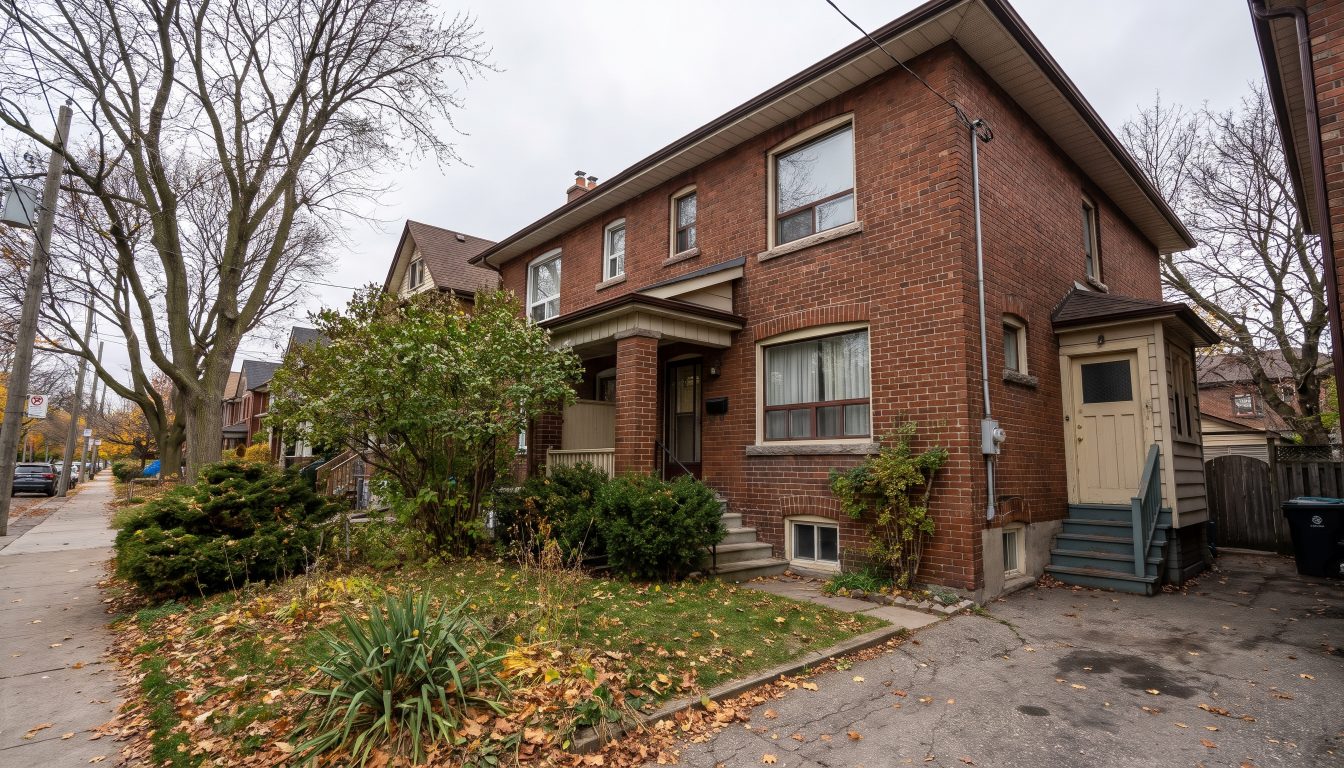
The five costliest first-time landlord mistakes in Ontario are skipping the standard lease, taking a damage deposit or other illegal fees, raising rent above the 1.9% 2027 guideline or without 90 days’ notice, assuming the tenant must leave when the lease ends, and forgetting to report rent on Form T776 and update insurance.
This is for people renting out a home, condo or basement unit in Ontario for the first time, including owners who moved and kept their old place. You get the five mistakes that cost new landlords the most, the actual rule behind each one as of November 2026, and a one-page table you can keep.
Does the Residential Tenancies Act apply to my rental?
Almost certainly. Ontario’s Residential Tenancies Act, 2006 (RTA) covers most residential rentals, including condos, houses and basement apartments. Disputes go to the Landlord and Tenant Board (LTB), part of Tribunals Ontario.
One common exception matters for owners renting a room. The Act does not apply where the occupant must share a bathroom or kitchen with the owner, or the owner’s spouse, child or parent, and that person lives in the building. If your tenant has their own kitchen and bathroom, assume the Act applies.
Many first-time landlords treat a rental like a private deal where they can set any terms they want. In Ontario, the Act overrides the lease. Terms that take away a tenant’s rights are void, even if the tenant signed them.
What are the main landlord rules in Ontario?
| Rule | What the law says (November 2026) |
|---|---|
| Lease form | Ontario standard lease for most tenancies signed on or after 30 April 2018 |
| Copy of the signed lease | To the tenant within 21 days of signing |
| Rent deposit | No more than one month’s rent; used for the last month |
| Interest on the rent deposit | Paid yearly at the guideline rate: 1.9% in 2027 |
| Damage deposit | Not allowed |
| Key or fob deposit | Refundable, no more than the expected replacement cost |
| Bounced (NSF) payment | Bank charges plus an admin fee of no more than $20 |
| Rent increase guideline | 1.9% for 2027 (2.1% for 2026); some newer units exempt |
| Rent increase notice | At least 90 days in writing, and 12 months between increases |
| Entry for repairs or showings | At least 24 hours’ written notice, between 8 a.m. and 8 p.m. |
| Notice for unpaid rent (N4) | 7 days for notices given on or after 21 September 2026 |
Source: Residential Tenancies Act, 2006 (ss. 12, 12.1, 27, 105, 106, 116, 119, 120); O. Reg. 516/06, s. 17; Government of Ontario standard lease and rent increase pages; Tribunals Ontario LTB update of 21 September 2026.
1. Skipping the standard lease, or adding clauses that are void
Ontario’s standard lease is required for most residential tenancy agreements signed on or after 30 April 2018. It does not apply to care homes, mobile home parks and land lease communities, most social and supportive housing, and co-operative housing. For an ordinary condo, house or basement rental, use it.
If you use your own lease instead, the tenant can demand the standard form in writing. Under section 12.1 of the RTA, if you do not provide it within 21 days, the tenant may withhold up to one month’s rent. In some cases the tenant can also end a fixed-term lease early on 60 days’ notice. The lease must be signed by both of you on or before move-in day.
Extra terms are allowed, but only if they do not take away a right under the Act. The Ontario government gives a no-pets clause as an example of a void term. The exception is condo rules: you can require a tenant to follow the condo’s rules, which may restrict certain pets. My guide to residential lease clauses in Ontario shows which add-ons hold up.
2. Taking deposits and fees the law does not allow
This is the mistake I see most. The RTA says the only security deposit a landlord may collect is a rent deposit. It cannot be more than one month’s rent, you must ask for it on or before signing the lease, and it must be used for the last month of the tenancy. A “damage deposit” is not allowed, however reasonable it sounds.
You also owe interest. Each year you must pay the tenant interest on the rent deposit at the guideline rate in effect when it is due, which is 1.9% in 2027. On a $2,500 deposit, that is $47.50. If the rent has gone up, the Act lets you keep some or all of that interest to bring the deposit up to the new month’s rent.
Other fees are banned unless the regulation allows them. Allowed: a refundable key, fob or card deposit no higher than the expected replacement cost, and an admin charge of no more than $20 for a bounced payment, plus the bank’s charge. If you collect money you should not, the tenant can apply to the LTB to get it back. I cover the details in Ontario rental deposit rules.
Instant Home Valuation
What’s your home
worth today?
Answer six quick questions and get an instant value range built from current Toronto & GTA sale data — property type, size, condition, lot and location all weighted the way a real pricing conversation weighs them. Takes about ninety seconds.
Reading recent GTA sale data…
Building your estimate
Estimated market value
—
$0–$0
Most likely value $0 · roughly $0 per square foot
What moved the number
Starting from the area baseline for your property type, here’s what each answer added or subtracted.
Market context
Recent local averages for comparison.
—
A range is a starting point.
A strategy is what sells.
This model doesn’t know that your neighbour’s identical semi went $80,000 over asking last month, or which two upgrades actually pay back in your area. That conversation is free and takes twenty minutes.
3. Raising the rent the wrong way
For most units, the rent increase guideline is 1.9% for increases that take effect in 2027. It was 2.1% for 2026 and 2.5% for 2025. On $2,500 a month, a 1.9% increase is $47.50 a month.
Some units are exempt from the guideline. The Ontario government says this includes new buildings, additions and most new basement apartments that were first occupied for residential purposes after 15 November 2018. A condo that was first lived in before that date is not exempt, even if you bought it recently.
Two rules apply to every unit, exempt or not:
- 12-month rule: at least 12 months must pass since the tenant moved in or since the last increase.
- 90 days’ written notice: in the proper form from the LTB, before the increase takes effect.
Miss either one and the increase can be challenged. Between tenants, the rent you set for a new tenancy is not limited by the guideline. See my guide to the 2027 rent increase guideline for worked examples.
4. Assuming the tenant must leave when the lease ends
A one-year lease does not end the tenancy. Under section 38 of the RTA, when a fixed term ends and nobody has renewed or ended it properly, it becomes a month-to-month tenancy on the same terms. The LTB’s own brochure says the end of a lease does not mean the tenant has to move out or sign a new lease.
You can end a tenancy only for a reason the Act allows. Those include reasons based on the tenant’s conduct, such as not paying rent or causing damage, and “no fault” reasons, such as you or a close family member moving in. Since 21 September 2026:
- The notice for unpaid rent (N4) is 7 days instead of 14.
- For an own-use notice (N12) served with at least 120 days’ notice, ending on the last day of a rental period or term, compensation is not required. With less notice, the old rule applies: one month’s rent or another acceptable unit.
- After an N12, you or the family member must normally move in within 60 days of the termination date, or the LTB can presume bad faith if the tenant applies.
If the tenant does not leave, you apply to the LTB. Only the Court Enforcement Office, the sheriff, can enforce an eviction order. Never change the locks yourself. In Toronto, a landlord who serves an N13 for renovations also needs a rental renovation licence within 7 days, at $700 per unit. My guide to the new N12 120-day rule walks through the dates.
5. Forgetting tax, insurance and building rules
Rent is taxable income. The Canada Revenue Agency says you report rental income and expenses on Form T776. Current expenses, such as repairs that keep the property in its existing condition, are usually deductible in the year you pay them. Capital expenses that give a lasting benefit are claimed over time through capital cost allowance (CCA). CRA’s guide says CCA cannot create or increase a rental loss, and claiming it can lead to recapture later. If you rent part of your own home, you claim only the expenses for the rented area.
Turning your former home into a rental can also change your tax position when you sell, so speak to an accountant before the first tenant moves in. My guide to rental income tax and Form T776 covers the basics.
Two more checks:
- Insurance: tell your insurer the home is rented. A homeowner policy may not fit a rental. See landlord insurance in Ontario.
- Condo rules: read the declaration and rules on leasing, and give your tenant a copy of the rules they must follow.
Most first-time landlord problems I see are not bad tenants. They are paperwork problems: a homemade lease, a damage deposit, a rent increase with 60 days’ notice, or a plan to sell with vacant possession that ignores the tenancy. Each one hands the tenant a strong position at the LTB. Use the standard lease, keep a file of every notice and receipt, and decide before you rent whether you might sell or move back in within a few years. That plan affects what kind of tenancy you should offer.
Do not cut off heat, water or electricity, remove a tenant’s belongings or lock a tenant out to force a move. The LTB says landlords cannot remove tenants or change locks themselves, and since 1 July 2026 maximum RTA fines are $100,000 for an individual and $500,000 for a corporation.
What to do next
- Download the Ontario standard lease and fill it in before you advertise.
- Collect only a last month’s rent deposit, and set a yearly reminder to pay interest on it.
- Check whether your unit was first occupied before or after 15 November 2018.
- Talk to an accountant about Form T776 and how renting affects your sale later.
- Check what your home would sell for today with the home value tool on this page, so you know whether renting or selling makes more sense.
Need help with this? Talk to me.
I’m Jatin Dua, Broker of Record at RE/MAX Quantum Realty, and I’m the best agent to do this kind of work for you in Toronto and across the GTA. Over $100 million in GTA sales and 100+ families helped sell. Feel free to contact me any time: call or text 833-330-1925 or email [email protected].
Frequently asked questions
What should a first-time landlord know in Ontario?
Start with five rules. Use Ontario’s standard lease, collect only a last month’s rent deposit, raise rent no more than the guideline (1.9% in 2027) with 90 days’ notice, and remember a lease does not end the tenancy when its term is up. Report rental income to CRA on Form T776 and tell your insurer the home is rented.
Can a landlord ask for a damage deposit in Ontario?
No. Ontario’s Residential Tenancies Act says the only security deposit a landlord may collect is a rent deposit of no more than one month’s rent, used for the last month of the tenancy. Damage deposits are not allowed. A refundable key or fob deposit no higher than the expected replacement cost is permitted, and tenants can apply to the LTB to recover illegal charges.
Do landlords have to use the standard lease in Ontario?
Yes, for most residential tenancies signed on or after 30 April 2018. Exceptions include care homes, mobile home parks and land lease communities, most social and supportive housing, and co-ops. If a landlord does not provide the standard lease within 21 days of a written demand, the tenant may withhold up to one month’s rent under the Residential Tenancies Act.
How much can a landlord raise the rent in Ontario in 2027?
1.9% for most units, for increases that take effect in 2027. Units first occupied for residential purposes after 15 November 2018 are generally exempt from the guideline. Every increase needs at least 90 days’ written notice in the proper LTB form, and at least 12 months must pass since the tenant moved in or since the last increase.
Do landlords pay interest on last month’s rent in Ontario?
Yes. Under Ontario’s Residential Tenancies Act, a landlord must pay the tenant interest on the rent deposit every year at the rent increase guideline rate in effect when the payment is due. That is 1.9% in 2027, or $47.50 on a $2,500 deposit. If the rent has risen, the landlord may keep some or all of it to top the deposit up to one month’s rent.
Does a tenant have to move out when the lease ends in Ontario?
No. When a fixed-term lease ends in Ontario and nobody renews or properly ends it, it becomes a month-to-month tenancy on the same terms under section 38 of the Residential Tenancies Act. A landlord can end the tenancy only for a reason the Act allows, such as unpaid rent or a genuine own-use move, and only the sheriff can enforce an eviction.
Do I have to pay compensation for an N12 in Ontario?
Not if you give at least 120 days’ notice. For N12 notices served on or after 21 September 2026, with at least 120 days’ notice and a termination date on the last day of a rental period or term, compensation is not required. With less notice, you must pay one month’s rent or offer another acceptable unit. This exemption does not cover purchaser’s own-use notices.
How do I report rental income in Canada?
On Form T776, Statement of Real Estate Rentals, filed with your income tax return. The Canada Revenue Agency lets you deduct current expenses, such as ordinary repairs, in the year you pay them, while capital improvements are claimed over time as capital cost allowance. CCA cannot create or increase a rental loss. Ontario landlords should keep receipts for every expense from 2027 onward.
Can my tenant refuse entry for repairs in Ontario?
Not if you give proper notice. Ontario’s Residential Tenancies Act lets a landlord enter for repairs, inspections or showings to a buyer with at least 24 hours’ written notice that states the reason, the day and a time between 8 a.m. and 8 p.m. Entry without notice is allowed only in an emergency or if the tenant agrees at the time.
Sources
- Residential Tenancies Act, 2006 (e-Laws)
- O. Reg. 516/06 under the Residential Tenancies Act (e-Laws)
- Government of Ontario – Guide to Ontario’s standard lease
- Government of Ontario – Residential rent increases
- Tribunals Ontario – How a Landlord Can End a Tenancy (LTB brochure)
- Tribunals Ontario – LTB update: legislative changes effective 21 September 2026
- Canada Revenue Agency – Rental Income guide (T4036)
Related reading
- Top 5 Best Neighbourhoods to Live in Mississauga in 2027
- Top 5 Best Neighbourhoods to Live in Brampton in 2027
- Top 5 Best Neighbourhoods to Live in Markham in 2027
- Top 5 Best Neighbourhoods to Live in Oakville in 2027
About the author — Jatin Dua, Toronto and GTA real estate broker
I am Jatin Dua, Broker of Record and co-founder of RE/MAX Quantum Realty Inc., Brokerage, Unit 101, 799 The Queensway, Toronto. I work with buyers and sellers across Toronto and the GTA and have helped more than 100 families sell. Four-plus years of active GTA transactions and over $100 million in sales volume.
Reach me at [email protected] or 833-330-1925, or book a call.