

Published 23 August 2026 · Updated 29 September 2026 · By Jatin Dua, Broker of Record, RE/MAX Quantum Realty
Short answer
Fix what an inspector would flag, then paint, light and declutter, then stop. Kitchens, main bathrooms and consistent flooring return the most in the GTA because they change how a buyer feels in the first ninety seconds. Pools, elaborate landscaping, personal finishes and over-improving past your street’s ceiling routinely return well under half their cost. Nothing returns its full receipt — buyers price avoided hassle, not your invoices.
Start from how buyers actually price a renovation
Owners think in receipts. Buyers think in avoided hassle. Those two things are only loosely related, and the gap between them is where most renovation money disappears.
A buyer walking into a kitchen renovated three years ago is not calculating your $58,000 invoice. They are calculating: I don’t have to do this, I don’t have to live through it, and I don’t have to argue with a contractor for four months. That relief is worth a lot — but it is worth roughly the same whether you spent $40,000 or $80,000 on it. Which is precisely why the return on the last $30,000 of a kitchen is so poor.
This is also why my estimator applies a condition band rather than adding up your receipts. It asks whether the home is newly built, renovated, well kept or dated, and prices the band. That is closer to how the market behaves than any cost-recouped table.
The things that reliably move the number
1. Kitchen — but the sane version of it
The kitchen sets the tone for the entire showing. A clean, current, well-lit kitchen with quality-but-not-exotic finishes returns well. A $90,000 designer kitchen in a $950,000 house does not — you have built above the ceiling of your street, and the street sets the ceiling.
2. Bathrooms, in order of importance
Main bathroom first, then ensuite, then powder room. Buyers forgive a dated basement bathroom. They do not forgive a dated main bath with a cracked tub surround, because that is the one they picture using every morning.
3. Flooring continuity
One consistent floor across the main level does more for perceived value per dollar than almost anything else on this list. Three different floors across three rooms reads as “unfinished” even when every individual floor is fine.
4. Anything a home inspector will write down
Roof at end of life, knob-and-tube wiring, an unpermitted electrical panel, active water in the basement, an aging furnace. These do not add value when fixed — they remove a discount. But the discount a buyer applies is always larger than the repair cost, because they are pricing risk and inconvenience, not the invoice. Fixing them is the highest-certainty money on this page.
5. Legal parking, and legal second suites
In much of the 416, on-site legal parking is a binary. A legal, permitted basement suite changes both the buyer pool and how a lender treats the property, and it is one of the few genuine value-adds that is worth its full cost and sometimes more — provided it is actually legal. An unpermitted suite is a liability, not an asset.
6. Paint, light and decluttering
The cheapest points on the board. Neutral paint, warm consistent bulbs at the same colour temperature throughout, and removing roughly a third of your furniture. Cost is in the low thousands; the effect on both price and days on market is disproportionate.
7. Curb appeal in the first eight seconds
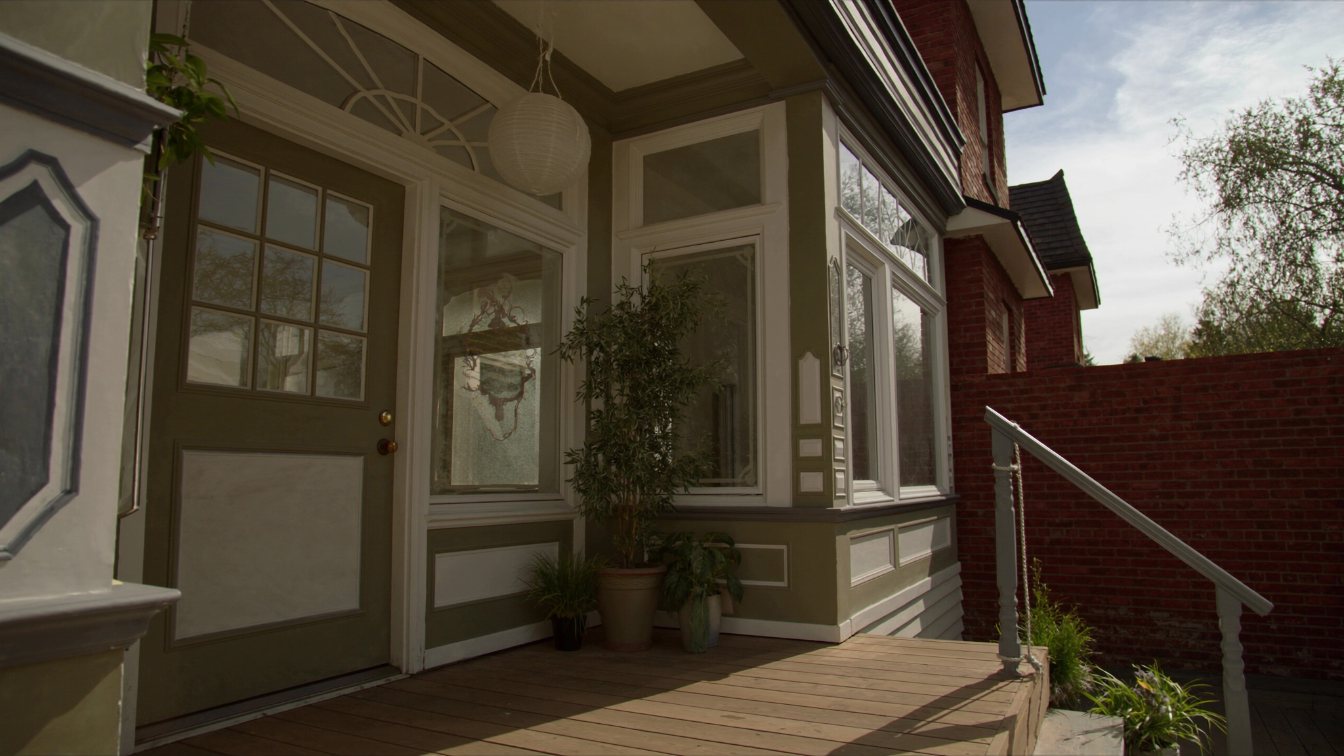
Front door, house numbers, a tidy walkway, edged beds. Most buyers form a working opinion before they are inside. It costs almost nothing to not lose that.
What is your home actually worth today?
I will give you a real number based on comparable sales on your street — not an automated estimate. No obligation, and I will tell you plainly if now is the wrong time to sell.
Get my home valuation Call or text 833-330-1925
Jatin Dua, Broker of Record — RE/MAX Quantum Realty Inc., Brokerage. Not intended to solicit buyers or sellers currently under contract with another brokerage.
The things that rarely pay back
| Project | Why it underperforms |
|---|---|
| Swimming pool | Splits the buyer pool roughly in half. Adds maintenance, insurance and, for families with small children, anxiety. |
| High-end landscaping | Beautiful, and almost entirely invisible in the price. Basic tidiness captures most of the benefit. |
| Highly personal finishes | Bold tile, statement wallpaper, a colour scheme with a point of view. Buyers price the cost of undoing it. |
| Converting a bedroom into something else | Bedroom count is a search filter. Dropping from four to three removes you from listings people are actually browsing. |
| Over-improving for the street | The most expensive house on the block gets valued against the block, not against your spending. |
| Solar and premium mechanical upgrades | Real operating savings, minimal resale premium in the GTA today. Do them because you want them, not as an investment. |
Test your own scenario
Run your property twice in the estimator below — once at your current condition, once at the condition you would be in after the work — and compare the two ranges. The difference is roughly what the market will pay you for the renovation. Weigh that against the quote, the four months, and the fact that you have to live there while it happens.
Free tool — AI home value estimator
Instant Home Valuation
What’s your home
worth today?
Answer six quick questions and get an instant value range built from current Toronto & GTA sale data — property type, size, condition, lot and location all weighted the way a real pricing conversation weighs them. Takes about ninety seconds.
Reading recent GTA sale data…
Building your estimate
Estimated market value
—
$0–$0
Most likely value $0 · roughly $0 per square foot
What moved the number
Starting from the area baseline for your property type, here’s what each answer added or subtracted.
Market context
Recent local averages for comparison.
—
A range is a starting point.
A strategy is what sells.
This model doesn’t know that your neighbour’s identical semi went $80,000 over asking last month, or which two upgrades actually pay back in your area. That conversation is free and takes twenty minutes.
Where the market is right now changes the maths
In July 2026 GTA homes sold at an average of 97 per cent of asking, in 32 days, with 4.4 months of inventory. That is a balanced market, not a frenzy. In a frenzy, condition matters less because buyers are competing on everything. In a balanced market, presentation is what separates the home that sells in three weeks from the one that relists — and the average property days on market across relistings was 45 days, which tells you how many people are getting that decision wrong.
The order I would actually do it in
- Fix anything an inspector will flag. Highest certainty, removes discounts rather than chasing premiums.
- Paint, light, declutter, deep clean. Lowest cost per dollar of perceived value.
- Main bathroom, if it is genuinely dated.
- Kitchen, only if it is dated and you have the time before listing. A half-finished kitchen at listing time is worse than an old one.
- Stop. Most sellers should stop before step four. Get an opinion on where your street’s ceiling is before you spend into it.
Before you spend, get a second opinion
Send me photos and your address and I will tell you which of these are worth doing on your specific property and which are money you will not see again. I would rather talk you out of a renovation than watch you spend $60,000 to add $25,000.
Ask what is worth doing · [email protected] · 833-330-1925
Free, no obligation, and I answer personally within 24 hours.
Related reading
- Condo value estimator — for apartments, where floor, view and parking outrank finishes.
- Net proceeds calculator — run the renovation cost against what you actually keep.
- The Quantum Home Selling System — how I prepare and price a listing.
Frequently asked questions
What renovations add the most value to a home in Toronto?
Kitchens, the main bathroom and consistent main-floor flooring return the most, because they drive the buyer’s first impression. Repairs to anything a home inspector would flag — roof, wiring, panel, water in the basement, an aging furnace — are the highest-certainty spend, because they remove a discount rather than chase a premium.
Do I get my renovation money back when I sell?
Almost never in full. Buyers price the hassle they avoid, not the invoice you paid, which is why the return on a mid-range kitchen is far better than on a luxury one in the same house. Treat renovation as a way to sell faster and closer to asking, not as an investment with a return.
Does a swimming pool add value to a GTA home?
Usually not. A pool narrows the buyer pool considerably, adds maintenance, insurance and safety concerns, and in the GTA the usable season is short. Some buyers will pay for one; more will discount for it. Install a pool because you want to swim, not to raise resale value.
Should I renovate before selling or sell as-is?
It depends on the gap between your condition band and the next one up, and on how long the work takes. Run your property through a condition-aware estimator at both your current condition and the target condition, compare the ranges, and weigh the difference against the quote and the months. If the gap does not clearly exceed the cost, sell as-is and price accordingly.
Is it worth finishing my basement before listing?
A clean, dry, legally finished basement helps, especially with a separate entrance. An unpermitted apartment is a liability that buyers’ lawyers and lenders will raise. If the basement has moisture issues, fix the moisture and leave it unfinished rather than covering the problem with drywall.
How much does staging and paint actually help?
Disproportionately, for the cost. Neutral paint, consistent warm lighting and removing roughly a third of the furniture typically costs low thousands and is the cheapest lever on both price and days on market. In July 2026 GTA homes sold at about 97 per cent of asking in 32 days on average — presentation is what keeps you in that band rather than relisting.
Does adding a bedroom increase my home’s value?
Only if the square footage supports it. Adding a fourth bedroom to a small footprint usually subtracts value, because the result shows as cramped and buyers price usable space rather than door count. Conversely, removing a bedroom to enlarge another removes you from search filters buyers are actively using.
What is your home actually worth today?
I will give you a real number based on comparable sales on your street — not an automated estimate. No obligation, and I will tell you plainly if now is the wrong time to sell.
Get my home valuation Call or text 833-330-1925
Jatin Dua, Broker of Record — RE/MAX Quantum Realty Inc., Brokerage. Not intended to solicit buyers or sellers currently under contract with another brokerage.
Sources
- Toronto Regional Real Estate Board, Market Watch, July 2026 — trreb.ca
- WOWA, Toronto Housing Market report, 5 August 2026 (days on market, sale-to-list ratio, months of inventory) — wowa.ca
- CP24, “What you need to know about Toronto’s shift to a balanced housing market”, 8 August 2026 — cp24.com
- What is my home worth? A straight answer for Toronto & GTA owners
- How much is my condo worth? Floor, view, parking and what moves the number
- AI valuation vs a Realtor CMA vs a bank appraisal
- What homes actually sold for in the GTA: July 2026 by type and region
About the author — Jatin Dua, Toronto & GTA Realtor
I’m the Broker of Record at RE/MAX Quantum Realty, 799 The Queensway in Etobicoke, and I work with buyers, sellers and investors across Toronto, Etobicoke, Mississauga, Oakville and the wider GTA. I build the valuation tools on this site myself and I publish the assumptions behind them, because a number you can’t interrogate is a number you shouldn’t act on. If you want the version of this with your actual address in it: [email protected] or 833-330-1925.