
Published 18 October 2026 · By Jatin Dua, Broker of Record, RE/MAX Quantum Realty
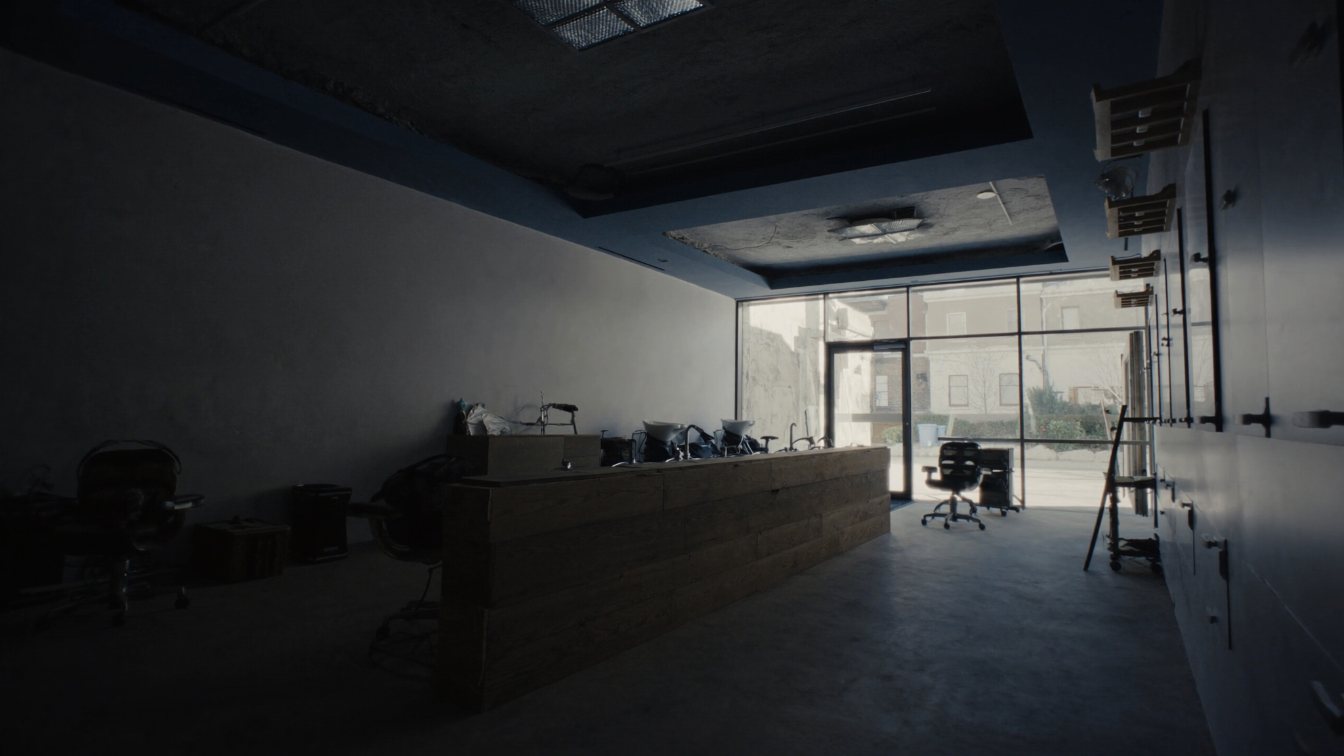
A bar or pub in Ontario needs an AGCO liquor sales licence for the specific premises, which requires scaled floor plans, a capacity calculation from the building or fire department, sign-off letters from building, fire and public health, a municipal information form, possible public notice and a pre-licensing inspection. Capacity follows the Ontario Fire Code: for dining and drinking space the occupant load is based on 1.10 m² per person, limited by exits. You also need the city's food or drinking licence (in Toronto, possibly the Expanded Activity category), staff with Smart Serve, and a lease that is conditional on getting the liquor licence.
Looking for bar or pub space in Toronto or the GTA? Tell me what you need and I will send you units that fit, with the zoning and the lease checked before you commit.
What a bar or pub unit must have
A bar is judged by its numbers: how many people the room can legally hold, how many washrooms and exits serve them, and how loud it can be at midnight without the neighbours calling. Before you look at finishes, check:
- Exits. The number and width of exits caps your occupant load, whatever the floor area says.
- Washrooms. Your architect will check washroom counts against the Building Code for the occupant load you want. A former retail unit with one washroom will not support a busy pub without new plumbing.
- Bar plumbing and drainage. Bar sinks, glass washers, ice machines and beer lines all need water and drains.
- Kitchen. Most pubs serve food. If you fry or grill, you need an exhaust hood and fire suppression, which brings the same duct-route question as any restaurant.
- Cold storage. A walk-in cooler for kegs, with a short route to the bar.
- Who is next door and upstairs. Residential units above or behind the bar are the biggest long-term risk to late hours and live music.
If you are buying an existing bar rather than starting fresh, read my guide to buying a restaurant with a liquor licence first.
The AGCO liquor sales licence is tied to the premises
The AGCO licenses a business owner to sell liquor at a specific premises, with the licensed areas outlined on the floor plan and the maximum number of people written on the licence. That is why the unit itself, not just you, gets examined. The AGCO application process asks you to confirm zoning with your municipality first, then submit through iAGCO. The AGCO’s licence guide lists what the premises must produce:
| Item | Who provides it | Why it matters for the unit |
|---|---|---|
| Floor plans to scale, with licensed areas clearly outlined | You or your designer | Defines exactly which rooms and patio areas can serve liquor |
| Capacity calculation | Building or fire department, or an architect or engineer if neither assigns one | Sets the maximum number of people on the licence |
| Compliance letters | Building department, fire department and public health | Each must sign off; outdoor areas must be inspected too |
| Municipal Information Form | Municipal clerk | Gives the city its say on the location |
| Landlord letter for a private-property patio | Your landlord | Confirms the patio is private and that you have permission to license it |
| Café or encroachment agreement for a patio on city property | The municipality | Required before a sidewalk patio can be licensed |
New applications cost $1,055 for a two-year term or $1,355 for four years. There may be a public notice period: the AGCO emails you a poster to display where the public can read it from outside, and community members can object. Under O. Reg. 746/21, notice is generally not required where a previous licence for the premises was in force less than six months before your application (and was not revoked on public-interest grounds), which is one reason a recently licensed unit can be quicker to open. An AGCO inspector then does a pre-licensing inspection before the licence issues.
Liquor can be served between 9 a.m. and 2 a.m. (3 a.m. on New Year’s Eve), and drinks must be cleared within 45 minutes after the end of service hours. For how an existing licence moves to a new owner, see my liquor licence transfer guide.
Capacity: how occupant load is worked out
Your licensed capacity is the most valuable number in the business, and it comes from the building, not the business plan. The Ontario Fire Code, O. Reg. 213/07, sets the occupant load of a room in an assembly occupancy as the lower of the calculated load and the load the exits can serve under the Building Code (Article 2.7.1.4). Its table uses 1.10 m² per person for dining, alcoholic beverage and cafeteria space, 0.95 m² for non-fixed seats with tables, and 0.40 m² for standing space, and the load can never exceed one person per 0.60 m² in dining and drinking space. A room with a dance floor is calculated on the part not used for dancing.
As a rough illustration only, 150 m² of dining and drinking space at 1.10 m² per person works out to about 136 people, but if the exits or washrooms only support 90, your capacity is 90. Where the occupant load is over 60, it must be posted in a conspicuous location (Article 2.7.1.5). Buildings containing an assembly occupancy also need a fire safety plan under Section 2.8 of the Fire Code.
Buy capacity, not square footage
Two units with the same floor area can have very different licensed capacities because of exits and washrooms. Ask an architect for a preliminary occupant load before you agree on rent, and make the deal conditional on a capacity that works for your revenue plan.
Toronto's 2025 licensing and zoning changes
On January 1, 2025, Toronto updated its licensing and zoning by-laws for restaurants, bars and entertainment venues. What it means for a bar:
- Eating or Drinking Establishment. The base licence. Up to 25 per cent of the floor area can be used for entertainment in most commercial zones.
- Expanded Activity Eating or Drinking Establishment. A new category for a business that meets three or more of these: open past 11 p.m. on most days it is open, holds a liquor licence, offers amusement, entertainment or live performance, or has an occupant load over 150. A typical late-night pub with live music meets it. The City lists $751.92 to apply and $546 to renew.
- Entertainment Establishment/Nightclub. Requires an occupant load over 150 plus either amplified music for entertainment or dancing, or three or more of: bottle service, advertising as a club, a lighting or sound system or DJ booth, or a stage or dance floor. Nightclubs must be in a non-residential building, on the first storey or basement, the only nightclub in the building, and are capped at 400 m² on a lot within 6.1 m of a residential lot.
- Existing licences moved to the new rules at their 2025 renewal, and new zoning rules apply to new zoning compliance applications.
Outside Toronto, check locally. Mississauga, for example, licenses bars and pubs as restaurants and asks for a Zoning Certificate of Occupancy or building permit and Peel health clearance.
Noise: the rule that limits your hours
Toronto’s noise by-law limits amplified sound measured at the point of reception, typically where the complainant spends time. Measured inside a living area, the limit is 50 dBA or 65 dBC from 7 a.m. to 11 p.m., and 42 dBA or 57 dBC from 11 p.m. to 7 a.m. In an outdoor living area it is 55 dBA or 70 dBC by day and 50 dBA or 65 dBC overnight.
Since the 2025 changes, businesses licensed as Expanded Activity Eating or Drinking Establishments must submit a Level 1 Noise Control Plan: a signed acknowledgement of the noise by-law, an inventory of all sound and amplification equipment, and, on request, an operations strategy for monitoring, neighbour engagement and complaints. The City can impose a plan on any food or entertainment establishment at application, renewal or any time during the licence.
Residential neighbours can end a bar
If there are apartments above or houses behind the unit, assume complaints will come. Before you sign, ask the landlord about past noise complaints, budget for acoustic work, and do not rely on a lease that allows live music if the building physically cannot keep the sound in.
Patios
A patio can add a lot of seats, but it is licensed separately. The AGCO requires the outdoor area to be inspected and shown on your plans. A patio on private property needs the landlord’s written confirmation that the area is private and that you have permission to license it. A patio on a public sidewalk needs a café or encroachment agreement with the municipality. Negotiate patio rights, hours and furniture storage in the lease, not after.
Brewpubs and taprooms
If you want to brew on site, the AGCO offers a brew pub endorsement added to a liquor sales licence; O. Reg. 746/21 says it authorizes you to sell and serve beer you manufacture (s. 17(2)). You must already hold or apply for the liquor sales licence, describe your brewing process to the AGCO, and comply with federal excise requirements. For the unit, brewing adds floor loading for fermenters, drains, venting for the brewhouse and a bigger electrical or gas service. Brewing can also be treated as a manufacturing use in some zones, so ask the zoning examiner directly.
The lease clauses that matter for a bar or pub
- Liquor licence condition. The lease, or at least your rent and fit-out obligations, should depend on the AGCO issuing a liquor sales licence for the capacity you need. If the landlord will not agree to a full condition, ask for a longer fixturing period and a termination right if the licence is refused.
- Permitted use. “Licensed bar and restaurant, including the sale of alcoholic beverages, live and recorded music, televised sports and games, and a patio.” Add entertainment specifically if you want it.
- Hours. Written consent to operate until 2 a.m., seven days a week, and to stay open for staff clean-up afterwards.
- Patio rights. Location, size, hours, furniture storage and the landlord’s letter to the AGCO.
- Noise and nuisance. Tie the standard to the law and to a reasonable acoustic treatment you will install, not “any noise audible to other tenants”.
- Landlord’s work. Washrooms, exits, grease interceptor, electrical and HVAC capacity for a crowded room.
- Exclusive. No other licensed bar or pub in the plaza, if your landlord will give it.
- Assignment. Bars are sold as going concerns. Make sure the landlord’s consent cannot be unreasonably withheld and that the lease survives a share sale.
- Security and insurance. Expect the landlord to require liquor liability insurance. Agree the amount up front so it does not block your opening.
Deal-killers to check on a viewing
- Exits or washrooms that cap capacity far below what your numbers need.
- Apartments directly above with no acoustic separation, or a history of noise complaints.
- A use clause, a restrictive covenant or another tenant’s exclusive that prohibits a licensed bar.
- Zoning that does not allow an eating establishment, or limits entertainment floor area more than you planned.
- No route for kitchen exhaust if you plan to serve food.
- A landlord who will not sign the patio letter or allow late hours.
- An existing liquor licence under suspension, or a premises with a history of AGCO problems. Ask before you rely on it.
If your concept leans toward pool tables, karaoke rooms or a games lounge, read my billiards and karaoke lounge guide; for private events, my banquet hall premises guide.
Where I fit
I help bar and pub operators find space across Toronto and the GTA, and I look at capacity, exits, neighbours and zoning before we talk about rent. I read the lease before you sign and push for a liquor licence condition, patio rights and workable hours. If you are buying an existing licensed business, my restaurant valuation tool gives you a starting number.
Find me bar or pub space
Tell me the area, size, budget and timing, and the capacity, patio and hours you need, and I will send you spaces that fit.
I will come back to you personally, usually the same day, with spaces that fit. If it is urgent, call or text 833-330-1925.
Frequently asked questions
Is an Ontario liquor licence tied to the location or the owner?
Both. The AGCO licenses a business owner to sell liquor at a specific premises. The licence shows the licensed areas and the maximum number of people, and it is based on that unit's floor plans, capacity and inspections. If you move or change the licensed area, you need AGCO approval. A new owner of the business must deal with the licence through the AGCO.
How much does a liquor sales licence cost in Ontario?
The AGCO lists $1,055 for a new liquor sales licence with a two-year term and $1,355 for a four-year term. Add the cost of floor plans, a capacity calculation, municipal and agency letters, and the city's own business licence. Endorsements such as a brew pub endorsement are added on top of the liquor sales licence.
How is bar capacity calculated in Ontario?
Under the Ontario Fire Code, the occupant load of an assembly space is the lower of the calculated load and what the exits can serve under the Building Code. For dining and drinking space the table uses 1.10 m² per person, and the load can never exceed one person per 0.60 m². Washrooms and exits often set the real limit, so get an architect's estimate early.
What is an Expanded Activity Eating or Drinking Establishment in Toronto?
It is a Toronto licence category created on January 1, 2025 for an eating or drinking business that meets three or more of these: open past 11 p.m. on most days, holds a liquor licence, offers entertainment or live performance, or has an occupant load over 150. The City lists $751.92 to apply and $546 to renew, and it requires a Level 1 Noise Control Plan.
What hours can a bar serve alcohol in Ontario?
The AGCO allows liquor to be served between 9 a.m. and 2 a.m., or 3 a.m. on New Year's Eve, and drinks must be cleared within 45 minutes after service ends. Your licence may carry conditions that limit hours further, and your lease, municipal rules and the noise by-law can restrict your practical closing time.
Do bar staff need Smart Serve in Ontario?
The AGCO says Smart Serve is the only Board-approved training program for the broader liquor sector, and the Registrar's standards cover everyone involved in selling, serving or delivering liquor, including security staff employed by the licensee. Certificates must be renewed every five years. Build the training time into your opening plan.
Should a bar lease be conditional on getting a liquor licence?
Yes, as far as the landlord will agree. A bar that cannot serve liquor rarely survives, and the AGCO process can involve public notice, objections and inspections. Ask for a condition tied to a liquor sales licence for your required capacity, or at least a long fixturing period and a right to end the lease if the licence is refused.
Sources
- AGCO — Apply for a liquor sales licence — steps, fees, public notice, service hours
- AGCO — Liquor sales licence guide, Section 1 — floor plans, capacity, compliance letters, patios
- Ontario e-Laws — O. Reg. 746/21 under the Liquor Licence and Control Act, 2019 — notice exceptions, brew pub endorsement
- AGCO — Responsible liquor sale, service and delivery training — Smart Serve, five-year renewal
- Ontario e-Laws — O. Reg. 213/07: Fire Code — occupant load table, posting, fire safety plan
- City of Toronto — Changes to licensing and zoning bylaws for restaurants, bars and entertainment venues — 2025 categories, fees, nightclub zoning
- City of Toronto — Noise by-law — amplified sound limits
- City of Toronto — Level 1 Noise Control Plan template — who must file, contents
- City of Mississauga — Restaurant or retail food business licensing — bars and pubs licensed as restaurants
Related reading
- Restaurant premises in Ontario
- Liquor licence transfer when a restaurant is sold
- Buying a restaurant with a liquor licence
- Billiards and karaoke lounge premises
- Restaurant lease: what buyers must check
- The commercial lease use clause
- The use clause in a commercial lease
About the author — Jatin Dua, Toronto and GTA real estate broker
I am Jatin Dua, Broker of Record and co-founder of RE/MAX Quantum Realty Inc., Brokerage, Unit 101, 799 The Queensway, Toronto. I help business owners across Toronto and the GTA find, assess and lease commercial space, and I work with buyers and sellers of homes and businesses. Four-plus years of active GTA transactions and over $100 million in sales volume. Every rule here comes from a regulator, statute or by-law linked in the sources, so you can check all of it without asking me.
Reach me at [email protected] or 833-330-1925, or book a call.