
Published 18 October 2026 · By Jatin Dua, Broker of Record, RE/MAX Quantum Realty
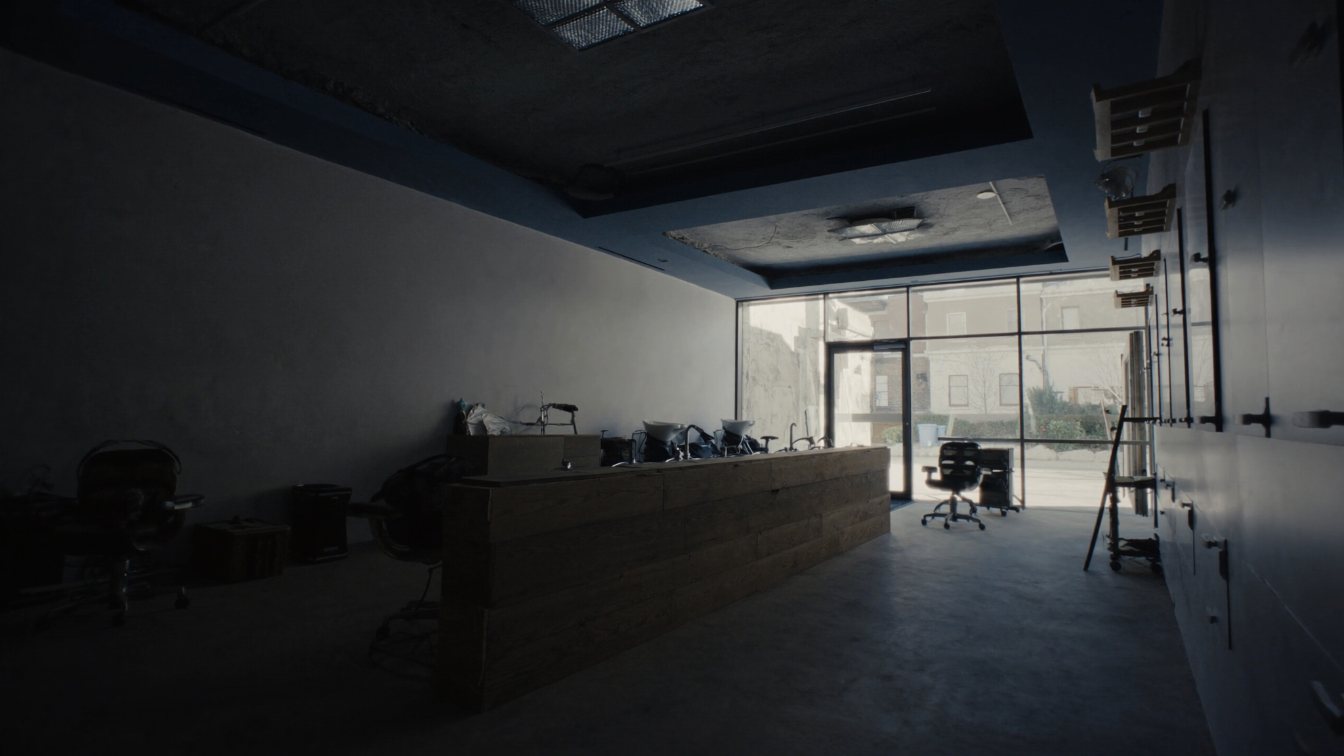
A restaurant unit in Ontario needs a kitchen that meets the Food Premises Regulation (O. Reg. 493/17): hot and cold running water under pressure, staff-only handwashing stations, a mechanical dishwasher or three-compartment sink, tight non-absorbent floors and enough refrigeration. Any cooking that makes smoke or grease-laden vapour needs an exhaust hood and fire suppression built to NFPA 96 under the Ontario Fire Code. Sewer by-laws in Toronto (Chapter 681) and Peel (By-law 53-2010) require a grease interceptor. Before you sign, confirm that zoning permits an eating establishment, that a building permit is possible, and that the health unit will approve your plans.
Looking for restaurant space in Toronto or the GTA? Tell me what you need and I will send you units that fit, with the zoning and the lease checked before you commit.
What a restaurant unit must have
My first question on any restaurant unit: second-generation kitchen or shell? A former restaurant can save months; a former shoe store means you pay for the whole kitchen. Either way, O. Reg. 493/17, the Food Premises Regulation, sets the floor:
| Item | What the rule says | Who to ask |
|---|---|---|
| Water | Potable supply plus hot and cold running water under pressure wherever food is prepared or utensils are cleaned (s. 7(3)) | Landlord, plumber |
| Handwashing stations | Enough stations, conveniently placed for food handlers, used only for employee handwashing (s. 7(3)(c), 7(4)) | Kitchen designer, public health inspector |
| Dishwashing | A mechanical dishwasher, or drainage racks plus a three-compartment sink; a two-compartment sink is only allowed if you use no multi-service articles (s. 18) | Kitchen designer |
| Dishwasher temperatures | Wash water 60°C to 71°C and a hot rinse of at least 82°C for 10 seconds or a chemical rinse, unless the machine carries NSF commercial certification (s. 20) | Equipment supplier |
| Floors, walls, ceilings | Floors tight, smooth and non-absorbent where food is handled, utensils are washed and toilets are located; walls and ceilings readily cleanable (s. 7(1)) | Contractor |
| Refrigeration | Enough cold space for potentially hazardous food, held at 4°C or lower, with accurate thermometers (s. 7(3)(d), 27, 30) | Refrigeration contractor |
| Ventilation | Maintained to eliminate odours, fumes, vapours, smoke and excess heat (s. 11) | Mechanical engineer |
| Washrooms | Built to the building code; you cannot change their floor space, toilets or washbasins without written approval from a public health inspector (s. 24, 25) | Architect, public health |
Garbage counts too. Brampton’s interior alterations permit guide says restaurants must have a climate-controlled garbage room inside the building, so find the space before you design the dining room.
The grease interceptor: Toronto Chapter 681 and Peel By-law 53-2010
In Toronto, Municipal Code Chapter 681, § 681-10B, requires every owner or operator of a premises where food is cooked, heated, processed or prepared to keep oil and grease out of the sewer. You must install a grease interceptor that complies with the Building Code and maintain it under the City’s Food Service Establishment Environmental Code of Practice. The City’s installation page explains what that means on the ground:
- Pot, pan, dish and utensil sinks, hood wash drains and commercial cooking equipment drains must connect to the interceptor. Floor drains, mop sinks, dishwashers and compactor drains may need to.
- Toilets, urinals and hand sinks must not connect. Food grinders and potato peelers must go to a solids interceptor first.
- Point-of-source units must meet CSA B481.1:22. Installing or replacing an interceptor needs a building permit.
- The City lists a new business starting to operate on the premises as one of the conditions that can require a new or replacement interceptor.
Budget for maintenance: a hydro-mechanical trap must be serviced every four weeks, or sooner if grease and solids reach 25 per cent of its liquid volume, by a ministry-approved waste carrier unless you have no stove or fryer and little grease. Keep records on site for seven years.
In Mississauga and Brampton the sewer authority is the Region of Peel. Its Wastewater By-law 53-2010 requires any business premises that may discharge solvent extractable matter (fats, oils and grease) to install, operate and maintain an interceptor built to the Building Code. Animal and vegetable oil and grease are limited to 150 mg/L in sanitary discharge, the same figure as in Toronto’s table.
Hood, fire suppression, gas and power
Article 2.6.1.12 of the Ontario Fire Code (O. Reg. 213/07) requires any cooking that produces smoke or grease-laden vapour to have an exhaust system and a fire protection system that comply with NFPA 96. The Code’s referenced edition is NFPA 96-2014. Article 2.6.1.13 requires the system to be maintained to the same standard. Instructions for manually operating the suppression system must be posted in the kitchen (2.6.1.14). You also need Class K portable extinguishers for the cooking line (6.2.6.12).
The useful exception is 2.6.1.12(2): an existing system may be approved. That is why an inherited hood is valuable, but only if the fire department accepts it for your menu. A hood sized for a sandwich counter will not cover a wok line.
- Gas: Under O. Reg. 212/01, only a holder of the right certificate may install, alter, purge, activate or repair a gas appliance (s. 6), and only a registered contractor may do the business of installing them (s. 21). Have a registered contractor confirm the meter and line can carry your full equipment load.
- Electrical: The Electrical Safety Authority says almost all electrical work must be done by a Licensed Electrical Contractor and reported to ESA through a notification. A building permit does not replace it, so you may need both.
- Backflow: Toronto Chapter 851, Schedule 5 lists restaurants (including bars, coffee shops and food courts) as a moderate hazard that needs a premise-isolation backflow preventer. It must be tested annually; find out who owns it.
Zoning: confirm the use before you sign
Toronto Zoning By-law 569-2013 separates an eating establishment (food served for immediate consumption on the premises while patrons are seated, with incidental take-out allowed) from a take-out eating establishment (food sold for consumption off the premises). A plaza unit zoned for one is not automatically zoned for the other. Toronto requires an approved Zoning Review for Business Licence before you can apply for an eating or drinking establishment licence. The exception is taking over a business with a valid licence in the same category, or one that expired less than three years ago.
Since 1 January 2025, Toronto lets entertainment such as a stage or dance floor take up to 25 per cent of an eating establishment’s floor area in most commercial zones, capped at 250 square metres in the CR, CRE, OR, OG and OM zones. Eating and drinking still has to be the main use. If the concept is really a lounge or nightclub, read the bar and pub premises guide in this series before you sign.
In Mississauga, the business licence needs a Zoning Certificate of Occupancy or a building permit plus a Region of Peel health clearance. Brampton and Vaughan have their own by-laws. Ask the zoning desk, not the listing.
Building permit, change of use and the public health plan review
Section 10 of the Building Code Act, 1992 says you cannot change the use of a building, or part of one, in a way that increases the hazard as determined under the building code, unless the chief building official issues a permit. This applies even if no construction is planned. Converting retail to a restaurant changes occupant load, exits, washrooms and fire separations, so plan on a change-of-use permit and confirm it with the building department. Since 1 January 2025, the building code is O. Reg. 163/24, which is the 2020 National Building Code with Ontario amendments.
Public health reviews kitchen plans separately from the building department. Toronto Public Health asks for plans before construction that show all kitchen equipment, exhaust canopies, utensil sinks, dishwashers, hand basins, food and waste storage, and staff washrooms. Send them to [email protected]. Once construction is finished, an inspector visits before you open. Peel Public Health requires notice at least 14 days before you open, and at least 14 days before construction if you are renovating. It must also approve the floor plans. Brampton’s permit guide asks for a letter of use that states the occupant load for assembly uses such as restaurants, a sprinkler layout to NFPA 13 and exhaust drawings to NFPA 96.
The order that saves money
Zoning confirmation, then the kitchen layout and health plan review, then the building permit, then construction, then inspections, then the business licence. Build first and ask later, and you end up tearing out sinks.
Licences and inspections before you open
- Notice to the medical officer of health: Section 16(2) of the Health Protection and Promotion Act requires anyone who intends to operate a food premises to notify the local medical officer of health. Under O. Reg. 493/17 s. 5, the notice must include your name, contact details and the location.
- Toronto licence: Since 1 January 2025, a sit-down restaurant needs an Eating or Drinking Establishment licence. The application fee is $268.32 plus a $268.32 licence fee, and renewal is $362.96. If you meet three of the four expanded-activity criteria (open past 11 p.m. on most days you are open, liquor licence, entertainment, occupant load over 150), you need the Expanded Activity licence instead, which comes with a noise control plan and a patron management plan. Take-out-only premises get a Take-out or Retail Food Establishment licence.
- Mississauga licence: A new restaurant or retail food business licence is $225.66, and it expires one year after it is issued.
- Food handler training: At least one person who has completed food handler training must be on site during every hour you operate (O. Reg. 493/17 s. 32). Toronto’s licence page says staff who handle food need accredited certification. A certificate is valid for five years. Toronto and Peel no longer run courses; use an approved provider.
- DineSafe: Toronto inspects every eating and drinking establishment one, two or three times a year, depending on the type of food and volume. The latest inspection notice must be posted, unaltered, at or near the main entrance. Peel’s equivalent is the Food Check Peel disclosure sign.
- Liquor: A new AGCO liquor sales licence needs signed compliance letters from the building department, the fire department and public health. Any patio must be inspected, and the letters should state the occupant load.
Parking and the patio
In Chapter 200 of Toronto Zoning By-law 569-2013, as amended by By-law 89-2022, an eating establishment has only a maximum parking rate and no minimum: 3.5 spaces per 100 square metres in Parking Zone A, 4.0 in Parking Zone B and 6.0 elsewhere. Site-specific exceptions can still apply. In a plaza, the lease matters more: how many stalls your customers get and whether delivery pickup spots are allowed. Mississauga and Brampton set their own standards.
A Toronto patio on private land, such as part of a plaza lot, needs a Notice of Zoning By-law Compliance letter or a building permit that approves the patio before the licence will cover it. Sidewalk and curb lane patios go through CaféTO permits. Smoking is prohibited on restaurant and bar patios and within nine metres of their perimeter (O. Reg. 268/18, s. 7). Make sure the lease grants the patio area.
The lease clauses that matter for a restaurant
- Use clause: Name the concept broadly, for example “a licensed full-service restaurant with take-out, delivery and catering”. A narrow “Indian restaurant” clause makes the lease harder to assign later. My use clause guide covers the wording.
- Exclusive and prohibited uses: Get a copy of every existing exclusive in the plaza. A coffee or pizza exclusive held by another tenant can block half your menu.
- Conditions: Make the lease conditional on zoning confirmation, building permit issuance and public health plan approval, with enough days to obtain them.
- Grease interceptor: Spell out who owns it, who replaces it if the City orders a new one, and who pays for servicing. Get the landlord’s servicing history.
- Exhaust route and roof: Secure the right to run the duct, put the fan on the roof, add make-up air and get access for cleaning, including any costs for roof penetrations and the roof warranty.
- Utilities capacity: Get the gas meter size, electrical amperage and water service size in the lease, along with the landlord’s obligation if any of them falls short.
- Fixturing period and landlord’s work: Negotiate a rent-free fixturing period long enough to cover permits and construction, with the landlord’s work defined by drawing and not by description.
- Odour, hours and noise: Watch for landlord rules that limit hours or let the landlord call your exhaust a nuisance. Restaurants need late hours and a working fan.
- Restoration and assignment: Limit restoration at the end of the lease so you do not have to remove the hood and interceptor. Allow assignment on a sale of the business without unreasonable consent conditions.
Deal-killers to check on a viewing
Don’t assume the old kitchen comes with its approvals
A hood, suppression system, interceptor or walk-in left behind by the last tenant may be undersized for your menu, out of service or unpermitted. Ask for the hood’s last NFPA 96 inspection and cleaning tags, the suppression service record, the interceptor’s servicing records and the previous DineSafe history before you value the leftover equipment. If you are buying the business rather than just leasing, run a full due diligence checklist as well.
- No realistic path for the exhaust duct to the roof, or a residential floor above with no chase.
- A gas service or electrical panel too small for your equipment, with a long utility lead time to upgrade.
- No space for a grease interceptor below the sinks or in the slab, or no access for the servicing truck.
- Zoning that permits take-out but not seating, or the reverse.
The other food concepts in this series each change part of the checklist: a café or coffee shop, a bubble tea or dessert shop, a pizza or take-out unit, a ghost kitchen or commissary and a butcher shop.
Where I fit
I help restaurant operators find and assess units across Toronto, Mississauga, Brampton, Vaughan and the rest of the GTA, from second-generation kitchens in plazas to shells on main streets. I read the lease and check zoning, exhaust routes, gas and grease before you sign. If you are also weighing an existing business, my restaurant valuation tool gives a starting number.
Find me restaurant space
Tell me the area, size, seat count, budget and timing, and I will send units that can actually take a kitchen.
I will come back to you personally, usually the same day, with spaces that fit. If it is urgent, call or text 833-330-1925.
Frequently asked questions
Do I need a grease trap for a restaurant in Toronto?
Yes. Toronto Municipal Code Chapter 681 requires every premises where food is cooked, heated, processed or prepared to install and maintain a grease interceptor that complies with the Building Code. Pot and dish sinks and cooking equipment drains must connect to it. Installing or replacing one needs a building permit, and a new business opening on the premises can trigger a requirement for a new unit.
How often does a restaurant grease trap need to be cleaned in Toronto?
Toronto requires hydro-mechanical grease interceptors to be serviced every four weeks, or sooner if grease and solids together reach 25 per cent of the liquid volume. The City may allow up to eight weeks if your records show you stay under that level. Unless you have no stove or fryer and low grease volume, an approved waste carrier must do the work. Keep records for seven years.
What fire code rules apply to a restaurant kitchen hood in Ontario?
Ontario Fire Code Article 2.6.1.12 requires cooking that produces smoke or grease-laden vapour to have an exhaust and fire protection system built to NFPA 96. It must be maintained to the same standard, manual operating instructions must be posted in the kitchen, and Class K portable extinguishers are required. An existing system may be approved, so ask the fire department early.
What licence do I need to open a restaurant in Toronto?
Since 1 January 2025, a sit-down restaurant needs an Eating or Drinking Establishment licence. The application and licence fees are $268.32 each. If you meet three of four criteria (late hours, liquor licence, entertainment, occupant load over 150), you need the Expanded Activity version. Take-out-only premises need a Take-out or Retail Food Establishment licence. Most new applications need an approved zoning review first.
Do I have to tell public health before opening a restaurant in Ontario?
Yes. The Health Protection and Promotion Act requires anyone who intends to operate a food premises to notify the local medical officer of health. Toronto Public Health wants kitchen plans before construction and inspects before you open. Peel Public Health asks for at least 14 days' notice before opening or before starting renovations, and it must approve your floor plans.
Does a restaurant in Toronto need parking?
Under Toronto Zoning By-law 569-2013, as amended by By-law 89-2022, eating establishments have maximum parking rates rather than minimums: 3.5, 4.0 or 6.0 spaces per 100 square metres depending on the parking zone. Site-specific exceptions can differ. In a plaza, the lease decides how many stalls your customers actually get, so negotiate them. Mississauga and Brampton have separate standards.
Can I turn a retail store into a restaurant in Ontario?
Often yes, but you need zoning that permits an eating establishment and usually a change-of-use building permit. Building Code Act section 10 prohibits changing the use of a building in a way that increases the hazard without a permit, even with no construction. Expect the review to cover occupant load, exits, washrooms and fire separations, and add grease, exhaust and health plan approval on top.
Sources
- Government of Ontario (e-Laws) — O. Reg. 493/17: Food Premises — kitchen, sink, dishwasher, temperature and food handler rules
- City of Toronto — Municipal Code Chapter 681, Sewers — § 681-10B food-related grease interceptors
- City of Toronto — Grease interceptor installation — fixtures, CSA B481.1, permit, new-business trigger
- City of Toronto — Grease interceptor maintenance — four-week servicing, 25% rule, records
- Government of Ontario (e-Laws) — O. Reg. 213/07: Fire Code — Articles 2.6.1.12–2.6.1.14 NFPA 96, 6.2.6.12 Class K
- City of Toronto — Eating or drinking establishment licence — licence categories, fees, zoning review, patio
- Region of Peel — Food operators — 14-day notice and floor plan approval in Peel
- City of Toronto — Zoning By-law 569-2013, Chapter 200 Parking Space Regulations — eating establishment parking maximums
- Government of Ontario (e-Laws) — Building Code Act, 1992 — section 10 change of use permit
Related reading
- Restaurant lease: what buyers must check
- Bar and pub premises in Ontario
- The use clause in a commercial lease
- Liquor licence transfer for a restaurant
- Change of use permit for commercial tenants
- Restaurant valuation tool
- The use clause in a commercial lease
About the author — Jatin Dua, Toronto and GTA real estate broker
I am Jatin Dua, Broker of Record and co-founder of RE/MAX Quantum Realty Inc., Brokerage, Unit 101, 799 The Queensway, Toronto. I help business owners across Toronto and the GTA find, assess and lease commercial space, and I work with buyers and sellers of homes and businesses. Four-plus years of active GTA transactions and over $100 million in sales volume. Every rule here comes from a regulator, statute or by-law linked in the sources, so you can check all of it without asking me.
Reach me at [email protected] or 833-330-1925, or book a call.