
Published 2 November 2026 · By Jatin Dua, Broker of Record, RE/MAX Quantum Realty
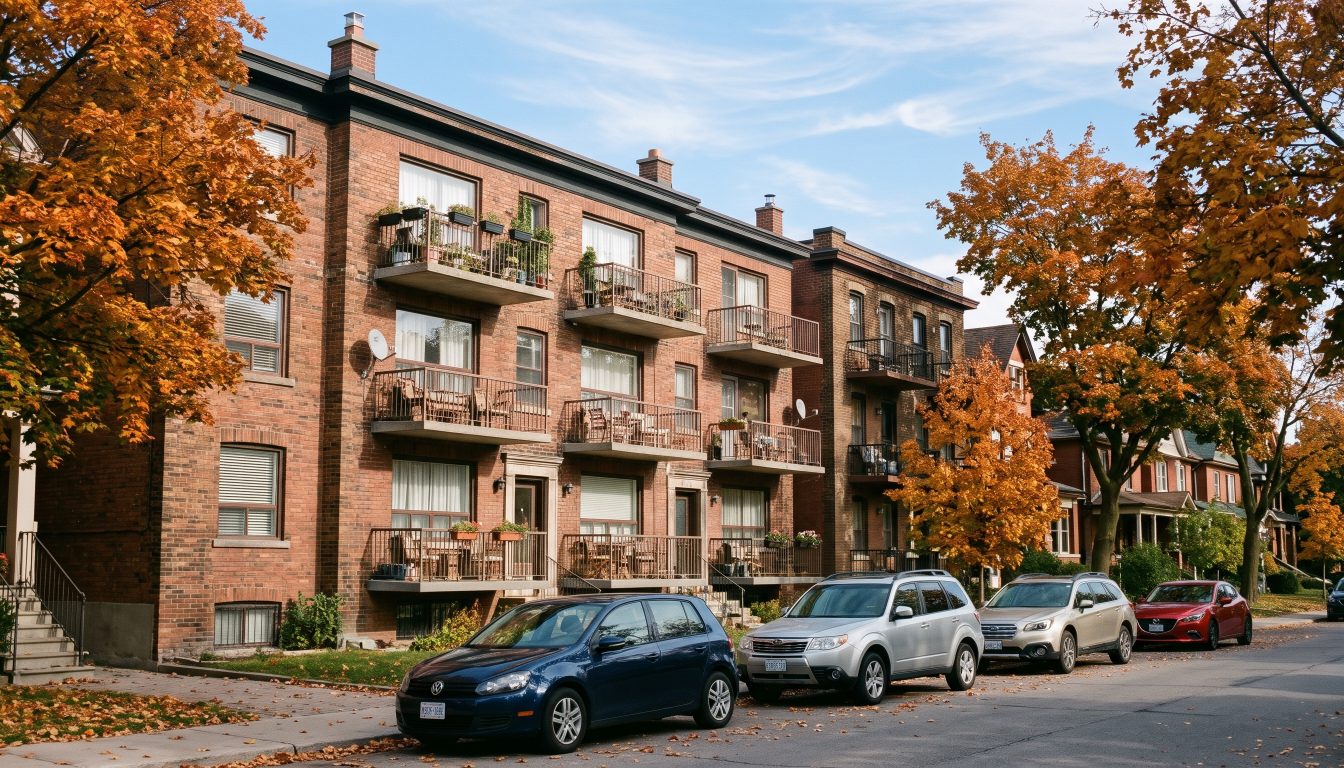
Generally no. In Ontario a landlord can raise rent only after 12 months have passed since you moved in or since your last increase, with at least 90 days’ written notice on the LTB form. On a one-year lease, that is the end of the term. The few mid-lease exceptions need your agreement or follow a fixed formula, like added parking.
This guide is for Ontario tenants who were told the rent is going up before their lease is over, and for landlords who want to know what they can change mid-term. You will get the timing rules from the Residential Tenancies Act, 2006 (RTA), the few rent changes that can lawfully happen during a lease, the ones that cannot, and how to get money back. It is general information as of November 2026. Confirm your own case with the Landlord and Tenant Board (LTB), a licensed paralegal or a lawyer.
Can a landlord increase rent in the middle of a lease in Ontario?
Generally, no. Section 110 of the RTA says a landlord cannot raise the rent except as the Act allows. The main rule has three parts:
- 12 months must pass since you moved in, or since your last increase (section 119).
- At least 90 days’ written notice on the LTB’s form must be given first (section 116). An increase without it is void.
- The guideline caps the amount for most units (section 120). The Ontario guideline is 1.9 per cent for increases that take effect in 2027.
On a standard one-year lease, the 12-month mark lands on the day the term ends. So a normal increase can never take effect partway through a one-year lease. A landlord who says “the rent goes up next month” four months into your lease is usually wrong.
There are a few narrow exceptions, covered below. Every one of them either needs your agreement, follows a set formula, or comes from an LTB order.
How does the 12-month rule work with different lease lengths?
The clock runs from your move-in date or your last increase, not from the lease paperwork. Here is how that plays out in 2027:
| Your situation | Earliest normal increase | Notice must be given by |
|---|---|---|
| One-year lease, moved in June 1, 2026 | June 1, 2027 | March 3, 2027 |
| Six-month lease, moved in September 1, 2026, now month to month | September 1, 2027 | June 3, 2027 |
| Month-to-month, last increase January 1, 2027 | January 1, 2028 | October 3, 2027 |
| Two-year lease, moved in May 1, 2026 | May 1, 2027 under the Act; check your lease | January 31, 2027 |
Source: Residential Tenancies Act, 2006, ss. 116 and 119; dates counted as 90 days before the increase date. Give extra time if the notice is mailed.
A short lease does not speed things up. A six-month lease still means 12 months before the first increase. The Ontario government’s own example uses a lease signed June 1, 2026, with the earliest increase on June 1, 2027.
A lease longer than a year is the one grey area. The RTA allows an increase once 12 months pass, but your lease may promise a fixed rent for the full term. If yours does, get advice before accepting a mid-term increase. My guide on whether a landlord can raise rent every year covers the yearly cycle in more depth.
What can a landlord not do to raise rent mid-lease?
These tactics come up often, and none are allowed:
- “Pay more or leave.” Section 23 bars a landlord from harassing, coercing or threatening a tenant. Pushing someone to move by harassment is an offence under section 233.
- New fees. Section 134 bans charging a tenant a fee, premium, commission or similar amount beyond lawful rent, with only a few exceptions such as an NSF charge of up to $20 or a refundable key deposit.
- Charging for what is already included. The Ontario government lists charging for air conditioning that is already included in the lease as an offence.
- Moving utilities onto you without consent. Shifting electricity or a share of utility costs to a tenant without their consent is an offence under section 234.
- A second increase within 12 months, or any increase without the LTB form. Section 116 makes it void.
Even the agreements described in the next section are void if you were pressured into them or misled, under section 124.
Instant Home Valuation
What’s your home
worth today?
Answer six quick questions and get an instant value range built from current Toronto & GTA sale data — property type, size, condition, lot and location all weighted the way a real pricing conversation weighs them. Takes about ninety seconds.
Reading recent GTA sale data…
Building your estimate
Estimated market value
—
$0–$0
Most likely value $0 · roughly $0 per square foot
What moved the number
Starting from the area baseline for your property type, here’s what each answer added or subtracted.
Market context
Recent local averages for comparison.
—
A range is a starting point.
A strategy is what sells.
This model doesn’t know that your neighbour’s identical semi went $80,000 over asking last month, or which two upgrades actually pay back in your area. That conversation is free and takes twenty minutes.
Which rent increases are allowed during a lease?
Only these, and each has limits.
You agree to add parking or another listed service
Section 123 lets rent go up at any time, outside the 12-month and 90-day rules, if you and the landlord agree to add a parking space or a service listed in Regulation 516/06. The list includes cable or satellite TV, an air conditioner, extra electricity for an air conditioner or an in-suite washer and dryer, block heater plug-ins, a locker or storage space, heat, electricity, water, and extra floor space. The increase cannot be more than the landlord’s actual cost, or a reasonable amount where there is no cost. If the service later stops, section 125 says the rent must come back down.
You install an air conditioner and the landlord pays for hydro
Since July 1, 2026, section 36.1 lets a tenant put in a window or portable air conditioner after telling the landlord in writing. If the landlord supplies electricity, the landlord can raise the rent by the actual cost of that power, or a reasonable estimate. The increase must come off when you stop using the unit for the season or remove it. It does not apply if your lease says you can run an air conditioner with no increase.
You sign an N10 for new capital work or a new service
Under section 121, you can agree in writing, on Form N10, to pay more in exchange for specific capital work or a new service. The increase cannot exceed the guideline plus 3 per cent of the previous rent. You can cancel in writing within five days of signing, and it cannot start sooner than six days after you sign. It replaces the 90-day notice, but it is still subject to the 12-month rule.
A discount you were given ends
The standard lease allows a rent discount, such as one for paying on time. The Ontario government’s lease guide says that when a discount ends, the tenant pays the full rent written in the lease. That is not a new increase, as long as the full amount was in the lease from the start.
An above-guideline increase approved by the LTB is not a mid-lease exception. It still needs 90 days’ notice and the 12-month gap. My guide to fighting an above-guideline increase explains that process.
Do the rules change for units that are exempt from rent control?
The amount changes, the timing does not. Units in a building first lived in after November 15, 2018 are generally exempt from the guideline. The LTB’s tenant brochure says those units can still only be increased once a year, though there is no cap on the amount. The landlord uses Form N2 instead of N1, and the 90-day notice still applies.
So even in a brand-new condo, a landlord cannot raise the rent halfway through your first year. Not sure which you have? My guide on whether a rental is rent-controlled shows how to check.
Can rent go down during a lease?
Yes, in a few situations:
- A service is removed. If the landlord stops providing parking or another listed service, section 125 requires a matching decrease.
- Property taxes fall. The City of Toronto says tenants get an automatic rent reduction when a landlord’s property taxes drop by more than 2.49 per cent from one year to the next. The City sends notices to landlords by September 15 and to tenants by December 15.
- Serious repair problems. Under section 30, the LTB can stop a landlord from giving or taking a rent increase until serious maintenance breaches are fixed.
What if you already paid an illegal mid-lease increase?
Start by writing to your landlord. Point out the date of your move-in or last increase, and ask for the extra amount back. Honest mistakes are common, especially with private condo landlords.
If that fails, you can apply to the LTB for an order that the landlord pay back money collected in breach of the Act, under section 135. The usual form is the T1. My T1 rent rebate guide walks through it. In Toronto, the City says its Tenant Support Program funds legal services from the Canadian Centre for Housing Rights for private-market tenants disputing above-guideline increase notices.
The clock is short. Section 136 says rent charged for a year without a challenge is generally deemed lawful. The Ontario government says you can dispute an increase at the LTB within 12 months after the amount was first charged. If you pay an improper increase for a full year and do nothing, you may lose the right to recover it.
Most mid-lease increase disputes I see start with a landlord who does not know the rules, not one who is trying to cheat. A condo owner’s costs go up with the October 2026 rate hike, and they ask the tenant for more right away. The fix is to wait for the anniversary, serve the N1 or N2 on time, and offer a fair deal on any added service, like a storage locker, in writing. Tenants: say no politely, cite the dates, and keep paying your current rent in full.
What to do next
- Write down your move-in date and the date of your last increase.
- Check any notice for the LTB form, 90 days’ notice and the 12-month gap.
- Only agree to a mid-lease change in writing, and only for something new you actually receive.
- If you paid an improper increase, act within 12 months.
- Confirm your own case with the LTB, a community legal clinic or a licensed paralegal.
Need help with this? Talk to me.
I’m Jatin Dua, Broker of Record at RE/MAX Quantum Realty, and I’m the best agent to do this kind of work for you in Toronto and across the GTA. Over $100 million in GTA sales and 100+ families helped sell. Feel free to contact me any time: call or text 833-330-1925 or email [email protected].
Frequently asked questions
Can a landlord increase rent mid lease in Ontario?
Generally no. Under Ontario’s Residential Tenancies Act, rent can only go up once 12 months have passed since move-in or the last increase, with at least 90 days’ written notice on the LTB form. On a one-year lease that means the end of the term. The narrow exceptions in 2026 are agreed add-ons like parking, an N10 agreement, or tenant air conditioning when the landlord pays hydro.
Can a landlord just increase rent in Ontario?
No. An Ontario landlord cannot simply announce a higher rent. They must give at least 90 days’ written notice on the LTB’s N1 or N2 form, wait 12 months since the last increase or move-in, and stay within the 1.9 per cent guideline for 2027 unless the unit is exempt or the LTB approves more. An increase without proper notice is void.
Can my landlord raise the rent after six months in Ontario?
No. In Ontario the 12-month rule runs from the day you moved in or your last increase, whatever your lease length. A six-month lease does not allow an increase at six months. The only mid-term changes are ones you agree to, like adding parking or storage, or the electricity cost of an air conditioner you install when the landlord pays hydro. This is the rule as of November 2026.
Can a landlord charge more for parking in the middle of a lease in Ontario?
Only if you agree to add a parking space. Section 123 of Ontario’s Residential Tenancies Act lets rent rise at any time for an added parking space or listed service, outside the 12-month and 90-day rules, but the increase is capped at the landlord’s actual cost or a reasonable amount. If the parking is later taken away, the rent must go back down. That is the position in Ontario as of November 2026.
Can my landlord raise rent for air conditioning in Ontario?
Sometimes, as of July 1, 2026. If you install a window or portable air conditioner and your Ontario landlord pays for electricity, the landlord can add the actual cost of that power, or a reasonable estimate, to your rent. The increase must come off when you remove the unit or stop using it for the season, unless your lease says no increase applies.
Can a landlord increase rent in the middle of a two-year lease in Ontario?
Possibly, but read your lease. Ontario’s Residential Tenancies Act allows an increase once 12 months have passed, with 90 days’ notice and the guideline cap. If your two-year lease promises a fixed rent for the whole term, that promise may matter. Get advice from the Landlord and Tenant Board or a licensed paralegal before agreeing to pay more. These rules are current as of November 2026.
Is a rent increase without an N1 form legal in Ontario?
No. Section 116 of Ontario’s Residential Tenancies Act says an increase is void unless the landlord gave at least 90 days’ written notice in the form the LTB approves. Most units use Form N1, and units exempt from the guideline use Form N2. A text message or email is not enough. The landlord must serve a proper new notice before taking any increase. This reflects Ontario law as of November 2026.
How do I get back an illegal rent increase in Ontario?
Ask your landlord in writing first, then apply to the Landlord and Tenant Board if needed. Section 135 of Ontario’s Residential Tenancies Act lets a tenant recover money collected in breach of the Act, usually on Form T1. Act fast: the Ontario government says you should dispute an increase within 12 months after it was first charged, or it may be deemed lawful. This is the rule as of November 2026.
Can rent go down in the middle of a lease in Toronto?
Yes, in some cases. In Toronto, tenants get an automatic rent reduction when a landlord’s property taxes fall by more than 2.49 per cent in a year, with City notices sent by December 15. Rent must also drop if a landlord removes parking or another listed service, and the LTB can freeze increases for serious maintenance breaches. That is the position in Ontario as of November 2026.
Sources
- Residential Tenancies Act, 2006 (e-Laws, consolidated from September 21, 2026)
- Government of Ontario: Residential rent increases
- Government of Ontario: Renting in Ontario – your rights
- Government of Ontario: Guide to Ontario’s standard lease
- O. Reg. 516/06 under the Residential Tenancies Act
- City of Toronto: Renter Rights & Landlord Information
- Government of Ontario: Rental housing offences
- LTB brochure: Information for New Tenants
Related reading
- Can My Landlord Enter Without Notice in Ontario?
- Can a Landlord Evict You Without Going to the LTB in Ontario?
- Can My Landlord Raise the Rent Every Year in Ontario? 2027 Rules
- Can a Landlord Put Security Cameras in or Outside a Rental in Ontario?
About the author — Jatin Dua, Toronto and GTA real estate broker
I am Jatin Dua, Broker of Record and co-founder of RE/MAX Quantum Realty Inc., Brokerage, Unit 101, 799 The Queensway, Toronto. I work with buyers and sellers across Toronto and the GTA and have helped more than 100 families sell. Four-plus years of active GTA transactions and over $100 million in sales volume.
Reach me at [email protected] or 833-330-1925, or book a call.