
Published 2 November 2026 · By Jatin Dua, Broker of Record, RE/MAX Quantum Realty
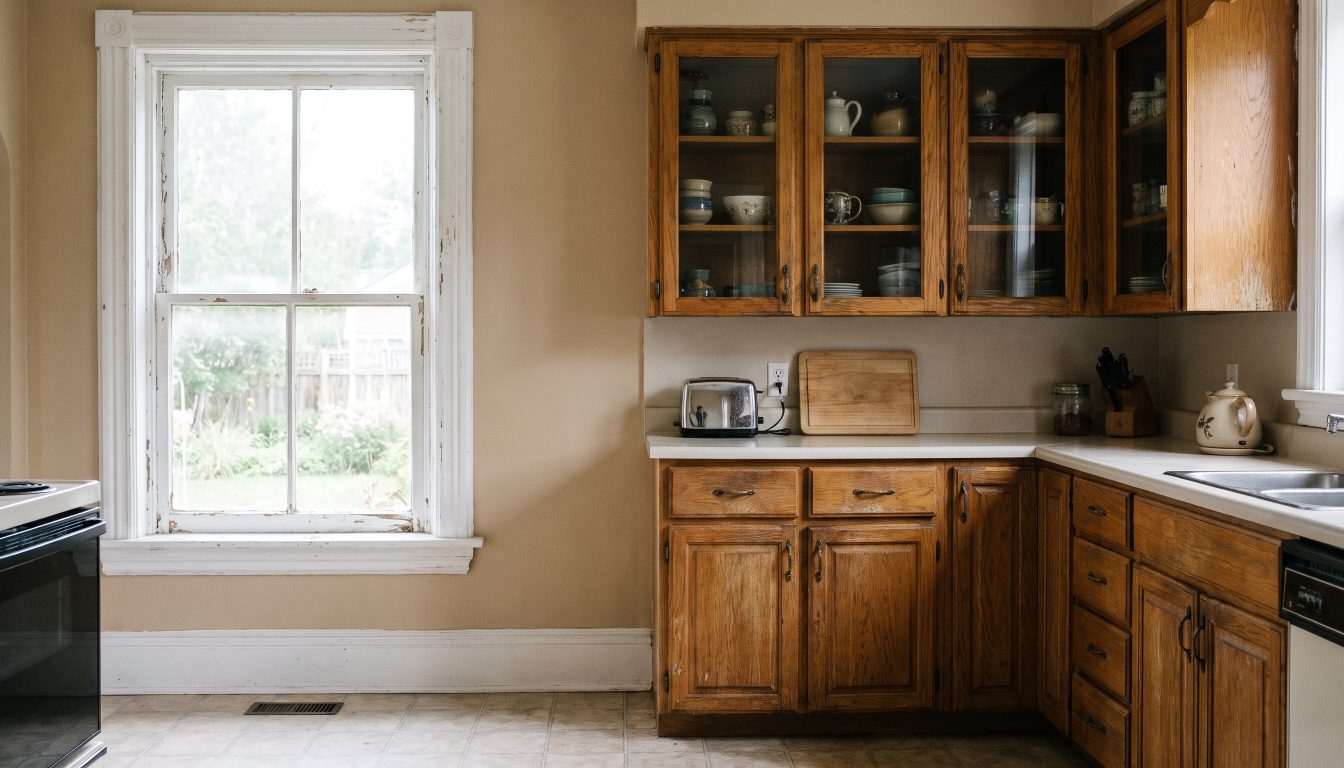
Skip big renovations, dated but working finishes and old systems that still work; buyers rarely pay back their full cost. Do fix cheap, visible items and anything unsafe, including missing smoke and carbon monoxide alarms. In Ontario you must disclose known latent defects, so deal honestly with leaks, wiring and unpermitted work.
This guide is for Ontario homeowners getting ready to sell in 2027 who are staring at a long repair list and a limited budget. You will learn which jobs you can safely skip, which few repairs are worth the money, and which problems you cannot ignore because of disclosure rules, safety laws or a buyer’s insurer.
What should you not fix when selling a house in Ontario?
As a rule, skip anything that is expensive, slow, or a matter of taste. Buyers in 2027 will judge your home mainly on price, location and condition, and most will change finishes to suit themselves anyway.
- Full kitchen or bathroom renovations. They take weeks and you rarely get the full cost back at sale.
- Dated but working finishes. Oak cabinets, older tile or a 2000s vanity that works fine can stay.
- Minor wear that buyers expect. Small floor scratches, worn but clean carpet, or hairline cracks in old plaster.
- Old but working systems. A furnace or roof near the end of its life but still working is usually better priced in than replaced.
- Landscaping projects. New patios, pools or major garden work rarely pay back before a sale.
- Anything that needs a permit and will not finish before you list. Half-done work is worse than no work.
Why don’t big renovations pay off before a sale in 2027?
Three reasons. First, prices have been falling, so you are adding cost into a market where buyers have choice. From January to October 2026, median detached prices fell 8.9% in Brampton, 6.5% in Markham and 5.8% in Mississauga compared with the same months of 2025, and condo apartment medians fell even more in many cities, according to TRREB MLS data via REALM.
Second, buyers pay for what they see as their own taste, not yours. A new kitchen in a colour they dislike is still a kitchen they may redo.
Third, time costs money. Every month of renovation means more mortgage interest, property tax, insurance and utilities, and you may miss the spring market. For a detailed cost-versus-return breakdown, see my renovation ROI guide for GTA sellers.
Which small fixes are worth doing before you list?
Do the cheap, visible repairs that make a buyer think “this home was looked after”. These are usually small jobs a handyperson can do in days, and they remove easy reasons for a low offer.
- Fresh, neutral paint in the main living areas and anywhere with marks or old patches.
- Leaking taps, running toilets, loose handles, sticky doors and burnt-out bulbs.
- Fresh caulking around tubs, showers and sinks.
- Broken window panes, torn screens and damaged storm doors.
- A clean, tidy front entrance, cut lawn and clear gutters.
My guide on what adds value before selling in the GTA covers the bigger items in more detail.
What must you fix or disclose before selling in Ontario?
There is no general law that forces you to repair your home before selling. But some things you must tell buyers about, and some safety rules apply to you as the owner right now.
Latent defects must be disclosed
RECO explains that Canadian case law splits defects into two kinds. A patent defect is one a buyer or inspector could find with reasonable care, and you generally do not have to point it out. A latent defect is hidden and makes the home dangerous, potentially dangerous or unfit to live in. You must disclose latent defects you know about. Hiding or covering up a defect, such as painting over a water stain, adds to your legal risk. My post on latent and patent defects goes deeper, and you should get a lawyer’s opinion if you are unsure.
Smoke and carbon monoxide alarms are the law
Every Ontario home must have a working smoke alarm on every storey and outside all sleeping areas. Since 1 January 2026, homes with a fuel-burning appliance, a fireplace or an attached garage also need a carbon monoxide alarm on every storey, as well as next to each sleeping area. This is one of the cheapest fixes on your list, and buyers’ inspectors check it.
Instant Home Valuation
What’s your home
worth today?
Answer six quick questions and get an instant value range built from current Toronto & GTA sale data — property type, size, condition, lot and location all weighted the way a real pricing conversation weighs them. Takes about ninety seconds.
Reading recent GTA sale data…
Building your estimate
Estimated market value
—
$0–$0
Most likely value $0 · roughly $0 per square foot
What moved the number
Starting from the area baseline for your property type, here’s what each answer added or subtracted.
Market context
Recent local averages for comparison.
—
A range is a starting point.
A strategy is what sells.
This model doesn’t know that your neighbour’s identical semi went $80,000 over asking last month, or which two upgrades actually pay back in your area. That conversation is free and takes twenty minutes.
Does unpermitted work or old wiring have to be fixed before you sell?
Not always fixed, but it must be dealt with honestly, because buyers, their lawyers and their insurers will ask.
Building permits
The City of Toronto says a permit is needed for work such as adding or removing walls, finishing a basement with structural, heating or plumbing changes, building a deck more than 60 cm above ground, and installing or changing plumbing or heating. Replacing roofing with no structural work, waterproofing a basement and installing a sump pump do not need one. The City also warns that work done without a permit can lead to legal action or removal of the work. Other GTA cities have their own building departments, so check with yours.
Electrical work and knob-and-tube wiring
The Electrical Safety Authority (ESA) says electrical work in Ontario homes needs a notification of work, and finished work gets a Certificate of Acceptance that buyers and insurers may ask for. ESA also says an open notification can pass responsibility for defects to the new owner, so buyers’ lawyers may ask for a search of records. If your home has knob-and-tube wiring, ESA notes that many insurers will not cover or renew such homes, and some require it to be replaced first. That makes it a sale issue even if the wiring is working.
| Item | Usually fix | Usually skip, price it in | Must disclose if you know |
|---|---|---|---|
| Missing smoke or CO alarms | Yes, it is the law | No | Not applicable once fixed |
| Active roof or basement leak | Yes, or get quotes | Only with clear disclosure | Yes, if hidden and serious |
| Knob-and-tube wiring | Get a licensed electrician’s assessment | Possible, but insurance may limit buyers | Be honest when asked |
| Unpermitted basement or addition | Talk to the city and a lawyer first | Possible, with a price adjustment | Be honest when asked |
| Dated kitchen or bathroom | No | Yes | No |
| Worn floors, older paint | Paint, yes; floors, usually no | Floors, yes | No |
Source: RECO Bulletin 7.4; Electrical Safety Authority; City of Toronto Building; Ontario Fire Code alarm rules. A general guide, not legal advice.
Should you fix basement water problems before selling in Toronto?
If water is actively getting in, deal with it or get written quotes, and never hide it. A known, serious leak can be a latent defect. For flood protection, Toronto now helps pay for some of the work. Since 1 May 2026, owners of single homes up to fourplexes can apply for subsidies on eligible work done on or after 12 November 2025.
| Eligible work (City of Toronto) | Subsidy | Maximum |
|---|---|---|
| Backwater valve | Up to 80% of invoiced cost | $1,600 per device, up to 2 devices |
| Sump pump | Up to 80% of invoiced cost | $2,250, 1 device |
| Battery backup for sump pump | Up to 80% of invoiced cost | $300 |
| Home plumbing assessment | Up to 80% of invoiced cost | $500, one time |
| Capping the weeping tile sewer connection | Up to 80% of invoiced cost | $400 |
| Total per property | All eligible work combined | $6,650 |
Source: City of Toronto, Basement Flooding Protection Subsidy Program, checked November 2026. Conditions apply, including licensed contractors and an inspection.
A backwater valve with City paperwork is a tidy answer when a buyer asks about flooding. It will not suit every seller’s timeline, because the City requires an inspection before the valve is covered.
Should you fix what a home inspection will find?
Sometimes it is smarter to find out first and then decide. A pre-listing inspection shows you what a buyer’s inspector will likely flag. You can then fix the cheap items, get written quotes for the big ones, and price the home with those quotes in mind. Buyers tend to react better to a known problem with a quote than to a surprise found during a conditional period. If issues come up after an offer, here is how negotiation after an inspection works.
If you plan to share any information statement about the home with buyers, RECO says your agent must tell every interested buyer it exists and give a copy on request. Fill it in carefully and only with what you actually know.
Do not cover up a problem to get through showings. Fresh paint over a ceiling stain, carpet over a damaged floor or a dehumidifier hiding a wet basement can turn a price discussion into a lawsuit after closing. RECO notes a seller can still be liable for a latent defect they were wilfully blind to.
My rule for clients is simple: fix what is cheap and visible, fix what is unsafe, disclose what is hidden and serious, and price in the rest. A buyer who sees a clean, honest home with quotes on the table usually negotiates less than one who finds surprises. If you want to skip repairs entirely, selling as is can work, as long as the price reflects it.
What to do next
- Walk through your home with a notepad and split every item into fix, skip or disclose.
- Install or test smoke and carbon monoxide alarms on every storey today.
- Gather permits, ESA certificates and receipts for any past work.
- Get written quotes for big items such as a roof, wiring or foundation work, instead of doing them.
- Get a value range from the estimator on this page, then decide which fixes actually change your net result.
Need help with this? Talk to me.
I’m Jatin Dua, Broker of Record at RE/MAX Quantum Realty, and I’m the best agent to do this kind of work for you in Toronto and across the GTA. Over $100 million in GTA sales and 100+ families helped sell. Feel free to contact me any time: call or text 833-330-1925 or email [email protected].
Frequently asked questions
What should you not fix when selling a house?
Skip big renovations, dated but working finishes, minor wear and old systems that still work. In Ontario in 2026 and 2027, buyers mostly change kitchens and bathrooms to their own taste, so you rarely get the full cost back. Spend instead on cheap, visible fixes like paint, leaking taps and caulking, and on anything unsafe, such as missing smoke or carbon monoxide alarms.
Do I have to fix anything before selling my house in Ontario?
No general law forces a seller to make repairs before selling in Ontario. You must, however, disclose known latent defects, meaning hidden problems that make the home dangerous or unfit to live in. Owners must also keep working smoke alarms on every storey and, since January 2026, carbon monoxide alarms on every storey where the home has fuel-burning appliances, a fireplace or an attached garage.
Do I have to disclose defects when selling a house in Ontario?
Yes, for latent defects you know about. RECO explains that, under Canadian case law, sellers must disclose hidden defects that make a home dangerous, potentially dangerous or unfit for habitation. Patent defects, which a buyer could find with reasonable inspection, generally do not need to be pointed out, but you must not conceal them. Get a lawyer’s opinion if you are unsure.
Is it worth renovating the kitchen before selling a house?
Usually not. A full kitchen renovation takes weeks and rarely returns its full cost at sale, because many buyers want to choose their own finishes. In the GTA, median detached prices fell in most cities from January to October 2026. Cleaning, painting and fixing broken hardware is a better use of money before listing.
Do I need to replace knob and tube wiring before selling in Ontario?
No law requires you to replace it, but it can limit your buyers. The Electrical Safety Authority says many insurers will not cover or renew homes with knob-and-tube wiring, and some require replacement first. ESA recommends an assessment by a licensed electrical contractor. Having that report ready, and a quote for replacement, helps buyers and their lenders decide.
Can I sell a house with unpermitted work in Ontario?
Yes, you can sell it, but be honest when asked and expect a price discussion. In Toronto, permits are needed for work such as removing walls, building decks over 60 cm high, and changing plumbing or heating. The City warns that unpermitted work can lead to legal action or removal of the work. Speak with your city’s building department and a lawyer before listing.
Should I fix the roof before selling my house?
Fix it if it leaks, because an active leak can damage the home and may be a defect you must disclose. If the roof is old but not leaking, getting a written replacement quote and pricing it in is often smarter than replacing it. In Toronto, replacing roofing with no structural work does not need a building permit.
Does Toronto pay for a backwater valve before I sell?
Yes, through a subsidy. Toronto’s Basement Flooding Protection Subsidy pays up to 80% of the invoiced cost of a backwater valve, to a maximum of $1,600 per device for up to two devices, on eligible work done on or after 12 November 2025. The total for all eligible work is up to $6,650 per property, and conditions apply, including an inspection.
Should I get a pre-listing home inspection in Ontario?
It often helps, especially for older homes. A pre-listing inspection shows you what a buyer’s inspector will likely find, so you can fix cheap items, get quotes for big ones and price accordingly. That reduces surprises during a buyer’s conditional period in 2027. Remember that anything you learn about a serious hidden defect becomes something you know, and may need to disclose.
Sources
- RECO Bulletin 7.4: Facts a seller has a legal obligation to disclose
- RECO: Property information statements
- Electrical Safety Authority: Knob and tube wiring
- Electrical Safety Authority: Information for real estate agents
- City of Toronto: When do I need a building permit?
- City of Toronto: Basement Flooding Protection Subsidy Program
- Government of Ontario: Carbon monoxide alarm requirements for existing homes (December 2025)
- Town of Oakville: Detect fires and carbon monoxide
Related reading
- Seller Closing Costs in Ontario for 2027: Every Fee Before You Get Paid
- How to Sell a House in Toronto, Step by Step (2027)
- Closing Costs on a New Build in Ontario: What Builders Add
- How Much Is My House Worth in Caledon? (2027)
About the author — Jatin Dua, Toronto and GTA real estate broker
I am Jatin Dua, Broker of Record and co-founder of RE/MAX Quantum Realty Inc., Brokerage, Unit 101, 799 The Queensway, Toronto. I work with buyers and sellers across Toronto and the GTA and have helped more than 100 families sell. Four-plus years of active GTA transactions and over $100 million in sales volume.
Reach me at [email protected] or 833-330-1925, or book a call.