
Published 2 November 2026 · By Jatin Dua, Broker of Record, RE/MAX Quantum Realty
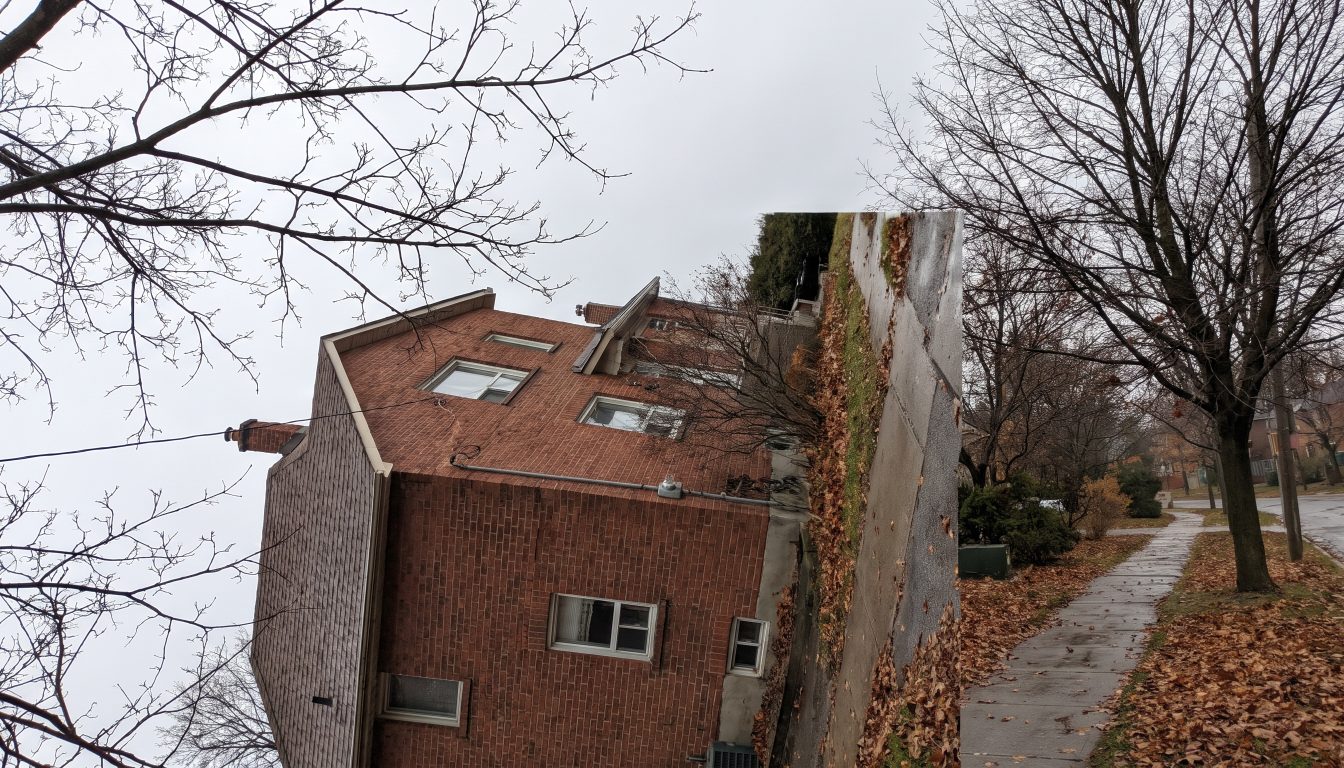
Most GTA homes that do not sell are priced off 2024 or 2025 sales, while detached medians in parts of Peel and York fell 11% to 16% since 2024. The other common reasons are heavy competition (4.6 months of inventory in October 2026), weak photos or condition, hard showings or rigid terms, and condo-specific issues like fees.
This is for GTA owners whose home has been listed for weeks with few showings, no offers or an expired listing, and for anyone about to list who wants to avoid that. You get the five reasons I see most often in 2026 data, how to tell which one is yours, and what to change before you relist in 2027.
Why are GTA homes taking longer to sell going into 2027?
Because buyers have more time and more choice than they did two years ago. TRREB reported 5,603 GTA sales in October 2026, down 7.9% from October 2025. The average price was $1,024,108, down 2.7%, and the MLS Home Price Index composite benchmark was down 4.3%. TRREB’s chief information officer said buyers had “substantial negotiating power on price” over the past year.
Selling time has stretched for every type of home. Here is the trend across the GTA municipalities and Toronto districts in my REALM data set.
| Home type | Avg days on market, Jan–Oct 2024 | 2025 | 2026 |
|---|---|---|---|
| Detached | 22 | 27 | 30 |
| Semi-detached | 18 | 22 | 24 |
| Freehold townhouse | 20 | 26 | 28 |
| Condo townhouse | 26 | 32 | 38 |
| Condo apartment | 31 | 37 | 40 |
Source: TRREB MLS data via REALM, January–October of each year. My sales-weighted average of the average days on market across 62 municipalities and Toronto districts (Toronto W01–W10, C01–C15, E01–E11 plus GTA municipalities).
These are homes that sold. Homes that never sold are not in these averages at all, which is why a slow listing can feel much worse than the numbers suggest. I explain that gap in what the days-on-market number hides.
1. The price is based on 2024 or 2025, not on today
This is the most common reason by far. A seller remembers what a neighbour got two years ago, or what an online estimate said, and lists there. But detached prices have fallen in most of the GTA since then.
| Detached, Jan–Oct | 2024 median | 2026 median | Change since 2024 | 2026 avg days on market |
|---|---|---|---|---|
| Brampton | $1,127,250 | $950,000 | −15.7% | 30 |
| Richmond Hill | $1,774,400 | $1,485,000 | −16.3% | 31 |
| Markham | $1,650,000 | $1,420,000 | −13.9% | 29 |
| Vaughan | $1,590,000 | $1,415,000 | −11.0% | 30 |
| Mississauga | $1,371,085 | $1,225,000 | −10.7% | 31 |
| Oakville | $1,763,000 | $1,625,000 | −7.8% | 33 |
| Toronto W08 (central Etobicoke) | $1,590,000 | $1,540,000 | −3.1% | 24 |
| Toronto E03 (mainly East York) | $1,188,000 | $1,195,000 | +0.6% | 24 |
Source: TRREB MLS data via REALM, January–October 2026 vs the same period of 2024. Median sold prices and average days on market for detached homes, by municipality or Toronto district. District figures are not neighbourhood figures.
Notice the spread. Some Toronto districts held their value, while parts of Peel and York fell 11% to 16% in two years. A price that would have been fair in 2024 can be well above the market today. Buyers see that in the first week, and they simply book showings elsewhere.
How to tell if price is your problem
- You get showings but no offers, or buyers say they like the home but not the price.
- Similar homes nearby sold in the last 60 to 90 days for less than your asking price.
- Your comparables are from 2024 or early 2025.
My step-by-step method for pricing your home to sell starts with the newest sales, not the best ones.
2. Buyers have more choice than they have had in years
At the end of October 2026 there were 25,098 active listings across TRREB’s area. That was 10% fewer than a year earlier, but still a lot of choice for buyers who are taking their time. TRREB’s months of inventory, a 12-month moving average of active listings divided by sales, stood at 4.6. In plain terms, at the recent pace it would take more than four and a half months to sell everything on the market.
TRREB’s sales-to-new-listings ratio, also a 12-month moving average, was 37.9%. Roughly speaking, fewer than four sales for every ten new listings. When buyers have that much to compare, a home that is a little overpriced, a little tired or a little hard to see gets skipped.
Competition is heavier in some segments. In October alone, my rough count from TRREB’s figures is about 4.4 months of detached supply (11,721 active, 2,693 sales) and about 5.8 months of condo apartment supply (8,100 active, 1,385 sales).
Instant Home Valuation
What’s your home
worth today?
Answer six quick questions and get an instant value range built from current Toronto & GTA sale data — property type, size, condition, lot and location all weighted the way a real pricing conversation weighs them. Takes about ninety seconds.
Reading recent GTA sale data…
Building your estimate
Estimated market value
—
$0–$0
Most likely value $0 · roughly $0 per square foot
What moved the number
Starting from the area baseline for your property type, here’s what each answer added or subtracted.
Market context
Recent local averages for comparison.
—
A range is a starting point.
A strategy is what sells.
This model doesn’t know that your neighbour’s identical semi went $80,000 over asking last month, or which two upgrades actually pay back in your area. That conversation is free and takes twenty minutes.
3. The home does not stand out online or in person
Most buyers decide whether to visit from the photos. If the first five photos are dark, cluttered or taken on a phone, many buyers never book. Then the ones who do visit compare your home with the freshly painted, staged house down the street at a similar price.
What I look at when a listing stalls:
- Photos and video: bright, wide, level shots, with the best room first. My guide to listing photos and video that sell covers what matters.
- Condition: small fixes, such as paint, lights, caulking and a clean furnace room, remove reasons to negotiate.
- Smells and clutter: pets, cooking, and full closets make rooms feel smaller.
- The description: it should answer the questions buyers ask, such as parking, upgrades with dates, and what stays with the home.
If showings are steady but feedback keeps mentioning the same issue, fix that issue before cutting the price. If feedback is vague, the price is usually the issue.
4. Buyers cannot see it easily, or the terms do not work for them
A home that is hard to show loses buyers. Common problems are short showing windows, last-minute cancellations, and tenants who are not on side.
If the home is tenanted, the Residential Tenancies Act lets the landlord, or a registered salesperson with the landlord’s written authorization, enter to show it to a potential buyer with at least 24 hours’ written notice. The notice must give the reason, the day, and a time between 8 a.m. and 8 p.m. Tenants keep their rights during a sale, so plan showings with them, not around them. My guide on selling a tenanted property in Toronto covers how to do this well.
Terms matter too. Most buyers need a mortgage, and federally regulated lenders qualify uninsured borrowers at the higher of 5.25% or their contract rate plus 2 points. After the Bank of Canada raised its policy rate to 2.50% on 28 October 2026, some buyers need a financing condition, a longer closing or a lower price to make the numbers work. A seller who refuses all conditions in a slow market narrows the buyer pool. I go deeper on this in the mistakes sellers make when rates are rising.
5. Condo fees, building issues and look-alike units hold condos back
Condo apartments are the slowest segment in the GTA. In my REALM data set, they averaged 40 days on market from January to October 2026, against 30 for detached homes. Medians fell again in 2026: down 6.6% in downtown Toronto (C01), 9.3% in Mississauga, 10.9% in Vaughan and 13.2% in Markham compared with the same months of 2025.
A condo seller often competes with many similar units in the same building or the next tower. Buyers then pick on details that do not matter as much for a house:
- Monthly fees: high fees reduce how much a buyer can borrow. See whether high maintenance fees lower your condo’s value.
- The status certificate: a thin reserve fund, a special assessment or a lawsuit can scare buyers off.
- Layout and parking: small one-bedrooms without parking or a locker face the most competition.
If your unit is one of several identical listings, price and presentation have to beat the others, not just match them.
What happens when your listing expires in Ontario?
Your listing agreement is a contract with the brokerage, not just the agent. The Real Estate Council of Ontario (RECO) says there is no set or standard length for these agreements and the expiry date must appear prominently on the first page. When it expires, you can relist with the same brokerage on new terms, move to a different one, or wait.
Check the holdover clause before you do anything. RECO warns that a holdover clause can mean you owe a fee even after the agreement expires, and that there is no minimum or set time for a holdover period. Read the length and the conditions in your own agreement.
Relisting resets the listing’s day count, but buyers’ agents can usually see the history. TRREB’s figures show the gap: in October 2026 the average sold listing had been on the market 31 days, while the average property had been on the market 49 days once earlier listings of the same home were counted under TRREB’s definition. A relist with the same price and photos rarely changes the result.
When a client calls me about a listing that did not sell, I check the reasons in this order: price against the last 90 days of sales, active competition that week, photos and condition, access and terms, then building issues for condos. In most cases it is the first one, with one or two of the others making it worse. I would rather relist once with a fresh price, new photos and easy showings than make three small price cuts over three months. Each cut tells buyers to keep waiting.
Do not sign a new listing agreement with another brokerage before your current one has ended and you understand its holdover clause. If a buyer who saw the home during the first listing buys later, you could face a dispute over who is owed a fee. Ask a lawyer if you are unsure.
What to do next
- Pull every comparable sale from the last 90 days and every active listing you compete with this week.
- Read all showing feedback and sort it into price, condition, access and building issues.
- Fix the top issue first: new price, new photos, repairs, or easier showing times.
- Read your listing agreement for the expiry date, holdover clause and termination terms.
- Get an updated estimate from the home value tool on this page before you relist.
Need help with this? Talk to me.
I’m Jatin Dua, Broker of Record at RE/MAX Quantum Realty, and I’m the best agent to do this kind of work for you in Toronto and across the GTA. Over $100 million in GTA sales and 100+ families helped sell. Feel free to contact me any time: call or text 833-330-1925 or email [email protected].
Frequently asked questions
Why is my house not selling in the GTA?
Price is the most common reason. Many GTA sellers still list off 2024 or 2025 sales, but detached medians fell about 11% to 16% in Brampton, Markham, Vaughan and Richmond Hill between 2024 and 2026. The other usual reasons are heavy competition, weak photos or condition, hard showings or rigid terms, and, for condos, high fees or building issues. Check showing feedback to find yours.
How long does it take to sell a house in the GTA in 2026?
About a month on average for homes that sell. TRREB reported an average of 31 listing days on market in October 2026, and 49 days when earlier listings of the same property are counted. Detached homes averaged about 30 days from January to October 2026 in my REALM data set, while condo apartments averaged about 40 days.
What should I do if my house is not selling?
Find the cause before you cut the price. Compare your price with GTA sales from the last 90 days, read every showing comment, check your photos and condition, and make showings easy. If buyers like the home but not the price, adjust once and clearly. In 2026 TRREB data, sold homes went for about 97% of list price on average.
What happens when a listing expires in Ontario?
The listing agreement with the brokerage ends on its expiry date, and you can relist, switch brokerages or wait. RECO says there is no standard length for these agreements in Ontario, and that a holdover clause can still require you to pay a fee if the home sells after expiry. Read the holdover terms before you sign anything new.
What is a holdover clause in Ontario real estate?
It is a term in a listing agreement that can require you to pay the brokerage’s fee if your home sells after the agreement expires, usually to a buyer connected to the listing period. RECO says there is no minimum or set length for a holdover period in Ontario, so the number of days is whatever your agreement says. Negotiate it before you sign.
Should I lower my price or take my house off the market?
Lower it if the feedback points to price and you still need to sell; take a break if your plans have changed. In the GTA in 2026, one clear price change usually works better than several small cuts. Taking the home off the market and relisting with the same price and photos rarely changes the result, because buyers’ agents can usually see the history.
How much below asking are GTA homes selling for in 2026?
On average, about 3% below. TRREB reported an average sale-to-list price ratio of 97% across the GTA in October 2026, and 98% for January to October 2026. Semi-detached homes were the exception in October at 101%. These are averages for homes that sold, so an overpriced listing that sits may end up much further below its first asking price.
Do tenants have to allow showings when a house is for sale in Ontario?
Yes, with proper notice. Under Ontario’s Residential Tenancies Act, a landlord, or a registered salesperson with the landlord’s written authorization, can enter to show a rental unit to a potential buyer with at least 24 hours’ written notice. The notice must state the reason, the day and a time between 8 a.m. and 8 p.m. Tenants keep their other rights during the sale.
Why are condos taking longer to sell than houses in the GTA?
Because condo buyers have more similar units to choose from and more reasons to pass. In my REALM data set, GTA condo apartments averaged about 40 days on market from January to October 2026, against about 30 for detached homes, and medians fell again in most areas. High fees, special assessments and small units without parking face the most competition.
Sources
- TRREB Market Watch, October 2026
- TRREB news release, October 2026 market results (4 November 2026)
- RECO – Signing a contract with a real estate brokerage
- Residential Tenancies Act, 2006 (e-Laws)
- OSFI – Minimum qualifying rate for uninsured mortgages
- Bank of Canada – Policy rate announcement, 28 October 2026
Related reading
- Top 5 Best Neighbourhoods to Live in Mississauga in 2027
- Top 5 Best Neighbourhoods to Live in Brampton in 2027
- Top 5 Best Neighbourhoods to Live in Markham in 2027
- Top 5 Best Neighbourhoods to Live in Oakville in 2027
About the author — Jatin Dua, Toronto and GTA real estate broker
I am Jatin Dua, Broker of Record and co-founder of RE/MAX Quantum Realty Inc., Brokerage, Unit 101, 799 The Queensway, Toronto. I work with buyers and sellers across Toronto and the GTA and have helped more than 100 families sell. Four-plus years of active GTA transactions and over $100 million in sales volume.
Reach me at [email protected] or 833-330-1925, or book a call.