
Published 2 November 2026 · By Jatin Dua, Broker of Record, RE/MAX Quantum Realty
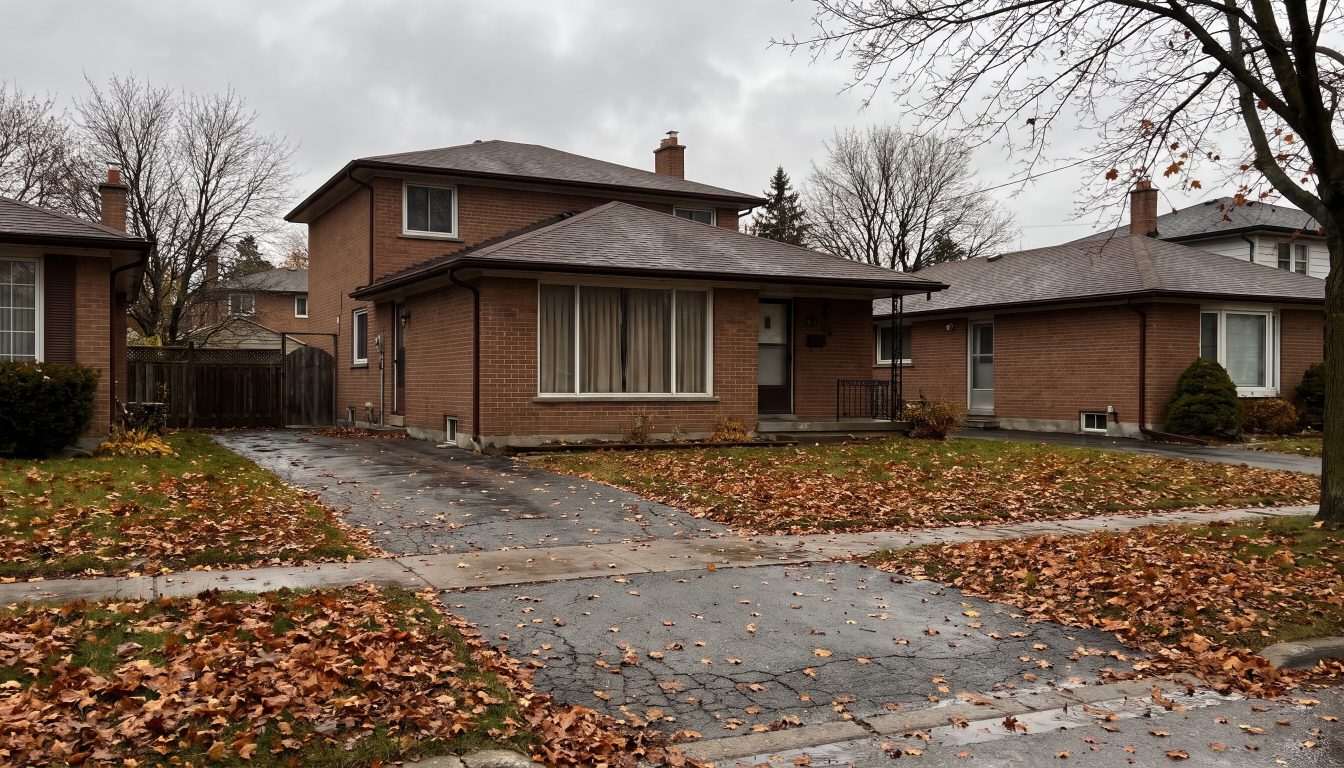
If a buyer lets a condition expire, the Ontario deal ends and the deposit normally goes back. If the deal is firm and the buyer refuses to close, they are in breach: the seller can withhold consent to release the deposit, relist and sue for the price difference plus carrying costs, minus the deposit. Talk to a lawyer before signing anything.
This guide is for Ontario sellers whose buyer has just said they want out, whether during a condition period, weeks before closing, or on closing day itself. You will learn which situations let a buyer walk away legally, what happens to the deposit, what a court has awarded a seller, and the steps that protect you while you decide what to do.
Can a buyer back out of an accepted offer in Ontario?
It depends on whether the deal is conditional or firm.
- Conditional deal. If the agreement includes a condition for the buyer’s benefit, such as financing or a home inspection, and the buyer does not waive or fulfil it in writing by the deadline, the deal ends. The standard condition wording used in Ontario says the offer becomes null and void and the deposit is returned to the buyer in full without deduction. That is not a breach. It is the deal working as written.
- Firm deal. Once all conditions are waived or fulfilled, the agreement is binding. A buyer who refuses to close is in breach of contract, whatever the reason: a lower appraisal, a lost job, cold feet or a better house down the street.
My earlier guide on whether a buyer can back out of an accepted offer covers the buyer’s side. This one is for you, the seller.
What should a seller do in the first 48 hours?
The first two days shape everything that follows. Do these in order:
- Get it in writing. A phone call from the buyer’s agent is not enough. Ask for a written statement of what the buyer intends to do.
- Check the dates. Is a condition still open? If so, the buyer may be entitled to let it expire. If the deal is firm, note the closing date and time.
- Call your real estate lawyer. If closing is close, your lawyer may need to be ready to show you were able and willing to close on the day.
- Do not sign a mutual release yet. A release usually ends both sides’ rights and tells the brokerage how to pay out the deposit. Once signed, you may have given up your claim.
- Keep a record. Start a log of every cost you carry from the original closing date: mortgage interest, property tax, utilities, insurance and any extra rent or bridge financing.
What happens to the deposit when a buyer walks away?
The deposit does not move automatically to either side. In most resale deals it sits in the listing brokerage’s trust account. Under section 27 of the Trust in Real Estate Services Act, 2002, a brokerage must keep trust money separate and pay it out only in accordance with the terms of the trust, which come from your agreement. RECO’s guidance to brokerages is to release a disputed deposit when both sides sign a mutual release or a court orders it. If entitlement is still unresolved after two years, section 27(4) requires the brokerage to pay it to RECO as the administrative authority.
In practice that gives the seller leverage. A buyer who wants their deposit back needs your signature or a court order. My guide on what happens when your buyer did not close goes deeper into the trust rules and the published numbers on stuck deposits.
Can I sue a buyer who refuses to close?
Yes. A seller can sue for damages, and the deposit is not the ceiling. The usual measure is the difference between the price the buyer agreed to and what the home later sells for, plus reasonable carrying costs, with the deposit credited against the total.
A 2022 Ontario Court of Appeal decision, Rosehaven Homes Limited v. Aluko, shows how this works. It involved a new home from a builder, but the damages arithmetic is the part sellers ask about.
| Item | Amount |
|---|---|
| Agreed purchase price | $1,523,162 |
| Resale price about seven months later | $1,060,000 |
| Price difference | $463,162 |
| Carrying costs added | $5,483.67 |
| Less deposits and upgrade payments credited | -$136,723.40 |
| Judgment for the seller | $331,922.27 |
Source: Law Times report on Rosehaven Homes Limited v. Aluko, 2022 ONCA 817. Damages turn on each case’s facts; this is an example, not a formula.
The buyers argued the seller had not done enough to limit its loss. The Court of Appeal accepted the trial judge’s finding that the arm’s-length resale price was reasonable, based on the evidence. That is why your record of the resale process matters: it is your proof that you tried to get the best price you reasonably could.
Instant Home Valuation
What’s your home
worth today?
Answer six quick questions and get an instant value range built from current Toronto & GTA sale data — property type, size, condition, lot and location all weighted the way a real pricing conversation weighs them. Takes about ninety seconds.
Reading recent GTA sale data…
Building your estimate
Estimated market value
—
$0–$0
Most likely value $0 · roughly $0 per square foot
What moved the number
Starting from the area baseline for your property type, here’s what each answer added or subtracted.
Market context
Recent local averages for comparison.
—
A range is a starting point.
A strategy is what sells.
This model doesn’t know that your neighbour’s identical semi went $80,000 over asking last month, or which two upgrades actually pay back in your area. That conversation is free and takes twenty minutes.
Why are GTA buyers walking away from deals in 2026?
Falling prices are the main pressure. A buyer who signed firm at a 2024 or 2025 price may now find the house appraises lower, the lender will not lend as much, and the gap has to come from their own pocket. Some decide to walk and take their chances.
| City | Detached median Jan to Oct 2024 | Detached median Jan to Oct 2026 | Two-year change |
|---|---|---|---|
| Richmond Hill | $1,774,400 | $1,485,000 | -16.3% |
| Brampton | $1,127,250 | $950,000 | -15.7% |
| Markham | $1,650,000 | $1,420,000 | -13.9% |
| Pickering | $1,190,000 | $1,039,999 | -12.6% |
| Milton | $1,260,000 | $1,130,000 | -10.3% |
| Oakville | $1,763,000 | $1,625,000 | -7.8% |
Source: TRREB MLS data via REALM, January to October 2026 vs the same period of 2024; median sold prices, detached, municipality level.
Borrowing costs have also turned. The Bank of Canada raised its policy rate to 2.50% on October 28, 2026, its first hike in more than three years, and the big banks moved prime to 4.70%. TRREB reported the MLS Home Price Index composite down 4.3% year over year in October 2026. For a seller, the lesson is that a long gap between signing and closing now carries real risk.
What if the buyer asks for more time instead of walking away?
Many buyers in trouble ask for an extension before they refuse outright. You do not have to agree, but an extension can be the cheapest way to save a deal if the buyer’s problem is timing rather than money.
- Put it in a signed amendment with a new closing date. A verbal “we will sort it out” protects nobody.
- Ask for something in return. In the Rosehaven case, each of the two closing extensions came with an extra $20,000 deposit, and those deposits were later credited against the seller’s damages when the buyers still did not close.
- Cover your costs. You can ask the buyer to pay your extra carrying costs or legal fees for the delay.
- Keep it short. A buyer who needs months, not days, may simply be delaying a refusal while prices keep moving.
If closing day arrives and the buyer still does not complete, your lawyer should be ready with everything needed on your side so the record shows you were prepared to close. That record matters if the dispute ends up in court.
Should I relist right away or wait?
In most cases, relist promptly once your lawyer agrees the buyer is in breach. Waiting rarely helps you. If you later claim damages, the buyer may argue you did not do enough to resell, and an empty house costs you money every month.
- Price it on the current market, not on the collapsed deal. An appraisal or a written comparative market analysis at the time of relisting is useful evidence later.
- Keep every offer, even the low ones, and note why you accepted or rejected each.
- Expect questions. Buyers’ agents can see the listing history. A short, factual explanation through your agent works better than silence.
Should I accept a lower price from the same buyer instead?
Sometimes a buyer does not want to walk; they want a discount. Before closing, they may ask to amend the price because the appraisal came in low. This can be a reasonable business decision for you, but compare it honestly:
- Accepting a reduction gives you a known closing date and avoids a lawsuit, relisting and months of carrying costs.
- Refusing and suing may recover more on paper, but it takes time, costs legal fees, and depends on the buyer having money to pay a judgment.
Any price change must be in a signed amendment, and your lawyer should check that it does not weaken your rights if the buyer still fails to close.
When a buyer wobbles, I want the seller to have three numbers in front of them within a day: what the house would likely sell for if relisted now, what each month of carrying costs adds, and what the buyer is offering to stay in. Emotion pushes sellers to either sign a release just to make it stop, or to refuse everything on principle. Neither is a strategy. Compare the numbers, get your lawyer’s view on the deposit, then decide.
If your own purchase depends on this sale closing, you are now exposed on two deals. Talk to your lawyer and lender the same day about extending your purchase or arranging bridge financing. Missing your own closing can make you the buyer in breach.
How can sellers lower the risk of a buyer backing out?
You cannot remove the risk, but you can shrink it when you accept an offer:
- Ask for a meaningful deposit, delivered on time. A larger deposit gives the buyer more to lose and gives you a cushion.
- Keep condition periods short and specific, so you are not off the market for weeks on a soft promise.
- Look at the buyer’s financing story. A buyer relying on selling their own home first is a different risk from one with a lender approval in hand.
- Think about the closing date. In a falling market, a very long closing gives prices more time to slip. If a buyer asks for more time later, read my guide on extending a closing date in Ontario before you agree.
What to do next
- Ask for the buyer’s position in writing and check whether any condition is still open.
- Call your real estate lawyer before signing any release or amendment.
- Start a written log of carrying costs from the original closing date.
- Get a current value for your home so you can compare relisting with any offer to renegotiate.
- If the deal is dead, relist promptly and keep records of every offer and decision.
Need help with this? Talk to me.
I’m Jatin Dua, Broker of Record at RE/MAX Quantum Realty, and I’m the best agent to do this kind of work for you in Toronto and across the GTA. Over $100 million in GTA sales and 100+ families helped sell. Feel free to contact me any time: call or text 833-330-1925 or email [email protected].
Frequently asked questions
What can a seller do if a buyer backs out in Ontario?
An Ontario seller whose buyer refuses to close a firm deal can refuse to release the deposit, relist the home and sue for damages. Damages are usually the difference between the agreed price and the later resale price plus carrying costs, minus the deposit. If the buyer backed out by letting a condition expire, the deal simply ends and the deposit is normally returned.
Does the seller keep the deposit if the buyer backs out in Ontario?
Not automatically. In Ontario the deposit stays in the brokerage’s trust account, and under section 27 of the Trust in Real Estate Services Act, 2002 it can only be paid out according to the terms of the trust. RECO’s guidance is to release it on a signed mutual release or a court order. A seller who sues can ask the court to apply it to damages.
Can a buyer back out during the condition period in Ontario?
Yes. If a condition is for the buyer’s benefit, such as financing or inspection, and the buyer does not waive or fulfil it in writing by the deadline, the Ontario standard condition wording makes the offer null and void with the deposit returned in full. That is not a breach. Sellers can limit this risk by keeping condition periods short and specific.
Can I sue a buyer for not closing on a house in Ontario?
Yes. A firm agreement of purchase and sale is a binding contract in Ontario. In Rosehaven Homes v. Aluko, 2022 ONCA 817, the Court of Appeal upheld a judgment of $331,922.27 for a seller, made up of the price difference on resale plus carrying costs, minus deposits credited. Results depend on the facts, so speak to a litigation lawyer promptly.
Should I sign a mutual release if my buyer backs out?
Not before speaking to your lawyer. A mutual release usually ends both parties’ rights under the agreement and directs how the deposit is paid out, so signing it can give up your claim against an Ontario buyer who breached a firm deal. If the buyer let a condition expire properly, signing a release to return their deposit is normal and appropriate.
What happens if the buyer can’t get a mortgage in Ontario?
If the deal had a financing condition that had not yet been waived, the buyer can let it expire and the deposit is normally returned. If the buyer already waived financing and the deal is firm, failing to get a mortgage does not excuse them in Ontario. They are in breach, and the seller can pursue the deposit and damages.
How long does a seller have to relist after a buyer backs out?
There is no fixed deadline, but an Ontario seller should usually relist promptly once their lawyer confirms the buyer is in breach. If the seller later claims damages, the buyer may argue the seller failed to limit the loss. Keeping records of the relisting price, every offer received and why each was accepted or rejected is your best evidence.
Why are buyers backing out of house deals in the GTA in 2026?
Mostly because prices fell and borrowing costs rose. Detached medians in several GTA cities fell 10% to 16% between January to October 2024 and the same period of 2026, according to TRREB MLS data via REALM. The Bank of Canada also raised its policy rate to 2.50% on October 28, 2026, so some buyers face appraisal gaps they cannot cover.
Can a seller back out if the buyer asks for a lower price before closing?
No. A buyer’s request to reduce the price does not cancel a firm Ontario agreement, and the seller remains bound to close at the original price if the buyer performs. The seller can refuse the request, or agree to a signed amendment. Any change should be reviewed by the seller’s lawyer so the seller keeps their rights if the buyer still fails to close.
Sources
- Trust in Real Estate Services Act, 2002, section 27
- Siskinds: What happens to your real estate deposit when conditions aren’t fulfilled
- Law Times: Court of Appeal upholds summary judgment in seller’s favour after buyer fails to close
- TRREB Market Watch, October 2026
- Bank of Canada: Policy interest rate
Related reading
- Seller Closing Costs in Ontario for 2027: Every Fee Before You Get Paid
- How to Sell a House in Toronto, Step by Step (2027)
- Closing Costs on a New Build in Ontario: What Builders Add
- How Much Is My House Worth in Caledon? (2027)
About the author — Jatin Dua, Toronto and GTA real estate broker
I am Jatin Dua, Broker of Record and co-founder of RE/MAX Quantum Realty Inc., Brokerage, Unit 101, 799 The Queensway, Toronto. I work with buyers and sellers across Toronto and the GTA and have helped more than 100 families sell. Four-plus years of active GTA transactions and over $100 million in sales volume.
Reach me at [email protected] or 833-330-1925, or book a call.