Published 2 November 2026 · By Jatin Dua, Broker of Record, RE/MAX Quantum Realty
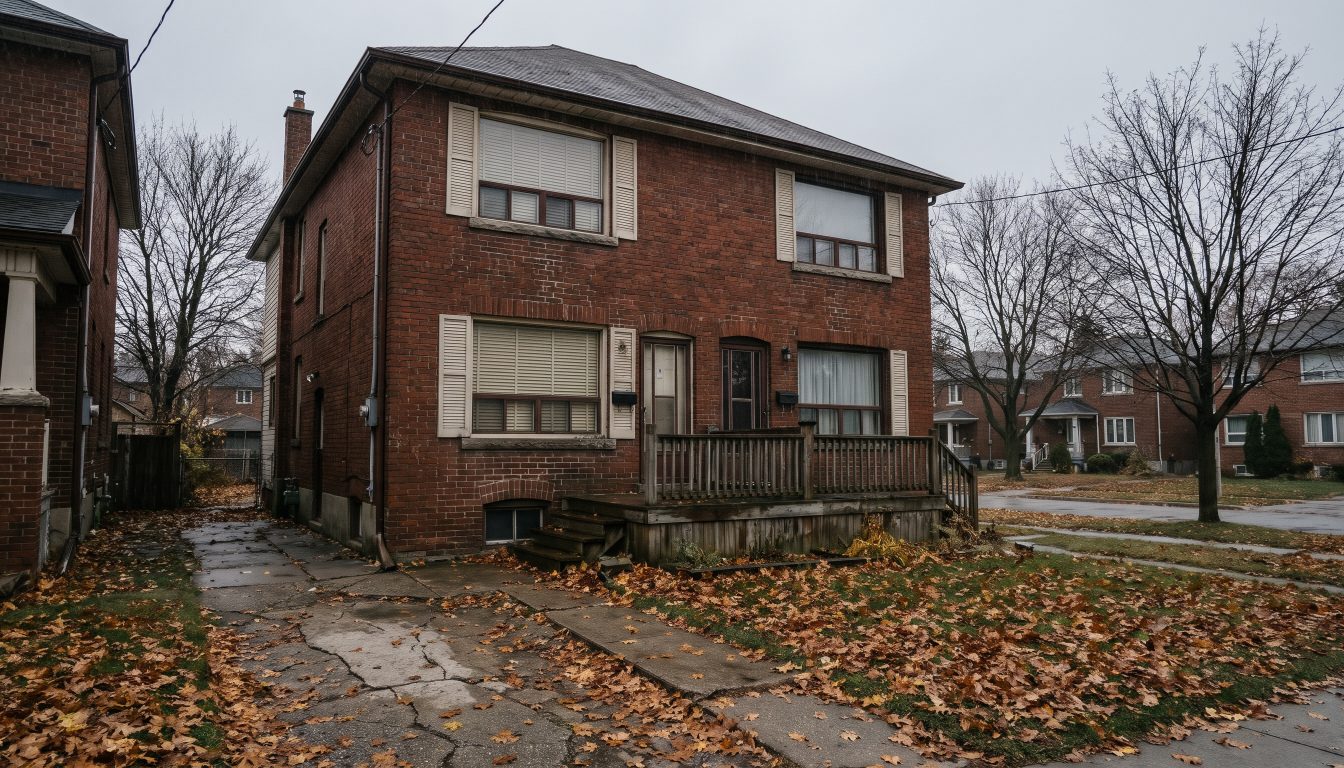
You can sell your GTA house directly to an investor or cash buyer, and it can be fast and simple. The trade-off is price: investors need room for repairs, holding costs and profit, so offers usually come in below what the open market would pay. If the buyer is a registered agent, Ontario law requires a written disclosure notice first.
This guide is for GTA homeowners who have received a “we buy houses” letter, call or cash offer and want to know if it is a good idea in 2027. You will see what a cash sale really costs, when it makes sense, the Ontario rules that apply if the buyer is a real estate agent, and the red flags to check before you sign.
What does “we buy houses for cash” really mean in the GTA?
In most cases, “cash” does not mean a bag of money. It means the buyer does not need a mortgage approval to close, so there is no financing condition. The buyer might be a company, a small investor, a builder, or a person who plans to renovate and resell.
Cash buyers usually promise three things: a quick closing, no showings, and no repairs. Those are real benefits. But the buyer is not on your side. Unlike your own agent, a buyer owes you no duty to get you the best price. Their job is to buy well.
How much less do cash buyers pay than the open market?
No official source tracks cash-offer discounts in Ontario, so ignore anyone who quotes a standard figure. An investor’s offer is usually built backwards: the price they expect to resell or rent for, minus repairs, carrying costs, closing costs, selling costs and their profit. The more work your home needs, the bigger the gap.
To see what a gap means in real dollars, here is simple arithmetic on 2026 detached prices across the GTA.
| City | Detached median, Jan–Oct 2026 | 5% of median | 10% of median | 15% of median |
|---|---|---|---|---|
| Oshawa | $730,000 | $36,500 | $73,000 | $109,500 |
| Hamilton | $736,750 | $36,838 | $73,675 | $110,513 |
| Brampton | $950,000 | $47,500 | $95,000 | $142,500 |
| Mississauga | $1,225,000 | $61,250 | $122,500 | $183,750 |
| Vaughan | $1,415,000 | $70,750 | $141,500 | $212,250 |
| Markham | $1,420,000 | $71,000 | $142,000 | $213,000 |
| Oakville | $1,625,000 | $81,250 | $162,500 | $243,750 |
Source: TRREB MLS data via REALM, January–October 2026 (median sold price, detached, city-wide). The percentage columns are arithmetic only, not typical investor discounts.
Compare that with what listing costs you. Commission, staging and a few weeks of carrying costs are real, but on most GTA homes a 10% price gap is far larger than those costs combined.
When does selling to a cash buyer make sense?
A direct sale can be the right call when speed and certainty matter more than the last dollar. In my experience, that usually means one of these:
- Major repairs or damage that would scare off buyers who need a mortgage, such as a fire, flood or serious structural issue.
- An estate or family situation where nobody can manage showings, cleanouts and repairs.
- A tenant who will not co-operate with showings, where a buyer willing to take the home tenanted removes the problem.
- A hard deadline, such as a lender’s demand, a separation agreement or a purchase you already firmed up.
- Privacy, when you do not want your home online or strangers walking through it.
If you are behind on the mortgage, act early. My post on selling when the sale will not cover the mortgage explains the options before a lender takes control.
When is listing on the open market the better choice?
For most sellers with a home in reasonable shape, the open market still wins on price. In October 2026, GTA homes that sold had been listed for an average of 31 days and sold for about 97% of list price, according to TRREB. That is slower than a few years ago, but a well-priced home still sells in weeks, not months.
Listing also lets investors compete with each other and with end buyers. The investor who sent you a letter can still make an offer once your home is on the market. You lose nothing by letting them bid against everyone else. If you need speed, my guide on how to sell a house fast in the GTA shows how to do it without a deep discount.
Instant Home Valuation
What’s your home
worth today?
Answer six quick questions and get an instant value range built from current Toronto & GTA sale data — property type, size, condition, lot and location all weighted the way a real pricing conversation weighs them. Takes about ninety seconds.
Reading recent GTA sale data…
Building your estimate
Estimated market value
—
$0–$0
Most likely value $0 · roughly $0 per square foot
What moved the number
Starting from the area baseline for your property type, here’s what each answer added or subtracted.
Market context
Recent local averages for comparison.
—
A range is a starting point.
A strategy is what sells.
This model doesn’t know that your neighbour’s identical semi went $80,000 over asking last month, or which two upgrades actually pay back in your area. That conversation is free and takes twenty minutes.
What if the cash buyer is a real estate agent?
Many investors in the GTA are licensed agents. Ontario law has specific rules for this. Under section 32 of the Trust in Real Estate Services Act, 2002, a registrant (a brokerage, broker or salesperson) cannot buy, or offer to buy, an interest in real estate unless they first give every other party a written notice, and the other parties acknowledge receiving it in writing. The notice must include:
- a statement that they are a brokerage, broker or salesperson;
- full disclosure of all facts they know that affect, or will affect, the value of the property; and
- details of any negotiation, offer or agreement they have to resell or lease the property to someone else.
That last point matters. If an agent-investor already has a buyer lined up at a higher price, the law says you must be told before you sign. You can check anyone’s registration on RECO’s public register, which also shows recent discipline.
A different rule applies if your own listing agent, or someone related to them, wants to buy your home. Under Ontario Regulation 567/05, an agent who represents you must disclose any property interest they or related people have, and do so before any offer is made.
What red flags should you watch for with cash offers?
- An “and/or assigns” clause. This lets the buyer pass the contract to someone else, sometimes for a fee, before closing. Ask your lawyer whether to strike it or require your consent.
- A tiny deposit, or a deposit paid late. A serious buyer can put real money down within a day or two of acceptance.
- Vague conditions. “Subject to partner approval” or a long inspection period can tie up your home while the buyer shops for a better deal, then asks you for a price cut.
- Pressure to sign today or without your lawyer reading the offer. Registered agents are barred by Ontario’s Code of Ethics from intimidating or coercive conduct and undue pressure.
- Offers to “help” with your lawyer or to have their lawyer act for both sides. Use your own.
- Unusual add-ons, such as renting the home back to you on terms you do not fully understand. A sale-leaseback can work, but read my post on how a leaseback works first.
A signed agreement of purchase and sale is a binding contract. Once you accept a cash offer, you usually cannot walk away because a better offer arrives. Have your real estate lawyer review every cash offer before you sign, even a short one, and make sure the deposit amount and who holds it are spelled out.
How do you protect your deposit in a direct sale?
The deposit should never go straight into the buyer’s or seller’s personal account. When a registered brokerage holds a deposit in its trust account, RECO’s consumer deposit insurance can cover losses from events like brokerage fraud or insolvency, up to $200,000 per claim. It does not cover disputes over who gets the deposit after a failed deal.
In a private sale with no brokerage, the deposit is usually held in trust by one of the lawyers. Agree on this in writing in the offer. My post on deposits in a failed Ontario deal explains what happens if closing falls through.
Can you get a cash offer and still test the market?
Yes, and this is usually the smartest route. Get a realistic value from comparable sales first. Then compare the cash offer against what your home would likely sell for, minus your selling costs. If the gap is small, the cash offer may be worth it for the speed. If it is large, list the home and invite the investor to bid.
Compare the net, not the headline price
Line the two choices up side by side before you decide:
- Price. The cash offer versus a realistic sale price based on recent comparable sales, not the highest sale on your street.
- Selling costs. A listing usually means commission plus HST, some prep and photos. A direct sale may have none of these, but you still pay your lawyer.
- Time. Count the months of mortgage interest, property tax, utilities and insurance you would carry while the home is listed.
- Certainty. Compare the deposits and conditions. A firm offer with a large deposit is worth more than a high offer full of escape hatches.
When the cash offer is close on net and far ahead on certainty, it can be the better deal. When it is far behind, the open market is usually worth the wait.
I am not against cash buyers. For a fire-damaged house, a hoarding cleanup or an estate with no one to manage it, a fast direct sale can be the right answer. My rule is simple: never accept the first cash number without knowing your home’s open-market value. A few days of homework can be worth tens of thousands of dollars.
What to do next
- Get an independent value for your home based on recent comparable sales, not the investor’s number.
- Work out your net from a normal listing: price minus commission, legal fees and a month or two of carrying costs.
- Check the buyer on RECO’s public register and ask in writing whether they are a registrant.
- Have your own real estate lawyer review the offer, the deposit terms and any assignment clause.
- If the gap is large, list the home and let the cash buyer compete with everyone else.
Need help with this? Talk to me.
I’m Jatin Dua, Broker of Record at RE/MAX Quantum Realty, and I’m the best agent to do this kind of work for you in Toronto and across the GTA. Over $100 million in GTA sales and 100+ families helped sell. Feel free to contact me any time: call or text 833-330-1925 or email [email protected].
Frequently asked questions
Do cash home buyers pay fair market value in Ontario?
Usually not. Investors and “we buy houses” companies build their offer around resale value minus repairs, holding costs and profit, so most offers come in below open-market value. In the GTA in 2026, a 10% gap on a $950,000 Brampton detached home would be $95,000. Always get an independent value before you accept a cash offer in 2027.
Are “we buy houses” companies legit in Ontario?
Many are real businesses, but they buy for their own profit and owe you no duty to get you a good price. Check whether anyone involved is a registered agent on RECO’s public register, read every clause, and have your own Ontario real estate lawyer review the offer. Be cautious of pressure to sign quickly or small, late deposits.
What does a real estate agent have to disclose if they want to buy my house?
A lot. Under section 32 of Ontario’s Trust in Real Estate Services Act, 2002, a registrant must give you a written notice before buying or offering. It must say they are a registrant, disclose all facts they know that affect the property’s value, and give details of any plan or agreement to resell it. You must acknowledge the notice in writing.
How fast can a cash buyer close on a house in the GTA?
A cash buyer has no mortgage approval to wait for, so the closing date is mainly limited by title searches and both lawyers’ work. You and the buyer set the date in the agreement. Do not let speed rush you past a legal review. Check the buyer’s deposit, conditions and any assignment clause before you sign in 2027.
What is an assignment clause in a cash offer?
An assignment clause, often written as “and/or assigns”, lets the buyer transfer the contract to someone else before closing. Some investors use it to resell your deal for a profit without ever owning the home. In Ontario you can ask your lawyer to remove the clause or to make any assignment subject to your written consent.
Do I need a lawyer if I sell my house to a cash buyer?
Yes. You need a real estate lawyer to close any sale in Ontario, and you should use your own, not one suggested by the buyer. Your lawyer reviews the offer, holds or tracks the deposit, discharges your mortgage and handles the transfer. Ask them to read the agreement before you sign, not after.
Do I pay commission if I sell directly to an investor?
Not if no brokerage is involved. If you sell directly to an investor and have no listing agreement, there is no commission. But if your listing expired recently, check the holdover clause. RECO explains that a holdover clause can require you to pay the brokerage if you sell during the holdover period, under the conditions set out in your agreement.
Is a cash offer better than a financed offer in 2027?
Not always. A cash offer removes the risk of a buyer failing to get a mortgage, which matters with the Bank of Canada at 2.50% and prime at 4.70% in late 2026. But a higher financed offer with a solid deposit and pre-approval may still put more money in your pocket. Compare the net amount, the deposit and the conditions.
Can I sell my house to an investor and rent it back?
Yes, a sale-leaseback is possible in Ontario. You sell to an investor and sign a lease to stay on as a tenant. It can free up cash, but the price and the lease terms are linked, so read both carefully. Have your lawyer review the lease and confirm how the Residential Tenancies Act applies to your situation.
Sources
- Trust in Real Estate Services Act, 2002 (section 32, acquisition by registrant)
- Ontario Regulation 567/05 (General), section 22.9 disclosure of interest
- Ontario Regulation 365/22, Code of Ethics
- RECO: Make sure your real estate agent is registered
- RECO: Consumer deposit insurance
- RECO: Signing a contract with a real estate brokerage (holdover clauses)
- TRREB Market Watch, October 2026
- Bank of Canada: Policy rate announcement, 28 October 2026
Related reading
- Seller Closing Costs in Ontario for 2027: Every Fee Before You Get Paid
- How to Sell a House in Toronto, Step by Step (2027)
- Closing Costs on a New Build in Ontario: What Builders Add
- How Much Is My House Worth in Caledon? (2027)
About the author — Jatin Dua, Toronto and GTA real estate broker
I am Jatin Dua, Broker of Record and co-founder of RE/MAX Quantum Realty Inc., Brokerage, Unit 101, 799 The Queensway, Toronto. I work with buyers and sellers across Toronto and the GTA and have helped more than 100 families sell. Four-plus years of active GTA transactions and over $100 million in sales volume.
Reach me at [email protected] or 833-330-1925, or book a call.
More from the library
- Closing Costs on an Etobicoke Condo in 2026: The Complete List
- Selling a Restaurant in Toronto: 7 Things Buyers Pay For (and 5 They Don’t)
- What Has to Happen for Toronto’s Luxury Market to Turn in 2027
- Your condo fees keep going up: why you do not get a vote, and the $100 document that tells you what is coming
- Top 5 Condo Buildings to Rent in Yorkville, Toronto (2026)
- 80 Mill Street Condos: A Rack House Facade at Mill and Cherry