

Published 28 August 2026 · Updated 5 October 2026 · By Jatin Dua, Broker of Record, RE/MAX Quantum Realty
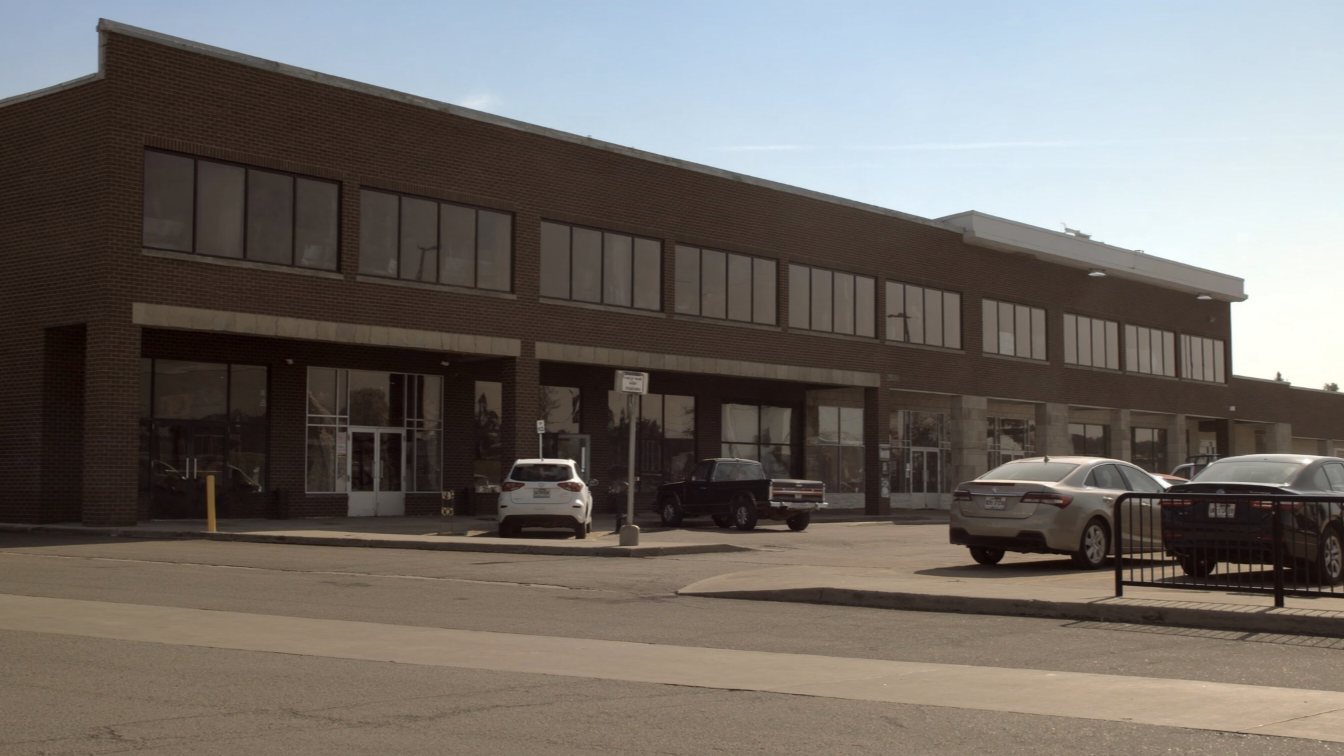
Commercial property in the GTA is priced on income: value = net operating income (NOI) ÷ cap rate. NOI is the property’s rent minus vacancy and operating costs, before any mortgage. The cap rate is the yield buyers currently accept for that asset class and location — and small cap-rate differences move value enormously: $80,000 of NOI is worth about $1.45M at a 5.5% cap but only about $1.14M at 7%.
Lenders then apply their own test — the debt service coverage ratio (DSCR) — before financing the deal. You can run all of these numbers in seconds with the cap rate & valuation calculator.
Step 1: Net operating income — the number everything hangs on
Start with gross annual rent, subtract a vacancy and credit-loss allowance, then subtract operating expenses: property tax, insurance, utilities the landlord pays, maintenance, and property management. What’s left is net operating income. Mortgage payments are deliberately excluded — NOI describes the property, not the buyer’s financing. Sellers often quote “pro forma” NOI based on projected rents; buyers and lenders price on actual, in-place income, and the gap between those two numbers is where most commercial negotiations happen.
Step 2: The cap rate — what a dollar of income sells for
The capitalization rate is simply NOI divided by price. Flip it around and it becomes the valuation tool: value = NOI ÷ cap rate. A lower cap rate means buyers are paying more per dollar of income (typical of newer buildings, stronger tenants, better locations); a higher cap rate means more risk or weaker demand. Cap rates differ by asset class — multifamily, industrial, retail plaza, office, mixed-use — and by sub-market, so the right comparison is always recent sales of similar assets nearby, not a city-wide average.
Step 3: DSCR — the lender’s veto
Commercial lenders size loans around the debt service coverage ratio: NOI divided by annual mortgage payments. Many look for roughly 1.20–1.30 or better, meaning the property’s income exceeds its debt payments with a cushion. If the DSCR at your requested loan comes in low, the lender doesn’t say no — they shrink the loan, which means more equity from you or a lower purchase price. This is why commercial deals are “financed on the property, not the person” to a much greater degree than residential.
What this means for Etobicoke & GTA owners
If you own commercial property along The Queensway, in Mimico, or anywhere in the GTA, your building’s value moves with two levers: the income it produces and the cap rate the market applies. Raising NOI — through market-rent renewals, expense recovery structures, or filling vacancy — is the lever you control. Before listing, or refinancing, run your actual rent roll and expenses through the cap rate calculator to see the value implied at different cap rates, and stress the DSCR the way a lender will.
Selling a business, not just the building?
An owner-operated restaurant or food-service business is valued differently — on revenue, seats, lease terms and normalized earnings rather than a simple cap rate. The restaurant value estimator handles that case separately, and for anything else commercial, here’s how I work with commercial clients.
Own commercial property in Etobicoke or the GTA?
Send me the basics — property type, rough rent roll, and your timeline — and I’ll give you an honest read on what it would trade for in today’s market and what would move the number.
[email protected] · 833-330-1925 · Book a free consultation
Confidential. Reviewed personally and answered within 24 hours. I never share, sell or distribute your information.
Frequently asked questions
What is a cap rate in commercial real estate?
Cap rate = net operating income divided by purchase price. It expresses the property’s unlevered annual yield and is the standard basis for comparing and valuing income-producing commercial real estate.
How do I calculate the value of a commercial property?
Divide the property’s net operating income (rent minus vacancy and operating expenses, excluding mortgage costs) by the market cap rate for that asset class and location. $80,000 of NOI at a 6% cap rate implies a value of roughly $1.33 million.
What DSCR do commercial lenders want?
Debt service coverage ratio = NOI divided by annual debt payments. Many commercial lenders look for roughly 1.20–1.30 or higher; below that they reduce the loan amount or require more equity.
Is a restaurant valued the same way as a commercial building?
No — an operating business like a restaurant is valued on its revenue, normalized earnings, seats and lease terms rather than a real-estate cap rate. The building (if owned) and the business are valued separately.
Sources
- Standard income-approach valuation formulas (NOI, capitalization rate, DSCR) as used across the Canadian commercial real estate and lending industry. Definitions are stated in the article; no third-party market statistics are cited.
Related reading & tools
- Cap Rate & Commercial Valuation Calculator
- Restaurant Value Estimator
- Rental Cash Flow Calculator
- All free calculators & tools
About the author — Jatin Dua, Etobicoke real estate agent
I’m the Broker of Record at RE/MAX Quantum Realty, 799 The Queensway in Etobicoke. I work with buyers, sellers and investors across Mimico, Humber Bay Shores, New Toronto, Long Branch, Alderwood and the Stonegate–Queensway corridor, and across the wider GTA — both condo and freehold.
Questions about your specific property? [email protected] or 833-330-1925.