

Published 21 September 2026 · By Jatin Dua, Broker of Record, RE/MAX Quantum Realty
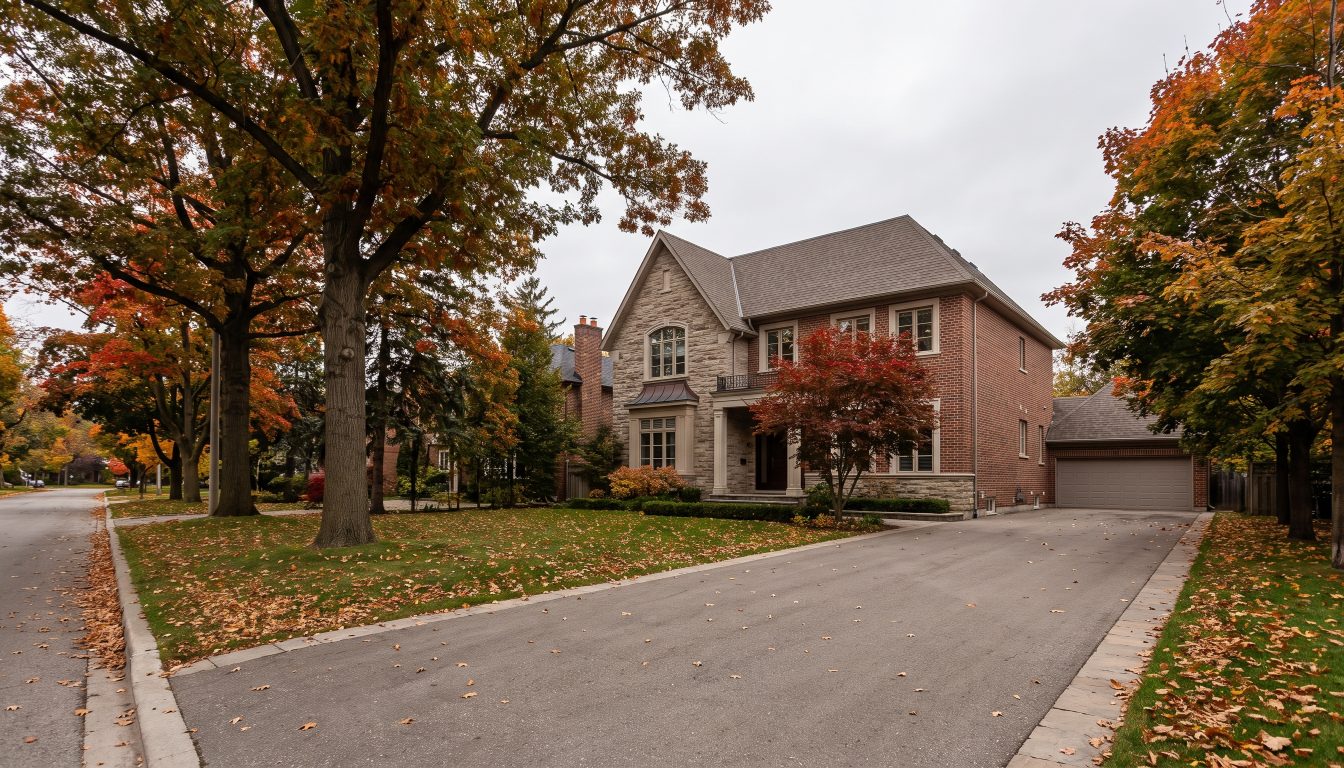
In a leaseback you sell your home and stay on as a tenant for an agreed period, set out in the purchase agreement and a separate standard lease. Once the seller is a tenant, Ontario tenancy law generally applies, so the terms need care on both sides.
In a leaseback, you sell your home and stay on as a tenant for an agreed period. It is useful when you need the sale proceeds now but aren’t ready to move.
When it helps sellers
- Waiting for a new home to finish, without renting elsewhere.
- Letting children finish a school year.
- Getting certainty on price in a market you think is softening.
When buyers agree to it
- Investors buying for rental income may welcome a reliable tenant.
- End-user buyers who don’t need to move in immediately.
- In return, buyers may ask for a lower price or a higher deposit.
Know what your home is worth
Most of these decisions come back to a number. Get a free AI estimate of your home’s value in about a minute.
Free tool — AI home value estimator
Instant Home Valuation
What’s your home
worth today?
Answer six quick questions and get an instant value range built from current Toronto & GTA sale data — property type, size, condition, lot and location all weighted the way a real pricing conversation weighs them. Takes about ninety seconds.
Reading recent GTA sale data…
Building your estimate
Estimated market value
—
$0–$0
Most likely value $0 · roughly $0 per square foot
What moved the number
Starting from the area baseline for your property type, here’s what each answer added or subtracted.
Market context
Recent local averages for comparison.
—
A range is a starting point.
A strategy is what sells.
This model doesn’t know that your neighbour’s identical semi went $80,000 over asking last month, or which two upgrades actually pay back in your area. That conversation is free and takes twenty minutes.
How it is structured
- The agreement of purchase and sale includes a clause or schedule setting out the leaseback.
- A separate lease, using the Ontario standard lease, sets the rent, the term and responsibilities.
- Insurance changes: the buyer insures the building as a landlord and the seller carries tenant insurance.
The risks
- Tenancy law applies. Once the seller is a tenant, the Residential Tenancies Act governs. Ending a tenancy follows the Act, not just the date in the purchase agreement.
- Financing. The buyer’s lender needs to know the property will be occupied by a tenant, which can change the mortgage product.
- Condition. The buyer takes on a property that will be vacated later, so move-out inspections and deposits matter.
Short occupancy after closing
For a few days or weeks, parties sometimes agree to a short post-closing occupancy instead of a full lease. It still needs clear written terms and legal advice, because tenancy rules may apply.
The takeaway
Use a clause in the purchase agreement plus a standard lease, set clear rent and move-out terms, switch insurance on both sides, and get legal advice first.
Talk it through with me
Get a first-time buyer plan
Tell me your savings, income range and target area. I will send a realistic price range and next steps.
I will come back to you personally, usually the same day. If it is urgent, call or text 833-330-1925.
Frequently asked questions
Can I sell my house and rent it back in Ontario?
Yes, by agreement with the buyer, usually through a clause in the purchase agreement and a separate lease.
Does tenancy law apply to a leaseback?
Generally yes. Once the seller is a tenant, the Residential Tenancies Act applies.
How much rent does the seller pay?
Whatever is agreed, often close to market rent or the buyer’s carrying costs.
What do buyers want in return?
Sometimes a lower price, a firm move-out date, a deposit and proof of tenant insurance.
Sources
- Residential Tenancies Act, 2006 — how tenancies are governed
- Government of Ontario — standard lease — required lease form
Related reading
- Bridge Financing in Ontario: How It Works When Your Closings Don’t Line Up
- Sell First or Buy First in Toronto? How to Decide (and How Bridge Financing Works)
About the author — Jatin Dua, Toronto and GTA real estate broker
I am Jatin Dua, Broker of Record and co-founder of RE/MAX Quantum Realty Inc., Brokerage, Unit 101, 799 The Queensway, Etobicoke. I work with buyers and sellers across Toronto and the GTA, with deep local knowledge of the west end. Four-plus years of active GTA transactions and over $100 million in sales volume. Every market figure here comes from TRREB’s published tables and every rule from RECO or Ontario legislation, so you can check all of it without asking me.
Reach me at connect@jatindua.com or 833-330-1925, or book a call.