

Published 27 September 2026 · By Jatin Dua, Broker of Record, RE/MAX Quantum Realty
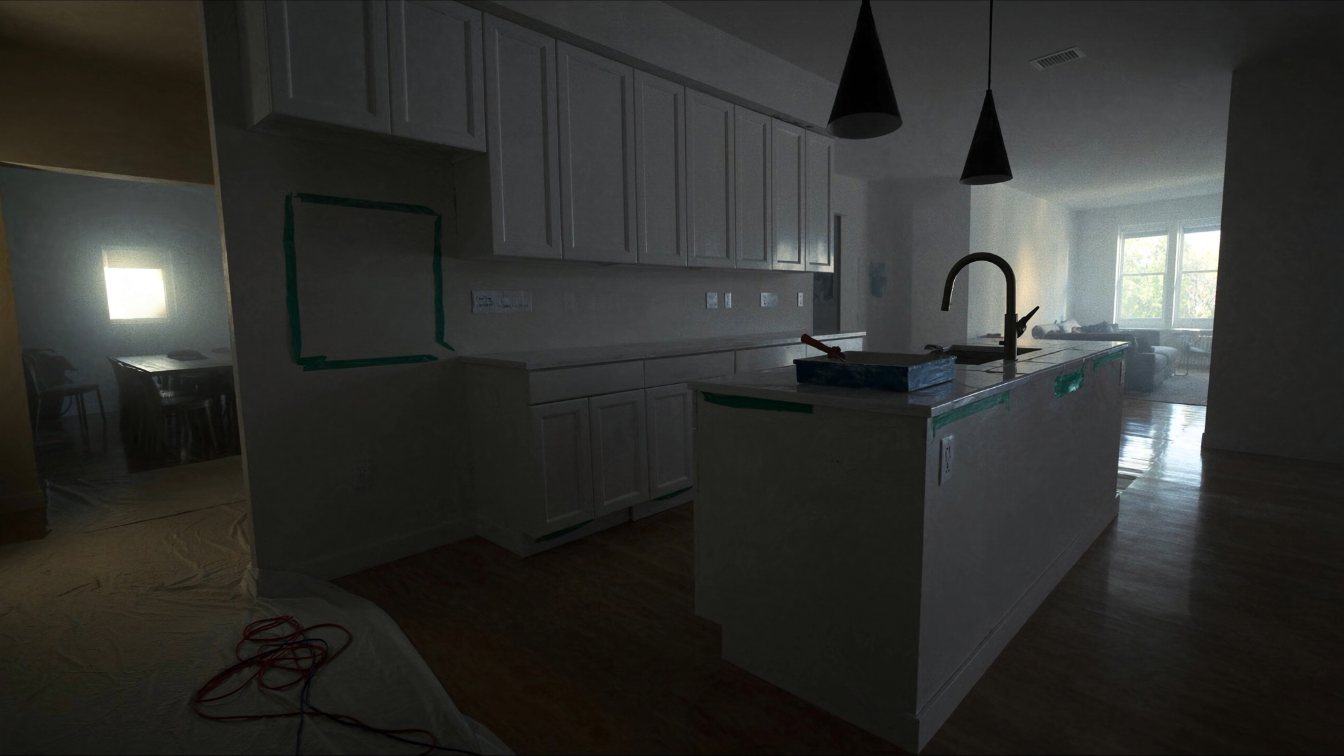
Usually refresh, rarely renovate. The work that most often pays back is cheap and fast: fresh neutral paint, repairs, deep cleaning, new light fixtures, updated hardware and good staging. Large projects such as a new kitchen or bathroom seldom return their full cost at resale, take weeks, and in a condo need corporation approval and approved trades. Every month of work also costs you fees, property tax and mortgage interest while the unit earns nothing. In a buyer’s market like August 2026, where GTA condos sold at 96 percent of list on average, a clean, well-presented unit at the right price usually beats a renovated one at an ambitious price.
The question behind the question
Sellers ask whether to renovate, but the real question is whether a dollar spent will come back as more than a dollar on the sale price, after the time it takes. For most condo sellers the answer is yes for small, visible fixes and no for big projects. Buyers of condos compare units side by side in the same few buildings, so the goal is to make yours the cleanest, brightest, easiest choice among them, not the most expensive.
What usually pays back
| Work | Typical time | Why it helps |
|---|---|---|
| Neutral paint throughout | A few days | Photographs better and removes a buyer objection |
| Repairs and touch-ups | Days | Nicks, loose handles and dripping taps suggest bigger neglect |
| Deep clean, including windows and grout | A day or two | The cheapest thing that changes how a unit feels |
| Lighting fixtures and bulbs | A day | Dated fixtures date the whole unit; warm, bright light shows space |
| Hardware and faucets | A day | Inexpensive and visible in every photo |
| Staging and decluttering | Days | Shows scale in small rooms and online |
Use the renovation ROI calculator to test any bigger idea against its cost.
What rarely pays back
Full kitchen and bathroom renovations, new flooring throughout, and layout changes are the projects that most often cost more than they add, and they carry the most risk of delays. Buyers also discount a renovation they would not have chosen themselves; your idea of a finished kitchen may be their idea of a teardown. The exception is a unit so dated that it is losing buyers to every comparable: there, targeted work on the worst room can widen the buyer pool. Decide that from showing feedback and the competition, not from taste.
Condo rules come first
A condo is not a house. Before any work beyond paint and fixtures, read your corporation’s declaration, by-laws and rules, and ask management what approvals are needed. Common requirements include written approval for flooring changes, with acoustic underlay meeting the building’s standard; approved or insured trades; booking the service elevator; and restricted working hours. Changes that touch the common elements, such as plumbing risers, exterior walls or balconies, generally need the corporation’s agreement. Unapproved work can surface when a buyer’s lawyer reviews the status certificate and asks questions, which is the worst possible time.
The carrying cost of a renovation
Every month the unit is being renovated instead of sold, you keep paying. An illustrative example with round numbers: $700 in fees, about $300 in property tax and $1,500 of mortgage interest comes to $2,500 a month, before utilities and insurance. A six-week renovation that runs to ten weeks costs close to $6,000 in carrying costs alone, on top of the work. Add that to the renovation budget before you decide, and remember the market can move while you wait; City of Toronto condo averages were 2.1 percent lower in August 2026 than a year earlier.
When selling as-is is the better choice
- The unit is tenanted, so you cannot do the work without ending the tenancy.
- You would need to borrow to renovate.
- The building itself, not the unit, is what buyers object to.
- Buyers at your price point are investors who plan to rent it as it is.
In those cases, price the unit honestly for its condition, present it cleanly, and let the buyer choose the finishes.
Two tools help here: the AI condo value estimator below gives you a range in about a minute, and the net proceeds calculator turns any price into what actually lands in your account.
Where I fit
Before any seller spends money, I walk the unit and tell them which three or four things will change the price and which will not. Run the estimator below for an as-is range, then book a call and we will decide what, if anything, is worth doing.
Free tool — AI condo value estimator
Condo Valuation
What’s your condo
worth today?
Three quick steps. Condos don’t price like houses — your floor, your view, and whether you own parking move the number more than anything else. This weighs all of them.
Reading recent condo sales…
Estimated market value
—
$0–$0
Most likely $0 · about $0 per square foot
What moved the number
Starting from what comparable units in your area sell for, here’s what your specifics added or subtracted.
Market context
—
—
Two units, same floor plan,
$90,000 apart.
That happens constantly in condos — one has the parking, the right exposure, or a board that keeps the reserve fund healthy. A model can’t see your status certificate. I can.
Frequently asked questions
Is it worth renovating a condo before selling?
Small, fast work such as paint, repairs, lighting, hardware, cleaning and staging usually pays back. Full kitchen or bathroom renovations rarely return their cost at resale and add weeks of carrying costs.
What adds the most value to a condo before selling?
Fresh neutral paint, a deep clean, updated lighting, repairs and staging. They are cheap, quick and visible in every photo and showing.
Do I need permission to renovate my condo?
Often. Read the declaration, by-laws and rules and ask management. Flooring changes commonly need approval and approved acoustic underlay, and work touching the common elements generally needs the corporation’s agreement.
How much does it cost to carry a condo during a renovation?
Fees, property tax, mortgage interest, utilities and insurance continue. As an illustration, $700 in fees, $300 in tax and $1,500 in interest is $2,500 a month.
Should I replace flooring before selling my condo?
Only if it is damaged or badly dated compared with competing units, and only with the corporation’s approval where required. Buyers often prefer to choose flooring themselves.
Is it better to sell my condo as-is?
Often, if it is tenanted, if the work would need financing, or if your likely buyers are investors. Price it honestly for its condition and present it cleanly.
Sources
- TRREB — Market Watch, August 2026 — condominium apartment tables by region and municipality
- Condominium Authority of Ontario — Status certificates — 10 days, up to $100, Condominium Act s. 76
Related reading
- Renovate or move in Toronto?
- Preparing a home for sale: what pays back
- Condo rules in Ontario
- How to sell your home fast in Toronto
About the author — Jatin Dua, Toronto and GTA real estate broker
I am Jatin Dua, Broker of Record and co-founder of RE/MAX Quantum Realty Inc., Brokerage, Unit 101, 799 The Queensway, Etobicoke. I work with buyers and sellers across Toronto and the GTA, and I have helped more than 100 families sell their condos. Four-plus years of active GTA transactions and over $100 million in sales volume. Every market figure here comes from TRREB’s published tables and every rule from the regulator or the legislation, so you can check all of it without asking me.
Reach me at connect@jatindua.com or 833-330-1925, or book a call.