

Published 27 September 2026 · By Jatin Dua, Broker of Record, RE/MAX Quantum Realty
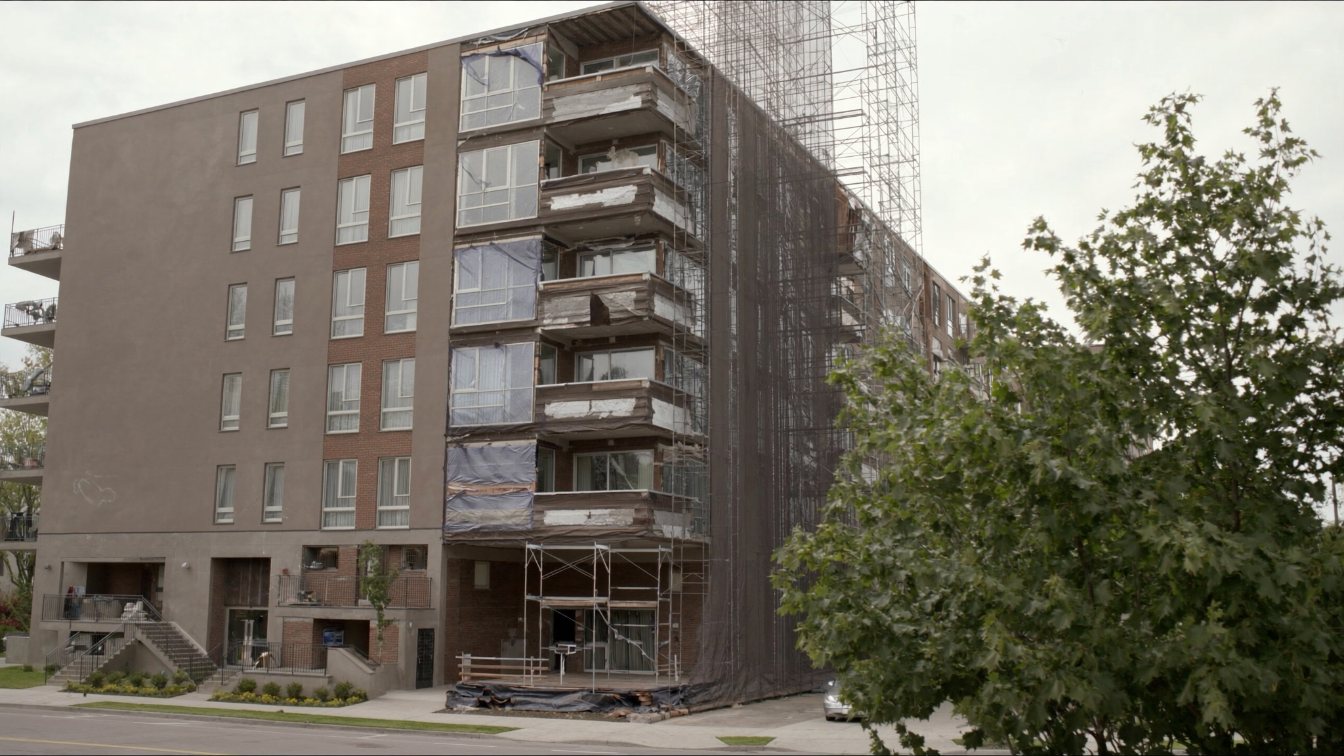
Yes, usually by at least the amount still owing, and sometimes by more, because buyers price in the uncertainty about what else might be coming. The Condominium Authority of Ontario describes a special assessment as an extra one-time charge added to owners’ common expenses to cover budget shortfalls, typically from unforeseen expenses, under-budgeting or litigation, and owners must pay their share or face a lien. The status certificate the buyer’s lawyer reviews must disclose special assessments and the state of the reserve fund. Who pays a levied assessment on a sale is negotiated in the agreement of purchase and sale. The sellers who do best disclose early, quantify the amount and credit or pay it, rather than letting the buyer’s lawyer discover it.
What a special assessment is
A special assessment is a one-time charge the condo board adds to every owner’s common expenses when the budget and reserve fund cannot cover a cost. The Condominium Authority of Ontario lists three usual causes: unforeseen expenses such as a major system that fails early, under-budgeting where costs outrun projections, and litigation. Boards can levy one through the common expenses without a vote of owners, and owners must pay their share; unpaid amounts can become a lien on the unit. It is billed by unit share, so a large unit carries a larger share.
How buyers find out
They find out from the status certificate, which a buyer’s lawyer reviews during the conditional period or before the buyer goes firm. Under section 76 of the Condominium Act the certificate must include, among other things, the common expenses for the unit and whether it is in arrears, any increases in common expenses and the reasons, details of any special assessments and why they were charged, a statement on the most recent reserve fund study and the state of the reserve fund, and any outstanding judgments or litigation. The corporation must provide it within 10 days of the request and can charge up to $100 including taxes.
The Authority also notes a court decision in which a buyer was exempted from an assessment because the corporation had not clearly disclosed in the status certificate that it might need to levy one. Disclosure is the corporation’s job, but surprises land on the sale.
Why buyers discount by more than the bill
A buyer looking at a $12,000 assessment is not only thinking about $12,000. They are asking three questions: is the reserve fund too thin to cover the next repair, is this the first of several, and what will it do to the fees? A reserve fund study is required at least every three years, with a funding plan to keep the fund adequate, which can mean higher contributions. If the study shows large projects ahead and a low balance, the buyer will price in more risk than the one bill. A building that levies an assessment once, for a clearly explained reason, with a healthy reserve afterwards, loses much less than one that looks under-funded.
Who pays it when you sell
That is a matter for the agreement of purchase and sale, and it is negotiable. The common patterns are that the seller pays any assessment levied before the agreement, or before closing, and the buyer takes on anything levied after; or that the seller gives the buyer a credit on closing for the outstanding instalments. What matters is that the wording is clear about assessments that have been discussed but not yet levied. Your lawyer should draft this, and a buyer’s lawyer will read the certificate and the board minutes for signs of what is coming.
Four ways to keep the sale together
- Know before you list. Ask management for the latest budget, reserve fund study summary and any assessment notice, or order a status certificate yourself so you see what the buyer will see.
- Quantify it. Put the outstanding amount, the schedule and the reason in writing for buyers’ agents.
- Offer a clean answer. Paying the balance or crediting it on closing turns an open-ended worry into a fixed number, which is usually cheaper than the discount a nervous buyer demands.
- Tell the story of the building. If the assessment fixes a known problem and the reserve fund is healthy afterwards, say so, with the documents.
Two tools help here: the AI condo value estimator below gives you a range in about a minute, and the net proceeds calculator turns any price into what actually lands in your account.
Pricing with an assessment
Start from the price the unit would fetch with no assessment, using recent sales of your layout. Then subtract whatever share of the assessment you are not paying, and consider the building’s wider picture: if other units in the building are listed at the same time, you are all competing with the same disclosure. In a buyer’s market, with GTA condo apartments selling at 96 percent of list price on average in August 2026, buyers have alternatives, so a transparent, credited assessment usually sells faster than a hidden one discovered on condition.
Where I fit
I read the status certificate and the reserve fund study before I price a unit in a building with an assessment, and I put the disclosure in the listing package. Run the estimator below, then book a call and bring the notice.
Free tool — AI condo value estimator
Condo Valuation
What’s your condo
worth today?
Three quick steps. Condos don’t price like houses — your floor, your view, and whether you own parking move the number more than anything else. This weighs all of them.
Reading recent condo sales…
Estimated market value
—
$0–$0
Most likely $0 · about $0 per square foot
What moved the number
Starting from what comparable units in your area sell for, here’s what your specifics added or subtracted.
Market context
—
—
Two units, same floor plan,
$90,000 apart.
That happens constantly in condos — one has the parking, the right exposure, or a board that keeps the reserve fund healthy. A model can’t see your status certificate. I can.
Frequently asked questions
Does a special assessment lower my condo’s value?
Usually by at least the amount still owing, and sometimes by more, because buyers price in the risk of further assessments or fee increases, especially if the reserve fund looks thin.
Will a buyer find out about a special assessment?
Yes. The status certificate must disclose special assessments and why they were charged, along with the state of the reserve fund, and the buyer’s lawyer reviews it.
Who pays a special assessment when a condo is sold?
It is negotiated in the agreement of purchase and sale. Commonly the seller pays or credits assessments levied before the agreement or closing, and the buyer takes on later ones. Have your lawyer draft the wording.
Can the condo board levy a special assessment without a vote?
Yes. The Condominium Authority of Ontario notes that boards can charge a special assessment through common expenses without getting permission from owners, and owners must pay their share.
How often must a condo do a reserve fund study?
Studies are done on an alternating schedule at least every three years, with a funding plan to keep the fund adequate.
Should I pay off the special assessment before selling?
Often it is worth paying it or offering a credit on closing, because a fixed, disclosed number usually costs less than the discount a buyer demands for uncertainty.
Sources
- Condominium Authority of Ontario — Special assessments
- Condominium Authority of Ontario — Status certificates — 10 days, up to $100, Condominium Act s. 76
- Condominium Authority of Ontario — Reserve funds and reserve fund studies — studies at least every three years
- TRREB — Market Watch, August 2026 — condominium apartment tables by region and municipality
Related reading
- Condo boards and AGMs: an Ontario owner's guide
- What happens on closing day in Ontario
- Best realtor for condos in Toronto
- Condo rules in Ontario
About the author — Jatin Dua, Toronto and GTA real estate broker
I am Jatin Dua, Broker of Record and co-founder of RE/MAX Quantum Realty Inc., Brokerage, Unit 101, 799 The Queensway, Etobicoke. I work with buyers and sellers across Toronto and the GTA, and I have helped more than 100 families sell their condos. Four-plus years of active GTA transactions and over $100 million in sales volume. Every market figure here comes from TRREB’s published tables and every rule from the regulator or the legislation, so you can check all of it without asking me.
Reach me at connect@jatindua.com or 833-330-1925, or book a call.