

Published 29 September 2026 · By Jatin Dua, Broker of Record, RE/MAX Quantum Realty
What's Your Home Worth Right Now?
Get a free AI-powered price range for your property in under 90 seconds, based on recent GTA comparable sales. No name or address required.
Get My Free Estimate →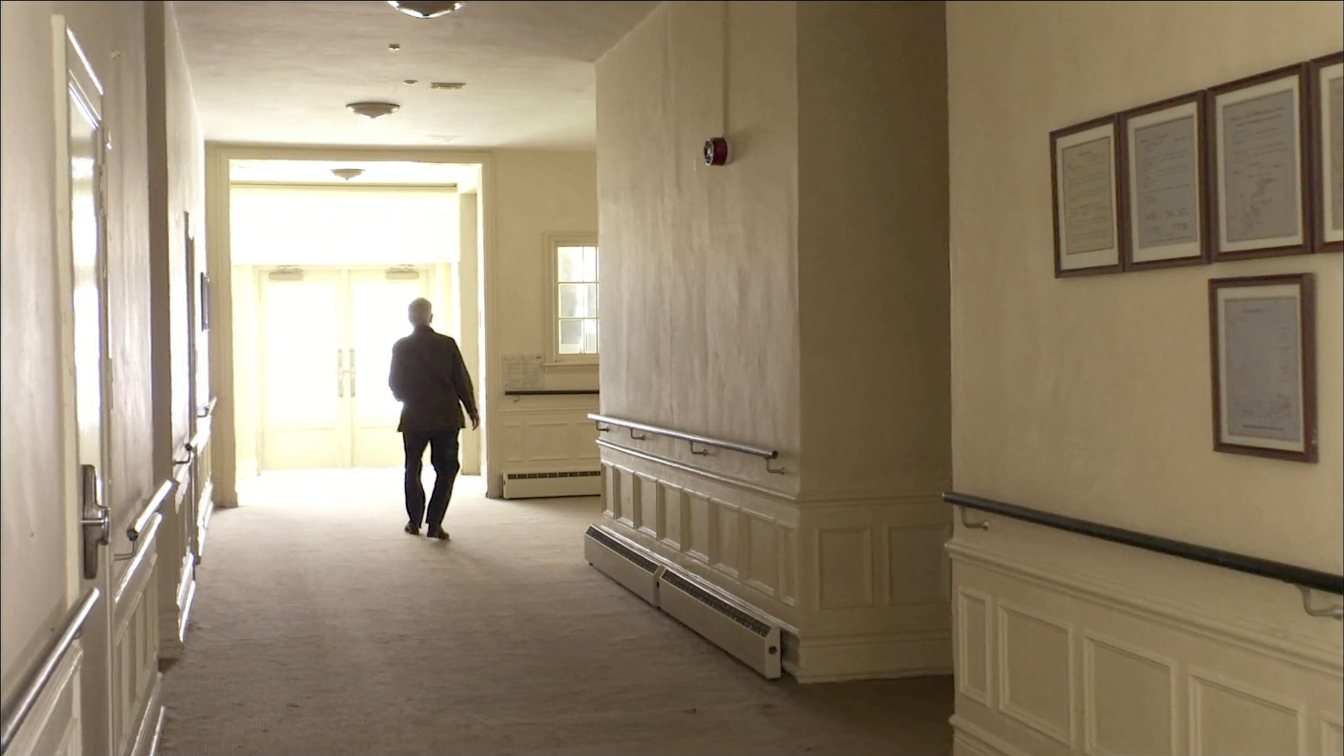
Start with the regulator, not the brochure. Every retirement home in Ontario must be licensed by the Retirement Homes Regulatory Authority (RHRA), which counts 776 licensed homes and keeps a public database where you can check a home’s licence status and compliance history. Then visit at least twice, once at a mealtime, with a checklist covering four areas: the care services offered and their cost, the money and the written tenancy agreement, the building and safety, and daily life. Ask how the written plan of care is made, and who takes part. Compare every home on the same list so the prices line up. If something goes wrong after the move, the RHRA complaints line is 1-855-275-7472.
Before you visit: check the RHRA register
“All retirement homes in Ontario are required to be licensed by the RHRA,” the regulator says, and it lists 776 licensed homes. Its Retirement Home Database lets you search homes by name, size, city, postal code and licence status on a map, and view each home’s compliance history. Do this before you book a tour. If a home is not on the register, ask why. If its compliance history shows repeated issues, read them and ask the home about each one when you visit.
The RHRA also publishes its own Questions to Ask checklist. Print it alongside the lists below. If your family is still deciding whether a retirement home is the right step at all, or where in the region to look, my guide to the best places to retire in the GTA and retirement home vs long-term care come first.
Decide what care is needed now, and in two years
The biggest mistake I see families make is touring homes before agreeing on the care question. Retirement homes vary most in the care they offer. The RHRA’s plain-language guide to the Retirement Homes Act (2018; confirm current wording on e-Laws) lists the care services the Act covers: nursing, medical service, pharmacy service, drug administration, help with feeding, bathing, continence care, dressing, personal hygiene and ambulation, plus meal provision, dementia care, and skin and wound care. A home must make at least two available to count as a retirement home, but beyond that, “Retirement homes decide what care services they will offer to their residents.”
Before the first visit, write down which of those services your parent needs today and which they may need in the next couple of years. Ask their doctor if you are not sure; this is a medical question, not a real estate one. Residents can also arrange outside care providers, so a home that does not offer one service is not automatically ruled out.
Checklist 1: care and health
- Which of the care services does this home offer directly, and which would we need to arrange from outside?
- How is the plan of care written, who takes part, and how often is it reviewed? (The RHRA’s 2018 guide says a written plan of care is required within 21 days of move-in, and residents can take part in making it.)
- Who gives medications, and how are they stored and recorded?
- Is there nursing staff on site, and on which shifts?
- What happens at night if my parent falls or feels unwell? Who answers the call system, and how quickly?
- Does the home offer dementia care? In a separate area?
- If care needs increase, what can the home add, and at what point would it say it can no longer meet them?
- Can outside providers and family caregivers come in, and are there rules about it?
Checklist 2: the money and the paperwork
Retirement homes receive no government funding, and residents pay the full cost, so price clarity matters. The RHRA’s 2018 fact sheet says the written tenancy agreement must set out care services, meals, accommodation and their cost. Ask for it before you decide, not on moving day.
- May we take the tenancy agreement and the full price list home to read?
- What exactly is in the monthly rent: meals, housekeeping, laundry, the call system?
- What does each care service cost, individually and in packages?
- How much have rent and care charges gone up in each of the last three years?
- Which part of the bill is rent and which is care? (Ontario’s seniors guide says the annual rent increase guideline applies to care homes, including retirement homes.)
- Are there any one-time charges at move-in or move-out?
- How much notice is needed to leave, and what happens to rent if my parent moves to hospital or long-term care?
The Residential Tenancies Act still applies to retirement home residents; the RHRA’s guide says the Retirement Homes Act does not override it. A lawyer can review the agreement if anything is unclear. For what to expect on price, see how much a retirement home costs in Toronto.
Checklist 3: the building and safety
When I walk a house with a couple in their seventies, the first thing I check is the stairs to the laundry. The same eye works in a retirement home.
- Is the route from the suite to the dining room, elevator and front door level and short? Are there handrails?
- Are the bathrooms built for mobility: grab bars, a walk-in or roll-in shower, a raised toilet?
- Is there an emergency call button in the bedroom and the bathroom?
- How many elevators are there, and what happens when one is out of service?
- What is the fire safety plan, and how are residents who use walkers or wheelchairs evacuated?
- How are outside doors secured, especially if there is a dementia area?
- Is the suite quiet, warm enough in winter and cool enough in summer? Can we see the actual suite, not a model?
- Is there outdoor space residents can use safely on their own?
Checklist 4: daily life, food and people
- Can we stay for a meal? What choices are there, and how are dietary needs handled?
- What activities ran this week? Ask to see the calendar, then check whether the activities are actually happening when you visit.
- How do staff speak to residents? Do they use names?
- How long have the manager and senior staff been at this home?
- What are the visiting rules for family, grandchildren and pets?
- Is there transportation to appointments or shopping, and what does it cost?
- Is the home close to the people who will visit most? A good home an hour from family is likely to see fewer visits than a decent home ten minutes away.
- Can we speak to a current resident or family member without staff present?
After the visits: compare homes side by side
Put your answers into the same table for every home. Differences that were invisible during tours become obvious on one page.
| What to compare | Why it matters | Where to check |
|---|---|---|
| Licence and compliance history | Shows whether the home meets the Act’s standards | RHRA Retirement Home Database |
| Care services offered | Decides whether your parent can stay as needs change | Home’s written list; plan of care |
| Total monthly cost at the needed care level | Rent alone understates the bill | Itemized written quote |
| Increase history | Tells you what next year may look like | Ask for the last three years in writing |
| Night staffing and call response | Where problems usually show up | Ask the manager; ask residents |
| Distance for family | Visits drop when the drive is long | Your own map |
| How your parent felt | They are the one moving | Ask them, alone |
If something goes wrong: rights and complaints
The Retirement Homes Act contains care and safety standards and includes a Residents’ Bill of Rights. If you believe a home has not followed the Act or its regulation, you can complain to the RHRA by phone at 1-855-ASK-RHRA (1-855-275-7472), by email at info@rhra.ca, or through its online self-service portal. The RHRA may ask the home for information, inspect, mediate or take enforcement action, and you receive a written outcome letter. If you disagree with the decision, you can ask the independent Complaints Review Officer to review it, in writing, within 60 days. Homes must report abuse or neglect to the RHRA.
Talk to the home first for everyday issues; many are solved at that level. Keep notes with dates. Use the regulator when the issue is about the Act’s standards.
Next steps for the family
Choosing the home is often the easy part compared with the conversation that comes before it. If you have not had that talk yet, how to talk to your parents about downsizing may help. If the plan depends on selling the family house, read selling the house to pay for a retirement home for timing, tax and who signs. The downsizing money planner below estimates what the house frees up and what staying would cost each month. When you are ready to talk about the house itself, book a call or phone me at 833-330-1925.
Free tool — Downsizing money planner
Downsizing money planner
See roughly how much a move frees up, what the next place costs, and how long the money lasts. Prices start at TRREB’s August 2026 medians; change any number to match your home.
Want the line-by-line breakdown, plus what homes like yours actually sold for on your street? I’ll show the full breakdown here and send you a short written plan. No obligation, no spam.
Estimates only, not advice or a valuation. Starting prices are TRREB Market Watch August 2026 medians (one month, whole-municipality figures). Rent default: Rentals.ca August 2026 Toronto average asking rent. Retirement home default: CMHC’s last Seniors’ Housing Survey (2021, Toronto, studio or private room with meals; CMHC has since discontinued it), so expect higher today. Land transfer tax uses Ontario’s brackets, plus Toronto’s municipal tax for Toronto purchases; repeat buyers get no first-time rebate. Property tax is estimated on the price, but your bill is based on MPAC’s assessed value, which is usually lower.
Frequently asked questions
How do I check if a retirement home is licensed in Ontario?
Search the RHRA’s Retirement Home Database. You can look up homes by name, size, city, postal code and licence status on a map, and see each home’s compliance history. All retirement homes in Ontario must be licensed by the RHRA.
What questions should I ask when touring a retirement home?
Ask which care services are offered and what each costs, what the monthly rent includes, how much rent and care charges rose in recent years, who answers calls at night, how the plan of care is made, and what happens if care needs increase. Ask for the tenancy agreement to read at home.
How do I complain about a retirement home in Ontario?
Contact the RHRA at 1-855-275-7472, info@rhra.ca or its online portal. A complaint must relate to the home not following the Retirement Homes Act or regulation. You get a written outcome and can ask the Complaints Review Officer to review the decision within 60 days.
What care services can a retirement home provide?
The RHRA’s 2018 guide to the Act lists services including nursing, medical and pharmacy services, drug administration, help with bathing, dressing, feeding, continence care, hygiene and ambulation, meals, dementia care, and skin and wound care. Each home decides which it offers.
Can residents bring in outside caregivers?
Yes. The RHRA says residents can buy the home’s care services or arrange outside care providers. Ask the home about any rules for outside providers before you sign.
Does a retirement home have to give a written contract?
The RHRA’s 2018 fact sheet says the written tenancy agreement must set out the care services, meals, accommodation and their cost. Ask for it before you decide, and have a lawyer review it if anything is unclear.
Sources
- RHRA — Retirement Homes Regulatory Authority — 776 licensed retirement homes in Ontario
- RHRA — I’m looking for a home — licensing requirement, no government funding, care services, comparison with long-term care
- RHRA — Retirement Home Database — public register with licence status and compliance history
- RHRA — Questions to Ask (checklist PDF) — the regulator’s own question list for families
- RHRA — Understanding the Act — care and safety standards, Residents’ Bill of Rights, plans of care
- RHRA — Plain-Language Guide to the Retirement Homes Act, 2010 (2018) — definition of a retirement home, the care services, plan of care timing (2018 guide)
- RHRA — Key Facts to Know About Retirement Homes (May 2018) — written tenancy agreement contents, outside providers (2018 fact sheet)
- RHRA — Complaints — complaints line, email, portal and review within 60 days
- Government of Ontario — A guide to programs and services for seniors: Home and housing — housing options, retirement homes, rent increase guideline
Related reading
- Best Places to Retire in the GTA (2026)
- How Much Does a Retirement Home Cost in Toronto?
- Retirement Home vs Long-Term Care in Ontario
- How to Talk to Your Parents About Downsizing
- Selling the House to Pay for a Retirement Home
- Helping Your Parents Downsize
- Moving a Parent In: Suites, Additions and Rules
About the author — Jatin Dua, Toronto and GTA real estate broker
I am Jatin Dua, Broker of Record and co-founder of RE/MAX Quantum Realty Inc., Brokerage, Unit 101, 799 The Queensway, Etobicoke. I work with buyers and sellers across Toronto and the GTA, and I have helped more than 100 families sell, many of them downsizing after decades in the same house. Four-plus years of active GTA transactions and over $100 million in sales volume. Every market figure here comes from TRREB’s published tables and every rule from the regulator or the legislation, so you can check all of it without asking me.
Reach me at connect@jatindua.com or 833-330-1925, or book a call.