

Published 29 September 2026 · By Jatin Dua, Broker of Record, RE/MAX Quantum Realty
What's Your Home Worth Right Now?
Get a free AI-powered price range for your property in under 90 seconds, based on recent GTA comparable sales. No name or address required.
Get My Free Estimate →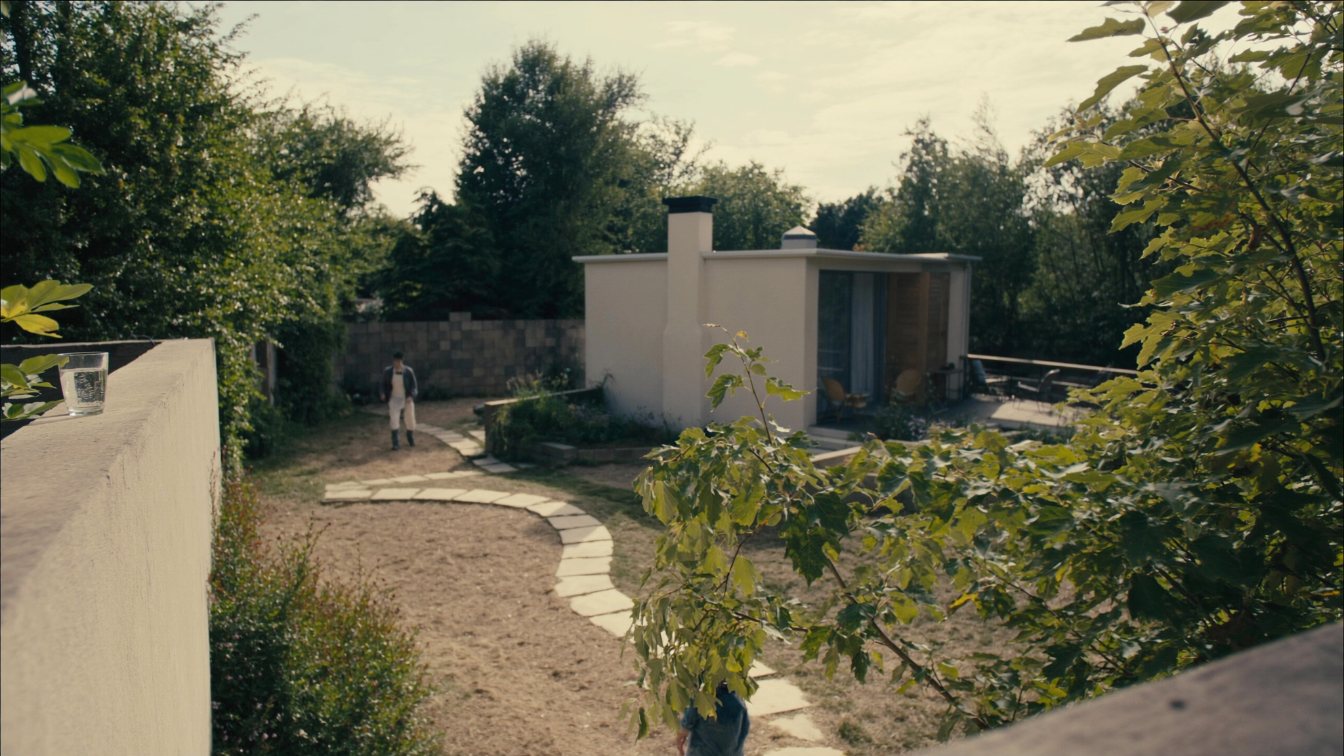
In most of urban Ontario you can now add up to three residential units to a house lot as of right under Bill 23: three in the main house, or two in the house and one in a building such as a garage or garden suite, where full municipal water and sewer are available. In Toronto, secondary suites are allowed in all residential zones, garden suites can have up to a 60 m² footprint, laneway suites up to 8 m by 10 m, and a building permit is required. The federal Multigenerational Home Renovation Tax Credit covers up to $50,000 of costs for a self-contained unit for a senior relative. Before anyone moves, settle the money, the title and the paperwork with a lawyer.
Three ways families make room for a parent
More families are asking me how to bring a parent home rather than move them into a retirement home. There are three broad routes:
- A suite inside the house. Usually a basement or main-floor apartment with its own kitchen, bathroom and entrance.
- A separate building on the lot. A garden suite in the backyard, or a laneway suite if the lot backs onto a public lane.
- A different house. Selling two homes and buying one that already has a suite, or a lot big enough to add one.
Each works in the right house for the right family. This guide covers the rules that make them possible, the tax credit that helps, and the conversations that matter more than the floor plan. If a parent is weighing other options, my guide to retiring in Toronto and the GTA and my comparison of retirement homes and long-term care are good companions.
Ontario’s three-unit rule (Bill 23)
Bill 23, the More Homes Built Faster Act, 2022, changed the rules across the province. According to the Environmental Registry of Ontario notice for the regulation changes:
- Up to three units per lot are allowed as of right in many existing residential areas. That can be three units in the main building, or two in the main building plus one in an ancillary building such as a converted garage or a garden suite.
- Municipalities cannot require more than one parking space for these units.
- Municipalities cannot charge development charges, parkland dedication or cash-in-lieu for the second or third unit.
- It applies to lots where residential use is allowed in settlement areas with full municipal water and sewage services.
“As of right” means you should not need a rezoning for the unit count. You still need a building permit, and you still have to meet the building code and the local zoning rules for size, height and setbacks.
Toronto: suites, garden suites, laneway suites and multiplexes
Toronto has gone further than the provincial minimum. From the City’s pages:
| Option | What the City says |
|---|---|
| Secondary suite | Permitted in all residential zones; counts as an additional residential unit (up to 3 total units) |
| Garden suite | Self-contained home in an ancillary building, usually in the rear yard; building footprint up to 60 m²; building permit required; the lot cannot be severed; development charge exemption under By-law 1137-2022 |
| Laneway suite | Self-contained unit on the same lot as a house, on lots abutting a public lane in R, RD, RS, RT and RM zones; up to 8 m wide by 10 m long |
| Multiplex | Up to four units approved citywide (Council, May 2023) |
If the lot abuts a public lane, the laneway suite rules apply instead of the garden suite rules. The City’s laneway page also mentions a development charge deferral program and an affordable laneway suites pilot. For questions about a specific property, Toronto Building is at 416-397-5330. The City’s pages do not list garden suite height or setback limits in a form I could confirm, so check them with the City or your designer.
Outside Toronto
The three-unit rule applies across Ontario where the conditions above are met, so Mississauga, Brampton, the Halton and York towns and Durham all have to allow it on serviced residential lots. Each municipality sets its own zoning details and permit process for additional units. Before you buy a house for this purpose, or hire a designer, call the local building department and ask:
- How many units does zoning allow on this lot, and where?
- What size, height and setback limits apply to a suite or an ancillary building?
- Is there a registration or licensing step for an additional unit?
- Are there any local fees for second or third units?
Get the answers in writing, or have your designer confirm them, before you spend on drawings.
Designing for a parent, not a tenant
A suite built for a parent should be designed for the parent they will be in ten years, not the one moving in today. That usually means:
- A step-free route from the driveway to the door. A basement suite with a steep exterior stair may not work for long.
- A walk-in shower with grab bars and blocking in the walls for more.
- Wide doorways and room to turn a walker or wheelchair.
- A kitchen sized for how they actually cook, with everyday items at counter height.
- A way to call for help into the main house, and a door between the two that can be opened or locked.
- Separate heating controls if you can, because older people often want the room warmer.
Many of these changes are also what my guide to aging-in-place renovations recommends, and some may qualify for the credits it describes.
Tax help: the Multigenerational Home Renovation Tax Credit
This federal credit was designed for exactly this situation. It applies when you create a self-contained secondary unit so that a senior 65 or older, or an adult eligible for the disability tax credit, can live with a qualifying relation.
- It is refundable.
- It covers up to $50,000 of eligible expenses per qualifying renovation.
- CRA’s 2025 page shows 14.5%, for a maximum of $7,250 (my arithmetic: $50,000 × 14.5%). CRA’s undated housing guide still shows 15% and $7,500, so confirm the rate for your tax year.
The federal Home Accessibility Tax Credit (up to $20,000 of eligible expenses a year per home, for someone 65+) may also be relevant for some work. Do not assume the same expense can be claimed under both; ask your accountant to plan the claims before construction starts.
The money conversation
Most family arrangements that go wrong do so over money, not the suite. Common set-ups:
- The parent sells and contributes. A parent selling a typical Toronto East detached house would be selling at around TRREB’s August 2026 median of $950,000 (one month of data, illustrative only). Some of that may pay for the suite; the rest funds their care.
- The parent pays rent or a share of costs. Simple, but agree on the amount in writing.
- The parent gives money to a child. CRA lists most gifts and inheritances among amounts that are not taxed to the person receiving them. But if a parent gives property rather than cash, CRA treats it as a sale at fair market value, which can create a taxable gain.
If the parent is selling a home they have lived in, the principal residence rules usually matter, and the sale must be reported on their tax return. My guides to selling your home in retirement: the tax side and giving your children money from the house sale go through this. The downsizing money planner below can help a parent see what their sale might free up. Talk to an accountant before any money changes hands.
The legal side: title, wills and powers of attorney
These are the questions I suggest families take to a lawyer before the move, not after:
- Title. If the parent contributes a large sum, should that be recorded? Putting a parent on title, or a child on a parent’s title, has tax and legal consequences. Do not do it casually.
- A written agreement. What happens to the parent’s contribution if the house is sold, the child separates, or the parent needs to move into care?
- Wills. Does each person’s will reflect the new arrangement, and is it fair to siblings who are not part of it?
- Powers of attorney. Does the parent have up-to-date powers of attorney for property and personal care, and who holds them? My guide to power of attorney vs executor in a home sale explains who can sign what.
A short conversation with every sibling in the room, before anyone commits, saves a lot of grief.
When it stops working, and next steps
Be honest with each other that care needs can outgrow a suite. Agree now on what would trigger a change: a fall, a diagnosis, a caregiver burning out. Knowing the next step, whether a retirement home or long-term care, makes it easier to take. My guide to what happens to the house when a parent moves to long-term care covers that stage.
- Talk as a family, including siblings, about goals, money and fairness.
- Confirm with the city what your lot allows.
- Have a designer plan the suite for your parent’s future needs.
- Ask your accountant about the Multigenerational and accessibility credits.
- See a lawyer about title, a written agreement, wills and powers of attorney.
- If a sale is part of the plan, get a realistic price for the parent’s home.
If you are looking for a house that already has, or could take, a suite for a parent, book a call or phone 833-330-1925.
Free tool — Downsizing money planner
Downsizing money planner
See roughly how much a move frees up, what the next place costs, and how long the money lasts. Prices start at TRREB’s August 2026 medians; change any number to match your home.
Want the line-by-line breakdown, plus what homes like yours actually sold for on your street? I’ll show the full breakdown here and send you a short written plan. No obligation, no spam.
Estimates only, not advice or a valuation. Starting prices are TRREB Market Watch August 2026 medians (one month, whole-municipality figures). Rent default: Rentals.ca August 2026 Toronto average asking rent. Retirement home default: CMHC’s last Seniors’ Housing Survey (2021, Toronto, studio or private room with meals; CMHC has since discontinued it), so expect higher today. Land transfer tax uses Ontario’s brackets, plus Toronto’s municipal tax for Toronto purchases; repeat buyers get no first-time rebate. Property tax is estimated on the price, but your bill is based on MPAC’s assessed value, which is usually lower.
Frequently asked questions
Can I build a suite for my parents in my backyard in Ontario?
In many cases, yes. Bill 23 allows up to three units on many serviced residential lots, including one in an ancillary building such as a garden suite. In Toronto garden suites can have up to a 60 m² footprint and need a building permit. Check your specific lot’s zoning with your city’s building department first.
Do I need a permit for a basement apartment for my mother?
Yes. Even where a second unit is allowed as of right, expect to need a building permit, and the unit must meet the building code. Ask your municipality whether it also has a registration step for additional units. Call your local building department before you start work, and before you pay for drawings.
Is there a tax credit for building an in-law suite in Canada?
Yes. The Multigenerational Home Renovation Tax Credit covers up to $50,000 of eligible costs to create a self-contained unit for a senior 65+ or an adult eligible for the disability tax credit to live with a relative. CRA’s 2025 page shows 14.5%, up to $7,250. Confirm details with your accountant.
Should I put my parent on the title of my house?
Not without legal and tax advice. CRA treats a gift of property as a sale at fair market value, and only one home per family can be designated as a principal residence each year, so changing title can have tax consequences for both of you. A written agreement recording a parent’s contribution may be simpler. Ask a lawyer and an accountant.
If my mother gives me money from her house sale, do I pay tax on it?
CRA lists most gifts and inheritances as amounts that are not taxed to the person who receives them. Giving property rather than cash is different: it is treated as a sale at fair market value. Your mother’s own sale may need to be reported on her return. An accountant can confirm the details.
Sources
- Environmental Registry of Ontario — Notice 019-6197 — Bill 23 three units per lot, parking and development charge rules
- City of Toronto — Expanding Housing Options in Neighbourhoods — secondary suites, multiplexes, garden and laneway suite size limits
- City of Toronto — Garden Suites — definition, permit, no severance, development charge exemption
- City of Toronto — Changing Lanes: Laneway Suites — laneway suite zones and programs
- Canada Revenue Agency — Multigenerational home renovation tax credit (line 45355) — $50,000 limit, 14.5%, max $7,250
- Canada Revenue Agency — Your CRA guide to taxes and housing benefits — undated 15% / $7,500 figure
- Canada Revenue Agency — Line 31285, Home accessibility expenses — $20,000 eligible expenses
- Canada Revenue Agency — Amounts that are not reported or taxed — most gifts and inheritances not taxed
- Canada Revenue Agency — Transfers of capital property — gift of property treated as sale at fair market value
- TRREB — Market Watch, August 2026 — Toronto East detached median
- Government of Ontario — Apply for long-term care — up to five homes
Related reading
- Best Places to Retire in the GTA (2026): A City-by-City Comparison
- Aging-in-Place Renovations and the Credits That Help Pay
- Power of attorney vs executor in a home sale
- Giving Your Children Money From the House Sale
- How to Talk to Your Parents About Downsizing
- Parent Moving to Long-Term Care: What Happens to the House
- Helping your parents downsize
About the author — Jatin Dua, Toronto and GTA real estate broker
I am Jatin Dua, Broker of Record and co-founder of RE/MAX Quantum Realty Inc., Brokerage, Unit 101, 799 The Queensway, Etobicoke. I work with buyers and sellers across Toronto and the GTA, and I have helped more than 100 families sell, many of them downsizing after decades in the same house. Four-plus years of active GTA transactions and over $100 million in sales volume. Every market figure here comes from TRREB’s published tables and every rule from the regulator or the legislation, so you can check all of it without asking me.
Reach me at connect@jatindua.com or 833-330-1925, or book a call.