

Published 26 August 2026 · Updated 5 October 2026 · By Jatin Dua, Broker of Record, RE/MAX Quantum Realty
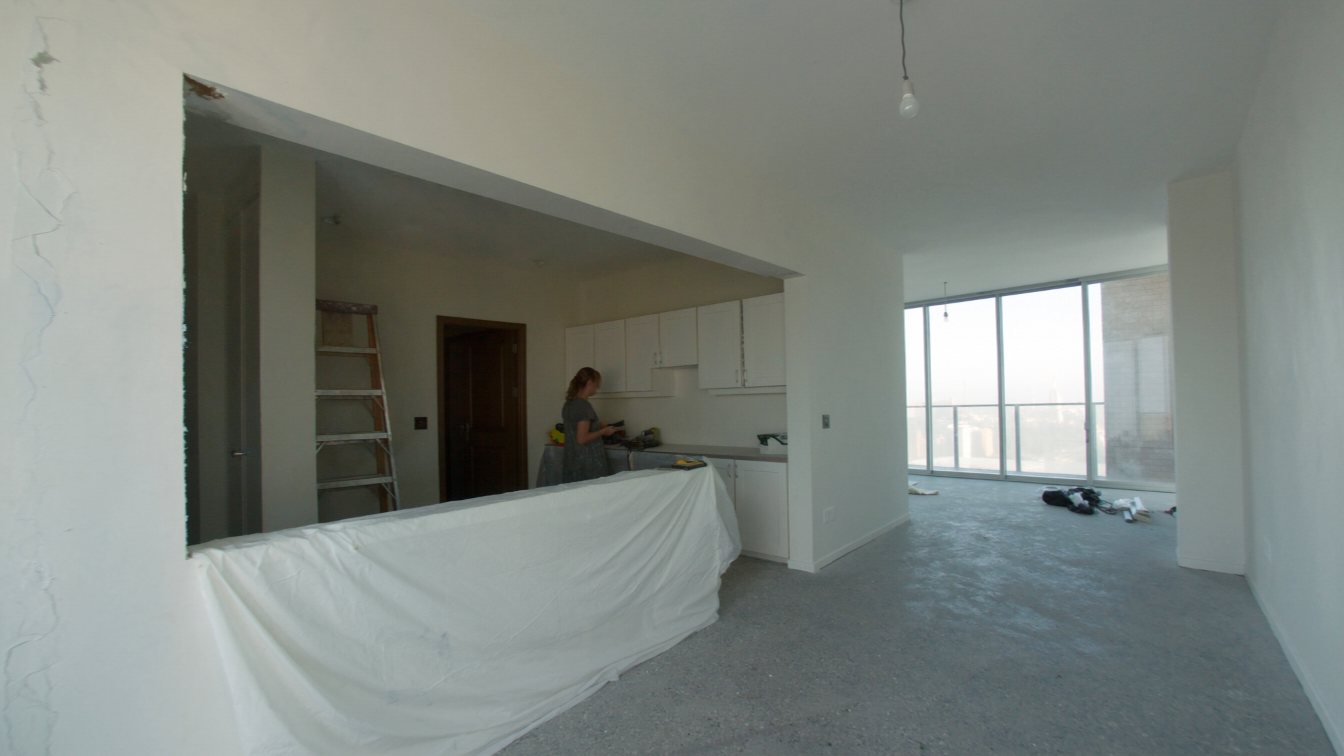
Opening a wall between two condominium units almost always touches the common elements, which requires board approval and an agreement under section 98 of the Condominium Act, 1998. That gets you one home. Making it one unit on title is a separate and much bigger step — an amendment to the declaration and description under section 107, requiring a surveyor’s form, registration, and potentially Planning Act approval. Most combinations never take that second step, which means the owner keeps two units, two sets of common expenses and two tax bills.
On the Etobicoke waterfront this is not an academic question. Only about ten buildings contain suites of 2,000 square feet or more, and at any moment two or three are actually for sale. For a buyer who needs that space in a specific building, buying two adjacent suites is frequently the only route — and it is how some of the largest homes on this shoreline came to exist.
This page is general information, not legal advice. Combining units is a transaction your lawyer, an engineer and the corporation all need to be involved in from the start.
It has been done here
The clearest documented example on this waterfront is Suite 3501 at Palace Place, 1 Palace Pier Court — approximately 4,022 square feet, described in its own marketing as a merger of two suites. Palace Place’s standard inventory tops out around 2,894 square feet, so the largest home in the building exists only because somebody combined.
That is the pattern to understand: in buildings where the floor plans stop short of what you need, the largest homes are usually not floor plans at all.
Step one: the wall is probably not yours
The wall between two units is generally either a common element or a boundary defined by the declaration. Either way, removing it is a change to the common elements, not a renovation inside your own four walls.
The Condominium Authority of Ontario is direct about what that requires: most owner-proposed changes to common elements need board approval and a formal agreement under section 98 of the Act. In practice that means:
- a written proposal to the board, with drawings;
- a structural engineer’s report — the board will not approve on your word that the wall is non-load-bearing;
- a section 98 agreement, which typically assigns you the ongoing responsibility for maintaining, repairing and insuring the alteration, and is registered on title so it binds future owners;
- a City of Toronto building permit.
The board can say no. There is no right to combine. Before you buy anything on the theory that you will merge it, get the board’s position in writing — and read the declaration and rules, which sometimes address this directly.
Thinking about buying or selling here?
I work this area every week and I will give you a straight answer, including when the answer is to wait. No pressure, and no drip campaign you cannot get out of.
Call or text 833-330-1925 Send me a message
Jatin Dua, Broker of Record — RE/MAX Quantum Realty Inc., Brokerage. Not intended to solicit buyers or sellers currently under contract with another brokerage.
Step two, which most people skip: making it one unit on title
A section 98 agreement lets you knock the wall down. It does not merge the two units in law. For that, the declaration and description have to be amended.
Ontario’s land registration rules set out two routes:
- Section 107 — amendment of the declaration and description with the owner’s consent. A surveyor must document the amendment in Form 1 under Ontario Regulation 49/01, and that form must be registered before the amendment is made. Planning Act approval may be required, with a certificate from the planning authority.
- Section 109 — amendment by court order, which must itself be registered.
This is surveyor-and-lawyer work, it takes time, and it involves the corporation. It is why so many combined suites are never formally merged.
What it costs you to skip step two
If the units are physically one home but legally still two, then for as long as you own it:
- you pay two sets of common expenses, calculated on the two original unit factors — there is no discount for the wall being gone;
- you receive two property tax bills;
- you hold two votes at meetings, and typically two parking and locker allocations, which is the one item in this list that works in your favour;
- on resale you are selling two units together, which needs to be structured properly and disclosed clearly.
None of that is fatal. Plenty of people live very happily in a legally-two, physically-one home. But it should be a decision you made, not something you discover at closing.
The resale question, answered honestly
A combined suite is a narrower market on the way out than it was on the way in. The buyer pool for a 4,000 square foot condominium is small to begin with; the pool for one that is legally two units, subject to a registered section 98 agreement, is smaller again. Appraisal and financing can both take longer because the comparables are thin and the title is unusual.
That is not a reason to avoid it. It is a reason to buy the combination at a price that reflects it, and to keep every document — the engineer’s report, the section 98 agreement, the permit, the surveyor’s plan — in one file from day one. The next buyer’s lawyer will ask for all of it.
Before you commit to this route
In order:
- Read the declaration and rules of the specific corporation. Some address alterations and combinations directly.
- Ask the board, in writing, whether they have approved a combination before and on what terms. A corporation that has done it once has a template; one that never has is an unknown.
- Get the status certificate for both units — two units, two certificates, $100 maximum each.
- Engage a structural engineer before, not after, the offer goes firm. Whether that specific wall can come out is the entire premise.
- Decide with your lawyer whether you will pursue a section 107 amendment, and price the professional fees in before you buy, not afterwards.
Done in that order, combining is a legitimate and sometimes the only way to get a large home in a building you actually want. Done in the wrong order, it is two condominiums you cannot join and did not want separately.
Thinking about this building?
Send me the unit number or the listing link. I’ll tell you what I actually know about the building, what I’d want to see in the status certificate, and whether the price makes sense against what has sold. No pitch, no obligation.
[email protected] · 833-330-1925 · Book a free consultation
Confidential. Reviewed personally and answered within 24 hours. I never share, sell or distribute your information.
Frequently asked questions
Can you combine two condo units in Ontario?
Usually yes, with permission. Removing the wall between two units affects the common elements, which requires board approval and a formal agreement under section 98 of the Condominium Act, 1998, plus a structural engineer’s report and a City building permit. The board is not obliged to agree.
Do two combined condo units become one unit on title?
Not automatically. That requires amending the declaration and description under section 107 of the Condominium Act with owner consent, documented by a surveyor in Form 1 under Ontario Regulation 49/01 and registered before the amendment, or by court order under section 109. Many combinations never take this step.
Do you pay two maintenance fees on a combined condo?
If the units were never formally merged on title, yes. You pay two sets of common expenses based on the original unit factors, receive two property tax bills, and hold two votes at meetings. Removing the wall does not change the unit factors.
What is a section 98 agreement?
An agreement between an owner and the condominium corporation covering a change the owner makes to the common elements. It is typically registered on title, binds future owners, and usually places responsibility for maintaining, repairing and insuring the alteration on the owner.
Is a combined condo harder to sell?
It can be. The buyer pool for a very large condominium is small, and smaller again where the home is legally two units subject to a registered section 98 agreement. Appraisal and financing can take longer because comparables are thin. Keeping the engineer’s report, agreement, permit and survey together in one file makes the resale substantially easier.
Sources
- Condominium Authority of Ontario — What are common elements in a condo and can you change them. The statement that most owner-proposed changes to common elements require board approval and a formal agreement under section 98 of the Condominium Act, 1998. Accessed 24 August 2026.
- Ontario land registration bulletin 2002-4 — Procedures for amending condominium descriptions under sections 107 and 109. Section 107 amendment with owner consent, the surveyor’s Form 1 under Ontario Regulation 49/01, the requirement that it be registered before the amendment is made, possible Planning Act approval, and the section 109 court-order route. Accessed 24 August 2026.
- Condominium Act, 1998 — Ontario e-Laws. The governing statute. Accessed 24 August 2026.
- Palace Place — Suite 3501. The approximately 4,022 square foot suite described as a merger of two suites, used as the documented local example. Accessed 24 August 2026.
Thinking about buying or selling here?
I work this area every week and I will give you a straight answer, including when the answer is to wait. No pressure, and no drip campaign you cannot get out of.
Call or text 833-330-1925 Send me a message
Jatin Dua, Broker of Record — RE/MAX Quantum Realty Inc., Brokerage. Not intended to solicit buyers or sellers currently under contract with another brokerage.
Related reading
- Humber Bay Shores condos over 2,000 square feet
- What a status certificate actually tells you before you buy
- Palace Pier vs Palace Place
- What a 2,000 sq ft Humber Bay condo costs to carry
About the author — Jatin Dua, Etobicoke real estate agent
I’m the Broker of Record at RE/MAX Quantum Realty, 799 The Queensway in Etobicoke, a few minutes from every building on this page. I work with buyers, sellers and investors across Mimico, Humber Bay Shores, New Toronto, Long Branch, Alderwood and the Stonegate–Queensway corridor. I write these building guides the way I’d brief a client at my own kitchen table: what is documented, what isn’t, and where the published numbers disagree with each other.
Questions about a specific suite? [email protected] or 833-330-1925.