

Published 10 September 2026 · By Jatin Dua, Broker of Record, RE/MAX Quantum Realty
Buying a condominium in Etobicoke is eight steps: get properly pre-approved, pick the corridor before you pick the unit, understand what the common expenses actually cover in that building, view with a checklist, offer with conditions that protect you, have a lawyer read the status certificate, budget 3–4% of the price in cash for closing, and plan for the reserve fund contribution and adjustments. The two decisions that matter most are the corridor and the corporation — not the finishes.
Step 1: Get pre-approved, and understand what the number means
A pre-approval is a lender’s conditional opinion of what you could borrow plus a rate hold. It is not a mortgage, and critically for condominium buyers, it says nothing about the building. A lender can be perfectly happy with you and decline the property — a thin reserve fund, a large special assessment, high non-resident ownership or litigation against the corporation will all give an underwriter pause.
Your amount is calculated at the minimum qualifying rate, not your quoted rate: for uninsured mortgages at federally regulated lenders that is the greater of your contract rate plus two percentage points, or 5.25%. Ask your broker for the qualifying rate used and what they assumed for property tax and common expenses, because if the common expense estimate was low your real ceiling is lower than the letter says.
Step 2: Choose the corridor before the unit
Etobicoke condominiums cluster in five distinct corridors that behave differently on price, on resale liquidity, and on what daily life is like. Choosing the wrong corridor is a mistake you cannot renovate your way out of.
| Corridor | Character | Watch for |
|---|---|---|
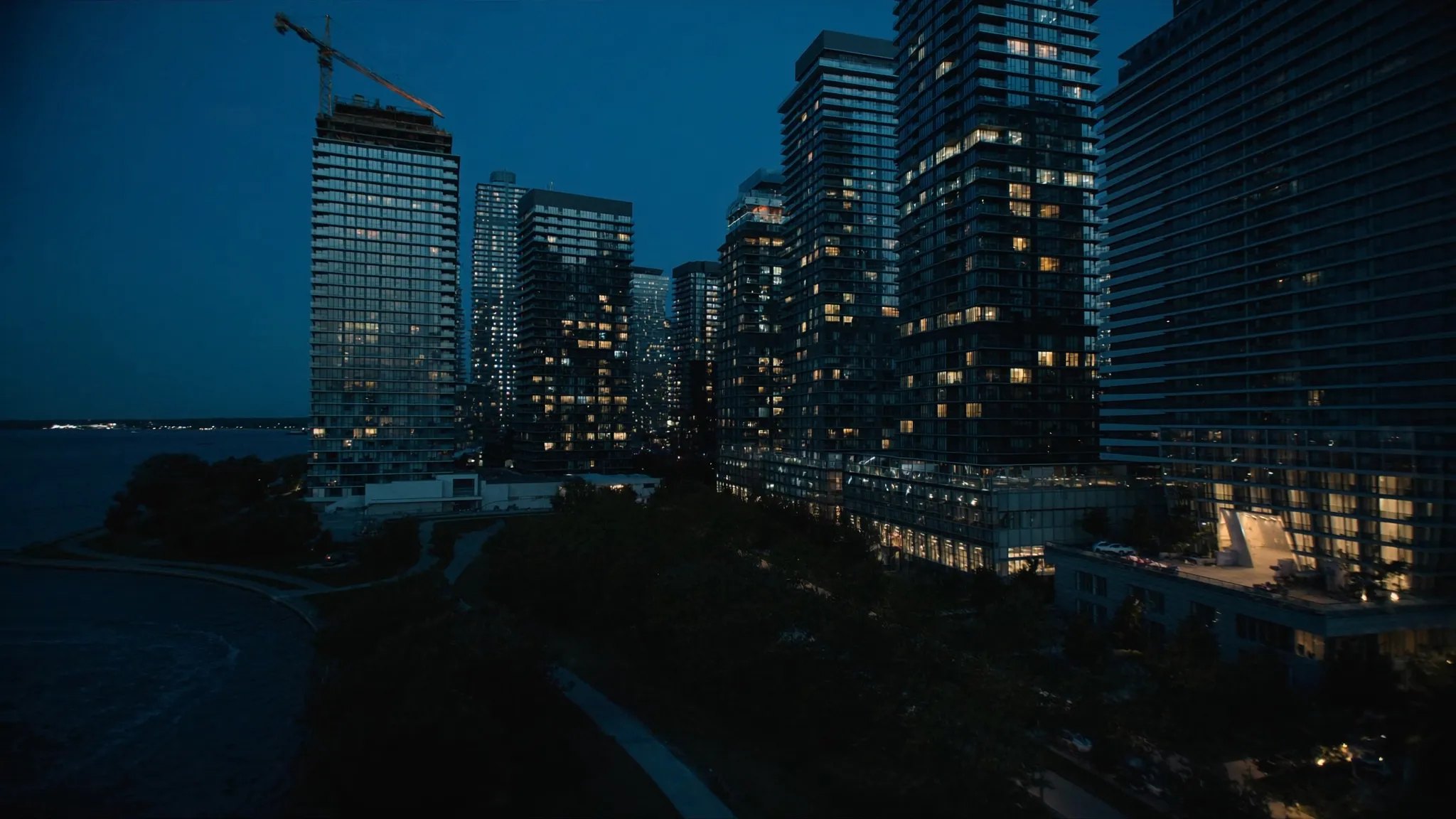
| Humber Bay Shores | Newer glass towers on the waterfront, dense, amenity-heavy, strong lake and skyline views | Traffic on Lake Shore at peak, high amenity load in the fees, unit-to-unit view differences worth six figures |
| The Queensway | Mid-rise, mostly 2015 onward, big-box retail at the door, Gardiner access | Which side of the street you face, noise from the arterial, buildings still filling their reserve funds |
| Mimico and Mimico GO | Mix of new towers and older low-rise, the strongest commuter story in the west end | Walking distance to the station is not the same as being near it; check the actual route |
| Islington City Centre and Six Points | Subway-adjacent, office and civic uses, a redeveloping node | Construction activity, and the difference between a five-minute and a fifteen-minute subway walk |
| Older Etobicoke corporations | 1970s and 1980s buildings across Rexdale, Markland Wood, Kipling and Royal York | Larger suites and lower prices, but higher fees and reserve funds doing real work |
Spend a weekday evening and a Saturday morning in your shortlisted corridor before you make an offer anywhere. Commutes, noise and parking all read differently in person than on a map.
Step 3: Read the fees properly
Common expenses are the number buyers judge fastest and understand least. A $780 fee is not worse than a $480 fee. What matters is what is inside it and what condition the building is in.
Ask, for every building on your shortlist:
- What is included? Heat, hydro, water and internet vary enormously between corporations. An older building with heat, hydro and water included at $760 can be cheaper to live in than a newer one at $520 plus separately metered utilities.
- Is the unit separately metered for hydro? Most newer buildings are.
- What amenities is the fee carrying? A pool, a concierge, a party room, guest suites and a gym are real recurring costs. If you will not use them, you are paying for someone else’s.
- What is the fee history? Three years of increases tells you more than one year’s number.
- How healthy is the reserve fund? This is the question, and the answer is in the status certificate.
Step 4: View with a checklist, not with your eyes
Finishes are the cheapest thing in a condominium to change and the easiest thing to be seduced by. These are the things you cannot change.
- Exposure. South and west get sun and heat; north is consistent and cool; east is bright in the morning. In a glass tower this is a comfort and hydro-bill decision, not an aesthetic one.
- The view corridor, and what could be built into it. Look at the parking lots and low-rise buildings between you and your view. Ask what is zoned or proposed.
- Floor and stack. Above the podium, away from the garbage chute room and the elevator machinery.
- Layout efficiency. Long interior hallways, a bedroom without a real window, and awkward columns waste square footage you paid for.
- Noise. Stand still for two minutes with the agent quiet. Listen for the arterial road, the elevator, the HVAC and the neighbours.
- Parking and locker. Confirm whether they are owned, exclusive-use common elements, or rented — and where they physically are.
- In-suite HVAC. On older units the fan coil or heat pump is often the owner’s responsibility and replacement is not cheap.
Thinking about buying or selling here?
I work this area every week and I will give you a straight answer, including when the answer is to wait. No pressure, and no drip campaign you cannot get out of.
Call or text 833-330-1925 Send me a message
Jatin Dua, Broker of Record — RE/MAX Quantum Realty Inc., Brokerage. Not intended to solicit buyers or sellers currently under contract with another brokerage.
Step 5: Offer with the right conditions
Conditions are risk transfer, and each one you drop moves risk onto yourself. In a competitive situation you may not get all of these, but you should know what each is worth before you give it away.
- Financing. Protects you if the lender declines — including for reasons that are about the building rather than about you.
- Status certificate review. The most important condition in a condominium purchase. Ask for ten to fifteen business days, because the corporation has time to produce it and your lawyer needs time to read it.
- Inspection. Less standard on condominiums, genuinely useful on older units.
- Insurance. Rarely used, occasionally decisive on buildings with claims history.
- Sale of your current property, if applicable.
- Confirmation of parking and locker as described — owned versus exclusive use versus rented.
- Confirmation of the current common expenses and any special assessment levied or contemplated.
The deposit is separate from all of this. It is delivered on acceptance into the listing brokerage’s real estate trust account, and it is credited to you against the purchase price on closing. If a condition is not waived, the standard clauses return it in full — but a mutual release is usually needed before the brokerage can release it.
Step 6: The status certificate is the real due diligence
Under the Condominium Act, 1998 a corporation must provide a status certificate on request, and the fee is capped at $100 including taxes. It is the cheapest and most valuable document in the transaction. Have a lawyer read it — not you, and not your agent.
What it should tell you:
| Item | Why it matters |
|---|---|
| Common expenses for the unit, and whether they are in arrears | Arrears from the seller can become your problem |
| Any increase in common expenses since the budget | A mid-year increase signals a budget that did not hold |
| Special assessments levied or, importantly, contemplated | The word “contemplated” is doing real work here |
| The reserve fund balance and the reserve fund study | A fund that is small relative to the building’s age and upcoming work means assessments or fee increases ahead |
| Legal proceedings the corporation is party to | Litigation can affect both fees and lender appetite |
| The declaration, by-laws and rules | Pets, short-term rentals, flooring, balcony use, and what you may alter |
| Insurance the corporation carries, and the deductible | The corporation’s deductible can land on an owner in some circumstances |
| Whether the unit is subject to any lien | A lien registered for arrears follows the unit |
Step 7: Budget the closing costs in cash
Etobicoke is inside the City of Toronto, so both the provincial land transfer tax and the Toronto Municipal Land Transfer Tax apply. On a $700,000 condominium that is $10,475 plus $10,475 — $20,950 — and none of it can be added to your mortgage. Add legal fees, disbursements, title insurance, the status certificate and its review, a reserve fund contribution equal to roughly two months of common expenses, and adjustments for prepaid property tax and common expenses. Three to four per cent of the purchase price in cash is a realistic planning figure on a resale, and more on a pre-construction closing.
First-time buyers can claim a provincial refund of up to $4,000 and a Toronto rebate of up to $4,475. Confirm eligibility and timing with your lawyer — do not assume it arrives as a discount at closing.
Step 8: The last two weeks
- Have your funds liquid and traceable well in advance. Lenders check the source of down payment funds over ninety days.
- Do not change jobs, buy a car, or open a store credit card. Lenders re-pull credit before funding.
- Book the elevator with the property manager as soon as you have a firm closing date. Popular Etobicoke buildings fill their move-in slots weeks out.
- Arrange your own condominium unit insurance. The corporation’s policy does not cover your contents, your improvements, or your liability.
- Do the pre-closing visit. You are entitled to see the unit again before closing under the standard form; use it.
The five questions that decide the purchase
- Is the reserve fund adequate for what this building is about to need?
- What do the common expenses actually include, and what have they done over three years?
- Is there a special assessment levied, or contemplated?
- Can anything be built into my view, and how do I know?
- Are the parking space and locker owned, exclusive use, or rented?
Everything else — the backsplash, the appliance brand, the paint — is negotiable, replaceable, or irrelevant.
Frequently asked questions
What are the best areas to buy a condo in Etobicoke?
It depends on what you are optimising for. Humber Bay Shores offers waterfront and views with heavy amenities; the Queensway offers newer mid-rise stock with retail at the door and Gardiner access; Mimico has the strongest commuter story via the GO station; Islington City Centre is the subway-adjacent option; and the older corporations across Rexdale, Markland Wood, Kipling and Royal York offer much larger suites for the money. Choose the corridor before the unit.
How much are closing costs on an Etobicoke condo?
Budget 3% to 4% of the purchase price in cash on a resale, and more on a pre-construction closing. Both land transfer taxes apply because Etobicoke is in the City of Toronto: on a $700,000 purchase that is $20,950 before legal fees, disbursements, title insurance, the status certificate, the reserve fund contribution and adjustments. None of the land transfer tax can be financed.
What should my lawyer look for in the status certificate?
The reserve fund balance against the reserve fund study, any special assessment levied or contemplated, common expense arrears on the unit, legal proceedings the corporation is party to, the corporation’s insurance and deductible, any lien on the unit, and the declaration, by-laws and rules covering pets, rentals, flooring and alterations. The fee for the certificate itself is capped at $100 including taxes.
Are high condo fees always a bad sign?
No, and treating them that way is one of the most expensive mistakes buyers make. A higher fee that includes heat, hydro and water, and that funds a healthy reserve, can be cheaper to live with than a low fee on a building with a thin reserve and major work approaching. Compare what is included, look at three years of increases, and read the reserve fund position before judging the number.
Should I buy pre-construction or resale in Etobicoke?
Resale gives you a finished unit, a known corporation, a real status certificate and a closing date you can plan around. Pre-construction gives you a new building and a longer runway, at the cost of occupancy fees during interim occupancy, builder-charged closing costs including development levies, HST treatment that depends on whether you will occupy it, and delivery dates that move. Read the agreement during the ten-day cooling-off period.
Do I need a condition to review the status certificate?
You should insist on one wherever the market allows it. Ask for ten to fifteen business days: the corporation has statutory time to produce the certificate and your lawyer needs time to read it properly. Waiving it means accepting the corporation’s finances, its litigation, its rules and any contemplated special assessment sight unseen.
Is my parking space included with the unit?
Not necessarily, and the distinction matters. A space can be owned as a separate unit, granted as an exclusive-use common element, or simply rented from the corporation or another owner. Only the first two convey with the purchase, and a rented space can be taken away. Confirm the status in writing and confirm where the space physically is before you firm up.
What insurance do I need as a condo owner?
Your own unit policy. The corporation insures the building and the common elements, not your contents, not your improvements and betterments, and not your personal liability. Some policies also cover the corporation’s deductible where an owner is responsible for a loss, which is worth asking about. Arrange it before closing, because your lender will want confirmation.
Sources
- Condominium Act, 1998 — status certificates, the prescribed fee cap, reserve funds and reserve fund studies. Accessed 10 September 2026.
- Ontario Ministry of Finance — Land Transfer Tax — the provincial brackets and the first-time purchaser refund. Accessed 10 September 2026.
- City of Toronto — Municipal Land Transfer Tax — the Toronto brackets and rebate. Accessed 10 September 2026.
- OSFI — Minimum qualifying rate for uninsured mortgages — contract rate plus 2% or 5.25%, whichever is greater. Accessed 10 September 2026.
- TRREB Market Watch, August 2026 — Etobicoke sales and price data. Accessed 10 September 2026.
Related reading
- Closing costs on an Etobicoke condo in 2026
- Every Etobicoke condo building, by area
- What to look for in a condominium status certificate
- Condo maintenance fees in Etobicoke, explained
- Mortgage pre-approval in Ontario: what it actually guarantees
- Pre-construction vs resale condos in Etobicoke
About the author — Jatin Dua, Etobicoke real estate agent
I am Jatin Dua, Broker of Record at RE/MAX Quantum Realty Inc., Brokerage, Unit 101, 799 The Queensway in Etobicoke, with more than four years of active GTA transactions and over $100M in sales volume. My office is on the Queensway, which means I have watched most of these buildings go up and have read a great many of their status certificates.
Reach me at connect@jatindua.com or 833-330-1925.