
Published 2 November 2026 · By Jatin Dua, Broker of Record, RE/MAX Quantum Realty
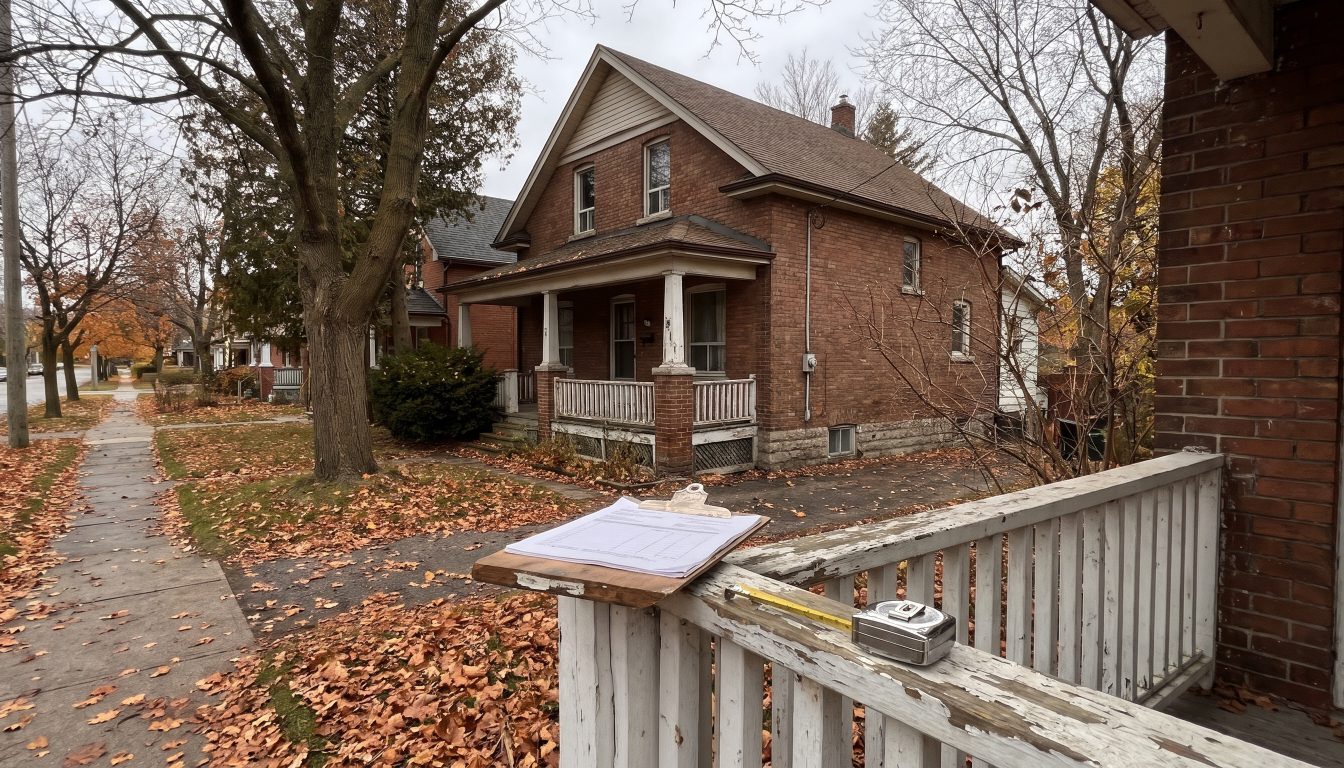
An Ontario home appraisal is a lender-ordered opinion of value built mainly from 3 to 10 or more recent comparable sales. In 2027 the biggest thing lowering appraisals is those comparables: GTA detached medians fell about 6% to 16% from 2024 to 2026. Prepare an upgrade sheet, fix visible defects, and ask for a review or another lender if it comes in low.
This guide is for Ontario homeowners who are selling, refinancing or renewing in 2027 and want to know how a bank appraisal works, what pulls the number down, and what to do before and after the appraiser visits. It uses the Appraisal Institute of Canada’s own guidance and the latest GTA sales data.
What does a home appraiser actually do in Ontario?
An appraisal is a written opinion of what your home would most likely sell for on a set date. For a mortgage, the lender orders it and the lender is the appraiser’s client, even when you pay the fee. The Appraisal Institute of Canada (AIC) says the appraiser needs the lender’s written permission to give a copy of the report to anyone else, including you.
Most residential appraisers in Ontario hold one of two AIC designations:
- CRA (Canadian Residential Appraiser): homes with up to four units and vacant residential lots.
- AACI (Accredited Appraiser Canadian Institute): any property type, including commercial and land.
Ontario does not license appraisers. AIC says only Nova Scotia and New Brunswick require a licence. Federal banks are expected under OSFI Guideline B-20 to use appraisers who are designated, licensed or certified and who are independent from the loan decision.
How the visit works
AIC tells homeowners to plan for an inspection of about 20 to 40 minutes. The appraiser measures the home, notes the layout, finishes, heating and cooling, garage and outbuildings, takes photos, and asks when the home was built and when major renovations were done. They may also ask about any listings or offers on your home in the past 12 months and any sales in the past three years. Interior photos need your consent.
Most of the work happens after the visit. AIC says appraisers usually study between 3 and 10 or more comparable sales, then adjust each one up or down for differences in size, condition, location and features. This is called the direct comparison approach. The adjusted prices give a range, and the appraiser picks a value inside it.
Why are appraisals coming in lower going into 2027?
Because the comparable sales are lower. An appraisal looks backward at what similar homes actually sold for, and across the GTA those prices have dropped two years in a row. When your own price expectations are set by what a neighbour got in 2024, the appraiser’s 2026 comparables will not support it.
| Municipality | Detached median 2024 | Detached median 2026 | Change | Condo apt median 2024 | Condo apt median 2026 | Change |
|---|---|---|---|---|---|---|
| Mississauga | $1,371,085 | $1,225,000 | -10.7% | $583,000 | $485,000 | -16.8% |
| Brampton | $1,127,250 | $950,000 | -15.7% | $540,000 | $415,000 | -23.1% |
| Vaughan | $1,590,000 | $1,415,000 | -11.0% | $635,000 | $530,000 | -16.5% |
| Markham | $1,650,000 | $1,420,000 | -13.9% | $700,000 | $558,000 | -20.3% |
| Oakville | $1,763,000 | $1,625,000 | -7.8% | $620,000 | $528,000 | -14.8% |
| Burlington | $1,325,000 | $1,249,750 | -5.7% | $596,000 | $529,950 | -11.1% |
| Oshawa | $835,000 | $730,000 | -12.6% | $441,000 | $340,500 | -22.8% |
| Hamilton | $825,000 | $736,750 | -10.7% | $459,000 | $380,000 | -17.2% |
Source: TRREB MLS data via REALM, median sold prices for January to October 2024 and January to October 2026, municipality level. Hamilton covers sales recorded on TRREB’s MLS System only.
The trend has not turned yet. TRREB reported that the GTA’s MLS Home Price Index composite benchmark was down 4.3% year over year in October 2026, and homes sold for an average of 97% of their list price. The Bank of Canada raised its policy rate to 2.50% on 28 October 2026, which keeps buyers cautious. OSFI’s B-20 guideline also asks lenders to make sure valuations reflect the current price level, so appraisers have little room to lean on older, higher sales.
What lowers a home appraisal?
In plain terms, anything that makes your home look worse than the homes it is compared with, or anything that leaves the appraiser with weak comparables.
- Lower recent sales nearby. This is the biggest factor in 2027, as the table shows.
- Visible defects and repairs. AIC lists deficiencies and required repairs among the things an appraiser records. A stained ceiling, a cracked window or an old roof all give the appraiser reasons to adjust down.
- Over-improvement. AIC warns that money spent on a renovation does not always come back in value. Its own example: a $30,000 kitchen may be more than buyers in some areas will pay for.
- Unusual design. AIC notes that features uncommon for a market can hurt resale, which makes comparables harder to find.
- Missing information. If the appraiser does not know about a new furnace, roof or insulation work, it cannot be counted. AIC specifically asks owners to tell the appraiser about energy-efficiency upgrades.
- A price set by a bidding war. When a buyer pays well above recent sales, the appraisal can only follow the comparables, not the excitement on offer night.
Location also matters, but you cannot change it. Busy roads, power lines or a backing onto commercial land show up in the comparables the appraiser chooses and the adjustments they make.
Does a low appraisal affect the seller or only the buyer?
Both. The buyer’s lender lends on the appraised value, not on the price. AIC says that if the price is well above the appraised value, the buyer may not get the full loan they expected. The gap has to come from the buyer’s cash, or the deal is in trouble.
If the buyer’s offer had a financing condition, a low appraisal can let them walk away or ask you for a lower price before the condition date. If the offer was firm, the buyer is still bound, but a buyer who cannot close creates a dispute over the deposit. RECO reminds buyers that a mortgage pre-qualification does not remove the need for a financing condition. I explain the buyer’s side in detail in my post on what happens when the appraisal comes in low.
For a seller, the lesson is simple: a price that comparable sales can support is more likely to close.
Instant Home Valuation
What’s your home
worth today?
Answer six quick questions and get an instant value range built from current Toronto & GTA sale data — property type, size, condition, lot and location all weighted the way a real pricing conversation weighs them. Takes about ninety seconds.
Reading recent GTA sale data…
Building your estimate
Estimated market value
—
$0–$0
Most likely value $0 · roughly $0 per square foot
What moved the number
Starting from the area baseline for your property type, here’s what each answer added or subtracted.
Market context
Recent local averages for comparison.
—
A range is a starting point.
A strategy is what sells.
This model doesn’t know that your neighbour’s identical semi went $80,000 over asking last month, or which two upgrades actually pay back in your area. That conversation is free and takes twenty minutes.
How do you prepare your home for an appraisal?
You cannot argue an appraiser into a higher number, but you can make sure nothing is missed. Here is the checklist I give sellers and owners who are refinancing:
- Make a one-page upgrade sheet. List each major job with the year and the approximate cost: roof, windows, furnace, air conditioner or heat pump, kitchen, bathrooms, basement, insulation. Attach permits where you have them.
- Gather documents. Your survey, any building permits, warranty papers for big systems, and for a condo, your unit’s square footage and parking or locker details.
- Do the cheap fixes. AIC says fresh paint, new hardware, light fixtures and bathroom fixtures can modernize a home without big spending. Replace burnt bulbs, fix dripping taps and patch obvious damage.
- Open every space. Clear access to the furnace room, attic hatch, crawl space, garage and any outbuilding.
- Share good comparables. If you or your agent know of recent sales that truly match your home, put the addresses on the sheet. The appraiser decides what to use, but a well-chosen comparable is useful information.
- Be honest about the past year. If the home was listed or had offers, say so. The appraiser may ask.
Appraisal vs CMA vs MPAC assessment: which number matters?
Homeowners often mix these up. They answer different questions, and in a falling market they can sit far apart.
| Number | Who makes it | What it is for | What it is based on |
|---|---|---|---|
| Appraisal | Designated appraiser hired for a client, often a lender | Mortgage lending, refinancing, estates, disputes | Recent comparable sales, adjusted, plus an inspection |
| Comparative market analysis (CMA) | Your real estate agent | Setting a list price and strategy | Recent sales, active listings and expired listings |
| MPAC assessment | Municipal Property Assessment Corporation | Property tax only | A province-wide valuation date set by law, not today’s market |
| Online estimate | A computer model | A quick starting point | Public data, without seeing your home |
Sources: Appraisal Institute of Canada; OSFI Guideline B-20 on automated valuation tools.
A CMA also looks at what is for sale right now, which tells you about competition. An appraisal is tied to closed sales. For a deeper comparison, read my guide to AI valuations, CMAs and bank appraisals, or see what a CMA includes.
What can you do if the appraisal comes in low?
Start by finding out why. The report belongs to the lender, so ask the lender, in writing, for a copy or at least the comparables used. AIC says whether you get the report is the lender’s business decision.
- Ask the lender to take a second look. OSFI’s B-20 guideline expects federally regulated lenders to have a process for critically reviewing and challenging valuations, and not to rely on a single method. Give them better comparables and your upgrade sheet.
- Try another lender. A different lender may order a new appraisal from a different appraiser or use another valuation method.
- Change the deal. On a purchase, the buyer can add cash or both sides can agree on a lower price before conditions expire.
- Borrow less. On a refinance, a lower value simply means less equity to borrow against.
A complaint to AIC will not change the number. AIC’s review process looks at whether an appraiser followed professional standards, not at what the value should be. If you want the value itself tested, the route is a review by another appraiser, at your cost.
How do appraisals affect refinancing and renewals in 2027?
AIC lists three common times an appraisal is ordered: a new mortgage for a purchase, a renewal at the end of a term, and an application for a line of credit or renovation loan. B-20 says lenders should recalculate the loan-to-value ratio on any refinancing.
This matters for people who bought between 2021 and 2024. If your home is now worth less than you paid, a new appraisal can show less equity than you expect. That can affect how much you can borrow, whether a new lender will take your mortgage at renewal, and the rate you are offered. If you plan to switch lenders when your term ends, read my notes on switching lenders at renewal and on renewal options after the October 2026 rate hike.
Do not spend on a big renovation just to raise an appraisal before a refinance. AIC is clear that the payback depends on what local buyers will pay, and many projects return less than they cost. Get a value opinion on the finished home before you start, not after.
Who pays for an appraisal in Ontario, and how much does it cost?
The borrower usually pays, even though the lender is the client. AIC does not publish a price list. It says fees are generally flat, based on how complex the job is and how many hours it takes, and are not tied to the home’s value. Ask your lender or broker what the fee will be before the appraisal is booked, and whether you will get a copy of the report.
You can also hire your own designated appraiser before you list or before a big decision such as an estate, separation or tax filing. In that case you are the client and the report is yours.
In 2027 the safest assumption is that an appraiser will land close to the median of the last few months of real sales, not last year’s best result on your street. When I price a home, I build it from the same kind of comparables an appraiser will use, so the buyer’s lender is less likely to be surprised. A list price that the comparables support may feel conservative, but it is the price most likely to actually close.
What to do next
- Pull the last three to six months of sold comparables for your home type and area, and note the median.
- Write your one-page upgrade sheet and gather permits, your survey and warranties.
- Do the low-cost repairs and cosmetic fixes now, before any appraisal or listing photos.
- If you are refinancing or switching lenders, ask the lender what valuation method they will use and what the fee is.
- Use the estimator on this page for a starting range, then ask for a written CMA before you set a price.
Need help with this? Talk to me.
I’m Jatin Dua, Broker of Record at RE/MAX Quantum Realty, and I’m the best agent to do this kind of work for you in Toronto and across the GTA. Over $100 million in GTA sales and 100+ families helped sell. Feel free to contact me any time: call or text 833-330-1925 or email [email protected].
Frequently asked questions
What lowers a home appraisal in Ontario?
Lower recent sales of similar homes nearby are the main cause in Ontario in 2027. Appraisers adjust comparable sales for differences, so visible repairs, dated systems, over-improvements buyers will not pay for and unusual layouts also pull the value down. Missing information hurts too: if the appraiser does not know about a new roof, furnace or insulation, it cannot be counted.
Can I get a copy of my appraisal report in Ontario?
Not automatically. When a lender orders the appraisal, the lender is the client, and the Appraisal Institute of Canada says the appraiser needs the lender’s written permission to release it, even to the person who paid. Ask the lender in writing early. If you hire your own appraiser, you are the client and the report is yours.
How long does a home appraisal take in Ontario?
The visit itself usually takes about 20 to 40 minutes, according to the Appraisal Institute of Canada. Most of the work happens afterward, when the appraiser studies comparable sales and writes the report. How long the written report takes depends on the appraiser’s workload and the lender’s process, so ask your lender when you book.
Do appraisers use the list price or the sale price?
Appraisers in Ontario rely mainly on what comparable homes actually sold for, adjusted for differences. Your list price and your agreed price are not the value. A lender lends on the appraised value, so if a buyer agreed to pay more than the comparables support, the buyer must cover the gap in cash or renegotiate.
What happens if a house appraises lower than the offer in Ontario?
The buyer’s lender will lend on the lower appraised value, so the buyer needs more cash to close. If the offer had a financing condition, the buyer can usually renegotiate or walk away before the condition date. If the offer was firm, the buyer is still bound, and failing to close can lead to a dispute over the deposit and damages.
Does a renovation increase appraisal value in Ontario?
Sometimes, but rarely dollar for dollar. The Appraisal Institute of Canada says the payback depends on what local buyers will pay, and gives the example that a $30,000 kitchen may be an over-improvement in some areas. Kitchens, bathrooms, flooring, windows and energy upgrades tend to help most. Always tell the appraiser what was done and when.
Is an MPAC assessment the same as an appraisal?
No. An MPAC assessment is used only to calculate Ontario property tax and is based on a valuation date set by the province, not on today’s sales. An appraisal is a current opinion of market value based on recent comparable sales and an inspection. Lenders use appraisals or other valuation tools, not your tax assessment, to decide how much to lend.
Who pays for a home appraisal in Ontario?
The borrower usually pays, even when the lender orders the appraisal and is the client. The Appraisal Institute of Canada does not publish a fee schedule; it says fees are generally flat and based on the complexity of the job, not the value of the home. Ask your lender or broker for the exact fee before the appraisal is booked.
Do home appraisers need a licence in Ontario?
No. The Appraisal Institute of Canada says only Nova Scotia and New Brunswick require appraisers to be licensed. In Ontario, look for an AIC designation: CRA for homes with up to four units, or AACI for any property type. Federally regulated lenders are expected to use appraisers who are designated, licensed or certified.
Sources
- Appraisal Institute of Canada: For Residential Property Owners
- Appraisal Institute of Canada: A Consumer’s Guide to Understanding the Residential Appraisal Process
- Appraisal Institute of Canada: What Appraisers Do
- Appraisal Institute of Canada: Frequently Asked Questions
- OSFI Guideline B-20: Residential Mortgage Underwriting Practices and Procedures
- TRREB Market Watch, October 2026
- RECO: Competing offers (information for buyers)
- Bank of Canada: Policy rate raised to 2.5%, 28 October 2026
Related reading
- Seller Closing Costs in Ontario for 2027: Every Fee Before You Get Paid
- How to Sell a House in Toronto, Step by Step (2027)
- Closing Costs on a New Build in Ontario: What Builders Add
- How Much Is My House Worth in Caledon? (2027)
About the author — Jatin Dua, Toronto and GTA real estate broker
I am Jatin Dua, Broker of Record and co-founder of RE/MAX Quantum Realty Inc., Brokerage, Unit 101, 799 The Queensway, Toronto. I work with buyers and sellers across Toronto and the GTA and have helped more than 100 families sell. Four-plus years of active GTA transactions and over $100 million in sales volume.
Reach me at [email protected] or 833-330-1925, or book a call.