
Published 2 September 2026 · Updated 29 September 2026 · By Jatin Dua, Broker of Record, RE/MAX Quantum Realty
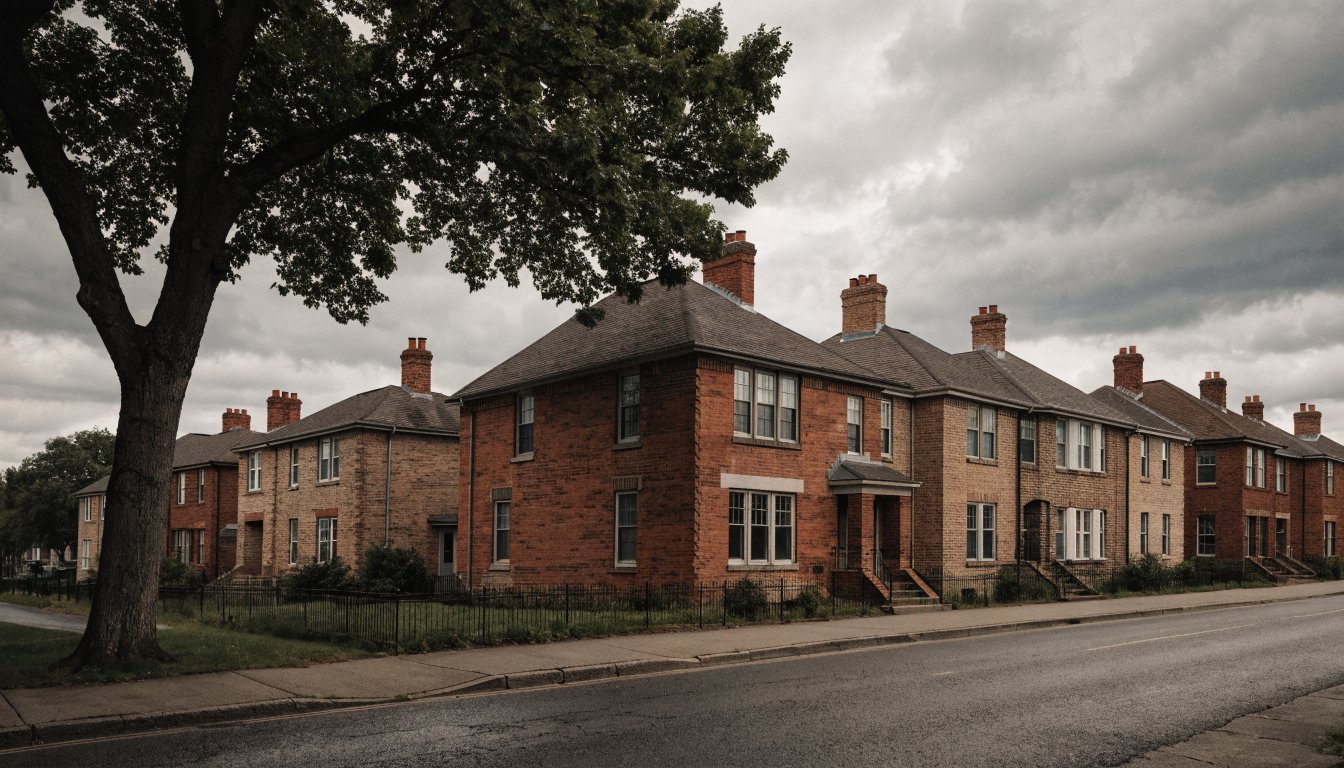
Ontario’s enforceable standard is twice the federal health guideline. O. Reg. 169/03, Schedule 2, item 36 sets lead at 0.010 mg/L. Health Canada’s maximum acceptable concentration, reduced on 8 March 2019 from the 0.01 set in 1992, is 0.005 mg/L. A Toronto house built before the mid-1950s may have a lead service pipe; the City offers free testing, and 311 will check City records in up to 30 business days. The City pays from the watermain to the property line; the homeowner pays from the property line into the house, and no dollar figure is published. Critically, the City warns that “cutting the pipe to replace just one portion can cause particles of lead to enter drinking water” and that Public Health strongly recommends replacing both sides at once.
If a Toronto house was built before the mid-1950s, it may have a lead water service pipe. And there is a fact about the testing that almost nobody knows.
Ontario’s legally enforceable standard for lead in drinking water is exactly twice Health Canada’s health-based guideline. O. Reg. 169/03 sets the Ontario standard at 0.010 mg/L. Health Canada’s maximum acceptable concentration, lowered on 8 March 2019 from the 0.01 set in 1992, is 0.005 mg/L.
So a result that is fully compliant in Ontario can still be double the federal guideline. “It passed” and “it meets the health guideline” are two different statements.
Three ways to find out
| Route | What the City says |
|---|---|
| Age | “If your house was built before the mid-1950s, it may have a lead water service pipe.” |
| Look at it | At the water meter: a pipe that is grey, scratches readily and does not sound hollow when tapped may be lead. A licensed plumber can confirm. |
| City records | Contact 311 and have staff check City records — allow up to 30 business days. |
And the City’s own conclusion: “Testing is the only way to know if your water has lead.” Toronto offers free lead testing to residents at Toronto Water accredited laboratories.
Note the 30 business days on the records route. That is six weeks, which does not fit inside a normal conditional period. If the age of the house makes this a live question, start it early or handle it as a post-closing item with a filter in the meantime.
Who pays for what
| Portion of the pipe | Who pays |
|---|---|
| From the watermain in the street to the property line | The City |
| From the property line into the house | The homeowner |
The City puts it directly: “The costs for replacing the private side of the pipe is the homeowner’s responsibility.” You may use the City’s contractor or hire your own. No dollar figure is published for the private-side cost, and I am not going to invent one.
Three programmes exist: the Priority Lead Water Service Replacement Program, where residents who commit to replacing their side can apply to have the City replace its side on a priority basis and the City aims to complete its portion within 12 weeks of approval; the Capital programme, where substandard pipes are replaced during planned road, sewer and watermain work; and emergency replacement.
The warning the City repeats twice
“Cutting the pipe to replace just one portion can cause particles of lead to enter drinking water, which can lead to a temporary spike in lead levels.”
And: “Toronto Public Health strongly recommends replacing your side of the lead service pipe at the same time that the City is replacing its side.”
Doing half the job can make the water worse in the short term. That is the reason the priority programme is structured around a commitment to replace both sides together, and it is the single most practical thing on this page.
Filters, and who can get help
The City provides a free faucet filter whenever it replaces the City-owned portion, and Toronto Public Health distributes free filters to participants in the Canada Prenatal Nutrition Programme. A faucet filter rebate is available to residents with lead pipes who meet criteria including an annual household income under $50,000. Filters must be NSF-053 certified for lead removal.
For households with infants the City advises continuing to breastfeed, using cold filtered tap water for formula, and until a filter is in place considering bottled or ready-to-feed formula.
What to do if you are buying a pre-1955 house
- Ask the seller whether the service has been replaced, and for any paperwork.
- Look at the pipe at the meter during the inspection.
- Request the City record via 311 early — 30 business days.
- Budget for the private side, and get quotes rather than assuming a figure.
- If only one side has been done, treat that as a reason to filter and to finish the job, not as reassurance.
- Read a test result against 0.005, not just 0.010. Compliance and the health guideline are not the same number.
Buying an older house and unsure about the water service?
On a pre-1955 Toronto house this is a real question and it has a slow answer — the City record takes up to thirty business days, which does not fit a normal conditional period. The practical sequence is to look at the pipe during the inspection, start the 311 request early, and budget the private side properly rather than guessing. Tell me the address and the age and I will help you plan the order of it. I am not a plumber and confirmation has to come from one.
[email protected] · 833-330-1925 · Book a free consultation
Confidential. Read personally and answered within 24 hours. I never share, sell or distribute your information.
Free tool — AI home value estimator
Instant Home Valuation
What’s your home
worth today?
Answer six quick questions and get an instant value range built from current Toronto & GTA sale data — property type, size, condition, lot and location all weighted the way a real pricing conversation weighs them. Takes about ninety seconds.
Reading recent GTA sale data…
Building your estimate
Estimated market value
—
$0–$0
Most likely value $0 · roughly $0 per square foot
What moved the number
Starting from the area baseline for your property type, here’s what each answer added or subtracted.
Market context
Recent local averages for comparison.
—
A range is a starting point.
A strategy is what sells.
This model doesn’t know that your neighbour’s identical semi went $80,000 over asking last month, or which two upgrades actually pay back in your area. That conversation is free and takes twenty minutes.
Frequently asked questions
What is the lead limit for drinking water in Ontario?
The enforceable Ontario standard is 0.010 milligrams per litre, set out in Schedule 2, item 36 of O. Reg. 169/03, Ontario Drinking Water Quality Standards. Health Canada’s guideline maximum acceptable concentration is 0.005 milligrams per litre, announced on 8 March 2019 as a reduction from the 0.01 milligrams per litre set in 1992. Ontario’s legal standard is therefore exactly twice the federal health-based guideline, which means a result that is compliant in Ontario can still be double the guideline.
How do I know if my house has a lead water pipe?
The City of Toronto publishes three routes. First, age: if the house was built before the mid-1950s it may have a lead water service pipe. Second, a visual check at the water meter — a pipe that is grey, scratches readily and does not sound hollow when tapped may be lead, and a licensed plumber can confirm by inspecting the basement. Third, City records: contact 311 and have staff check, allowing up to 30 business days. The City also states that testing is the only way to know if your water has lead, and offers free lead testing at Toronto Water accredited laboratories.
Who pays to replace a lead water service line in Toronto?
It is split at the property line. The City pays for the City-owned portion, from the watermain in the street to the property line. The homeowner pays for the private portion, from the property line into the home — the City states that the costs for replacing the private side of the pipe are the homeowner’s responsibility, and the homeowner may use the City’s contractor or hire their own. The City does not publish a dollar figure for the private-side cost.
Should I replace only my side of the pipe?
The City advises against doing half the job in isolation. It warns that cutting the pipe to replace just one portion can cause particles of lead to enter drinking water and lead to a temporary spike in lead levels, and states that Toronto Public Health strongly recommends replacing your side of the lead service pipe at the same time that the City is replacing its side. The Priority Lead Water Service Replacement Program is built around that: residents who commit to replacing their side can apply to have the City replace its side on a priority basis, with the City aiming to complete its portion within twelve weeks of approval.
Does Toronto provide water filters for lead?
Yes, in defined circumstances. The City provides a free faucet filter for lead removal whenever the City-owned portion of a lead water service is replaced, and Toronto Public Health distributes free filters to participants of the Canada Prenatal Nutrition Program. A faucet filter rebate is available to residents with lead pipes who meet criteria including an annual household income of less than $50,000. Filters must be NSF-053 certified for lead removal.
Related reading
- Toronto multi-tenant house licensing: the register a buyer can search
- Short-term rental rules compared across the GTA
- The Toronto tree by-law: $100,000 per tree
- Property standards orders: the 14 days that decide everything
Sources
Every figure on this page traces to one of these, and each was read on 1 September 2026. Primary sources only — statute, regulation, and the government or agency that administers the rule. Where I could not verify something from a primary source, the page says so instead of guessing.
- O. Reg. 169/03, Ontario Drinking Water Quality Standards. Government of Ontario e-Laws, consolidation period from 1 January 2020, last amended by O. Reg. 457/16. Schedule 2, item 36 sets the standard for lead at 0.010 milligrams per litre, expressed as a maximum concentration. Accessed 1 September 2026.
- Health Canada sets new guideline for lead in drinking water. Health Canada, 8 March 2019. Announces a maximum acceptable concentration for lead in drinking water of 0.005 milligrams per litre, reduced from 0.01 milligrams per litre set in 1992. Accessed 1 September 2026.
- Lead in drinking water — City of Toronto. City of Toronto, date modified 11 June 2025. States that a house built before the mid-1950s may have a lead water service pipe, that residents can contact 311 to have staff check City records with up to 30 business days to respond, that testing is the only way to know, and that free lead testing is available at Toronto Water accredited laboratories. Warns that cutting the pipe to replace just one portion can cause particles of lead to enter drinking water and cause a temporary spike, and that Toronto Public Health strongly recommends replacing the private side at the same time as the City side. Accessed 1 September 2026.
- Priority lead water service replacement program — City of Toronto. City of Toronto, date modified 31 July 2026. States that the City pays for the City-owned portion of the pipe from the watermain to the property line, that the cost of replacing the private side is the homeowner’s responsibility, that residents who commit to replacing their side can apply for priority replacement of the City side, and that the City aims to replace its portion within twelve weeks of approval. No dollar figure is published for the private-side cost. Accessed 1 September 2026.
About the author — Jatin Dua, Broker of Record
I’m the Broker of Record at RE/MAX Quantum Realty, 799 The Queensway in Etobicoke, and I work with buyers and sellers across the west GTA. Municipal by-laws are where a lot of real estate goes wrong — the rules differ from one side of a boundary road to the other, the fees change on dates nobody announces, and the consolidated PDF on a city website is often months behind what council actually passed.
Everything below is quoted from the municipality’s own by-law or page, with the date that source carries, so you can check it against the current version rather than take my word for it. Where a published document is out of date, or where a figure simply is not published anywhere, the page says so. [email protected] or 833-330-1925.