

Published 19 September 2026 · By Jatin Dua, Broker of Record, RE/MAX Quantum Realty
Mould is a moisture problem, so the fix is finding the water: foundation leaks, bathroom fans vented into attics, failed window seals or a neighbouring unit in a condo. A home inspection is visual and will not open walls, so budget for a specialist before your condition expires.
Mould is a symptom, not a disease. It grows where there is moisture, so the useful question is never “how do I clean this” but “where is the water coming from”.
Where it usually shows up here
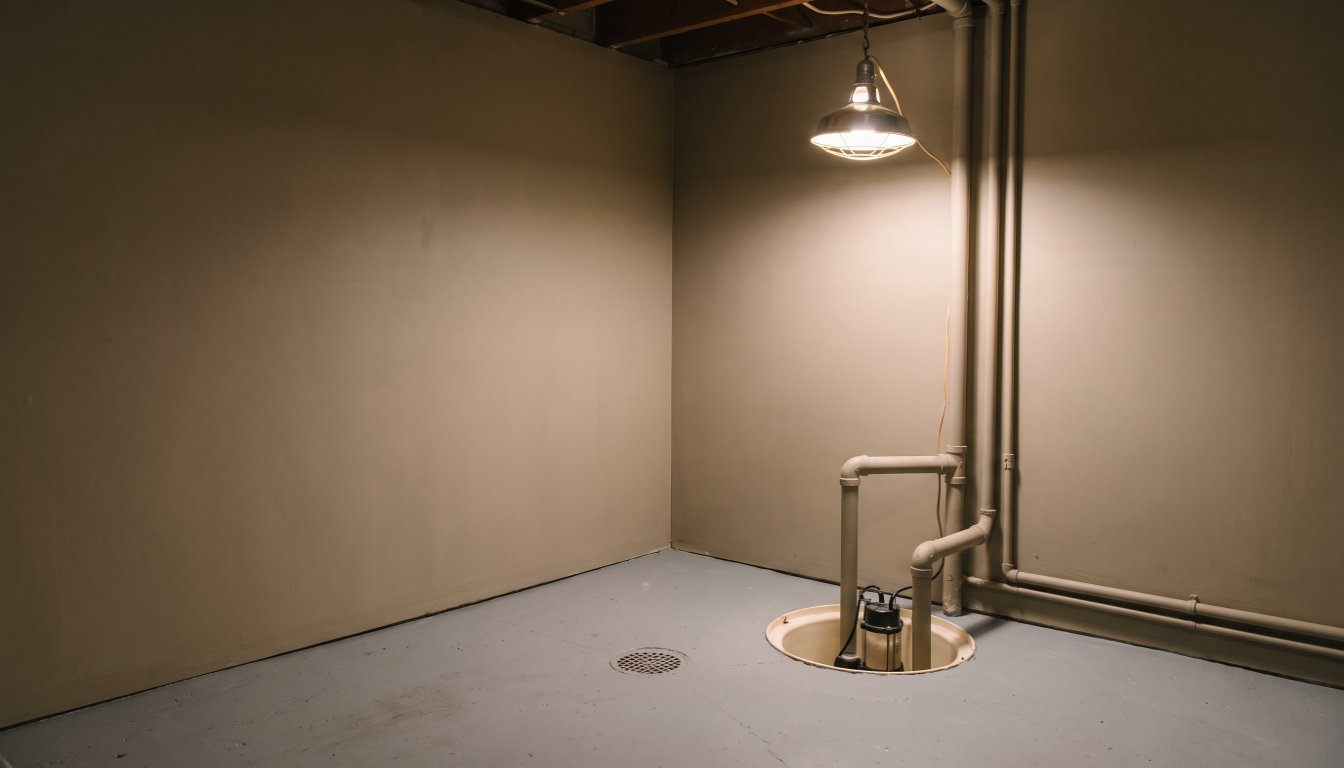
- Basements: foundation leaks, failed weeping tile, downspouts discharging against the wall.
- Bathrooms: no exhaust fan, or a fan vented into the attic.
- Attics: warm moist air leaking up from the house and condensing on cold sheathing.
- Windows: condensation on old single-pane or failed sealed units.
- Condos: leaks from a neighbouring unit, a failed window wall, or an unbalanced ventilation system.
What an inspection can and can’t do
A home inspection is visual. An inspector can flag stains, smells, high moisture readings and the conditions that cause mould, but will not open walls. If there are signs, the next step is an environmental consultant who can test and scope the work, not a general contractor with a bottle of bleach.
Know what your home is worth
Most of these decisions come back to a number. Get a free AI estimate of your home’s value in about a minute.
Free tool — AI home value estimator
Instant Home Valuation
What’s your home
worth today?
Answer six quick questions and get an instant value range built from current Toronto & GTA sale data — property type, size, condition, lot and location all weighted the way a real pricing conversation weighs them. Takes about ninety seconds.
Reading recent GTA sale data…
Building your estimate
Estimated market value
—
$0–$0
Most likely value $0 · roughly $0 per square foot
What moved the number
Starting from the area baseline for your property type, here’s what each answer added or subtracted.
Market context
Recent local averages for comparison.
—
A range is a starting point.
A strategy is what sells.
This model doesn’t know that your neighbour’s identical semi went $80,000 over asking last month, or which two upgrades actually pay back in your area. That conversation is free and takes twenty minutes.
If you are buying
- Keep a home inspection condition where the market allows it.
- Look for the cause: grading, downspouts, gutters, the age of the roof, whether bathroom fans vent outside.
- Ask direct written questions about past water damage and repairs.
- In a condo, read the status certificate for past claims and building-wide issues.
- Get a quote before your condition expires, not after.
If you are selling
Ontario is a buyer-beware province for most things, but a seller cannot hide or misrepresent a known problem, and hidden defects that make a home unsafe or unfit must be disclosed. Painting over a stain the week before listing is exactly the kind of thing that becomes a lawsuit. The better route is to fix the source, keep the invoices, and show a buyer the repair.
Fixing it properly
- Stop the water: grading, downspouts, weeping tile, flashing, the failed seal.
- Ventilate: bathroom and kitchen fans that vent outdoors, and a working HRV in newer homes.
- Remove affected material rather than sealing over it, following proper containment on larger jobs.
- Re-check after a heavy rain and through a full winter.
The takeaway
Chase the cause, not the stain, and never paint over a known problem before listing.
Talk it through with me
Get a first-time buyer plan
Tell me your savings, income range and target area. I will send a realistic price range and next steps.
I will come back to you personally, usually the same day. If it is urgent, call or text 833-330-1925.
Frequently asked questions
Do sellers have to disclose mould in Ontario?
A seller cannot conceal or misrepresent a known problem, and hidden defects that make the home unsafe or unfit must be disclosed. Get legal advice on your specific facts.
Will a home inspection find mould?
It can flag visible growth, odours and moisture, but inspections are visual and do not open walls.
Is mould a deal breaker?
Usually not, if the source is identified and fixable. The risk is buying without knowing the cause or the cost.
Who should do the testing?
An environmental consultant who is independent of the company doing the remediation.
Sources
- Health Canada — mould and indoor air — health effects and remediation principles
- CMHC — moisture, ventilation and home maintenance guidance
Related reading
- Home Appraisal vs Home Inspection in Ontario: What Is the Difference?
- What Happens on Closing Day in Ontario? A Step-by-Step Guide
- What a Home Inspection Does Not Cover in Ontario (and Who to Call Instead)
- Underpinning vs Benching in Toronto: Costs, Permits and Resale Value
About the author — Jatin Dua, Toronto and GTA real estate broker
I am Jatin Dua, Broker of Record and co-founder of RE/MAX Quantum Realty Inc., Brokerage, Unit 101, 799 The Queensway, Etobicoke. I work with buyers and sellers across Toronto and the GTA, with deep local knowledge of the west end. Four-plus years of active GTA transactions and over $100 million in sales volume. Every market figure here comes from TRREB’s published tables and every rule from RECO or Ontario legislation, so you can check all of it without asking me.
Reach me at connect@jatindua.com or 833-330-1925, or book a call.