
Published 2 November 2026 · By Jatin Dua, Broker of Record, RE/MAX Quantum Realty
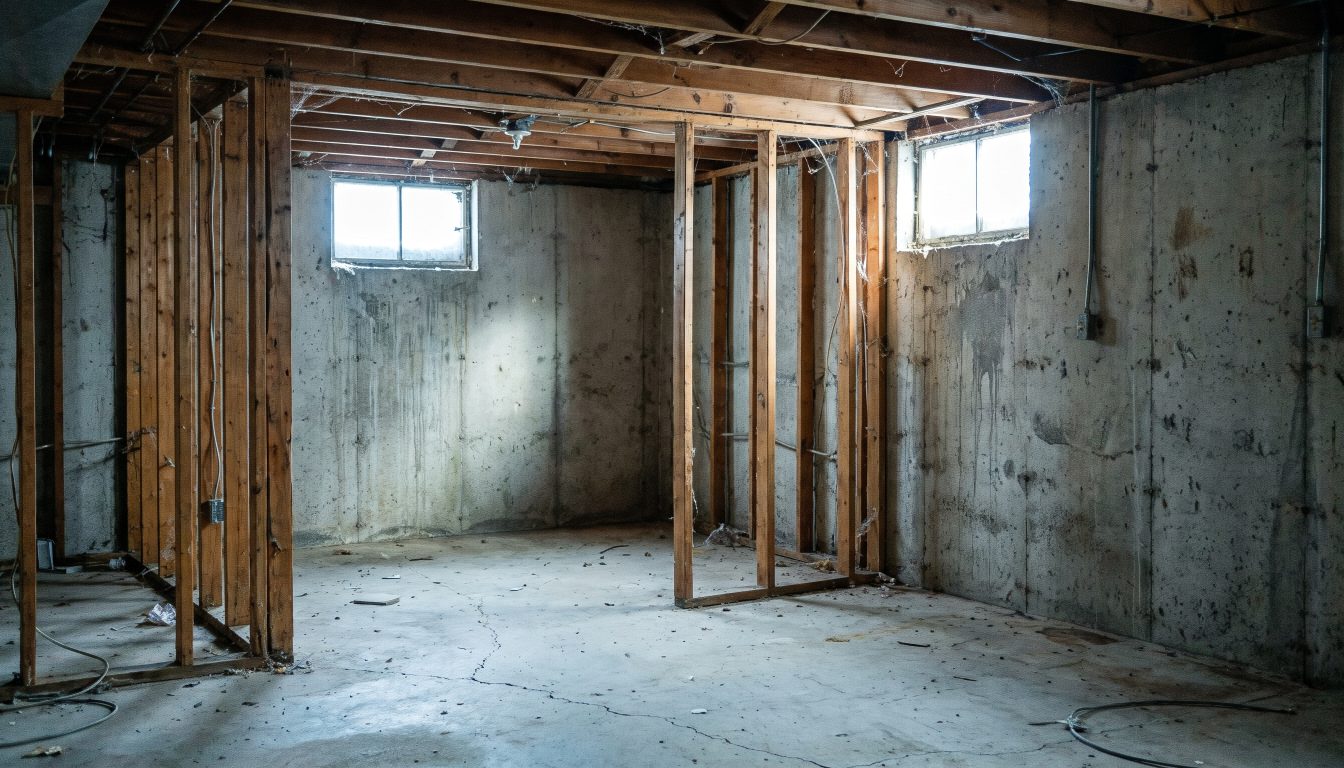
In Ontario you must disclose water damage you know about if it is a latent defect: hidden from a reasonable inspection and making the home unfit, dangerous or potentially dangerous, like concealed mould. Visible damage need not be pointed out but must never be hidden. A properly repaired past leak may not need disclosure, but documenting it protects you.
This guide is for Ontario homeowners selling a house that has had a flooded basement, a burst pipe, a roof leak or a mould problem, and who want to know what they must tell buyers. You will get the legal line on disclosure, what your listing agent is required to do, the records that protect you, and how to decide between fixing first and selling as-is.
Do you have to disclose water damage when selling a house in Ontario?
Sometimes. Ontario resale homes are sold on the principle of “buyer beware,” but it has limits, and water problems sit right on them.
The Real Estate Council of Ontario (RECO) explains the two categories in its Bulletin 7.4:
- Patent defects are ones a buyer or their home inspector can find by reasonable observation and inquiry. A water stain on a ceiling, a visibly damp basement wall or a sump pit full of water are examples. A seller generally does not have to point these out, but must not hide them.
- Latent defects are not apparent on a reasonable inspection and would make the property unfit for habitation, dangerous or potentially dangerous. A seller must disclose a latent defect they know about.
RECO adds two points that matter for water damage. First, “unfit for habitation” does not necessarily mean nobody could live there. Second, a seller can be liable for failing to disclose, for wilful blindness, or for trying to cover up a defect. RECO also says the law here is complicated and that sellers should get a legal opinion when they are unsure.
So the honest answer is: a past leak that was properly fixed may not need to be disclosed, but an ongoing leak, hidden mould or a known structural issue from water very likely does. And anything you cover up changes the picture completely. My broader guide to seller disclosure in Ontario explains the case law behind these categories.
Which kinds of water damage are most likely to need disclosure?
There is no official list, so treat this as practical guidance, not a legal ruling. The questions I ask a seller are:
- Is it still happening? A basement that takes on water every spring is a different story from a single burst pipe repaired by a licensed plumber.
- Is it hidden? Water behind finished drywall, under flooring or in a crawl space is not something a buyer can see.
- Could it affect health or safety? Mould, wet wiring, a weakened floor or foundation movement all point toward the “dangerous or potentially dangerous” end of RECO’s definition.
- Do you know about it? Liability for a latent defect turns on what the seller knew. Ignoring obvious warning signs is risky, because RECO lists wilful blindness as a basis for liability.
If two or more of these apply, speak to a real estate lawyer before you list. That conversation costs far less than a claim after closing.
What does my listing agent have to tell buyers about water damage?
Agents in Ontario have their own rules under Ontario Regulation 567/05, and sellers should understand them before they share anything.
- Section 22.1 requires an agent who represents a client to take reasonable steps to determine the material facts and disclose them to that client. A material fact is one that would affect a reasonable person’s decision to buy or sell.
- Section 22.2 says that if a seller has a legal obligation to disclose a fact to buyers, and the seller’s agent knows it, the agent must disclose it to every buyer who expresses an interest, and use best efforts to get a written acknowledgement.
- Section 22.3 says that if the seller has filled in a written information statement about the property, the agent must tell interested buyers it exists and give it to them on request.
In plain English: once your agent knows about a latent water defect, it is not a secret between the two of you. Tell your agent everything early so the disclosure is handled carefully and in writing, instead of being forced out late in a negotiation.
Painting over a water stain, adding new drywall over a damp wall, or moving a box to hide a crack in the week before listing is the fastest way to turn a minor issue into a lawsuit. RECO warns that a seller who conceals a patent defect may lose the “buyer beware” protection. Fix it properly or leave it visible and disclose it.
Instant Home Valuation
What’s your home
worth today?
Answer six quick questions and get an instant value range built from current Toronto & GTA sale data — property type, size, condition, lot and location all weighted the way a real pricing conversation weighs them. Takes about ninety seconds.
Reading recent GTA sale data…
Building your estimate
Estimated market value
—
$0–$0
Most likely value $0 · roughly $0 per square foot
What moved the number
Starting from the area baseline for your property type, here’s what each answer added or subtracted.
Market context
Recent local averages for comparison.
—
A range is a starting point.
A strategy is what sells.
This model doesn’t know that your neighbour’s identical semi went $80,000 over asking last month, or which two upgrades actually pay back in your area. That conversation is free and takes twenty minutes.
What records should I gather after a flood or leak?
Good paperwork turns “this house had water damage” into “this house had water damage that was professionally fixed.” That is a very different conversation with a buyer.
| Record | Why buyers care |
|---|---|
| Insurance claim file and adjuster report | Shows the cause, the date and what the insurer paid to repair |
| Contractor and plumber invoices | Proves who did the work and what was replaced |
| Building permit and inspection for a backwater valve | Toronto requires a permit and inspection for backwater valves |
| Mould remediation or air quality report | Shows the hidden risk was dealt with, not just covered |
| Before and after photos | Lets a buyer’s inspector judge the scope of the repair |
| Warranties on new sump pump, waterproofing or roofing | Some can be transferred and add real comfort |
Source: City of Toronto Basement Flooding Protection Subsidy Program page (permit and inspection requirement for backwater valves); other items are my practice checklist.
If you have none of this, a pre-listing home inspection gives you an independent report to work from. It also tells you what a buyer’s inspector is likely to find.
Will water damage lower my sale price in the GTA?
It can, mainly because buyers have more time and leverage than they did two years ago. Across all home types in the TRREB area in October 2026, homes sold for an average of 97% of list price after an average of 31 days on market, and there were 4.6 months of inventory. When buyers have that much choice, a surprise in the inspection report tends to become a price request, not a shrug.
| City | Detached average days on market, Jan to Oct 2024 | Detached average days on market, Jan to Oct 2026 |
|---|---|---|
| Brampton | 22 | 30 |
| Mississauga | 22 | 31 |
| Vaughan | 21 | 30 |
| Markham | 19 | 29 |
| Oakville | 24 | 33 |
| Oshawa | 17 | 25 |
Source: TRREB MLS data via REALM, January to October 2026 vs the same period of 2024; average days on market for detached homes, municipality level.
There is no published data on how much water damage reduces price, so be wary of anyone quoting a percentage. In my experience the discount is driven by uncertainty. A buyer who cannot tell how big the problem is will assume the worst and price it in. Documented repairs shrink that uncertainty. If you get to the negotiation stage, my guide on negotiating after a home inspection explains credits versus repairs.
Should I fix water damage before listing or sell as-is?
Fix it first if the cause is clear, the repair is affordable and you have time. Sell as-is if the repair is large, the cause is uncertain, or you need to move quickly. Either way, the disclosure rules above still apply. “As-is” describes the condition you deliver the house in; it does not erase what you know. My guide on selling a house as-is in Toronto covers the trade-offs.
In Toronto, part of a flood-proofing fix may be subsidized. For work completed on or after November 12, 2025, the City pays 80% of invoiced costs up to these limits:
| Work | City of Toronto subsidy limit |
|---|---|
| Backwater valve (up to two devices) | $1,600 per device |
| Sump pump | $2,250 |
| Battery backup for sump pump | $300 more |
| Home plumbing assessment | $500 |
| Weeping tile severance and capping | $400 |
Source: City of Toronto, Basement Flooding Protection Subsidy Program (read November 2026). Total up to $6,650 per property.
The City requires a licensed contractor, applications within two years of installation, and no outstanding taxes or debts owed to the City. Funding depends on annual Council approval, so it is not guaranteed. A new backwater valve with a passed inspection is also a strong item to show buyers. My post on the Toronto basement flooding subsidy walks through the application.
I would rather disclose a properly repaired leak with invoices attached than leave a buyer to find a fresh patch of drywall on their own. In this market, a documented repair rarely kills a deal. A hidden one often does, usually after the buyer has already paid for an inspection and started to distrust everything else about the house. If you are unsure whether something is a latent defect, ask your lawyer before your agent writes a single word about it.
How does flood insurance history affect buyers?
Every buyer with a mortgage needs home insurance before closing, so water coverage matters to them. The Insurance Bureau of Canada says damage from a sewer backup is covered only with specific, optional sewer backup coverage, overland flood coverage is also optional, and groundwater or seepage coverage is typically not standard. A buyer who learns the basement has flooded before will want to confirm they can get those add-ons at a workable price. Mentioning flood-proofing work, such as a backwater valve or new sump pump, helps that conversation.
What can happen if a buyer finds water damage after closing?
A buyer who believes a seller hid a latent defect, or misrepresented the house, can sue. Under Ontario’s Limitations Act, 2002, a claim generally has to be started within two years of the day it was discovered, which is often long after closing, with an outside limit of 15 years from the act or omission. That is why written disclosure, invoices and a clear paper trail are worth so much. They show what you knew and what you did about it.
What to do next
- Write down every water event you know of: date, cause, who fixed it and what it cost.
- Collect insurance files, invoices, permits and any mould or air quality reports into one folder.
- If the problem is ongoing or hidden, book a real estate lawyer to advise on disclosure before you list.
- Decide whether to repair first or sell as-is, and in Toronto check whether the flooding subsidy covers part of the fix.
- Tell your listing agent everything at the start, so disclosure is planned and in writing.
Need help with this? Talk to me.
I’m Jatin Dua, Broker of Record at RE/MAX Quantum Realty, and I’m the best agent to do this kind of work for you in Toronto and across the GTA. Over $100 million in GTA sales and 100+ families helped sell. Feel free to contact me any time: call or text 833-330-1925 or email [email protected].
Frequently asked questions
Do I have to disclose a flooded basement when selling a house in Ontario?
It depends on what the flooding left behind. Under the rules RECO describes, an Ontario seller must disclose a known latent defect, one a reasonable inspection would not reveal that makes the home unfit, dangerous or potentially dangerous. Visible problems need not be pointed out but must not be hidden. A past flood that was properly repaired may not require disclosure; get legal advice if unsure.
Is water damage a latent defect in Ontario?
It can be. In Ontario, water damage becomes a latent defect when it is hidden from a reasonable inspection and makes the property unfit for habitation, dangerous or potentially dangerous, such as mould behind finished walls or water-damaged wiring. Visible staining or a damp wall is usually a patent defect. RECO notes the law on latent defects is complicated and recommends a legal opinion when in doubt.
Do I have to tell buyers about a basement leak that was fixed?
Not always. In Ontario, a leak that was repaired properly and left no hidden danger is generally not a latent defect that must be disclosed. Many sellers still share it with invoices, because documented repairs reassure buyers and protect the seller. If you answer questions about it, or fill in a property information statement, your answers must be accurate.
Can a buyer sue me for water damage after closing in Ontario?
Yes, if they can show you knew about a latent defect and did not disclose it, concealed a problem, or misrepresented the house. Ontario’s Limitations Act, 2002 generally allows two years from the day the claim was discovered, with a 15-year outside limit. Written disclosure and repair records are a seller’s best protection against these claims.
Does my real estate agent have to disclose water damage to buyers?
Yes, in some cases. Under section 22.2 of Ontario Regulation 567/05, if a seller has a legal obligation to disclose a fact and the seller’s agent knows it, the agent must disclose it to every interested buyer and seek a written acknowledgement. Agents also must tell buyers if a seller information statement exists and provide it on request.
Should I fix water damage before selling my house in Toronto?
Usually yes, if the cause is clear and the repair is affordable, because documented repairs reduce buyer uncertainty. In Toronto, the Basement Flooding Protection Subsidy pays 80% of eligible costs for work done on or after November 12, 2025, up to $6,650 per property, including up to $1,600 per backwater valve. Large or uncertain repairs may suit an as-is sale.
How much does water damage reduce a home’s value in the GTA?
There is no published figure for how much water damage reduces GTA home prices as of 2026. The discount depends mostly on how uncertain the buyer feels. With detached homes averaging about 30 days on market in most GTA cities in 2026, buyers have time to compare, so an undocumented problem often becomes a bigger price request than a documented, repaired one.
Will a past flood affect a buyer’s home insurance in Ontario?
It can affect what coverage they want. The Insurance Bureau of Canada says sewer backup damage is covered only with optional sewer backup coverage, overland flood coverage is optional, and groundwater or seepage coverage is typically not standard. Ontario buyers of a house with a flood history should confirm those add-ons with their insurer before their conditions expire.
Can I sell a house with mould in Ontario?
Yes, but hidden mould from water damage may be a latent defect you must disclose if it could make the home dangerous or potentially dangerous. Ontario sellers usually do better by having it professionally remediated and keeping the report, or by disclosing it clearly and pricing for it. Covering mould with new drywall before listing risks a claim after closing.
Sources
- RECO Bulletin 7.4: Facts a seller has a legal obligation to disclose
- Ontario Regulation 567/05, sections 22.1 to 22.3
- Limitations Act, 2002 (sections 4 and 15)
- City of Toronto: Basement Flooding Protection Subsidy Program
- City of Toronto: Basement flooding
- Insurance Bureau of Canada: Flooding and insurance
- TRREB Market Watch, October 2026
Related reading
- Seller Closing Costs in Ontario for 2027: Every Fee Before You Get Paid
- How to Sell a House in Toronto, Step by Step (2027)
- Closing Costs on a New Build in Ontario: What Builders Add
- How Much Is My House Worth in Caledon? (2027)
About the author — Jatin Dua, Toronto and GTA real estate broker
I am Jatin Dua, Broker of Record and co-founder of RE/MAX Quantum Realty Inc., Brokerage, Unit 101, 799 The Queensway, Toronto. I work with buyers and sellers across Toronto and the GTA and have helped more than 100 families sell. Four-plus years of active GTA transactions and over $100 million in sales volume.
Reach me at [email protected] or 833-330-1925, or book a call.