

Published 25 September 2026 · By Jatin Dua, Broker of Record, RE/MAX Quantum Realty
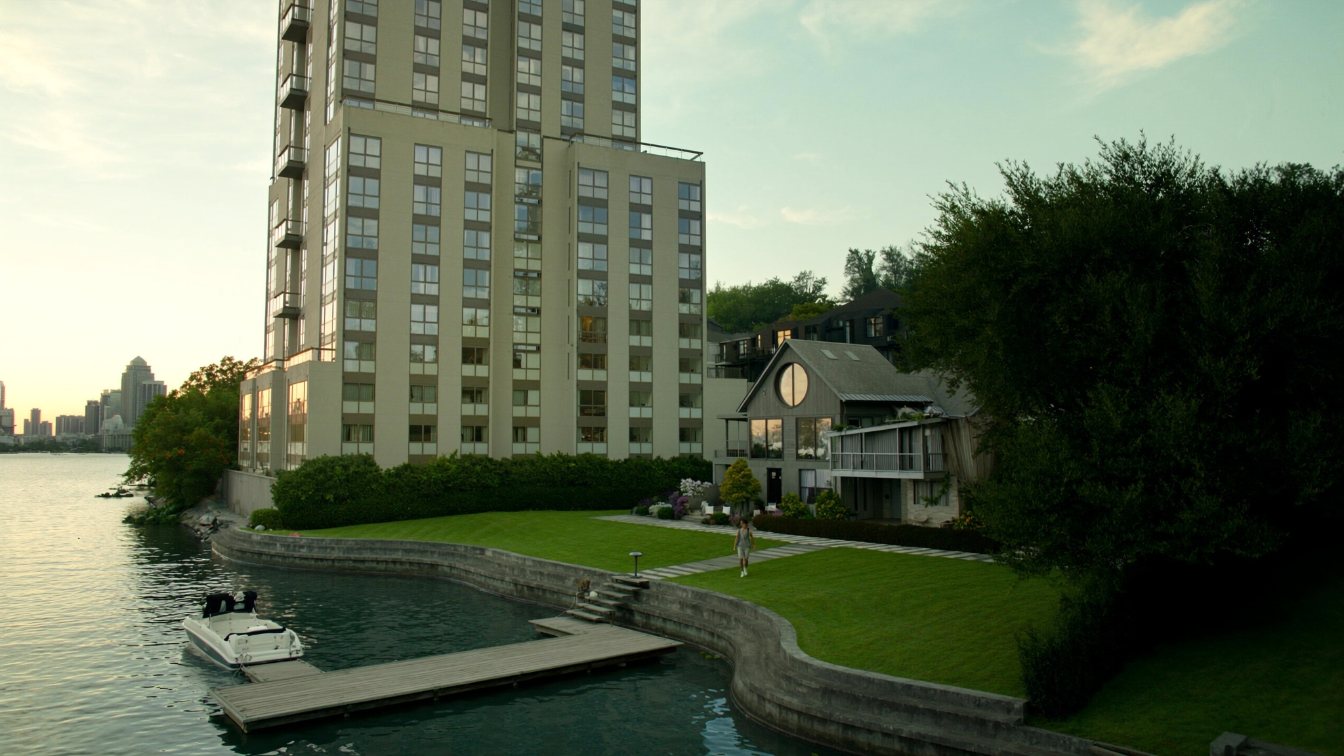
A waterfront condo and a waterfront house are both scarce, but they are scarce in different ways and they hold value differently. The condo’s value is protected by liquidity — the same tower produces comparable sales every year, buyers are plentiful, and a lake-facing suite is the most defended unit type in a downturn. Its risks are the fee, the reserve fund and the building’s age. The house’s value is protected by land: nobody is making more lakefront lots, and in the long run scarce land outperforms. Its risks are erosion, conservation setbacks, insurance, shoreline protection you pay for, and a thin buyer pool that makes selling slow. Over a long hold the house usually wins; through a short cycle the condo is easier to exit. Which holds value better is really the question of how long you will hold and how much you can leave illiquid.
Where each actually exists on the GTA shore
| Stretch | Waterfront condos | Waterfront houses |
|---|---|---|
| Burlington, Oakville | Downtown Burlington, Bronte harbour | Old Oakville lakefront, scattered Bronte and Burlington lots |
| Mississauga | Port Credit towers, Brightwater, Lakeview Village (future) | Few; some Lorne Park and Clarkson lakefront lots |
| Etobicoke | Humber Bay Shores (mostly lake access), Long Branch | A handful in Long Branch and New Toronto |
| Toronto core | Harbourfront, East Bayfront, Port Lands (future) | None |
| Scarborough | Very few | Bluff-top lots in Birch Cliff, Cliffcrest, Guildwood |
| Durham | Small numbers in Port Whitby, Frenchman’s Bay | Frenchman’s Bay bay-front and a few lake lots |
Notice the pattern: condos cluster where the shoreline was industrial and got redeveloped; houses survive where the shoreline was residential a century ago. The two rarely compete on the same street, which is why comparing them is a lifestyle and a finance question rather than a like-for-like one.
How a waterfront condo holds value
Liquidity is the condo’s defence. A tower of 300 suites produces sales every year, so a lake-facing suite always has a fresh comparable, always has a visible price, and always has a pool of buyers who want exactly that: the water in the window without a lot to look after. In a softening market the lake-facing suites in a good building are the last to fall and the first to recover; the rear suites in the same building fall with everything else.
The condo’s risks are internal. The fee rises faster than inflation in an ageing lake-facing building because envelopes and balconies wear faster. A thin reserve fund produces a special assessment. A board that defers maintenance produces a building that looks tired next to a newer neighbour. All of it is visible in the status certificate if you read it; none of it is visible from the balcony. Read the waterfront condo checklist.
How a waterfront house holds value
Land is the house’s defence. There is a fixed number of lots that touch Lake Ontario in the GTA and no mechanism for creating more. Over a long enough hold that scarcity has historically outrun almost everything else, and the buyer of a lakefront lot is really buying the land with a house on it as a bonus or a teardown.
The house’s risks are external and physical. The lake erodes the lot, and on a bluff TRCA notes that one to three metres can go in a single event. The conservation authority’s hazard setback may prevent a rebuild. Insurers may decline or exclude. Shoreline protection is the owner’s cost and has a finite life. And the buyer pool is small, so selling takes time and a single motivated buyer sets the price. Read the Bluffs guide and the Old Oakville guide for the two GTA versions of that risk.
Through a cycle
In a rising market both do well; the house does better because land leads. In a flat market the condo trades and the house sits, which feels worse than it is if you were not planning to sell. In a falling market the lake-facing condo suite in a well-run building falls least among condos; the lakefront house falls with the luxury market generally but recovers with the land. The difference that actually decides most outcomes is time to sell: a condo in weeks, a lakefront house in months or seasons. If you may need to exit inside two years, that alone answers the question.
Costs side by side
| Waterfront condo | Waterfront house | |
|---|---|---|
| Monthly | Maintenance fee, typically higher than inland for the same age | No fee; higher heating, shoreline and grounds upkeep |
| Lumpy | Special assessments if the reserve fund is thin | Shoreline protection replacement; engineering; survey |
| Insurance | Contents and improvements; building insured by the corporation | Whole structure; erosion excluded; overland water may be unavailable |
| Regulatory | Corporation rules, board decisions | Conservation permits under O. Reg. 41/24 for anything near the edge |
| Taxes | Toronto MLTT where applicable; VHT declaration | Same, on a larger assessment |
Who should buy which
- Condo: buyers who want the water without land obligations, may need to sell within a few years, want a predictable monthly cost even if it is high, or want to be walking distance from downtown or a GO station on the water.
- House: buyers with a long horizon and the capital to leave illiquid, who want land as well as water, are prepared to do the conservation, survey and insurance work before buying, and can absorb a shoreline bill when it comes.
- Neither, yet: anyone who cannot get an insurance quote they accept on the house, or cannot read a status certificate without help on the condo. Get the help first.
The takeaway
The waterfront condo holds value through liquidity and a well-run building; the waterfront house holds value through land that cannot be made again. Over a long hold the house usually wins; over a short one the condo is the safer exit. The condo’s risks live in the status certificate, the house’s in the shoreline. Decide how long you will hold and how much you can leave illiquid, and the answer follows.
Where I fit
I sell both, from Humber Bay towers to bluff-top lots, and I will tell you which risks I can see and which need a lawyer, a surveyor or an insurer. If you are torn between the two, book a call and we will put the numbers side by side, or run the estimator below on what you own today.
Free tool — AI home value estimator
Instant Home Valuation
What’s your home
worth today?
Answer six quick questions and get an instant value range built from current Toronto & GTA sale data — property type, size, condition, lot and location all weighted the way a real pricing conversation weighs them. Takes about ninety seconds.
Reading recent GTA sale data…
Building your estimate
Estimated market value
—
$0–$0
Most likely value $0 · roughly $0 per square foot
What moved the number
Starting from the area baseline for your property type, here’s what each answer added or subtracted.
Market context
Recent local averages for comparison.
—
A range is a starting point.
A strategy is what sells.
This model doesn’t know that your neighbour’s identical semi went $80,000 over asking last month, or which two upgrades actually pay back in your area. That conversation is free and takes twenty minutes.
Frequently asked questions
Is a waterfront condo or a waterfront house a better investment?
Over a long hold, the house, because lakefront land is finite. Over a short one, the condo, because it is far easier to sell. The honest answer depends on how long you will hold and how much capital you can leave illiquid.
Why are waterfront condo fees higher?
Lake-facing buildings replace windows, caulking, balconies and envelope components on shorter cycles because of wind, spray and salt. A well-run building’s fee reflects that; an inland-level fee on a lake-facing building is a warning sign.
What are the biggest risks of a waterfront house?
Erosion and conservation setbacks that can prevent a rebuild, insurance exclusions or refusals, shoreline protection costs, and a small buyer pool that makes selling slow.
Where can I buy a waterfront house in Toronto?
Mainly bluff-top lots in Birch Cliff, Cliffcrest and Guildwood in Scarborough, and a handful in Long Branch and New Toronto. There are no waterfront houses in the downtown core.
Do waterfront condos fall less in a downturn?
Lake-facing suites in well-run buildings have historically been the most defended condo type, falling less and recovering first. Rear-facing suites in the same building move with the general market.
How long does a lakefront house take to sell?
Months or seasons rather than weeks, because the buyer pool is small and sales are infrequent. Price it as a range, and be prepared to wait for the buyer for whom that specific lot is the point.
Sources
- TRREB Market Watch, August 2026 — market context
- Condominium Authority of Ontario — Status certificates and reserve funds — condo governance
- Ontario Regulation 41/24 — Prohibited Activities, Exemptions and Permits — conservation permits
- TRCA — Three ways that water has shaped the Scarborough Bluffs — erosion
Related reading
- Innisfil waterfront homes: Alcona to Friday Harbour
- What $600,000 buys on the GTA waterfront
- What $900,000 buys on the GTA waterfront
- How to Price a Lakefront House in the GTA When There Are No Comparables
- Waterfront homes in the GTA
- Clarkson and Rattray Marsh
- Lorne Park Lakefront Homes
- Lake view vs lake access vs lakefront
- Buying a 20-year-old waterfront condo
- Scarborough Bluffs: buying on the edge
- Should I buy a condo or a house in Toronto?
- Old Oakville lakefront homes
About the author — Jatin Dua, Toronto and GTA real estate broker
I am Jatin Dua, Broker of Record and co-founder of RE/MAX Quantum Realty Inc., Brokerage, Unit 101, 799 The Queensway, Etobicoke. I work with buyers and sellers across Toronto and the GTA, with deep local knowledge of the west end and the Lake Ontario shoreline. Four-plus years of active GTA transactions and over $100 million in sales volume. Every market figure here comes from TRREB’s published tables and every rule from the regulator or the legislation, so you can check all of it without asking me.
Reach me at connect@jatindua.com or 833-330-1925, or book a call.