

Published 10 September 2026 · By Jatin Dua, Broker of Record, RE/MAX Quantum Realty
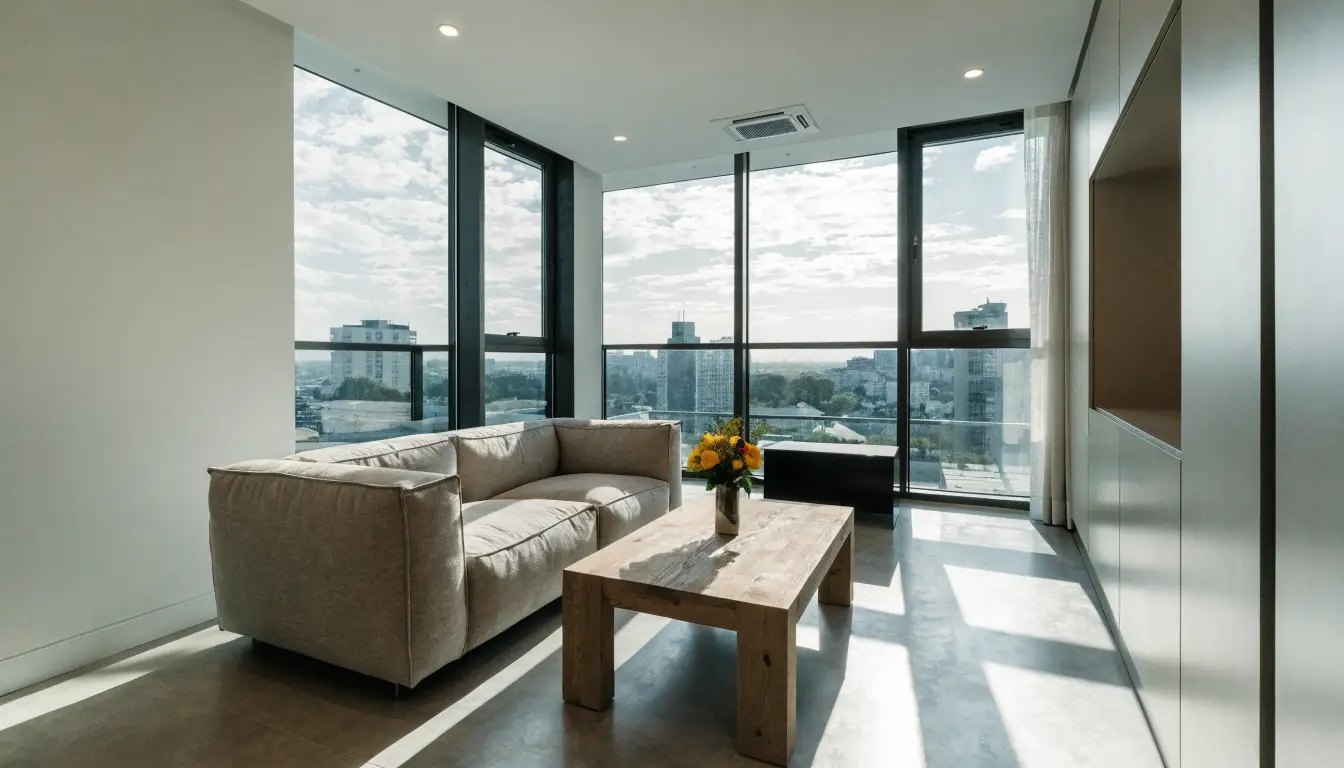
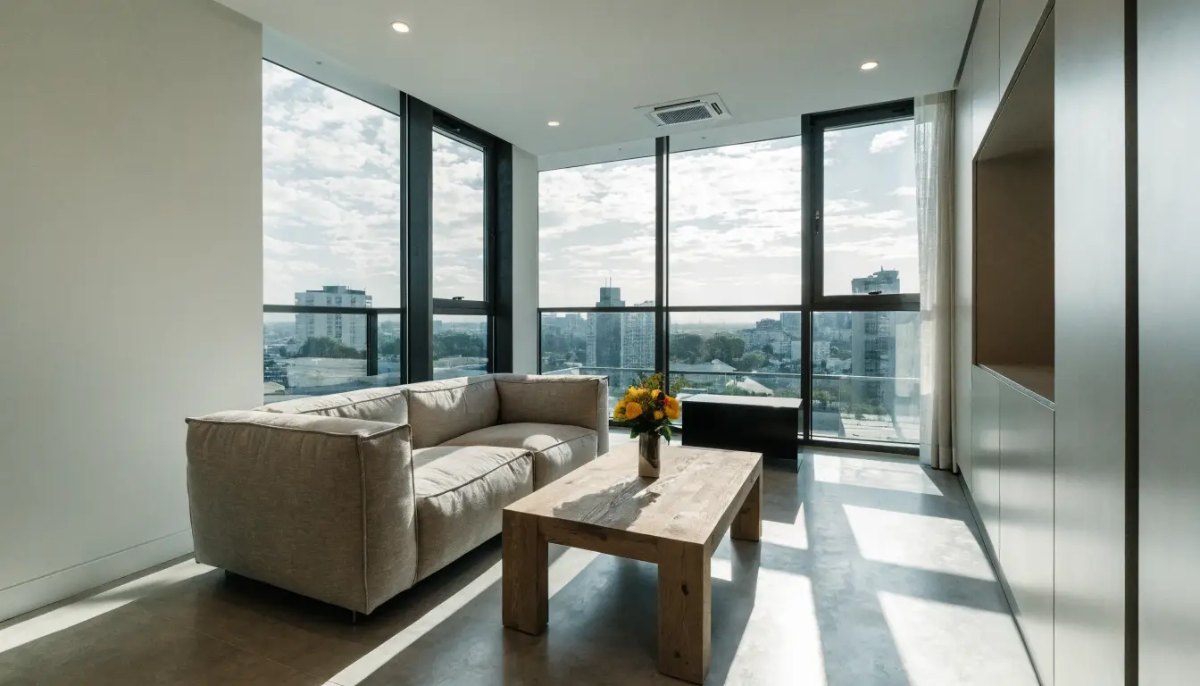
A condominium sells on light, on apparent space, on the first photograph, and on the absence of unanswered questions. That means: strip it back, clean everything including the windows and the balcony, fix the small failures a buyer will touch, stage lightly rather than heavily, and have the status certificate, the fee history and the parking and locker status ready before the first showing. Spend money on paint, lighting, cleaning and photography. Do not spend it on a kitchen renovation four weeks before listing.
What buyers are actually judging
In a house, buyers evaluate a great many independent things. In a condominium the list is short and consistent, which makes preparation unusually efficient.
- Light. The single strongest driver. Every decision below is downstream of it.
- Apparent space. Not square footage — how large the unit feels when they walk in.
- Storage. Condominium buyers are acutely aware they are trading storage for location, so every closet gets opened.
- Whether anything looks like a problem. A stained ceiling tile, a sticking balcony door, a chipped counter edge. Each one implies more that they cannot see.
Everything that follows is about those four.
The work, in order of return
| Job | Typical cost | Why it works |
|---|---|---|
| Remove a third to a half of everything you own | Storage locker rental, or free | The highest-return action available, and it costs almost nothing. Every surface half-empty. |
| Professional deep clean, including inside cabinets and the oven | $250–$500 | Buyers open things. Cleanliness is read as maintenance. |
| Windows and balcony glass cleaned | $100–$300 | Directly changes perceived light, and photographs immediately. |
| Paint in a single light neutral | $700–$2,000 | Fixes marks, unifies the space and lifts the light. The best dollar-for-dollar spend in a condominium. |
| Replace every bulb with the same warm-white temperature | $60–$150 | Mismatched colour temperature makes rooms look grubby in photographs. |
| Add lamps to any dark corner | $100–$300 | Especially in north-facing units and interior bedrooms. |
| Regrout and recaulk bathrooms; polish tap fittings | $150–$500 | Buyers read bathroom grout as the age of the whole unit. |
| Fix everything that sticks, drips, squeaks or rattles | $100–$400 | Each small failure implies a larger unseen one. |
| Clean and stage the balcony or terrace | $100–$400 | Outdoor space is a headline feature in a condominium. Do not let it be a storage ledge. |
| Light staging: rugs, art, bedding, one chair | $800–$2,500 | Establishes scale and function in rooms that are otherwise ambiguous |
| Professional photography, floor plan and measurements | Usually included by your agent | The first photograph decides whether anyone books a showing at all |
Thinking about buying or selling here?
I work this area every week and I will give you a straight answer, including when the answer is to wait. No pressure, and no drip campaign you cannot get out of.
Call or text 833-330-1925 Send me a message
Jatin Dua, Broker of Record — RE/MAX Quantum Realty Inc., Brokerage. Not intended to solicit buyers or sellers currently under contract with another brokerage.
What not to do
- A full kitchen or bathroom renovation immediately before listing. Expensive, disruptive, and buyers rarely pay back the cost. If the kitchen is dated but sound, clean it, paint the walls around it and price accordingly.
- Bold or trend-driven paint. You are not decorating; you are removing reasons to hesitate.
- New flooring chosen in a hurry. Check the corporation’s rules first — many require underlay specifications or restrict hard surface flooring — and confirm whether a permit or notice to the corporation is needed.
- Anything that alters the common elements. Balcony enclosures, exterior fixtures, corridor-facing changes. Not yours to change.
- Heavy staging in a small unit. Too much furniture makes a compact unit read as cramped. Less is genuinely more here.
- Air fresheners. Buyers assume they are covering something.
Have the paperwork ready before the first showing
Unanswered questions cost money. A buyer who has to wait three days for an answer about the parking space is a buyer whose enthusiasm is cooling. Assemble the following before you list:
- Current monthly common expenses, and exactly what they include — heat, hydro, water, cable, internet.
- Three years of fee history. Buyers and their agents will ask; having it ready reads as confidence.
- Parking and locker status, in writing: owned as a separate unit, exclusive-use common element, or rented — and the physical locations.
- The status certificate, or at least knowledge of what is in it. It costs at most $100 including taxes under the Condominium Act, 1998, and knowing what a buyer’s lawyer will find is worth far more than that.
- Property tax for the current year.
- Any special assessment levied or contemplated. This is a material fact and it must be handled properly, not managed.
- Rules on pets, rentals and flooring, since these are the three most common buyer questions.
- Recent in-suite upgrades with dates and, where relevant, receipts.
On disclosure
Do not be tempted to leave a known problem for the buyer to discover. Where you are a client of a brokerage, your representative has obligations around material facts under O. Reg. 567/05 s. 22.1, and a known special assessment, a known leak or a known corporation issue is not something to be quietly omitted. Beyond the regulatory position, the practical one is simpler: problems found during a conditional period are renegotiated from a position where you have already lost the other buyers.
Showing the unit well
- Every light on, every blind open, for every showing, regardless of the hour.
- Leave. Buyers do not talk honestly in front of an owner, and honest conversation is how they talk themselves into an offer.
- Take the pets out, and remove the evidence of them.
- Empty the balcony of storage, and set it as a place to sit.
- Make the locker presentable. They will look at it.
- Tidy the entry and the corridor immediately outside your door. First impression starts at the elevator.
- Set a comfortable temperature. A hot west-facing unit in August is memorable for the wrong reason.
A two-week plan
- Days 1–3: remove a third of your belongings to a locker or storage. Clear every horizontal surface.
- Days 4–6: paint in one light neutral. Replace all bulbs with a single warm-white temperature.
- Day 7: handyman morning — everything that sticks, drips or squeaks. Regrout and recaulk.
- Days 8–9: deep clean including inside cabinets, the oven, the windows and the balcony glass.
- Day 10: light staging and the balcony set up as a room.
- Day 11: assemble the paperwork listed above.
- Day 12: photography, floor plan and measurements, in the best light of the day for your exposure.
- Days 13–14: final clean, then list.
Market context
TRREB reported an average Etobicoke sale price of $1,049,793 across 243 sales in August 2026 across all property types, with condominium apartments generally trading below that average. Standing inventory is typically higher in the Queensway and Humber Bay Shores corridors than in the older Etobicoke corporations, which means presentation matters more where you have more competition. In a building with six comparable units listed, the photographs are the whole battle.
Frequently asked questions
Is staging worth it for a condo?
Light staging usually is, and heavy staging usually is not. The purpose is to establish scale and function in rooms that are otherwise ambiguous — a rug, a bed properly dressed, one chair, some art. Overfilling a compact unit makes it read as cramped, which is the opposite of what you are trying to achieve. Decluttering first does most of the work for free.
Should I renovate my condo before selling?
Generally not immediately before listing. Full kitchen and bathroom renovations rarely return their cost at resale and they are disruptive at exactly the wrong moment. Paint, lighting, cleaning, regrouting and fixing small failures deliver far more per dollar. Renovate because you want to live with it, not because you are about to sell.
What do condo buyers care about most?
Light, apparent space, storage, and whether anything looks like a problem. They also care intensely about the things the unit cannot change: fees and what they include, the reserve fund position, parking and locker status, and the corporation’s rules on pets, rentals and flooring. Have answers to all of those ready before the first showing.
Do I need a status certificate before listing?
You are not obliged to order one, but knowing what is in it is worth far more than the fee, which is capped at $100 including taxes. A buyer’s lawyer will read it, and anything unwelcome in there is better discovered by you in advance than by them during a conditional period, when you have already lost your other buyers.
Can I change the flooring before I sell?
Check the corporation’s declaration, by-laws and rules first. Many corporations specify underlay requirements or restrict hard-surface flooring for noise reasons, and some require notice or approval. Doing the work and then discovering it does not comply is an expensive way to learn the rules.
Do I have to disclose a special assessment?
A levied or contemplated special assessment is a material fact and must be handled properly rather than managed — it will appear on the status certificate a buyer’s lawyer reads. Where you are a client of a brokerage, your representative has obligations around material facts under O. Reg. 567/05 s. 22.1. Practically, an issue discovered mid-conditions is renegotiated from your weakest position.
How important are the listing photographs?
They decide whether anyone books a showing at all, which makes them the highest-leverage item in the entire preparation. Have them taken professionally, with a floor plan and measurements, at the time of day that suits your exposure, after the cleaning and the light bulbs have been dealt with. A great unit photographed badly loses to a lesser unit photographed well.
Should I be there during showings?
No. Buyers do not speak honestly in front of an owner, and honest conversation between two buyers in a living room is how offers get made. Leave, take the pets, and let your agent do the work. If you need to be reachable, be reachable by phone rather than in the kitchen.
Sources
- Condominium Act, 1998 — status certificates and the prescribed fee cap, declarations, by-laws and rules. Accessed 10 September 2026.
- O. Reg. 567/05: General — s. 22.1 material facts and the disclosure obligations of a broker or salesperson representing a client. Accessed 10 September 2026.
- TRREB Market Watch, August 2026 — the Etobicoke average sale price of $1,049,793 across 243 sales. Accessed 10 September 2026.
Related reading
- Curb appeal in Etobicoke: what actually pays back
- Why your Etobicoke house is not selling
- Preparing an Etobicoke home for sale: what pays back
- Do open houses still work in Toronto?
- Condo maintenance fees in Etobicoke, explained
About the author — Jatin Dua, Etobicoke real estate agent
I am Jatin Dua, Broker of Record at RE/MAX Quantum Realty Inc., Brokerage, Unit 101, 799 The Queensway in Etobicoke, with more than four years of active GTA transactions and over $100M in sales volume. The condominiums that sell fastest are almost always the emptiest ones, and that costs nothing.
Reach me at connect@jatindua.com or 833-330-1925.