
Published 18 October 2026 · By Jatin Dua, Broker of Record, RE/MAX Quantum Realty
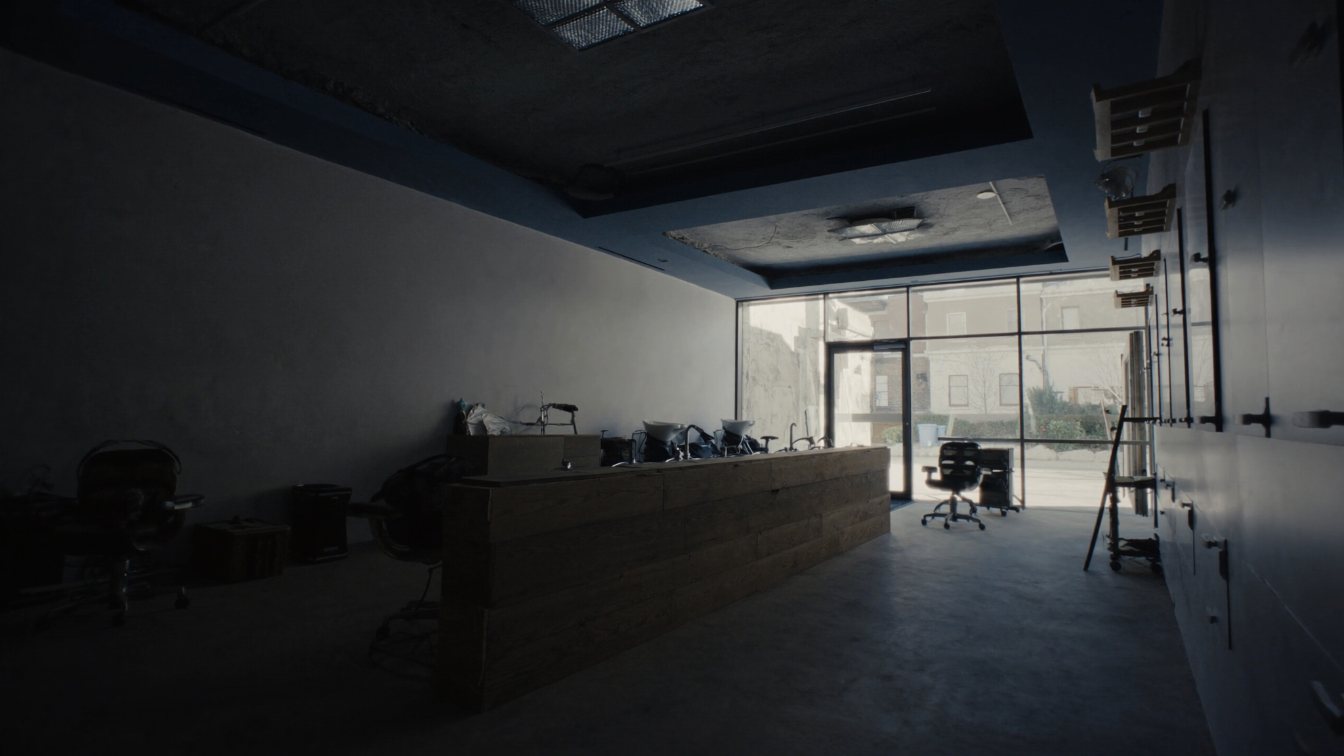
A used car dealership in Ontario must trade only from a location listed on its OMVIC registration. For a retail dealer, that place must be separate from a dwelling, so a home-based retail lot is not allowed. OMVIC's premises guideline expects a private, lockable office with walls to the ceiling, room to store six years of records, heat, electricity and washroom access, a marked display area, and a permanent sign showing the registered name. The lease must run at least six months and allow vehicle sales and inventory. Compliance with municipal by-laws is a condition of registration, so confirm zoning and the local licence (in Toronto, a Public Garage licence) before you sign.
Looking for used car dealership space in Toronto or the GTA? Tell me what you need and I will send you units that fit, with the zoning and the lease checked before you commit.
What OMVIC requires of the location
Every retail used car business in Ontario runs on two documents: the Motor Vehicle Dealers Act, 2002 and its general regulation, O. Reg. 333/08. Section 4 of the Act says you cannot act as a dealer unless you are registered, and that a dealer cannot invite the public to deal anywhere other than the place authorized in its registration. In other words, the unit you lease becomes part of your licence.
The regulation fills in the details. Section 28 says your certificate of registration lists the places you are authorized to trade from, and that (outside advertising) you cannot trade anywhere else. If you run two lots, you hold one registration that lists both (section 12). Section 28 also requires an office at each place, big enough to securely store the records the regulation makes you keep there.
OMVIC’s Dealer Premises Guideline is where the practical expectations sit. For a general (retail) dealer it expects premises that are:
- clearly separate from any other business operating at the location;
- sufficient, in the Registrar’s opinion, for displaying vehicles;
- held under a lease with a minimum term of six months that allows vehicle sales and inventory;
- fitted with a separate, permanent, fully secured, enclosed private office with walls to the ceiling and a lockable door, plus a work area with a desk, chairs and file cabinets;
- supplied with electricity, heat and access to a washroom;
- large enough to securely store six years of books and records (or equivalent electronic storage).
The guideline also asks for an area marked for vehicle display, with the area or the stalls marked with the dealership’s name, and a sign on each vehicle showing the selling dealer’s name. There is a limited exception where you share the site with a non-arm’s length business such as your own repair shop.
Can I run a used car business from home in Ontario?
Not as a retail dealer. Section 28(6) of O. Reg. 333/08 says each place a registered dealer is authorized to trade from must be separate from a dwelling, and the only exceptions are dealers registered solely as wholesalers or brokers. Even then, section 56 requires the records to be kept somewhere other than a dwelling that the dealer chooses and the Registrar approves.
So if your plan is to sell to the public, you need a real commercial location. A desk in a shared office with three cars parked out front usually does not meet the guideline either, because the premises have to be clearly separate from other businesses and sufficient for display.
OMVIC’s registration page confirms you do not need a premises before submitting the business application, but a premises is required for every dealership registration and the location documents come in at the final stage. That gives you time to finish the certification course and the application before you commit to a lease, which I strongly suggest. Note also that OMVIC will not accept business names using words such as wholesale, at cost, liquidation or factory direct, so settle the name before you order a sign.
Zoning: confirm the use before you sign
Section 28(9) of the regulation makes compliance with every municipal by-law that applies to your location a condition of your registration. Zoning is the one that kills deals.
Toronto. Under city-wide Zoning By-law 569-2013, a vehicle dealership means premises used for the sale, rental or lease of vehicles displayed or stored on site. In the Commercial Residential (CR) zone it is a conditional use, and the specific use rules in section 150.90 apply wherever it is permitted:
- the lot’s front lot line must abut a major street on the Policy Areas Overlay Map;
- outdoor display or storage is only allowed if the dealership building has at least 150 square metres of interior floor area;
- vehicles cannot be displayed or stored in required parking spaces;
- the outdoor display area must be clearly marked, at least 3.0 metres from a lot line, fenced along any lot line abutting a residential zone, and separated from the street by a soft landscaping strip at least 3.0 metres wide.
Those four lines eliminate a lot of small corner lots and plaza pads. Some Toronto properties are still governed by former municipal zoning by-laws or site-specific exceptions, so ask for a zoning review on the exact address.
Mississauga. The city’s motor vehicle sales guidance says the zoning by-law has several separate uses depending on the vehicle type, the repair type and whether the sale is wholesale, retail or rental. A retail dealer needs a Zoning Certificate of Occupancy first and then a Public Garage (Type B) business licence. A wholesaler operating from an office needs a zoning clearance letter instead. OMVIC expects you to show the business is permitted before you apply.
Brampton. The Business Licensing By-law 184-2023 puts vehicle sales in Schedule 3 as a Class E Automobile Service Station licence, and the application needs a site plan showing the lands, the buildings and the maximum number of vehicles to be parked or stored at one time.
Municipal licence and occupancy paperwork
In Toronto, a car dealership needs a Public Garage licence, with car sales added as a licence class. You need an approved Zoning Review for Business Licence before you apply, unless you are taking over a licensed business in the same category whose licence is valid or expired less than three years ago. The application also needs an Occupancy Declaration Form signed by both you and the landlord. The fees listed on the page in 2026 are $233.02 to apply and $288.31 on approval ($521.33 total), with an annual renewal of $350.51.
The landlord’s signature on that occupancy form is a practical point people miss. Ask for it in the offer to lease so you are not chasing a property manager the week you want to open.
| Item | Why it matters | Who to ask |
|---|---|---|
| Zoning permits a vehicle dealership at this address | Registration condition under O. Reg. 333/08 s. 28(9) | City zoning (Toronto zoning review, Mississauga Zoning Certificate of Occupancy) |
| Outdoor display allowed and where | Toronto limits display to marked areas set back from lot lines | City zoning examiner, site plan |
| Municipal dealer licence class | Toronto Public Garage, Mississauga Public Garage Type B, Brampton Class E | Municipal licensing office |
| Private lockable office with records storage | OMVIC premises guideline | Landlord (build-out), OMVIC |
| Permanent sign with registered name | O. Reg. 333/08 s. 30 | Landlord sign criteria, city sign permit |
| Lease term of six months or more allowing sales and inventory | OMVIC premises guideline | Your lawyer and me |
Sign, certificate and hours
Section 30 of the regulation requires a sign at each place you trade from that is clearly visible to the public, cannot be removed except through express human effort or force majeure, and shows a registered name of the dealer. A banner zip-tied to a fence is the classic way to fail this. OMVIC’s guideline adds that the sign should be enough to identify the dealership.
Section 29 requires you to post your certificate of registration at each location where the public is likely to see it, and to keep copies of the certificates of the salespeople who trade from that location. OMVIC also expects the premises to be open during posted hours, or to show a phone number, email or other way to reach you when it is closed.
The landlord controls most of this. Plaza leases usually include sign criteria, pylon allocation and approval rights, and your municipality usually needs a sign permit for permanent signs. Get pylon space and fascia rights written into the lease, not promised by email.
The short version
Your lease, your zoning and your OMVIC registration have to describe the same place and the same use. If any one of the three does not line up, you cannot legally sell a car from that lot.
If you move, add a lot or change the setup
Your registered location is not something you change quietly. Section 31 of O. Reg. 333/08 requires every registrant to notify the Registrar in writing within five days of any change to the information supplied for registration. Because your certificate lists the places you trade from, a move or a second lot means updating OMVIC, and you cannot trade from the new place until it is authorized.
Plan the overlap. If your current lease ends on the 31st and the new lot is not authorized, you have a gap in which you cannot sell. I build that into the offer: a fixturing period, a commencement date tied to approvals, or a short holdover at the old site.
The lease clauses that matter for a used car dealership
A car lot lease is mostly about land, parking and permission. These are the clauses I negotiate first:
- Use clause. Name the use plainly: retail sale, lease and display of used motor vehicles, with ancillary office and minor detailing if you want it. OMVIC expects the lease to allow vehicle sales and inventory.
- Term of at least six months, with renewal options. Six months is OMVIC’s floor, not a business plan. Ask for options so your registered location is secure.
- Conditions. Make the deal conditional on OMVIC registration of the location, zoning confirmation and the municipal licence, with enough days to get them.
- Exclusive display area. A site plan schedule showing your stalls and display area, marked for your name, that the landlord cannot reassign to other tenants. Remember Toronto does not let you display in required parking spaces.
- Signage. Pylon panel position, fascia sign, size and illumination, and the landlord’s consent to the permanent sign section 30 requires.
- Office build-out. Who pays for the enclosed, lockable office with walls to the ceiling, and the records storage.
- Security and access. Your right to install cameras, lighting and bollards, and after-hours access for deliveries and auctions.
- Restrictions on repair work. If you want reconditioning on site, the lease and zoning both need to allow it. Many plaza leases prohibit vehicle repair outright.
- Assignment and change of control. Dealers buy and sell dealerships. Make sure the lease allows a sale of the business with reasonable consent, because a buyer will need to register the location too.
For the wider rules on use clauses and exclusives, see my guide to the commercial lease use clause.
Deal-killers to check on a viewing
Do not sign on a handshake about zoning
A landlord saying “the last tenant sold cars here” is not zoning approval. The previous tenant may have been a wholesaler, may have had a site-specific exception that lapsed, or may have been operating illegally. Get the zoning answer in writing for your exact use.
- Street frontage. In Toronto, is the front lot line on a major street shown on the Policy Areas Overlay Map?
- Building size. If you want outdoor display in Toronto, is the building’s interior floor area at least 150 square metres?
- Setbacks and landscaping. Is there room for the 3.0 metre setback and the landscaping strip, or will half the lot disappear?
- Residential neighbours. Is a fence needed along a residential lot line, and who builds it?
- Parking count. How many stalls are required parking for the building? Those cannot hold inventory.
- Office. Is there an enclosable office, or will you be building one in a shared space that OMVIC may not accept as separate?
- Drainage and surface. Potholes, pooling and lighting affect how the lot shows at night.
- Repair restrictions. If you need a service bay, read my notes on auto repair shop premises and auto detailing premises first, because those uses carry their own zoning and sewer rules.
If the space needs construction or the previous use was very different, a building permit may also be in play. My change of use permit guide explains when that applies.
Where I fit
I help dealers find lots and showrooms across Toronto, Mississauga, Brampton and the rest of the GTA. Before you sign, I check the zoning and frontage against your actual plan, read the lease for the use clause, display area and sign rights, and make the deal conditional on OMVIC and the city. If you are weighing the value of the property itself, my retail store valuation tool is a quick first look.
Find me used car dealership space
Tell me the area, lot size, number of cars you want on display, budget and timing, and I will send spaces that fit the zoning.
I will come back to you personally, usually the same day, with spaces that fit. If it is urgent, call or text 833-330-1925.
Frequently asked questions
Can I sell used cars from my home in Ontario?
Not as a retail dealer. O. Reg. 333/08 requires each place a registered dealer trades from to be separate from a dwelling. Only dealers registered solely as wholesalers or brokers are excepted, and even they must keep records at an approved place that is not a dwelling. Selling to the public means leasing a commercial location that OMVIC lists on your registration.
Do I need a location before applying to OMVIC?
No. OMVIC says you can submit the business application before you have premises, and location information and supporting documents come in at the final stage. A premises is required for every dealership registration, though, so you cannot trade until a location is approved. Finishing the course and application first lets you negotiate the lease with fewer unknowns.
What does OMVIC require for a dealer office?
OMVIC's Dealer Premises Guideline expects a separate, permanent, fully secured and enclosed private office with walls to the ceiling and a lockable door, a work area with a desk, chairs and file cabinets, and enough space to securely store six years of books and records or equivalent electronic storage. The premises also need electricity, heat and washroom access.
How long does a car dealer lease need to be in Ontario?
OMVIC's premises guideline expects a lease with a minimum term of six months that allows vehicle sales and inventory. That is a floor for registration purposes. Most operators want a longer term with renewal options, because moving means updating OMVIC within five days and waiting for the new location to be authorized before trading.
What licence does a used car lot need in Toronto?
Toronto requires a Public Garage licence for a car dealership, with car sales as a licence class. You need an approved Zoning Review for Business Licence first, an Occupancy Declaration Form signed by you and the landlord, and other documents. The 2026 fees shown are $521.33 in total for a new licence and $350.51 to renew each year.
Where is a car dealership allowed in Toronto?
Under Zoning By-law 569-2013, a vehicle dealership is a conditional use in the Commercial Residential zone and must be on a lot whose front lot line abuts a major street on the Policy Areas Overlay Map. Outdoor display needs a building of at least 150 square metres, marked areas set back 3.0 metres, and landscaping. Check site-specific exceptions for your address.
Does a dealer need a permanent sign?
Yes. O. Reg. 333/08 section 30 requires a retail dealer to post a sign at each place it trades from that is clearly visible to the public, cannot be removed except through express human effort or force majeure, and shows the dealer's registered name. You also post your certificate of registration where the public is likely to see it.
Sources
- Ontario e-Laws — Motor Vehicle Dealers Act, 2002 — s. 4 registration and authorized place of business
- Ontario e-Laws — O. Reg. 333/08, General — ss. 12, 28-31, 56: places, dwelling, office, sign, notice
- OMVIC — Dealer Premises Guideline — office, display area, six-month lease, records
- OMVIC — Becoming a Dealer or Salesperson — premises timing, course, name restrictions
- City of Toronto — Zoning By-law 569-2013, Chapter 800 Definitions — vehicle dealership definition
- City of Toronto — Zoning By-law 569-2013, Section 150.90 Vehicle Dealership — major street, outdoor display rules
- City of Toronto — Public Garage licence — dealer licence, zoning review, fees
- City of Mississauga — Motor vehicle sales and repair — Zoning Certificate of Occupancy, Public Garage Type B
- City of Brampton — Business Licensing By-law 184-2023, Schedule 3 — Class E vehicle sales licence, site plan
Related reading
- Auto repair shop premises in Ontario
- Auto detailing premises in Ontario
- Collision and body shop premises
- Car wash site requirements
- The commercial lease use clause
- Change of use permits for tenants
- The use clause in a commercial lease
About the author — Jatin Dua, Toronto and GTA real estate broker
I am Jatin Dua, Broker of Record and co-founder of RE/MAX Quantum Realty Inc., Brokerage, Unit 101, 799 The Queensway, Toronto. I help business owners across Toronto and the GTA find, assess and lease commercial space, and I work with buyers and sellers of homes and businesses. Four-plus years of active GTA transactions and over $100 million in sales volume. Every rule here comes from a regulator, statute or by-law linked in the sources, so you can check all of it without asking me.
Reach me at [email protected] or 833-330-1925, or book a call.