
Published 18 October 2026 · By Jatin Dua, Broker of Record, RE/MAX Quantum Realty
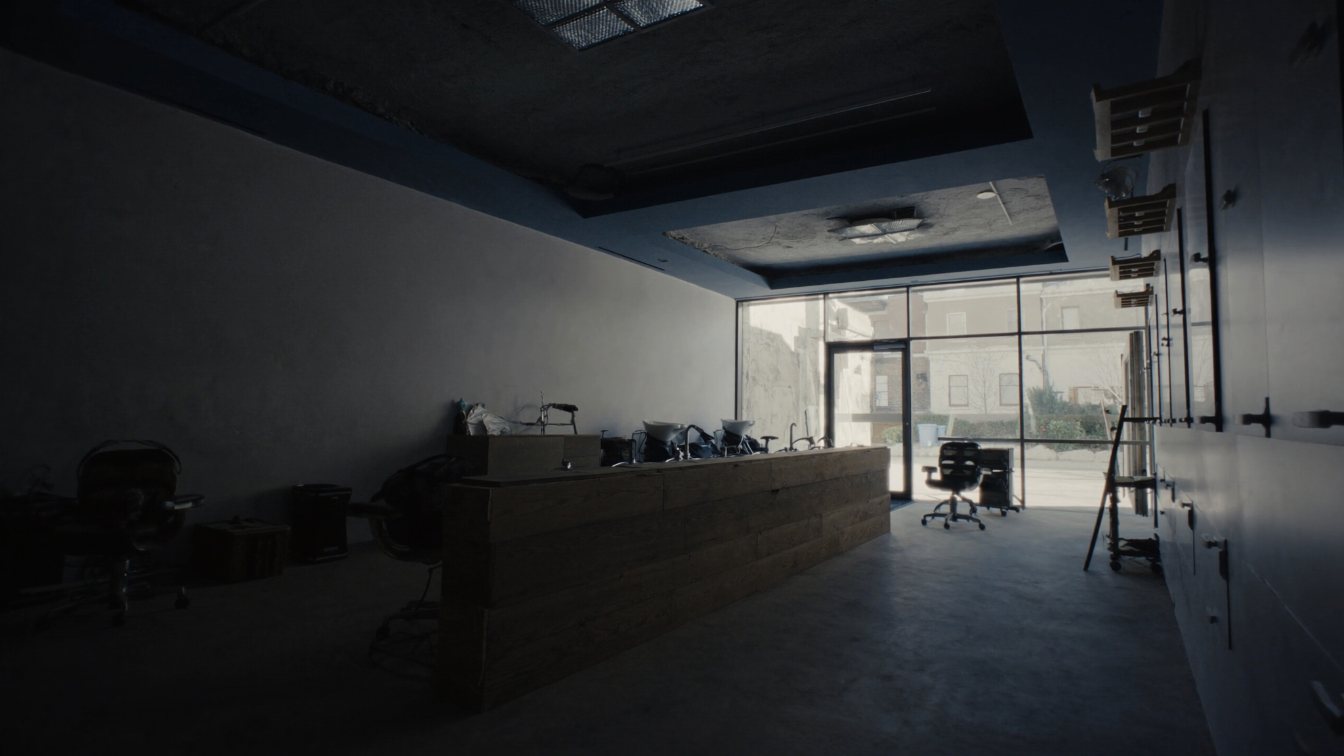
In Ontario, section 10 of the Building Code Act requires a permit to change the use of a building or part of one, even with no construction, if the change increases the hazard as determined by the Building Code, typically a change of major occupancy such as store to restaurant or warehouse to gym. Toronto says a change of use needs a building permit even without construction. Confirm zoning first, hire a designer, and budget for triggered upgrades such as fire separations, exits, washrooms and HVAC. Toronto's minimum change of use permit fee is $297.41 in 2026; Brampton charges $120.26 an hour, minimum four hours.
Looking for commercial space in Toronto or the GTA? Tell me what you need and I will send you units that fit, with the zoning and the lease checked before you commit.
What the law says: section 10 of the Building Code Act
Section 10(1) of Ontario’s Building Code Act, 1992 says that, even though no construction is proposed, no person shall change the use of a building or part of a building, or permit the use to be changed, if the change would result in an increase in hazard, as determined in accordance with the Building Code, unless a permit has been issued by the chief building official.
Three things in that sentence matter to a tenant:
- “Even though no construction is proposed.” You can need a permit to open a business in a unit where you touch nothing. Toronto’s permit page puts it plainly: even if no construction is proposed, if a change of use is proposed a building permit is required.
- “Or part of a building.” Your unit in a plaza is part of a building. The test is applied to your suite, not the whole property.
- “Or permit the use to be changed.” The landlord who lets the change happen is caught as well as the tenant who makes it.
Section 10(2) says the chief building official shall issue the permit unless the building, if used as proposed, would contravene the Act, the Building Code or any other applicable law, the application is incomplete, or fees are unpaid. “Other applicable law” includes zoning, which is why zoning comes first.
What counts as an increase in hazard
The Building Code sorts every building and suite into a major occupancy. The Ontario code in force since January 1, 2025 (O. Reg. 163/24, which adopts the National Building Code of Canada 2020 with Ontario amendments) uses these groups:
- Group A, assembly, in four divisions (performing arts; assembly not elsewhere classified; arena type; open air).
- Group B, detention, care and treatment, and care occupancies.
- Group C, residential.
- Group D, business and personal services.
- Group E, mercantile.
- Group F, industrial: high hazard (F1), medium hazard (F2) and low hazard (F3).
Mississauga’s guidance sheet on changes in use, written under the previous 2012 code, quotes the Code’s trigger list for a section 10 permit. It includes a change of major occupancy that the Code’s table marks as an increase in hazard, converting a Group A2 or A4 suite into gaming premises, changing a building to a retirement home or post-disaster building, and any change where the previous major occupancy cannot be determined. It also exempts you from a separate section 10 permit where the change results from construction that already has a regular building permit. Part 10 of the 2024 Code carries the same deemed changes.
The practical rule: if your use falls in a different group from the last lawful use of the unit, or nobody can prove what the last use was, assume you need to ask.
| Common tenant move | Why it raises the question | What to ask |
|---|---|---|
| Store to restaurant or café | Mercantile (E) to assembly (A2) seating | Is this a change of major occupancy, and what does Part 10 require? |
| Warehouse bay to gym, studio or place of worship | Industrial (F) to an assembly-type use with many more people | Occupant load, exits, washrooms, fire separations |
| Store or warehouse to office or coworking | E or F to business and personal services (D) | Does the move increase hazard under the Code’s table? |
| Office to clinic, day program or care use | Possible move into a Group B care or treatment occupancy | How the Code classifies your specific services |
| Any unit with no permit history | Previous major occupancy cannot be determined | Treated as a change; budget for review |
What Part 10 asks of the space after the change
Part 10 of the 2024 Building Code (Change of Use) is where the cost comes from. Two rules drive it:
- A building or part of a building that changes major occupancy must meet a list of Code requirements as they apply to the new occupancy. The list includes, among others, Section 3.7 (health requirements, which is where washroom facilities live) and, for smaller buildings, Part 9 provisions including plumbing facilities and ventilation (Sections 9.31 and 9.32).
- The performance level after the change must not be less than before. Performance is reduced if the existing floor and roof framing cannot carry the dead and live loads of the new occupancy, or if early warning and evacuation systems do not meet the Code’s table for the new occupancy. Posting load restrictions on part of a floor is one permitted way around the structural test.
Brampton’s change of use requirements sheet, revised February 2026, lists what usually comes up even when no construction is proposed: demising wall fire separations, exits, door hardware, washroom facilities and fixtures, HVAC ventilation, exit signs and emergency lighting, and possibly a fire alarm system. That list is the best short summary I have seen of where a tenant’s money goes.
Key takeaway
The permit fee is small. The upgrades the change of use triggers are not. Price fire separations, washrooms, exits and HVAC before you agree to the rent.
Zoning first: Toronto's review options
The building official cannot issue a permit for a use the zoning does not allow, so confirm zoning before you pay a designer. In Toronto you have three tools, all priced as of January 1, 2026:
- Zoning Use Review, $214.79 per request per registered lot. No plans needed. It confirms whether listed uses such as office, restaurant, child care, personal services and medical or dental are permitted at a specific location. It does not review parking, loading or built form.
- Zoning Applicable Law Certificate (ZALC), a detailed review of a proposal before a building permit, covering zoning and other applicable law. For non-house projects the fee is $888.14 up to 300 m² and $1,863.82 over 300 m², and it is credited against the later building permit fee. Use it for uses not on the Zoning Use Review form or where construction is involved.
- Zoning review for a business licence, $248.67 per application, required for categories such as eating or drinking establishments, entertainment places of assembly, nightclubs, holistic centres, amusement establishments and public garages. Toronto says that where a proposal involves alterations or a new major occupancy, you should apply for a ZALC instead.
Outside Toronto, Mississauga says you must meet zoning regulations even if your project does not need a building permit, and Brampton tells change of use applicants to check with its Zoning Plans Examiner before applying ([email protected] on its sheet). In Vaughan, Markham, Oakville and the other GTA cities, ask the building department’s zoning section for the equivalent review.
Who applies, and what goes in the application
In a typical retail or industrial lease, the tenant applies for the permit for its own premises, using the landlord’s information as owner, and the landlord cooperates. Check what your building department wants as proof of the owner’s authorization and get it from the landlord in the lease, not as a favour later.
Brampton’s checklist gives a good picture of a complete change of use application in a GTA city:
- The permit application through the city portal, a designer information schedule (Schedule 1) and an applicable law checklist.
- A letter of use describing the operation in detail, the number of employees, the occupant load and anything special about it.
- A key plan or site plan showing the building, parking and the occupancies of adjacent units.
- Architectural plans identifying every room’s use and any construction and fire separations.
- Structural plans where the change requires structural work, and mechanical plans; where no HVAC changes are proposed, a professional engineer must still assess the existing system and submit a written report.
- Electrical plans locating exit signs and emergency lights, and a fire alarm layout where the building has one.
Brampton says the applicant must retain a professional designer to assess the premises and prepare plans. Designers sign the Schedule 1 declaration showing their Building Code qualification (BCIN) or exemption. If your unit is in a registered condominium and work touches common elements, Brampton also asks for a Notice of Permission to Construct signed by the condominium corporation.
How long it takes
Toronto’s review streams set targets for complete applications: 15 business days for small buildings under Part 9 of the Code, 20 business days for large buildings and 30 for complex buildings under Part 3. Incomplete applications have no target.
Toronto’s Express Services target review within 3 business days for small commercial interior alterations, including offices, retail and restaurants under 30 seats up to 600 m², and assembly and industrial interiors up to 300 m². The catch for this topic: Express requires no change in use and no change in patron area. A change of use goes through a regular stream.
Add time on either side of that review: zoning confirmation, designer drawings, engineer’s reports, any comments and resubmissions, and inspections. In my experience the landlord’s own approval of your drawings is often the slowest step, which is why it belongs in the lease with a deadline.
Costs to budget
| Item | Published figure | Source |
|---|---|---|
| Toronto change of use permit | $297.41 minimum per permit, plus $92.79 per additional hour | Toronto building permit fees, 2026 |
| Toronto interior alterations | $12.45/m² for Groups A and D; $11.53/m² for Groups E and F | Toronto building permit fees, 2026 |
| Toronto Zoning Use Review | $214.79 per request | Toronto, from Jan 1 2026 |
| Toronto ZALC (non-house) | $888.14 up to 300 m²; $1,863.82 over 300 m² | Toronto, from Jan 1 2026 |
| Toronto business licence zoning review | $248.67 per application | Toronto, from Jan 1 2026 |
| Brampton change of use | $120.26 per hour of review, minimum 4 hours ($481.05) | Brampton requirements sheet, Feb 2026 |
| Designer and engineers | Varies by scope; quote before you sign | Your designer |
| Triggered upgrades | Varies: separations, exits, washrooms, HVAC, emergency lighting, fire alarm | Your designer; contractor quotes |
If you start work without a permit in Toronto, the fee schedule adds 50% of the permit fee or $214.79, whichever is greater, up to $29,456.99 per permit.
Lease clauses that protect you on a change of use
- Condition on zoning and permits. The offer and lease are conditional on written zoning confirmation and, where needed, issuance of a change of use and building permit, with a right to terminate and recover the deposit.
- Landlord’s disclosure of the last lawful use. The landlord states the unit’s previous use and provides any permits, occupancy records and drawings it has. If the last use cannot be shown, you know the Code treats that as a change.
- Who pays for triggered upgrades. Base-building items such as demising fire separations, a fire alarm, exits and main washrooms should be priced and allocated in the lease, not left to “tenant’s work.”
- Landlord cooperation and owner authorization. The landlord signs permit applications and owner authorizations within a set number of days.
- Drawing approval deadline. The landlord approves your plans within a fixed period, failing which they are deemed approved.
- Fixturing tied to the permit. Free rent and the fixturing period start when the permit is issued, not on a calendar date.
- No open permits or orders. The landlord confirms there are no outstanding work orders or open permits on the unit that could block your permit.
- Permitted use that matches your application. Your use clause should describe the same use your letter of use describes. See my guide to the commercial lease use clause.
What happens if you skip it, and which uses to watch
Under section 36 of the Building Code Act, contravening the Act is an offence. An individual is liable on conviction to a fine of up to $50,000 for a first offence and $100,000 for a subsequent offence; a corporation faces up to $500,000 and $1,500,000. Failing to comply with an order can add up to $10,000 a day. The practical consequences arrive sooner: a fire inspection, an insurance problem, a refused business licence, or a buyer’s lawyer who finds the use was never permitted when you try to sell.
Watch for this
The Commercial Tenancies Act lets a landlord re-enter if a business that requires a municipal licence is carried on without one. If an unpermitted change of use stops you getting the licence, the problem can become a lease default, not just a city matter.
The uses I see trigger change of use most often in GTA plazas and industrial units:
- Food: restaurants, cafés, bubble tea and dessert shops and ghost kitchens.
- People-heavy uses in former warehouses or stores: gyms, yoga studios, martial arts and dance studios, indoor playgrounds, billiards and karaoke lounges and entertainment venues.
- Assembly and care: places of worship in plazas, child care centres, tutoring centres and walk-in clinics.
- Office conversions: coworking spaces and photo and podcast studios.
Where I fit
I help business owners lease commercial space across Toronto and the GTA, and the change of use question is one of the first things I check on any unit. Before you sign, I look at the last lawful use, confirm zoning with the city, and read the lease for who pays for triggered upgrades and whether it is conditional on your permit. If you are buying rather than leasing, my retail store valuation tool is a good first step.
Find me commercial space
Tell me the use, area, size, budget and timing, and I will send units where the zoning and past use fit.
I will come back to you personally, usually the same day, with spaces that fit. If it is urgent, call or text 833-330-1925.
Frequently asked questions
Do I need a building permit if I am not doing any construction?
You might. Section 10 of Ontario's Building Code Act requires a permit to change the use of a building or part of a building, even with no construction, if the change increases the hazard as determined by the Building Code. Toronto states that a change of use needs a building permit even when no construction is proposed.
What is an increase in hazard under the Ontario Building Code?
Mainly a change of major occupancy that the Code's table identifies as an increase in hazard, for example from mercantile to assembly. The Code also lists deemed changes, including converting space to a retirement home or gaming premises, and any change where the previous major occupancy cannot be determined. Your designer or the building department can confirm.
Who applies for a change of use permit, the tenant or the landlord?
Usually the tenant applies for its own unit, with the landlord's information as owner and its cooperation. The Act also prohibits anyone from permitting an unpermitted change, so landlords are exposed too. Put the landlord's duty to sign applications and owner authorizations within a set time into the lease.
How much does a change of use permit cost in Toronto?
Toronto's 2026 fee schedule sets a minimum of $297.41 per change of use permit plus $92.79 for each additional hour. Construction is charged separately; interior alterations are $12.45 per square metre for Groups A and D. The bigger cost is usually the upgrades the change triggers, such as fire separations, exits and washrooms.
How long does a change of use permit take?
Toronto targets 15 business days for complete small-building applications and 20 or 30 days for large or complex buildings. Its 3-day Express Services stream does not apply where there is a change in use. Add time for zoning confirmation, drawings, engineering reports, landlord approval and resubmissions.
How do I check zoning before leasing a unit in Toronto?
Use a Zoning Use Review for $214.79 to confirm whether a listed use such as office, restaurant, personal services or medical is permitted at the address, with no plans needed. For other uses or projects with construction, a Zoning Applicable Law Certificate gives a fuller review and its fee is credited against the later building permit.
What happens if I change the use without a permit?
It is an offence under the Building Code Act. Individuals face fines up to $50,000 for a first offence and corporations up to $500,000, plus up to $10,000 a day for ignoring an order. In practice you also risk a refused business licence, insurance issues and a lease default if you cannot get a licence you need.
Sources
- Government of Ontario — Building Code Act, 1992 (e-Laws) — s. 10 change of use, s. 36 penalties
- Publications Ontario — 2024 Building Code Compendium update — major occupancy table, Part 10 change of use
- City of Toronto — When do I need a building permit — permit for change of use without construction
- City of Toronto — Building permit fees — 2026 change of use and alteration fees
- City of Toronto — Building permit review streams — review timelines, Express limits
- City of Toronto — Zoning Applicable Law Certificate — ZALC purpose and 2026 fees
- City of Toronto — Zoning review for business licence — licence categories and fee
- City of Mississauga — Changes in the Use of a Building — section 10 trigger list
- City of Brampton — Change of Use building permit requirements — application contents, upgrades, fees
Related reading
- The commercial lease use clause
- Restaurant premises in Ontario
- A place of worship in a plaza
- Gym and fitness studio premises
- Warehouse and industrial space
- Personal service setting inspections
- The use clause in a commercial lease
About the author — Jatin Dua, Toronto and GTA real estate broker
I am Jatin Dua, Broker of Record and co-founder of RE/MAX Quantum Realty Inc., Brokerage, Unit 101, 799 The Queensway, Toronto. I help business owners across Toronto and the GTA find, assess and lease commercial space, and I work with buyers and sellers of homes and businesses. Four-plus years of active GTA transactions and over $100 million in sales volume. Every rule here comes from a regulator, statute or by-law linked in the sources, so you can check all of it without asking me.
Reach me at [email protected] or 833-330-1925, or book a call.