
Published 2 November 2026 · By Jatin Dua, Broker of Record, RE/MAX Quantum Realty
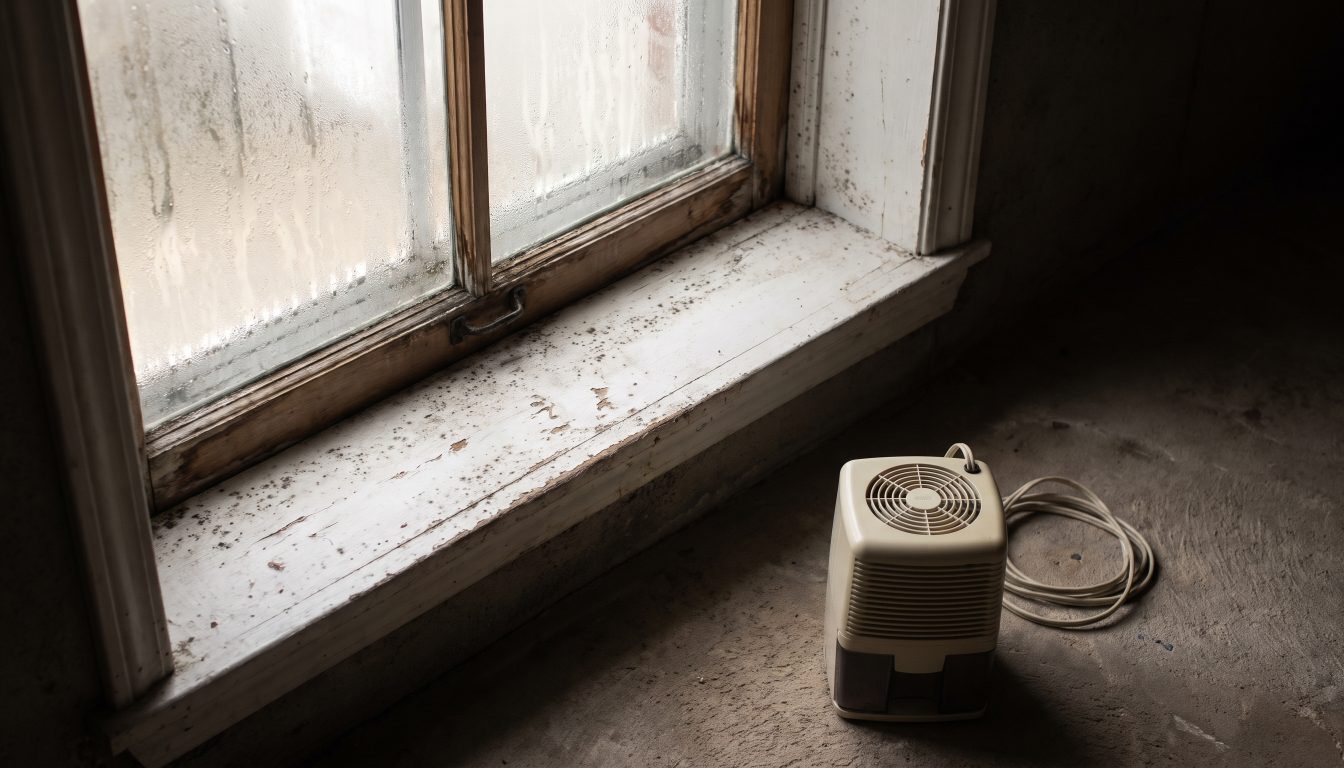
In Ontario, mould in a rental is usually the landlord’s responsibility because section 20 of the Residential Tenancies Act requires the unit to be kept in good repair and fit to live in. Report it in writing, call 311 in Toronto if nothing happens, and keep paying rent. A T6 application can win repairs, an abatement and up to $50,000.
This guide is for Ontario tenants dealing with mould in an apartment, condo or basement unit, and for landlords who want to handle a complaint properly. You will learn who is responsible, what health officials say about cleanup and testing, and how to get it fixed or claim compensation through the Landlord and Tenant Board.
Is mould the landlord’s responsibility in Ontario?
In most cases, yes. Section 20 of the Residential Tenancies Act, 2006 (the RTA) says a landlord must keep the rental unit and building in a good state of repair, fit for habitation, and in line with health, safety, housing and maintenance standards.
Mould is almost always a moisture problem: a roof or plumbing leak, a failed window seal, a wet foundation or poor ventilation. Fixing those things is repair and maintenance, which is the landlord’s job. Section 20(2) adds that this duty applies even if the tenant knew about the problem before signing the lease. A clause saying you “accept the unit as is” does not move the landlord’s repair duty onto you.
This is general information as of November 2026, not legal or medical advice. If you have symptoms, see a doctor. For your legal options, contact the Landlord and Tenant Board (LTB), a community legal clinic, a paralegal or a lawyer.
When is mould the tenant’s responsibility?
Tenants have two duties under the RTA:
- Ordinary cleanliness (s. 33). Wiping a little surface mould off a bathroom ceiling or window frame is usually part of normal housekeeping.
- Undue damage (s. 34). If the tenant, another occupant or a guest causes damage wilfully or through carelessness, the tenant must pay to repair it.
So a landlord may argue that mould came from the tenant’s own conduct, for example a bathroom fan never used or a leak never reported. The tenant may answer that the fan was broken or the leak was in the wall. The LTB decides on the evidence. That is why prompt, written reporting matters so much for both sides.
Health Canada’s moisture guide gives the everyday habits that help: use exhaust fans when cooking and showering, run a dehumidifier where needed, and keep indoor relative humidity between 30% and 50%.
Is black mould dangerous, and do I need a mould test?
Any mould growing indoors is worth taking seriously, whatever its colour. Health Canada links mould and dampness to eye, nose and throat irritation, coughing, wheezing, shortness of breath and worse asthma. People at higher risk include infants and children, seniors, pregnant people and anyone with asthma or another breathing condition.
Two points from Health Canada surprise many tenants:
- Testing is usually not needed. Health Canada does not recommend air testing in most situations, because results do not predict health effects and rarely show the cause.
- The type does not change the advice. It recommends controlling dampness and removing visible mould regardless of the type, so a “black mould” label is not required to get action.
For a tenant, good photos, dates and a record of the leak or damp area are usually more useful evidence than a lab report.
How much mould can a tenant clean, and when is a professional needed?
Health Canada sorts mould by size. These categories help you decide whether to wipe it yourself or insist the landlord brings in a professional.
| Size of mould | Health Canada description | Who should deal with it |
|---|---|---|
| Small | Three or fewer patches, total area under 1 m² | Can usually be cleaned by the occupant with precautions |
| Medium | More than three patches, or 1 m² to under 3 m² | Professional assessment recommended; cleanup often possible with care |
| Large | A single patch larger than 3 m² | Professional assessment and cleanup required |
| Any size that keeps coming back | Moisture source not fixed | Find and fix the source; get professional help |
Source: Health Canada, Guide to addressing moisture and mould in your home (2023). One square metre is about 10.8 square feet.
Health Canada also says to bring in a professional when mould is suspected inside walls or ceilings, after sewage-contaminated flooding, or when people keep having symptoms. If your unit flooded, my post on what to do after a basement flood in Toronto covers the first 48 hours.
Instant Home Valuation
What’s your home
worth today?
Answer six quick questions and get an instant value range built from current Toronto & GTA sale data — property type, size, condition, lot and location all weighted the way a real pricing conversation weighs them. Takes about ninety seconds.
Reading recent GTA sale data…
Building your estimate
Estimated market value
—
$0–$0
Most likely value $0 · roughly $0 per square foot
What moved the number
Starting from the area baseline for your property type, here’s what each answer added or subtracted.
Market context
Recent local averages for comparison.
—
A range is a starting point.
A strategy is what sells.
This model doesn’t know that your neighbour’s identical semi went $80,000 over asking last month, or which two upgrades actually pay back in your area. That conversation is free and takes twenty minutes.
How do I get my landlord to fix mould?
- Report it in writing. Email or text the landlord or property manager with photos, the location, when you first noticed it and any leak or damp you can see. The LTB’s maintenance guideline calls written notice best practice.
- Allow access. The landlord can enter with 24 hours’ written notice to inspect or repair. Cooperating helps your case later.
- Call 311 in Toronto if nothing happens. The City’s rental housing standards page says to contact 311 if the landlord does not fix a problem within a reasonable time, so an inspector can investigate. Other GTA cities have their own property standards offices.
- Know the RentSafeTO timelines. In Toronto apartment buildings with three or more storeys and 10 or more units, landlords must respond to urgent requests within 24 hours and non-urgent ones within seven days.
- File a T6 if repairs still do not happen. More on this below.
My post on Ontario landlord maintenance obligations covers the wider repair duty, and how to file a complaint against a landlord lists every channel.
Can a tenant sue a landlord for mould in Ontario?
Yes, usually through the LTB rather than a court. The tenant files Form T6, Tenant Application about Maintenance. The fee is $48 online or $53 by other methods. If the LTB finds the landlord breached its repair duty, it can:
- order the landlord to do specific repairs by a deadline
- order a rent abatement (a partial refund of rent)
- order payment for belongings damaged or destroyed, such as mouldy furniture
- order other reasonable out-of-pocket costs
- end the tenancy, in serious cases where the unit is not fit to live in
There is no formula for abatement. LTB Interpretation Guideline 5 says members look at how long the problem lasted and how serious it was, often as a percentage of the housing package you lost. Abatement is limited to the year before you file, and is usually not ordered if the landlord fixed things in a reasonable time after learning of them.
The LTB can award up to the Small Claims Court limit, which is $50,000 (RTA s. 207 and O. Reg. 626/00). If your losses are larger, such as a serious health claim, section 207(2) lets you go to court instead. Claiming a smaller amount at the LTB gives up the rest, so talk to a lawyer before filing if the stakes are high. My guide to the T6 maintenance application walks through the form and evidence.
Can I stop paying rent or break my lease because of mould?
Do not stop paying rent. Withholding rent gives the landlord grounds for an N4 notice, which now needs only 7 days, and an eviction application. Pay in full and ask the LTB for an abatement instead.
As for leaving, you have three lawful routes:
- ask the LTB, in your T6, to end the tenancy because the unit is not fit to live in
- agree with the landlord to end the tenancy, ideally on Form N11
- give proper notice to end at the end of your term or a rental period, usually 60 days
Moving out suddenly, or holding back rent “until it is fixed,” can leave you owing rent and weaken your T6. Keep paying, keep records, and let the LTB decide what you are owed. If a landlord tries to make you pay for the mould repair through a lease clause, that clause is void when the repair is the landlord’s legal duty.
What about mould in a rented condo or basement apartment?
Condo rentals
Your landlord is the unit owner, and it is the owner who owes you the RTA duty to keep your unit in good repair, even if the water came from the building’s common elements or a neighbour’s unit. The owner then deals with the condo corporation, which looks after the common elements. Report to your landlord in writing, and copy the property manager if your lease allows it.
Basement apartments
Basements are prone to damp. The same rules apply: the landlord must fix the moisture source, and the tenant should run fans or a dehumidifier where provided and report leaks quickly. Health Canada suggests a dehumidifier in damp areas such as basements, or whenever humidity rises above 50%.
For landlords, mould is rarely the real problem. The leak, the dead bathroom fan or the cracked foundation is. Paint over it and you will be back in six months with a T6 and a tenant who no longer trusts you. Fix the source, document the work, and keep the invoices, because they also matter when you sell. For tenants, write it down on day one. Date, photo, message. That record is what wins abatements.
If you are also buying or selling a home with a mould history, my post on mould for Ontario buyers and sellers covers disclosure and inspections.
What to do next
- Photograph the mould, note the date and look for the moisture source.
- Send a written repair request to your landlord with the photos.
- Clean only small areas yourself, with gloves and good ventilation; leave larger or returning growth to the landlord.
- If repairs stall, call 311 in Toronto or your city’s property standards office.
- Keep paying rent and file a T6 with the LTB if the problem is not fixed in a reasonable time.
Need help with this? Talk to me.
I’m Jatin Dua, Broker of Record at RE/MAX Quantum Realty, and I’m the best agent to do this kind of work for you in Toronto and across the GTA. Over $100 million in GTA sales and 100+ families helped sell. Feel free to contact me any time: call or text 833-330-1925 or email [email protected].
Frequently asked questions
Who is responsible for mold in an apartment in Ontario?
Usually, yes. Section 20 of Ontario’s current Residential Tenancies Act requires landlords to keep rental units in a good state of repair and fit for habitation, and most mould comes from leaks, damp or poor ventilation that the landlord must fix. Tenants are responsible only for ordinary cleanliness and for damage they, their occupants or guests cause wilfully or through carelessness.
Can I sue my landlord for mold in Ontario?
Yes. In Ontario a tenant usually files Form T6 with the Landlord and Tenant Board, which can order repairs, a rent abatement, payment for damaged belongings and other out-of-pocket costs. The Board can award up to $50,000, matching the Small Claims Court limit in 2026. Larger claims, such as serious health losses, can go to court instead.
What should I do about black mould in my rental in Toronto?
Report it to your landlord in writing with photos and the date. Health Canada says to remove visible mould and fix the dampness regardless of the type, so you do not need to prove it is black mould. If the landlord does not act within a reasonable time, call 311 so a City of Toronto inspector can investigate, then consider a T6 application.
Can I withhold rent because of mould in Ontario?
No. Withholding rent in Ontario in 2027 gives your landlord grounds to serve an N4 notice, which now requires only 7 days, and to apply to evict you. Keep paying in full. If the landlord fails to fix the mould, ask the Landlord and Tenant Board for a rent abatement through a T6 application. The Board can order money back for the period affected.
How much rent abatement can I get for mould in Ontario?
There is no fixed amount. The Ontario Landlord and Tenant Board looks at how serious the mould was and how long it lasted, often as a percentage of the housing package you lost, then converts that to dollars. Abatement is limited to the year before you file and is usually refused if the landlord fixed the problem within a reasonable time.
Can I break my lease because of mould in Ontario?
Not on your own. In Ontario in 2027, you can ask the Landlord and Tenant Board to end the tenancy in a T6 application if the unit is unfit to live in, agree with your landlord to end it, or give proper notice for the end of your term. Leaving suddenly without one of these can leave you owing rent.
Do I need a mould test for my apartment in Ontario?
Usually not. Health Canada does not recommend air testing for mould in most homes because the results do not predict health effects and rarely show the cause. A professional may suggest testing in unusual cases, such as after flooding. For an Ontario tenant, photos, dates and written repair requests are normally better evidence than a lab report.
How much mould can I clean myself in a rental?
Small areas only. Health Canada describes small mould as three or fewer patches with a total area under one square metre, which an occupant can usually clean with precautions. A single patch larger than three square metres needs professional cleanup. In an Ontario rental, report anything beyond a small patch to the landlord in writing rather than tackling it yourself.
Who fixes mould in a rented condo in Ontario?
Your landlord, who is the unit owner. Under Ontario’s current Residential Tenancies Act the owner who rents to you must keep the unit in good repair, even if the water came from the building’s common elements or another unit. The owner then deals with the condo corporation. Report the mould to your landlord in writing and keep copies.
Sources
- Residential Tenancies Act, 2006, S.O. 2006, c. 17 (e-Laws, current consolidation)
- Health Canada: Guide to addressing moisture and mould in your home
- City of Toronto: Mould fact sheet
- City of Toronto: Rental housing standards
- LTB Interpretation Guideline 5: Breach of Maintenance Obligations
- Tribunals Ontario: LTB forms, filing and fees
- O. Reg. 626/00, Small Claims Court Jurisdiction and Appeal Limit
- Ontario: Guide to Ontario’s standard lease
Related reading
- Can My Landlord Enter Without Notice in Ontario?
- Can a Landlord Evict You Without Going to the LTB in Ontario?
- Can My Landlord Raise the Rent Every Year in Ontario? 2027 Rules
- Can a Landlord Put Security Cameras in or Outside a Rental in Ontario?
About the author — Jatin Dua, Toronto and GTA real estate broker
I am Jatin Dua, Broker of Record and co-founder of RE/MAX Quantum Realty Inc., Brokerage, Unit 101, 799 The Queensway, Toronto. I work with buyers and sellers across Toronto and the GTA and have helped more than 100 families sell. Four-plus years of active GTA transactions and over $100 million in sales volume.
Reach me at [email protected] or 833-330-1925, or book a call.