

Published 7 August 2026 · Updated 7 September 2026 · By Jatin Dua, Broker of Record, RE/MAX Quantum Realty
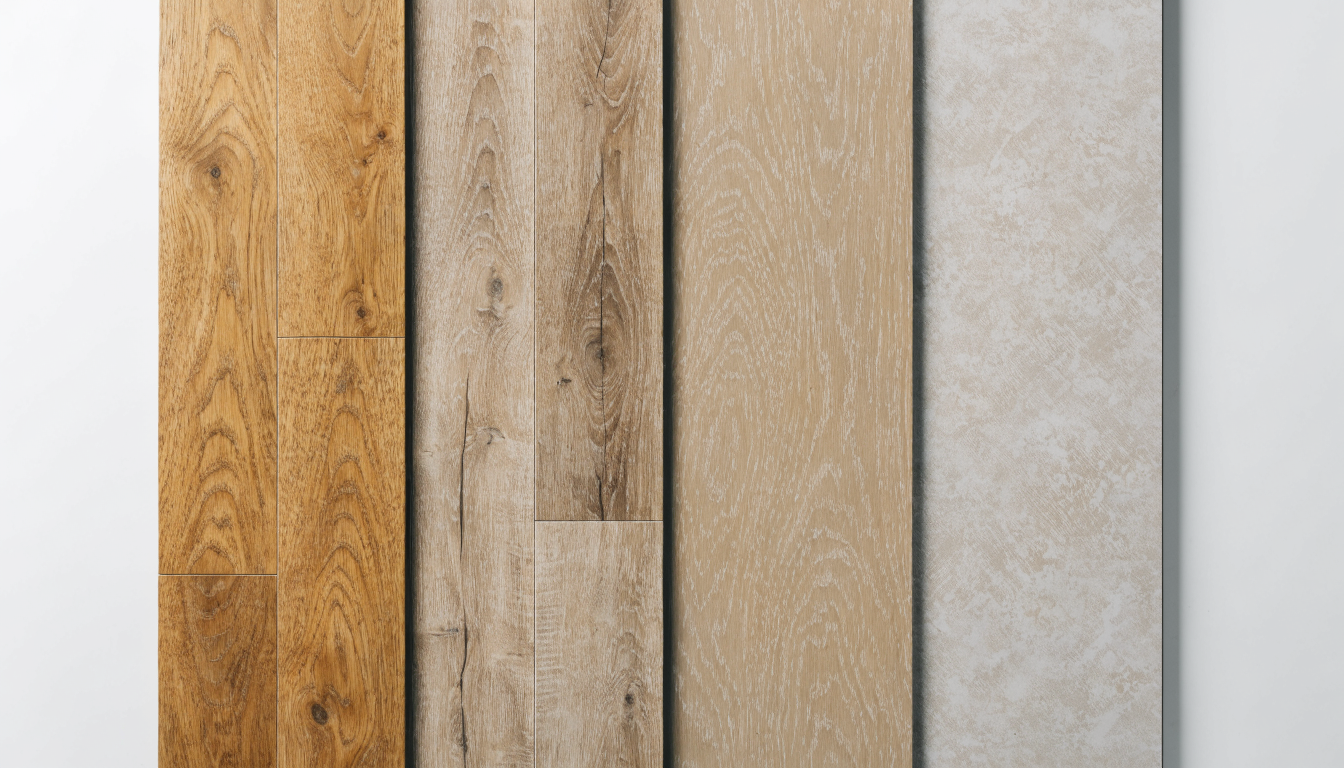
There is no single winner — there is a winner per situation. Engineered hardwood is the 2026 overall winner for most Toronto homes and condos: it looks and appraises like real wood, it handles humidity swings and concrete subfloors that solid hardwood cannot, and it is the format most condo boards will actually approve. Solid hardwood still wins in older detached homes with existing hardwood and on a very long hold, because it can be refinished repeatedly. Luxury vinyl plank (LVP) wins in basements, rentals and anywhere water is a real risk. Laminate wins on price alone and is the one that most often costs you money at resale.
I get asked this constantly, usually about six weeks before someone lists. The honest answer is not the one flooring retailers give, because they are selling a product and I am looking at what a buyer does when they walk in.
Here is the frame that matters: flooring rarely earns back its full cost as a line item, but bad flooring absolutely costs you. Nobody pays $30,000 more because your floors are beautiful. Plenty of buyers deduct $30,000 — or walk — because your floors read cheap, or because there is carpet in a condo where every comparable unit has hard surface.
So the goal is not to maximise flooring spend. It is to get to the point where flooring is not the thing anyone is thinking about, and then stop.
Four products, honestly compared.
1Solid Hardwood — the long-hold winner
Solid hardwood is a plank of actual wood, typically 3/4 inch, all the way through. That single fact is its entire advantage: because it is solid, it can be sanded and refinished repeatedly — realistically four to six times, sometimes more — which means one floor can last the life of the house.
Where it genuinely wins
Older detached homes in The Kingsway, Sunnylea, Mimico and Long Branch that already have original hardwood. If you have it, refinish it — do not replace it. Refinishing existing hardwood is usually a fraction of the cost of new flooring and delivers a better result than anything you would install in its place. This is the single highest-return flooring decision available in Toronto and people rip it out constantly.
It also wins on genuine long holds. If you are in a house for thirty years, the ability to refinish rather than replace is real money.
Where it fails
Condos. Most condo units sit on concrete slabs. Solid hardwood does not go over concrete well, it needs a subfloor build-up that eats ceiling height, and many condo declarations restrict it outright on sound-transmission grounds. Check your board’s rules before you buy anything — retrofitting after a complaint is expensive and miserable.
Humidity. Toronto swings from humid summers to dry heated winters. Solid wood moves with that — gapping in winter, cupping in summer. It is manageable with a humidifier and proper acclimatisation, but it is a maintenance commitment.
Water. A dishwasher leak or a burst supply line can ruin it. Not a basement product.
Why it makes the list: Unbeatable if you already have it — refinish rather than replace. For new installation, it now only wins in detached homes on a very long hold.
2Engineered Hardwood — the 2026 overall winner
Engineered hardwood is a real hardwood wear layer bonded to a plywood or HDF core. The surface is genuine wood — it looks like hardwood because it is hardwood — while the cross-layered core makes it dimensionally stable in ways solid wood is not.
Why it wins in 2026
It solves the condo problem. It installs over concrete, works with radiant heat, and can be floated or glued — which is what most condo boards will approve. Given how much of Toronto’s market is condos, this alone makes it the default.
It handles our climate. The cross-layered construction resists the seasonal expansion and contraction that makes solid hardwood gap and cup in a Toronto winter.
It appraises and shows as hardwood. A buyer walking through cannot distinguish a good engineered floor from solid, and neither can most appraisers. You get the perceived value without the installation constraints.
The one specification that matters
Wear layer thickness. This is the only spec worth arguing about. A 2mm wear layer cannot be refinished. A 3mm can be refinished once. A 4 to 6mm can be refinished two or three times.
Cheap engineered flooring with a paper-thin wear layer is functionally laminate at a hardwood price — and it is the most common way people overpay in this category. Ask for the wear layer in millimetres, in writing, before you buy. If the salesperson cannot tell you, walk.
Cost
Sits between laminate and solid hardwood. Good quality engineered typically costs less installed than solid hardwood, largely because installation is simpler and faster.
Why it makes the list: The best combination of appearance, durability, climate tolerance and resale perception for Toronto homes and condos. The right default for most people — provided the wear layer is 3mm or more.
Thinking about buying or selling here?
I work this area every week and I will give you a straight answer, including when the answer is to wait. No pressure, and no drip campaign you cannot get out of.
Call or text 833-330-1925 Send me a message
Jatin Dua, Broker of Record — RE/MAX Quantum Realty Inc., Brokerage. Not intended to solicit buyers or sellers currently under contract with another brokerage.
3Luxury Vinyl Plank (LVP) — the practical winner
Luxury vinyl plank has improved more than any other flooring category in the last decade, and the good product is genuinely good. It is fully waterproof, highly scratch and dent resistant, softer and warmer underfoot than laminate, and modern printing and embossing makes the better products convincing.
Where it is clearly the right answer
Basements. This is not a close call. Below-grade concrete carries moisture. Wood-based products — solid, engineered or laminate — are all at risk there. LVP is not. If you are finishing a basement in Etobicoke, this is the product.
Rentals and investment condos. Tenants are hard on floors and you are not there to manage it. LVP survives what hardwood does not, and replacing a damaged plank is straightforward.
Dogs, young children, and anyone who has ever had a leak. Waterproof and scratch resistant is not a marketing claim in this category — it is the actual product difference.
The honest limitations
It is not refinishable. When it wears, it gets replaced. Lifespan is measured in a couple of decades, not a century.
The quality range is enormous. Cheap LVP looks cheap, dents under furniture legs, and can show a repeating pattern across a room — the fastest way to make a floor read as fake. Better products use thicker wear layers, rigid cores (SPC or WPC) and more plank variations. Ask how many unique plank designs are in the run.
Resale perception in premium homes. In a $2.5 million Kingsway house, vinyl on the main floor reads as a compromise regardless of quality. In a condo, a rental or a basement, nobody blinks.
Why it makes the list: The right answer wherever water, pets, children or tenants are involved — and unbeatable in basements. Buy the good version, not the cheap one.
4Laminate — the budget option that often costs you
Laminate is a photographic image of wood under a clear wear layer, over a high-density fibreboard core. It is the cheapest of the four and it has genuinely improved — modern laminate is more scratch resistant than most people assume.
Where it makes sense
Tight budgets where the alternative is worn carpet or damaged existing flooring. A fresh mid-grade laminate genuinely shows better than a beaten-up floor, and if you are listing next month with limited capital, it can be the right call.
Low-traffic areas, and short holds where you need the space to present acceptably and will not be there long enough to care about lifespan.
Why I usually steer people away
Water. The HDF core swells when it gets wet, and swelling is permanent. A dishwasher leak means replacing the floor, not drying it.
Sound. Laminate is hard and hollow underfoot. In a condo this is a real issue — it transmits impact noise to the unit below, and it is the most common source of neighbour complaints. Many boards have underlay requirements specifically because of it. Check before you install.
Resale. Buyers have become good at spotting laminate, and in this market they are unforgiving. LVP at a similar price point is waterproof, quieter and reads better. The gap between cheap laminate and decent LVP is small in dollars and large in perception — which is why laminate is the one product on this list I actively discourage for anything above a strict budget constraint.
Why it makes the list: Only wins on upfront price. In 2026, LVP does almost everything laminate does, better, for not much more — which makes laminate hard to justify.
5What actually happens at resale — the realtor’s read
This is the section flooring retailers will not give you, and it is the one that affects your money.
Consistency matters more than material
One continuous floor across the main level presents dramatically better than three good floors in three rooms. Buyers read transitions as patchwork and patchwork as deferred maintenance. If your budget only covers the main floor in one material, that beats covering the whole house in three.
Carpet is the real deduction
Carpet on a main floor or in a condo living area in 2026 reads dated and reads like a project. That deduction is usually larger than the cost of replacing it. Bedrooms are more forgiving — carpet in bedrooms is still acceptable to many buyers and is not worth replacing on its own.
Refinish before you replace
If there is existing solid hardwood under carpet or under damaged surface, refinishing it is almost always cheaper than new flooring and produces a better result. I have seen sellers spend $18,000 on new engineered floors installed directly over original oak that would have refinished beautifully for a fraction of that. Have someone look before you commit.
Check the condo rules first — always
Condo declarations commonly specify permitted flooring types, minimum underlay ratings and required areas of coverage. Installing non-compliant flooring can mean being ordered to remove it. Get the rules in writing from property management before you order anything. This is the most expensive avoidable mistake in condo renovation.
Why it makes the list: Because the return on flooring comes from removing objections, not from adding features. Spend to neutralise the deduction, then stop.
Side-by-side comparison
| Solid hardwood | Engineered hardwood | Luxury vinyl (LVP) | Laminate | |
|---|---|---|---|---|
| Relative cost | Highest | High | Low–mid | Lowest |
| Waterproof | No | No | Yes | No — core swells |
| Over concrete / condo | Usually no | Yes | Yes | Yes, with underlay |
| Refinishable | 4–6+ times | 1–3× if 3mm+ wear layer | No | No |
| Scratch resistance | Moderate | Moderate | Best | Good |
| Sound underfoot | Good | Good | Best | Worst — hollow, loud |
| Resale perception | Best | Best | Good (weak in luxury) | Weakest |
| Best for | Existing hardwood; long holds | Most homes and condos | Basements, rentals, pets | Tight budget only |
Renovating before you sell? Ask me first.
Not every renovation returns its cost, and flooring is one of the easiest places to overspend. Tell me what you are planning and I will tell you honestly what a buyer in your building or on your street will actually pay for — and what to skip.
Thinking about buying or selling here?
I work this area every week and I will give you a straight answer, including when the answer is to wait. No pressure, and no drip campaign you cannot get out of.
Call or text 833-330-1925 Send me a message
Jatin Dua, Broker of Record — RE/MAX Quantum Realty Inc., Brokerage. Not intended to solicit buyers or sellers currently under contract with another brokerage.
Frequently asked questions
What is the best flooring for a condo in Toronto?
Engineered hardwood, in most cases. It installs over concrete slabs where solid hardwood cannot, handles radiant heat, tolerates Toronto’s humidity swings, and is the format most condo boards approve. It also looks and appraises like real hardwood because the wear layer is real hardwood. Choose a wear layer of at least 3mm so it can be refinished. Before ordering anything, get the building’s flooring rules and underlay requirements in writing from property management — non-compliant flooring can result in an order to remove it.
Is engineered hardwood as good as solid hardwood?
For most Toronto applications it is better. Solid hardwood’s advantage is that it can be refinished four to six times or more, which matters on a multi-decade hold in a detached home. Engineered hardwood wins on dimensional stability in our humidity swings, works over concrete and radiant heat, is generally cheaper installed, and is visually indistinguishable to buyers and most appraisers. The key specification is wear layer thickness: 2mm cannot be refinished, 3mm once, and 4 to 6mm two or three times.
Is vinyl plank flooring better than laminate in 2026?
For most purposes, yes. Luxury vinyl plank is fully waterproof, more scratch and dent resistant, quieter and warmer underfoot, and reads better to buyers. Laminate’s HDF core swells permanently when wet and it transmits impact noise, which is a frequent source of condo neighbour complaints. The price gap between decent LVP and cheap laminate is small, so laminate is now hard to justify except under a strict budget constraint.
What flooring should I use in a basement?
Luxury vinyl plank. Below-grade concrete carries moisture and any wood-based product — solid hardwood, engineered hardwood or laminate — is at risk of damage from it. LVP is fully waterproof and unaffected. This is one of the few flooring questions with a clear single answer.
Does new flooring increase a home’s resale value?
Flooring rarely returns its full cost as a line item — buyers do not pay a premium for beautiful floors. What it does is remove a deduction. Worn carpet on a main floor, damaged flooring, or a patchwork of three different materials across one level all cause buyers to deduct or walk, usually by more than the cost of fixing it. The goal is to get flooring to the point where nobody is thinking about it, then stop spending. Consistency across a level matters more than the quality of the material.
Should I refinish or replace my existing hardwood before selling?
Refinish, almost always. If there is solid hardwood in place — including under carpet — refinishing typically costs a fraction of new flooring and produces a better result than anything you would install over it. Solid hardwood can be refinished four to six times or more. Sellers regularly install new engineered flooring directly over original oak that would have refinished beautifully for far less. Have a flooring professional assess what is underneath before you commit to replacement.
For Toronto homes and condos in 2026, engineered hardwood is the best overall flooring choice for most situations: it installs over concrete slabs and radiant heating where solid hardwood cannot, resists the dimensional movement caused by Toronto humidity swings, is approved by most condo boards, and is visually indistinguishable from solid hardwood to buyers and appraisers. The critical specification is wear layer thickness — 2mm cannot be refinished, 3mm can be refinished once, and 4 to 6mm two or three times. Solid hardwood remains the best choice where it already exists, because refinishing is far cheaper than replacement and it can be refinished four to six times or more. Luxury vinyl plank is the correct choice for basements, rental units and homes with pets or children because it is fully waterproof and the most scratch resistant, though it cannot be refinished. Laminate is the cheapest but its HDF core swells permanently when wet, it transmits impact noise in condos, and it reads poorly to buyers, making it hard to justify over luxury vinyl plank. Flooring rarely returns its full cost at resale but poor or inconsistent flooring causes buyer deductions larger than the cost of correcting it. Condo owners must confirm their building’s flooring and underlay rules in writing before installation.
Sources and further reading
Flooring industry product specifications for wear layer thickness and core construction · standard Ontario condominium declaration provisions on flooring and sound transmission · general renovation cost-recovery research. Product specifications and pricing vary by manufacturer and installer — obtain written specifications and quotes before purchasing.
General information prepared August 2026. This is not construction, engineering or renovation advice, and it is not a guarantee of cost recovery on any renovation. Flooring product performance varies substantially by manufacturer, grade and installation quality; obtain written specifications, warranties and quotes. Condominium flooring rules, underlay requirements and sound transmission standards are set by each corporation and must be confirmed in writing with property management before installation — non-compliant flooring may have to be removed at the owner’s expense. Statements about resale perception are general observations from the Toronto market and are not a valuation of any property. Jatin Dua is a Realtor with RE/MAX Quantum Realty and is not a contractor, flooring professional or appraiser.