

Published 25 September 2026 · By Jatin Dua, Broker of Record, RE/MAX Quantum Realty
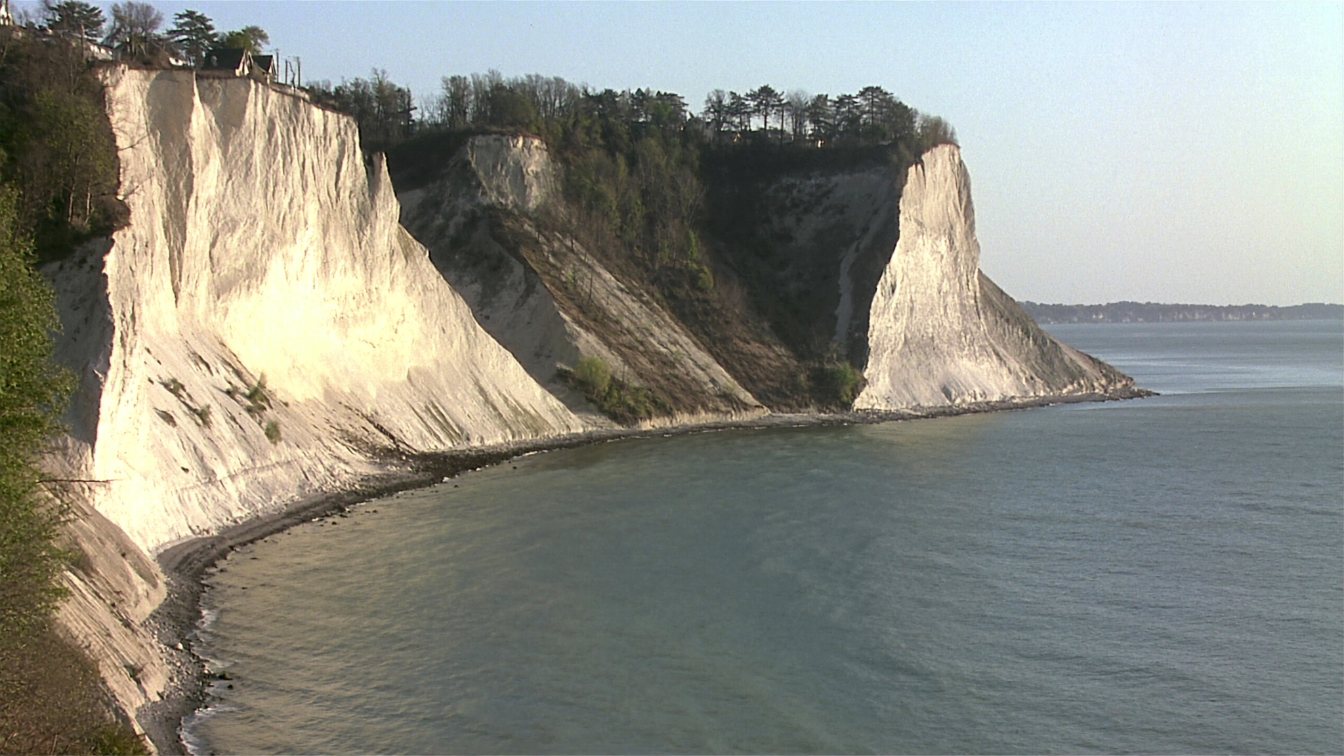
The Scarborough Bluffs run about 15 kilometres along Lake Ontario from the Eastern Beaches to East Point Park and rise to roughly 90 metres at their highest. Houses along the top — in Birch Cliff, Cliffside, Cliffcrest, Scarborough Village and Guildwood — have some of the most dramatic views in the GTA and some of its most specific risks. The bluffs erode through wave action, groundwater and freeze-thaw; TRCA notes that one to three metres of tableland can go in a single event. Every bluff-top lot sits in TRCA’s regulated area, so any construction needs a TRCA permit before a City building permit and the hazard setback may leave less buildable land than the survey suggests. Insure it before you waive conditions, not after.
What the Bluffs are
The Scarborough Bluffs are a wall of glacial sediment — sand, clay and till laid down over the last ice age — that Lake Ontario has been cutting into ever since. They stretch roughly 15 kilometres from the east end of the Beaches to East Point Park and reach about 90 metres at their highest point near Cathedral Bluffs. Toronto has nothing else like them.
The neighbourhoods on top run from west to east: Birch Cliff and Cliffside near Kingston Road and Victoria Park, Cliffcrest around Bluffer’s Park, Scarborough Village, and Guildwood at the eastern end. Each has streets that end at the bluff edge, and the lots on those streets are the subject of this guide. Read the Guildwood and Cliffcrest guide for the neighbourhood-level view.
How the bluffs erode
TRCA describes three mechanisms. Waves undercut the toe of the bluff, steepening the face until the weight above overwhelms it and a section slumps. Groundwater and surface runoff seep through the sediment and trigger surface failures. And freeze-thaw cycles — water expands about nine percent when it freezes — pry material loose each winter and spring.
The consequence TRCA states plainly: one to three metres of tableland can be lost in a single event. Not per century. Per event. In sheltered or armoured sections the bluff may be stable for decades; in exposed, unprotected sections it is a moving edge. Which kind you are looking at is the first question, and the listing will not answer it.
TRCA’s role, and the permit you need before the permit
The entire bluff-top shoreline sits within the Toronto and Region Conservation Authority’s regulated area under Ontario Regulation 41/24, in force since 1 April 2024. In practice that means any new construction, addition, deck, pool, retaining wall or shoreline work needs a TRCA permit before the City of Toronto will issue a building permit. TRCA applies a hazard setback from the stable top of bank, and on an actively eroding lot that setback can push the buildable envelope well back from the current edge.
TRCA has also spent years armouring parts of the shoreline. Bluffer’s Park and the headlands around it are artificial, and the Scarborough Waterfront Project launched in 2017 aims to work along about 11 kilometres of shoreline. Where the toe has been protected, erosion slows. Where it has not, it does not. Ask TRCA, not the seller, which applies to the lot you are considering. Read what conservation permits allow for the full process.
The survey question
A bluff-top survey has a date, and the bluff does not. If the last survey is twenty years old, the legal lot line may sit in mid-air. Commission a current survey with the surveyor instructed to locate the top of bank and note its distance from the house. Compare it with the old survey. The difference, divided by the years between them, is your own crude erosion rate for that specific lot — more useful than any regional average. Read what happens to your boundary when the lake takes land for the legal side.
Insurance: ask before you commit
Standard home insurance in Canada does not cover earth movement, and landslide and erosion damage generally falls under that exclusion. Some insurers will not write a policy on a lot they consider at risk; others will, with conditions. A lender will want insurance in place before funding. So the order matters: get a written insurance quote on the specific address before you waive your financing condition, not after. If no insurer will take it at a reasonable premium, that is your answer about the lot.
Overland flood coverage is a separate question and mostly irrelevant on top of a 60-metre bluff; the risk here is the ground going, not water coming. Read the waterfront insurance guide for how the two differ.
What a stable bluff lot is worth, and what an eroding one is
Two houses on the same street can be very different assets. One sits on an armoured, stable section with a generous distance to the top of bank, a current TRCA setback that leaves room to rebuild, and an insurer willing to write it. The other sits on an unprotected section, has lost measurable ground since its last survey, and has a setback that would put any new house in the front yard. The first is a rare Toronto lot with a permanent lake view. The second is a house you can live in but never rebuild, on land that is getting smaller.
Price them accordingly. For the first, comparables are other stable bluff-top sales, adjusted for view and distance to the edge. For the second, the comparable is an inland house of the same size with a discount for the constraint, not a premium for the view. I would rather tell a seller that than list an eroding lot at a stable lot’s price and watch it sit.
Who the Bluffs suit
Buyers who want a view no downtown tower can match, are prepared to do the TRCA, survey and insurance work before offering, and intend to hold for years. They do not suit anyone planning a quick rebuild without checking the setback, anyone who cannot get insurance at a premium they accept, or anyone who reads “lake view” and skips the fine print.
The takeaway
The Scarborough Bluffs offer Toronto’s most dramatic residential views on land that is, in places, actively disappearing. Before you offer: get TRCA’s mapping and setback for the lot, commission a survey that locates the top of bank, and get a written insurance quote. A stable, armoured lot with room to rebuild is a rare asset. An eroding one is a house with a view and a shrinking backyard, and should be priced as such.
Where I fit
I work across Toronto and the GTA and I am direct about risk. If you are looking at a bluff-top property I will help you get the TRCA mapping, the survey and the insurance answer before you spend money on an inspection. Start with the estimator below for a baseline on what you own now, or book a call.
Free tool — AI home value estimator
Instant Home Valuation
What’s your home
worth today?
Answer six quick questions and get an instant value range built from current Toronto & GTA sale data — property type, size, condition, lot and location all weighted the way a real pricing conversation weighs them. Takes about ninety seconds.
Reading recent GTA sale data…
Building your estimate
Estimated market value
—
$0–$0
Most likely value $0 · roughly $0 per square foot
What moved the number
Starting from the area baseline for your property type, here’s what each answer added or subtracted.
Market context
Recent local averages for comparison.
—
A range is a starting point.
A strategy is what sells.
This model doesn’t know that your neighbour’s identical semi went $80,000 over asking last month, or which two upgrades actually pay back in your area. That conversation is free and takes twenty minutes.
Frequently asked questions
Is it safe to buy a house on the Scarborough Bluffs?
It depends on the specific lot. Some sections are armoured and stable; others erode actively, and TRCA notes that one to three metres of tableland can be lost in a single event. Get TRCA’s mapping, a current survey locating the top of bank, and an insurance quote before you offer.
How fast are the Scarborough Bluffs eroding?
There is no single verified rate for the whole shoreline and TRCA does not publish one. Erosion is episodic and varies by section. Comparing a current survey to the previous one gives you the rate for that lot, which is what matters.
Do I need a TRCA permit to renovate a bluff-top house?
For new construction, additions, decks, pools, retaining walls or shoreline work, yes. The bluff-top shoreline is within TRCA’s regulated area under Ontario Regulation 41/24, and a TRCA permit is required before a City building permit.
Can I rebuild a house on a Scarborough Bluffs lot?
Only within TRCA’s hazard setback from the stable top of bank. On an actively eroding lot that setback may leave little or no room for a new house. Get the setback in writing before you buy with a rebuild in mind.
Does home insurance cover bluff erosion?
Generally no. Earth movement, including landslide and erosion, is excluded from standard Canadian home insurance. Some insurers will not write a policy on an at-risk lot at all. Get a quote on the specific address before waiving conditions.
Which neighbourhoods are on the Scarborough Bluffs?
From west to east: Birch Cliff, Cliffside, Cliffcrest, Scarborough Village and Guildwood, all south of Kingston Road along the lake.
Is the view from the Bluffs protected?
Yes, in the sense that nothing can be built on the lake. The risk on the Bluffs is not losing the view; it is losing the land you are standing on to see it.
Sources
- TRCA — Three ways that water has shaped the Scarborough Bluffs — erosion mechanisms; 1–3 m per event
- Wikipedia — Scarborough Bluffs — 15 km length; 90 m height; 2017 Scarborough Waterfront Project
- Ontario Regulation 41/24 — Prohibited Activities, Exemptions and Permits — conservation authority permits
- TRCA — Permits and planning — regulated area and permit process
Related reading
- Stoney Creek Lakefront Homes
- The Beach, Toronto
- Shoreline Protection on Lake Ontario
- Guildwood and Cliffcrest lakefront homes
- Shoreline erosion and your property line
- Conservation permits on shoreline property
- Scarborough Bluffs, Birch Cliff and Cliffside
- Surveys, SRPRs and title insurance
About the author — Jatin Dua, Toronto and GTA real estate broker
I am Jatin Dua, Broker of Record and co-founder of RE/MAX Quantum Realty Inc., Brokerage, Unit 101, 799 The Queensway, Etobicoke. I work with buyers and sellers across Toronto and the GTA, with deep local knowledge of the west end and the Lake Ontario shoreline. Four-plus years of active GTA transactions and over $100 million in sales volume. Every market figure here comes from TRREB’s published tables and every rule from the regulator or the legislation, so you can check all of it without asking me.
Reach me at connect@jatindua.com or 833-330-1925, or book a call.