

Published 25 September 2026 · By Jatin Dua, Broker of Record, RE/MAX Quantum Realty
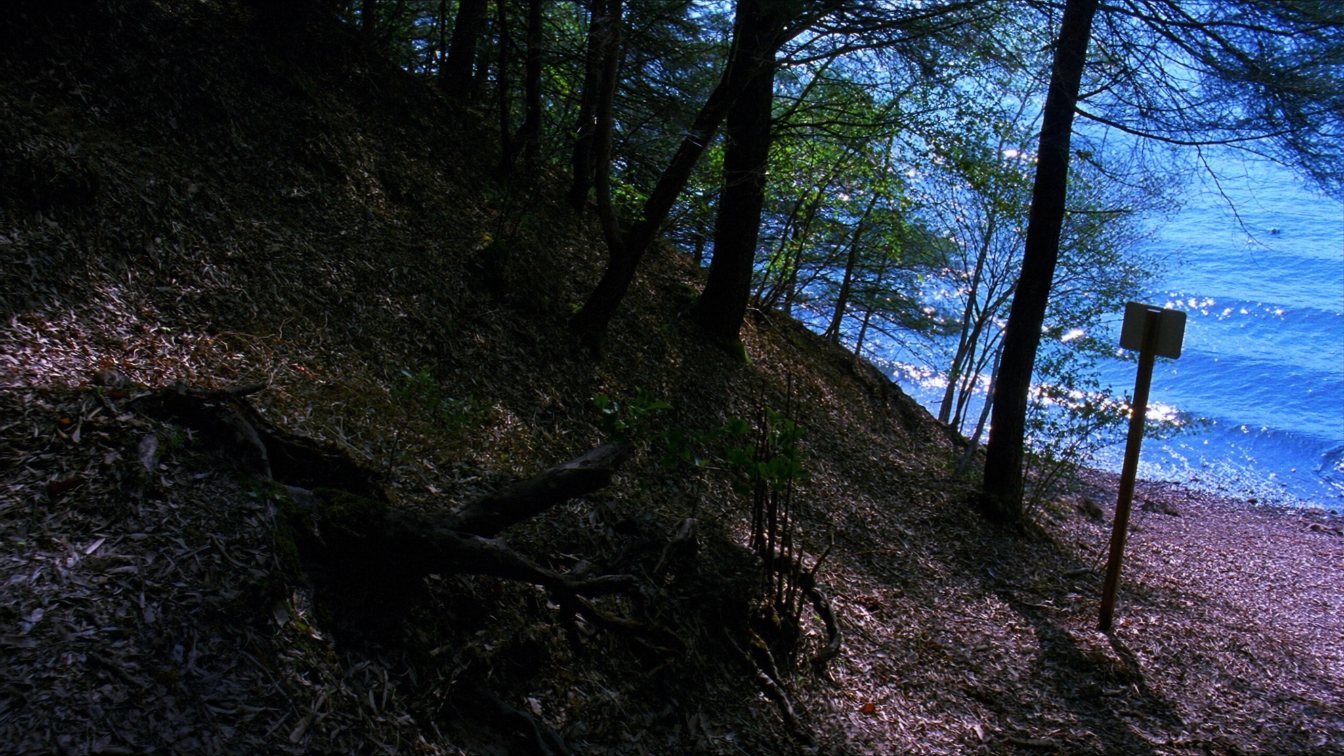
Every lot on the Lake Ontario shoreline in the GTA lies within a conservation authority’s regulated area, and since 1 April 2024 those areas are governed by Ontario Regulation 41/24 under the Conservation Authorities Act. In the regulated area you need a permit from the authority before the municipality will issue a building permit for new construction, additions, decks, pools, retaining walls, docks, fill or any shoreline work. The authority is TRCA in Toronto, Pickering and Ajax; Credit Valley Conservation in Mississauga; Conservation Halton in Oakville and Burlington; and Central Lake Ontario Conservation in Whitby and Oshawa. The permit process applies a hazard setback from the stable top of bank or the flood line that can shrink the buildable part of a lot far below what municipal zoning alone would allow. Get the authority’s mapping in writing before you offer.
Why there is a second permit at all
Ontario’s 36 conservation authorities exist to manage natural hazards — flooding, erosion, unstable slopes — on a watershed basis rather than a municipal one. The Conservation Authorities Act gives them the power to regulate development in hazard areas, and since 1 April 2024 a single province-wide regulation, Ontario Regulation 41/24, sets out what is prohibited, what is exempt and how permits work. It replaced the patchwork of individual authority regulations that preceded it.
The practical effect for a shoreline buyer: the municipality issues building permits, but it will not issue one for a lot in the regulated area until the conservation authority has issued its permit first. Two approvals, in sequence, and the conservation one comes first.
Which authority covers which shoreline
| Shoreline | Conservation authority |
|---|---|
| Toronto (Etobicoke to Scarborough), Pickering, Ajax | Toronto and Region Conservation Authority (TRCA) |
| Mississauga (Port Credit, Lakeview, Clarkson) | Credit Valley Conservation (CVC) |
| Oakville, Burlington | Conservation Halton |
| Whitby, Oshawa | Central Lake Ontario Conservation Authority (CLOCA) |
Boundaries follow watersheds, not municipal lines, so a few areas near municipal borders sit with a neighbouring authority. Conservation Ontario publishes a lookup tool; use it rather than assuming.
Regulated area versus hazard setback
Two different lines, often confused.
The regulated area is the zone in which you need the authority’s permit for anything. Along the lake it typically extends a set distance inland from the shoreline or the top of bank and covers the whole of any floodplain. Being in the regulated area does not mean you cannot build; it means you must ask.
The hazard setback is where the authority will actually allow a new structure. On an eroding bluff it is measured from the stable top of bank and includes an allowance for future erosion over the structure’s lifetime and a slope stability allowance. On a low-lying lot it is set by the flood hazard line. The setback is what decides whether a lot can be rebuilt and where the house can sit, and it frequently leaves less buildable land than the zoning by-law would suggest.
What needs a permit
- New buildings and additions of any size
- Decks, porches, garages, sheds and pools
- Retaining walls, seawalls, revetments, armour stone and any shoreline protection
- Docks, boat launches, stairs down a bank and anything on the bed of the lake
- Placing or removing fill, grading and regrading
- Altering a watercourse, wetland or shoreline
Repairs to an existing structure within its existing footprint are sometimes exempt or handled by a simpler process; the regulation sets out specific exemptions. Do not assume. A phone call to the authority’s planning desk with the address costs nothing and settles it.
What typically gets approved
Authorities are not trying to stop people living on the shoreline. They approve, routinely, additions and rebuilds that sit within the hazard setback, decks and landscaping that do not alter the slope, and engineered shoreline protection that does not simply push erosion onto the neighbour. They tend to refuse, or require redesign of, new structures inside the erosion allowance, fill placed in the water or on a slope, walls that harden one lot at the expense of the next, and anything that reduces flood storage.
The applications that go badly are the ones filed after the fact. Unpermitted shoreline work can be ordered removed at the owner’s expense, and a buyer who closes on a lot with an unpermitted wall inherits that risk. Read what happens when the lake takes land for why owners are tempted, and why the shortcut is expensive.
The process and the timeline
A conservation permit application typically needs a site plan, a survey showing the top of bank or flood line, and for anything near an eroding shore a geotechnical or coastal engineering report. Simple applications can take weeks; complex ones with engineering can take months. Permits carry an expiry. Fees are set by each authority and vary; the engineering report, where required, is usually the larger cost. Budget time before you budget money, and never make an offer conditional on a permit you expect in a week.
Before you offer: the checklist
- Identify the authority for the address using the Conservation Ontario lookup.
- Request the regulated-area and hazard mapping for the specific lot. Most authorities provide a property inquiry service for a modest fee.
- Ask whether any permits exist for structures on the lot — walls, stairs, docks, additions — and whether any orders are outstanding.
- If you intend to build or rebuild, ask for a pre-consultation meeting and a preliminary view on the setback before conditions come off.
- Get a current survey showing the water’s edge and top of bank, and give the authority a copy.
Pair this with the title questions about riparian rights and an insurance quote, and you will know more about the lot than the seller does.
What it means for price
Two lots of the same size on the same street can have very different buildable areas once the setback is applied. The market often prices them the same because most buyers never ask. If you do ask, you either avoid overpaying for a lot that cannot be rebuilt or you buy a genuinely buildable lot with confidence. For sellers, a pre-consultation letter from the authority stating the setback is one of the most valuable documents you can put in a listing package on the shoreline.
The takeaway
On the GTA shoreline the conservation authority’s permit comes before the building permit, and its hazard setback — not the zoning — decides what you can build. Find the right authority, get the lot’s mapping in writing, check for permits and orders on existing structures, and pre-consult before you offer if you plan to build. Unpermitted work is a liability that transfers on closing.
Where I fit
I work across Toronto and the GTA, and on shoreline lots I make the conservation inquiry part of the offer process rather than something discovered after. If you are looking at a lot on the water and want to know whether it can be rebuilt before you fall for it, book a call, or run the estimator below on what you own now.
Free tool — AI home value estimator
Instant Home Valuation
What’s your home
worth today?
Answer six quick questions and get an instant value range built from current Toronto & GTA sale data — property type, size, condition, lot and location all weighted the way a real pricing conversation weighs them. Takes about ninety seconds.
Reading recent GTA sale data…
Building your estimate
Estimated market value
—
$0–$0
Most likely value $0 · roughly $0 per square foot
What moved the number
Starting from the area baseline for your property type, here’s what each answer added or subtracted.
Market context
Recent local averages for comparison.
—
A range is a starting point.
A strategy is what sells.
This model doesn’t know that your neighbour’s identical semi went $80,000 over asking last month, or which two upgrades actually pay back in your area. That conversation is free and takes twenty minutes.
Frequently asked questions
Do I need a TRCA permit to renovate my lakefront house?
For work inside the existing footprint, sometimes not; for additions, decks, pools, retaining walls, stairs, docks or any shoreline work, yes. The lot is in TRCA’s regulated area and Ontario Regulation 41/24 requires its permit before a City building permit.
Which conservation authority covers Mississauga’s waterfront?
Credit Valley Conservation. Toronto, Pickering and Ajax are TRCA; Oakville and Burlington are Conservation Halton; Whitby and Oshawa are Central Lake Ontario Conservation.
What is the difference between the regulated area and the hazard setback?
The regulated area is where you need a permit for anything. The hazard setback is where the authority will actually allow a new structure, measured from the stable top of bank or flood line with an allowance for future erosion. The setback is usually the tighter constraint.
Can a conservation authority stop me rebuilding my house?
It can refuse a new structure inside the hazard setback, which on an actively eroding lot may leave little or no room. It routinely approves rebuilds that sit within the setback. Pre-consult before you buy with a rebuild in mind.
How long does a conservation permit take?
Weeks for simple applications, months where geotechnical or coastal engineering is needed. Permits expire. Do not make an offer conditional on a permit arriving quickly.
What happens if the previous owner built a seawall without a permit?
The authority can order it removed or remediated at the current owner’s cost. Ask for permits on all shoreline structures before conditions come off, and make the seller’s warranty part of the agreement.
Where does Ontario Regulation 41/24 apply?
Province-wide, to every conservation authority’s regulated area, since 1 April 2024. It replaced the individual regulations each authority previously had.
Sources
- Ontario Regulation 41/24 — Prohibited Activities, Exemptions and Permits — the regulation
- Conservation Authorities Act, R.S.O. 1990, c. C.27 — enabling statute
- Conservation Ontario — Find your conservation authority — jurisdiction lookup
- TRCA — Planning and permits — TRCA process
- Conservation Halton — Permits — Halton process
- Credit Valley Conservation — Permits — CVC process
Related reading
- Grimsby and Winona lakefront homes
- Riverfront and ravine lots in the GTA
- The Oakville, Burlington and Hamilton waterfront at every budget
- West Oakville Lakefront Homes
- Waterfront House Due Diligence in Ontario
- Teardown or Renovate on a Lakefront Lot
- Shoreline Protection on Lake Ontario
- Waterfront homes in the GTA
- Stoney Creek Lakefront Homes
- Southeast Oakville Lakefront Estates
- Conservation authority regulated land: TRCA and CVC
- Shoreline erosion and your property line
- Scarborough Bluffs: buying on the edge
- Who owns the beach?
- Dock and boathouse conditions
About the author — Jatin Dua, Toronto and GTA real estate broker
I am Jatin Dua, Broker of Record and co-founder of RE/MAX Quantum Realty Inc., Brokerage, Unit 101, 799 The Queensway, Etobicoke. I work with buyers and sellers across Toronto and the GTA, with deep local knowledge of the west end and the Lake Ontario shoreline. Four-plus years of active GTA transactions and over $100 million in sales volume. Every market figure here comes from TRREB’s published tables and every rule from the regulator or the legislation, so you can check all of it without asking me.
Reach me at connect@jatindua.com or 833-330-1925, or book a call.