

Published 25 September 2026 · By Jatin Dua, Broker of Record, RE/MAX Quantum Realty
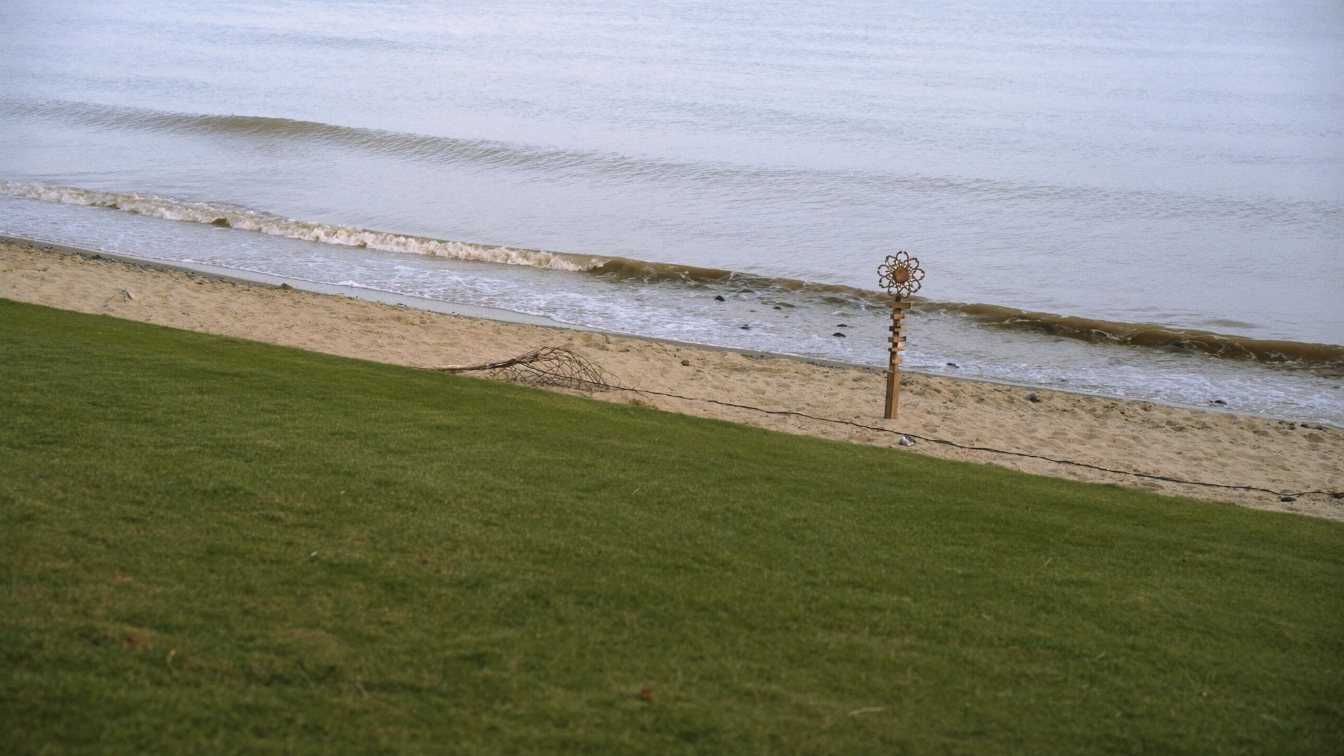
On Lake Ontario, the bed of the lake belongs to the Province under the Beds of Navigable Waters Act, so nobody owns the water or the lakebed in front of their house. What a waterfront owner may hold are riparian rights — access to the water, use of it, drainage, protection of its flow and quality, and accretion — and those exist only if the lot actually reaches the water’s edge. Along many Ontario shorelines the original Crown patent kept back a 66-foot (20-metre) shore road allowance; where it was never closed and sold to the adjoining owner, a strip of Crown or municipal land sits between the house and the lake, and the owner has no riparian rights at all. Some historic titles also include a water lot, a granted parcel extending into the lake. Only a title search answers which case you are in. Get it before you offer, not after.
Start with what nobody owns
Under the Beds of Navigable Waters Act, R.S.O. 1990, c. B.4, the bed of any navigable body of water in Ontario belongs to the Crown unless a specific grant says otherwise. Lake Ontario is navigable. So is Frenchman’s Bay, Whitby Harbour and the mouth of every creek that feeds the lake. The water itself is public. The bottom is the Province’s.
That is the frame for everything else. A “private beach” in Ontario is, at most, private dry land above the water’s edge. Below the edge, and on the water, the public has rights of navigation and the Crown owns the ground. A listing that promises exclusive use of the lake in front of a house is promising something the seller does not have.
Riparian rights: what they actually are
Riparian rights are the bundle of rights that attach to land which touches water. They are not ownership of the water. The commonly recognised ones in Ontario are:
| Right | What it means in practice |
|---|---|
| Access | To reach the water from your land and to go out onto it |
| Use | Reasonable domestic use of the water |
| Flow | To have the water continue to flow past your land undiminished |
| Quality | To have the water reach you unpolluted |
| Drainage | To drain your land naturally into the water |
| Accretion | To gain land that the water gradually and naturally adds to yours |
Two things follow. First, riparian rights exist only where the lot actually meets the water. If anything sits between your boundary and the edge, you are not a riparian owner. Second, they do not include the right to build into the water. A dock, a boathouse, a wall or a crib on Crown bed needs Crown and conservation authority approval; it is not something riparian rights grant automatically. Read the dock and boathouse guide for that piece.
The shore road allowance: the strip you may not own
When the Crown surveyed and granted much of Ontario in the nineteenth century, the patents along navigable water often reserved a strip one chain wide — 66 feet, about 20 metres — along the shore. The purpose was to let the Crown move goods and timber along the water. That strip is the original shore road allowance.
In many places it was later closed by the municipality and conveyed to the adjoining owner, and the lot now runs to the water. In others it was never closed. Where it still exists, the “waterfront” lot ends 20 metres short of the lake; the strip belongs to the Crown or the municipality; the owner has no riparian rights; and the public may have a right to use the strip. Houses have been built and sold for generations across these strips without anyone checking. A title search checks.
Closing a shore road allowance
Where an unclosed allowance is discovered, the adjoining owner can usually apply to the municipality to have it closed and conveyed. The municipality decides, the process takes months, and there is a purchase price and legal and survey costs. Some municipalities have standard policies; others handle each application individually, and some will not close allowances where public access matters. The cost varies enough that no useful figure can be published; ask the municipality directly. Do not assume a seller’s promise that “the town will sell it to you” is worth anything until you have that in writing from the town.
Water lots
The opposite case also exists. Some historic titles along the Toronto and Oakville shoreline include a water lot: a parcel granted by the Crown that extends from the shore out into the lake, usually for a wharf or industrial use long ago. If your title includes one, you own the bed of the lake within it, subject to the public right of navigation and to modern conservation and fisheries rules. A water lot can be valuable and it can be a liability; either way it changes what you can build and what you are taxed on. Again, only the title search tells you.
The title search that settles it
Ask your real estate lawyer, before conditions are waived, to answer four questions from the parcel register and the original patent:
- Does the legal description run to the water’s edge, or to a line short of it?
- Was an original shore road allowance reserved along this shore, and if so has it been closed and conveyed to this lot?
- Is there a water lot in the title?
- Are there any easements or rights of way over the shoreline — public access, utility, or a neighbour’s path to the water?
Pair it with a current survey that shows the water’s edge, and you know exactly what you are buying. Read how surveys and title insurance work and how easements affect a property.
What it does to value
A lot that reaches the water, with riparian rights and a permitted dock, is a different asset from a lot that stops at an unclosed shore road allowance, even if the two look identical from the street. The first commands the full lakefront premium. The second should be priced closer to a lake-view lot with a walk to a public strip, with an allowance for the possibility of closing the allowance later at a cost. Sellers rarely volunteer this distinction. Buyers who ask get a better price or avoid a mistake.
The takeaway
Nobody owns Lake Ontario or its bed; the Province does. A waterfront owner may hold riparian rights, but only if the lot truly reaches the water. Along much of Ontario’s shoreline an original 66-foot shore road allowance may still sit between the house and the lake, and only a title search reveals it. Have your lawyer answer the four questions above before conditions come off, pair the answer with a current survey, and price the lot on what the title actually says.
Where I fit
I am a broker, not a lawyer, and the parcel register is your lawyer’s job. Mine is to make sure that job happens before you waive, and to price the property on what it turns up. Run the estimator below on your current home, or book a call.
Free tool — AI home value estimator
Instant Home Valuation
What’s your home
worth today?
Answer six quick questions and get an instant value range built from current Toronto & GTA sale data — property type, size, condition, lot and location all weighted the way a real pricing conversation weighs them. Takes about ninety seconds.
Reading recent GTA sale data…
Building your estimate
Estimated market value
—
$0–$0
Most likely value $0 · roughly $0 per square foot
What moved the number
Starting from the area baseline for your property type, here’s what each answer added or subtracted.
Market context
Recent local averages for comparison.
—
A range is a starting point.
A strategy is what sells.
This model doesn’t know that your neighbour’s identical semi went $80,000 over asking last month, or which two upgrades actually pay back in your area. That conversation is free and takes twenty minutes.
Frequently asked questions
Can I own a private beach on Lake Ontario?
You can own the dry land above the water’s edge. The lakebed below it belongs to the Province under the Beds of Navigable Waters Act and the public has a right of navigation on the water. No one owns the lake in front of a house.
What are riparian rights?
The rights that attach to land touching water: access, reasonable use, undiminished flow, water quality, natural drainage, and accretion. They are not ownership of the water and do not include an automatic right to build docks or walls into it.
What is an original shore road allowance?
A 66-foot (20-metre) strip along many Ontario waterways reserved to the Crown in the original nineteenth-century patent. Where it was never closed and conveyed, the adjoining lot does not reach the water and its owner has no riparian rights.
How do I find out if there is a shore road allowance on a property?
A title search by a real estate lawyer, checking the legal description and the original patent, paired with a current survey. Ask before you waive conditions.
Can I buy the shore road allowance in front of my house?
Often, by applying to the municipality to close and convey it. The municipality decides, the process takes months and has a purchase price plus legal and survey costs, and some municipalities refuse where public access matters.
What is a water lot?
A parcel granted by the Crown that extends from the shore into the lake, usually historic. If it is in your title you own that section of lakebed, subject to public navigation and modern conservation and fisheries rules.
Can I build a dock if I have riparian rights?
Not automatically. A dock sits on Crown-owned bed and needs the relevant approvals, including from the conservation authority. Riparian rights give access to the water; they do not grant the right to build on its bed.
Sources
- Beds of Navigable Waters Act, R.S.O. 1990, c. B.4 — Crown ownership of navigable lakebeds
- HGR Graham Partners LLP — Cottage property issues: know your water rights — shore road allowance and the six riparian rights
- Ontario Ministry of Natural Resources — Crown land and shoreline — Crown land policy
- Ontario Regulation 41/24 — Prohibited Activities, Exemptions and Permits — conservation permits for in-water and shoreline work
Related reading
- Lorne Park Lakefront Homes
- The Beach, Toronto
- Selling a Waterfront House in the GTA
- Waterfront House Due Diligence in Ontario
- Waterfront homes in the GTA
- Clarkson and Rattray Marsh
- Shoreline erosion and your property line
- Dock and boathouse conditions in Ontario
- Easements and rights of way in Ontario
- Surveys, SRPRs and title insurance
- Old Oakville lakefront homes
About the author — Jatin Dua, Toronto and GTA real estate broker
I am Jatin Dua, Broker of Record and co-founder of RE/MAX Quantum Realty Inc., Brokerage, Unit 101, 799 The Queensway, Etobicoke. I work with buyers and sellers across Toronto and the GTA, with deep local knowledge of the west end and the Lake Ontario shoreline. Four-plus years of active GTA transactions and over $100 million in sales volume. Every market figure here comes from TRREB’s published tables and every rule from the regulator or the legislation, so you can check all of it without asking me.
Reach me at connect@jatindua.com or 833-330-1925, or book a call.