

Published 26 September 2026 · By Jatin Dua, Broker of Record, RE/MAX Quantum Realty
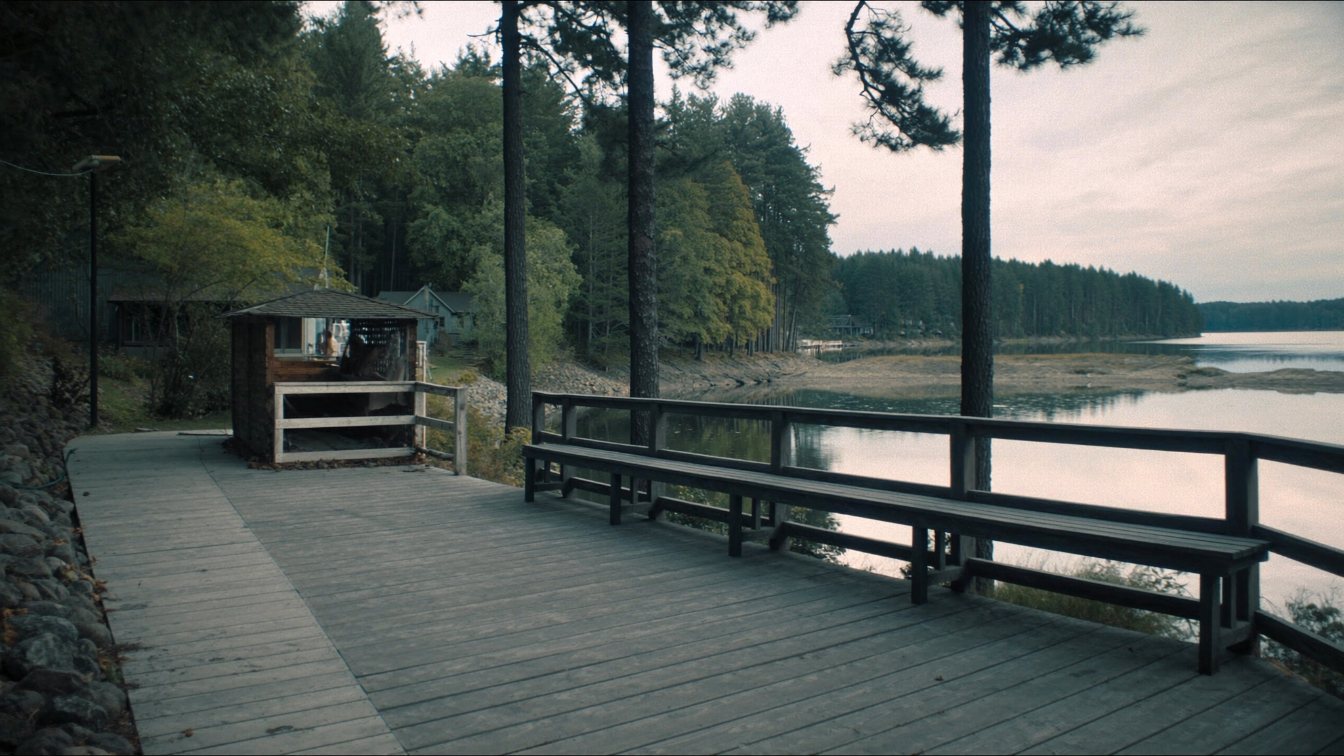
A waterfront house sells to a buyer who asks harder questions than an inland buyer, and the seller who has the answers ready sells faster and for more. Before you list, assemble seven things: a current survey showing the water’s edge and top of bank; every conservation authority permit for walls, stairs, decks and additions near the shore; the authority’s regulated-area and hazard mapping for your lot; your insurance history, including any water or erosion claims and what the policy excludes; your lawyer’s answers on shore road allowance, water lots and easements; records of shoreline work, inspections and engineering; and a year of utility bills. Ontario law requires you to disclose latent defects that make the house unsafe or unfit, and a shoreline you know is failing is one. Since 1 December 2023 the Trust in Real Estate Services Act lets you choose whether competing offer details are shared and changed how your agent represents you. Get the file together first; the buyer will ask for it anyway.
Why waterfront sells differently
An inland buyer asks about the roof, the furnace and the schools. A waterfront buyer asks all of that and then asks who owns the shoreline, whether the wall was permitted, whether the lot can be rebuilt after the setback, whether it floods, whether it can be insured and what the survey shows. Every one of those questions has a documentary answer, and every one that goes unanswered becomes a condition, a delay or a price cut. The sellers who do best on the GTA lakefront are the ones who treat the listing like a disclosure package and hand the buyer the file before the buyer thinks to ask.
The seven things to have before you list
- A current survey. A Surveyor’s Real Property Report prepared by an Ontario Land Surveyor, the only person who may legally prepare one, showing boundaries, improvements and encumbrances, with the surveyor instructed to locate the water’s edge and the top of bank on the day. Pair it with the previous survey so a buyer can see what the lake has done.
- Conservation authority permits. For every wall, revetment, groyne, stair, deck, pool, addition and regrading near the shore, under Ontario Regulation 41/24 or its predecessors. If work was done without one, know it and say so.
- The hazard mapping. The regulated-area and hazard-setback mapping for your lot from TRCA, Credit Valley Conservation, Conservation Halton or the Hamilton Conservation Authority, and if you have it, a pre-consultation letter on what could be rebuilt.
- Insurance history. The current policy with its exclusions, and a list of claims, including any denied as groundwater or earth movement. About 850,000 Canadian homes still cannot buy overland flood coverage; if yours can, that is a selling point.
- Title answers. Your lawyer’s confirmation on whether the lot reaches the water, whether an original shore road allowance was closed and conveyed, whether a water lot exists and what easements cross the shore.
- Shoreline records. Who built the protection, when, to what design, what it cost, when it was last inspected and what the engineer said.
- Utility bills. Twelve months, including the winter, because a lake-facing house heats differently and buyers ask.
What you must disclose
Ontario resale is governed by caveat emptor for patent defects, the ones a buyer can see, but not for latent ones. Where a seller knows of a latent defect that makes the home uninhabitable, unfit for the buyer’s purpose or dangerous, the seller must disclose it, and a seller who actively conceals a defect, painting over water damage being the classic example, is liable. On a shoreline lot the latent defects are specific: a wall you know is failing, a basement you know takes groundwater in high-water years, a setback you know prevents a rebuild, an unpermitted structure the authority could order removed. Your realtor also has a professional duty to discover and disclose material facts about the property. The safe course is the honest one: put it in the package, price for it, and let the buyer decide with the facts.
What the 2023 rules changed
Phase 2 of the Trust in Real Estate Services Act took effect on 1 December 2023 and changed three things a waterfront seller should understand. First, designated representation: two agents in one brokerage can now represent buyer and seller separately, which matters in the small brokerage communities that dominate lakefront sales. Second, the old “customer” became a self-represented party who receives no advice, and every consumer must be given RECO’s information guide before services begin. Third, and most useful to a seller in a thin market, you may direct your brokerage to share the details of competing offers with other bidders, without personal information. In a lakefront sale with two serious buyers a year apart, that option can be the difference between a bidding war and a stalemate. Discuss it with your agent before the first showing, not during the first offer.
Presenting the shore, honestly
Buyers want to see the water from the house and the house from the water. Drone photography does both, and in Canada it is regulated: drones between 250 grams and 25 kilograms must be registered and marked, and most of the GTA lakeshore is controlled airspace around Billy Bishop or Pearson requiring an advanced pilot certificate and NAV CANADA permission. Hire an operator who has both, and ask for photographs at the season’s real water level rather than the lowest one. A February photograph of ice on the revetment sells a well-engineered shoreline better than any July one, because it tells the buyer you are not hiding the winter. Read when to sell a waterfront house for timing.
The conditions to expect, and how to shorten them
Expect a buyer to ask for a survey condition, an insurance condition separate from financing, a conservation authority inquiry and sometimes a coastal engineer’s look at the shoreline. Each can take weeks. A seller who provides the survey, the permits, the mapping and the insurance history at listing collapses most of that into a buyer’s review of documents already in hand. That is worth more than any staging. It also protects you: a buyer who closes with the facts in front of them has far less to sue about later.
The takeaway
Assemble the survey, permits, hazard mapping, insurance history, title answers, shoreline records and utility bills before you list. Disclose the latent defects you know about, because Ontario law requires it and the neighbour will remember anyway. Use TRESA’s offer-disclosure option deliberately. Photograph the shore at its real water level. The seller with the file sets the pace of the sale.
Where I fit
I sell on the water from Hamilton to Scarborough and the first thing I do with a lakefront listing is build the file, because I know exactly what the buyer’s agent will ask for. Run the estimator below for a baseline on your home, or book a call and we will start with the survey.
Free tool — AI home value estimator
Instant Home Valuation
What’s your home
worth today?
Answer six quick questions and get an instant value range built from current Toronto & GTA sale data — property type, size, condition, lot and location all weighted the way a real pricing conversation weighs them. Takes about ninety seconds.
Reading recent GTA sale data…
Building your estimate
Estimated market value
—
$0–$0
Most likely value $0 · roughly $0 per square foot
What moved the number
Starting from the area baseline for your property type, here’s what each answer added or subtracted.
Market context
Recent local averages for comparison.
—
A range is a starting point.
A strategy is what sells.
This model doesn’t know that your neighbour’s identical semi went $80,000 over asking last month, or which two upgrades actually pay back in your area. That conversation is free and takes twenty minutes.
Frequently asked questions
What documents do I need to sell a waterfront house in Ontario?
A current survey locating the water’s edge and top of bank, conservation authority permits for all shoreline structures, the authority’s hazard mapping, your insurance policy and claims history, title answers on shore road allowance and easements, shoreline engineering and inspection records, and a year of utility bills.
Do I have to disclose flooding when selling a house in Ontario?
If you know of a latent defect that makes the home unsafe, unfit or uninhabitable, yes. Known groundwater or shoreline problems fall squarely in that category, and active concealment creates liability.
Can my agent share other buyers’ offers on my lakefront house?
Since 1 December 2023, under TRESA Phase 2, you may direct your brokerage to disclose the details of competing offers to other bidders, without personal information. It is your choice, made in advance.
Who can prepare a survey for my sale?
Only an Ontario Land Surveyor may legally prepare a Surveyor’s Real Property Report. Ask the surveyor to locate the water’s edge and top of bank.
Can I use a drone to photograph my waterfront house?
Yes, with a licensed operator. Drones over 250 grams must be registered, and most of the GTA shoreline is controlled airspace requiring an advanced certificate and NAV CANADA permission.
What if my seawall was built without a permit?
Disclose it. The conservation authority can order unpermitted work removed at the owner’s cost, and a buyer who discovers it after closing has a claim. Some sellers regularize the work before listing; ask the authority.
What conditions will a waterfront buyer include?
Typically a survey review, an insurance condition separate from financing, a conservation authority inquiry and sometimes a shoreline engineering review. Providing the documents at listing shortens all of them.
Sources
- Association of Ontario Land Surveyors — Surveyor’s Real Property Report — what an SRPR is, who may prepare it
- OREA — Realtors have a duty to disclose defects — latent defect disclosure
- OREA — TRESA Phase 2 updates — designated representation, offer disclosure, information guide
- TRCA — Planning and permits — permit requirement before building permit
- Insurance Bureau of Canada, 23 July 2026 — Canada’s flood insurance market has evolved dramatically — 94% eligible, 850,000 not
- Transport Canada — Flying your drone safely and legally — registration, certificates
Related reading
- Innisfil waterfront homes: Alcona to Friday Harbour
- What $5 million and up buys on the GTA waterfront
- How to price a lakefront house in the GTA
- When to sell a waterfront house
- Surveys, SRPRs and title insurance
- Who owns the beach? Riparian rights in Ontario
- Listing photos and video that sell Toronto homes
About the author — Jatin Dua, Toronto and GTA real estate broker
I am Jatin Dua, Broker of Record and co-founder of RE/MAX Quantum Realty Inc., Brokerage, Unit 101, 799 The Queensway, Etobicoke. I work with buyers and sellers across Toronto and the GTA, with deep local knowledge of the west end and the Lake Ontario shoreline. Four-plus years of active GTA transactions and over $100 million in sales volume. Every market figure here comes from TRREB’s published tables and every rule from the regulator or the legislation, so you can check all of it without asking me.
Reach me at connect@jatindua.com or 833-330-1925, or book a call.