

Published 29 September 2026 · By Jatin Dua, Broker of Record, RE/MAX Quantum Realty
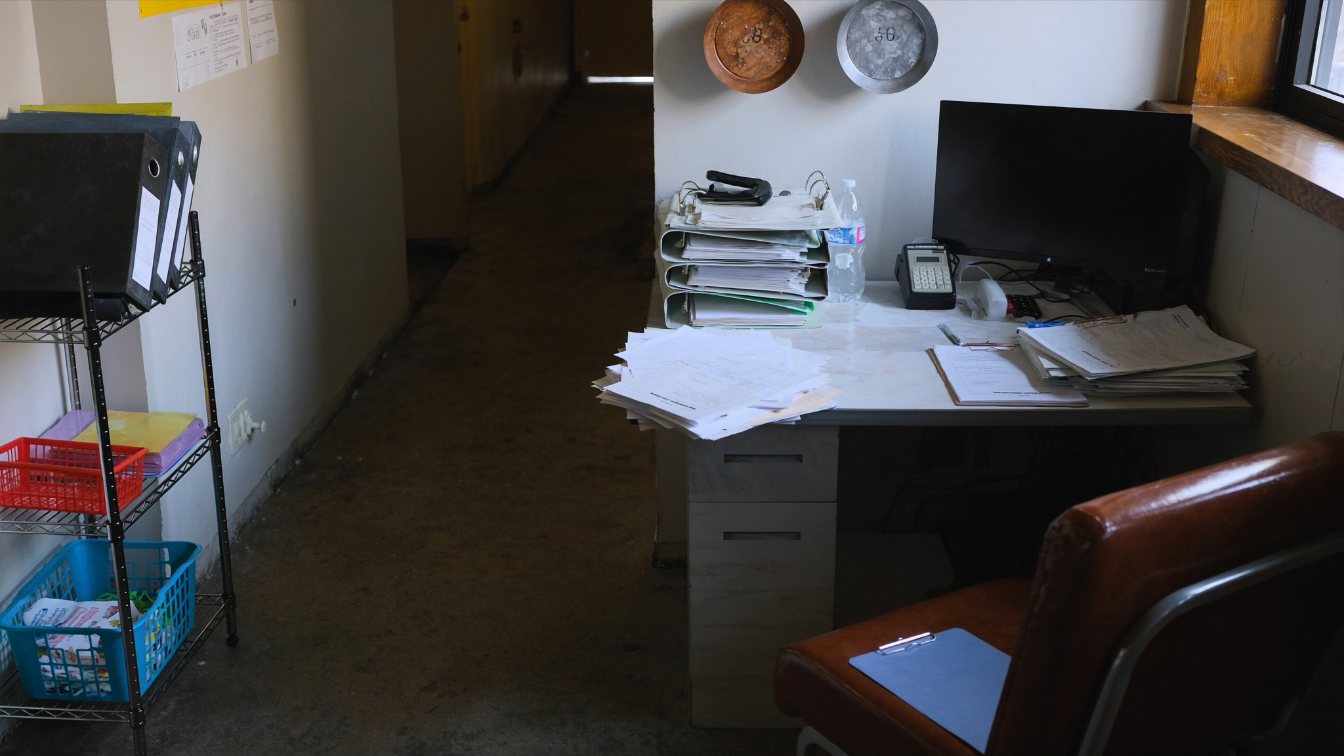
Before you waive conditions on an Ontario restaurant, check six things. The money: two or three years of statements reconciled to HST returns, bank deposits and point-of-sale reports. The lease: remaining term, renewal options, the assignment clause and the landlord’s consent. The licences: look the premises up in the AGCO’s public licence search, confirm its capacity and conditions (they transfer with the licence), and confirm no monetary penalty or liquor or retail sales tax debt is outstanding, because either blocks a transfer. Health: pull two years of inspections on Toronto’s DineSafe. Liens: search the seller in Ontario’s personal property registry, $8 a search. Premises: have the hood, walk-in, HVAC and grease interceptor inspected; Toronto fines for a missing or failed interceptor go up to $100,000. Then the staff list and every contract you would inherit.
How to run due diligence without wasting the condition period
Your due diligence condition is a clock. Ask for the full document list on the day the offer is accepted, book the trades and your accountant straight away, and do the public-record searches yourself on day one. They are cheap and fast, and they tell you early whether the deal has a structural problem.
Everything below is a general list. Your lawyer and accountant will add to it for your deal, and you should follow their list where it differs. For where due diligence sits in the whole process, see buying a restaurant in Ontario step by step.
1. The money
- Financial statements for at least two or three years, and year-to-date.
- HST returns for the same periods. Sales reported to CRA should match the statements.
- Bank statements, to trace deposits back to sales.
- Point-of-sale reports by month, including delivery-app sales and their commissions.
- Supplier invoices for food and drink, to test the food-cost percentage.
- Payroll records, to test labour cost and find unpaid family help.
- Add-backs: every personal or one-off expense the seller wants added back, each with proof.
If the seller says the real sales are higher than the tax returns show, walk carefully. You cannot finance, or safely pay for, income that was not reported. The tool below turns verified figures into a price range.
The AI restaurant valuation tool below gives you a price range from the numbers a seller should be able to show you, so you can test an asking price before you make an offer.
2. The lease
- Remaining term and every renewal option, with how renewal rent is set.
- The assignment clause. Ontario’s Commercial Tenancies Act, s. 23, deems consent not to be unreasonably withheld unless the lease expressly says otherwise.
- Use clause and any exclusive: can you run the concept you plan?
- Additional rent, recent reconciliations and any arrears.
- Demolition, relocation or redevelopment clauses.
- Who repairs and replaces the HVAC, hood and grease interceptor.
- Restoration obligations when the lease ends.
- Patio and signage rights.
The details are in what buyers must check in a restaurant lease.
3. Licences and permits you can check yourself
| Record | Where | What it tells you |
|---|---|---|
| Liquor sales licence | iAGCO public licence search | Whether the premises is licensed, and the licence details |
| Capacity and conditions | The licence itself (ask the seller for a copy) | The number of people allowed in the licensed areas is on the licence; conditions carry over to you on transfer (O. Reg. 746/21, s. 158) |
| Health inspections | Toronto DineSafe | Pass, conditional pass or closed notices and infractions for the past two years |
| City business licence | Seller’s copy; City of Toronto | Whether it is valid; affects whether you need a zoning review |
| Sidewalk café permit | Seller’s copy; City of Toronto | Size and renewal date; a transfer may reduce the area |
Ask the seller in writing to confirm there is no outstanding AGCO monetary penalty and no Retail Sales Tax Act or Liquor Tax Act debt. Under the AGCO’s rules either one stops a transfer. More in buying a restaurant with a liquor licence.
4. Liens, equipment and contracts
- PPSA search on the seller’s exact legal name, and any operating names. Ontario’s registry costs $8 per online search and shows lenders who have registered security against the business’s personal property.
- Equipment list separating owned from leased items, with serial numbers for major pieces.
- Equipment, POS and dishwasher leases: copies, remaining payments, and whether they can be assigned.
- Supplier and service contracts: beverage agreements, pest control, grease trap pumping, waste, music licensing, delivery apps.
- Gift cards and deposits the seller has sold but not yet honoured.
Ontario repealed its Bulk Sales Act in 2017, so no statute makes the seller clear its creditors before selling. Your lawyer uses these searches to direct payouts from your funds at closing.
5. The premises
Walk the room with a trades person who knows commercial kitchens. I look at the hood and fire suppression service tags, the walk-in cooler and freezer, the dish area, the washrooms and the roof-top units. Ask how old the major equipment is and when it was last serviced.
In Toronto, every food service establishment needs a working grease interceptor. The City says not having one installed or working properly can mean conviction and fines of up to $100,000, and it charges back the cost of clearing a grease-blocked sewer. Ask for pumping and maintenance records.
If the licence is new to you, remember that a new liquor licence needs building, fire and public health letters, and the building or fire letter sets the occupant load. If you plan to add seats or change the layout, find out early whether the space supports it.
6. Staff and operations
- An employee list with roles, start dates, wages, and any written contracts.
- Vacation owing and any outstanding pay.
- Food handler certificates. O. Reg. 493/17, s. 32, requires at least one trained food handler or supervisor on site every hour the restaurant operates.
- Smart Serve records for anyone serving alcohol; the AGCO requires it.
- Recipes, supplier lists, social accounts, website, phone number and reviews listed as assets that pass to you.
Section 9 of the Employment Standards Act counts a hired employee’s years with the seller as years with you. See taking over restaurant staff.
Where I fit
I help buyers across Toronto and the GTA organize this list, pull the public records, and tie each item back to a condition in the offer. For what to walk away from, read red flags when buying a restaurant in Toronto, and for the seller’s side see restaurant sale mistakes. When you have a deal in front of you, book a call or phone 833-330-1925.
Free tool — AI restaurant valuation
Restaurant valuation
What is your restaurant
actually worth?
Restaurants don’t sell on revenue — they sell on what the owner takes home, multiplied by how easy the business is to hand over. Your lease and your rent do more damage or more good than anything on the menu. This weighs all of it in about two minutes.
Reading comparable restaurant sales…
Indicative business value
—
$0$0
Most likely sale price $0 · Implied multiple 0×
Where I’d list it
$0
Comparable restaurants sell for about 85% of asking. Price to that, not to hope.
How the number is built
Your owner earnings, multiplied by what buyers pay for a business like yours — then adjusted line by line.
What the market pays
Benchmarks from completed restaurant sales.
What a buyer will ask for
- Three years of financials — statements and tax returns, not just POS reports.
- The lease, with the assignment clause and every option in writing.
- Proof of your add-backs. Lenders reject the ones you cannot document, and that is the single biggest reason deals reprice.
- Equipment list showing what is owned outright and what is leased or financed.
- Licences — AGCO, food premises, patio, and whether each one transfers.
- WSIB, HST and payroll accounts in good standing.
Want the number a buyer
would actually sign?
Send me three years of financials and your lease and I will price it properly — normalised earnings, real comparables, a defensible asking price and a confidential marketing plan that never tips off your staff or your landlord.
Frequently asked questions
What documents should I ask for when buying a restaurant?
Two or three years of financial statements and HST returns, bank statements, point-of-sale reports, supplier invoices, payroll records, the lease and any amendments, a copy of the liquor licence, the city business licence, patio permits, an equipment list showing owned and leased items, equipment and service contracts, and an employee list with start dates and wages.
How do I check a restaurant’s health inspection history in Toronto?
Search the establishment by name or address on Toronto Public Health’s DineSafe site. It reports inspections from the past two years, whether each was a pass, conditional pass or closed notice, and the infractions found, classed as minor, significant or crucial.
How do I check if a restaurant has liens in Ontario?
Search the seller’s exact legal name in Ontario’s Personal Property Security Registration system through Access Now. An online search costs $8. It shows lenders and lessors who have registered security against the business’s equipment and other personal property.
Can I look up a restaurant’s liquor licence in Ontario?
Yes. The AGCO’s public licence search on iAGCO lets you look up licensed premises. Ask the seller for a copy of the licence too, because capacity and conditions are shown on it and, under O. Reg. 746/21, those conditions stay with the licence after it is transferred to you.
What is the biggest due diligence mistake restaurant buyers make?
Relying on sales the seller says are unreported. If income is not on the HST returns and statements, a lender will not finance it and you cannot verify it. Price the restaurant on the numbers you can prove, and treat the rest as the seller’s story.
Do I need an inspection when buying a restaurant?
Nothing in the sale process requires one, but you should have a trades person who knows commercial kitchens check the hood and fire suppression, refrigeration, HVAC, plumbing and grease interceptor. In Toronto a missing or failed grease interceptor can bring fines of up to $100,000.
Sources
- iAGCO — Public licence search — look up a premises and its licence
- O. Reg. 746/21 (Licensing) under the Liquor Licence and Control Act, 2019 — Part XI, ss. 154–158, licence transfers
- AGCO — Section 7: Transferring a liquor sales licence — transfer documents, Authorization to Contract Out, tax clearance
- City of Toronto — About DineSafe — pass, conditional pass, closed; two years of results
- City of Toronto — DineSafe — search any establishment's inspections
- Government of Ontario — Register a security interest or search for a lien — PPSA search, $8
- City of Toronto — Mandatory grease interceptors for food service establishments — fines up to $100,000
- O. Reg. 493/17 (Food Premises) — s. 32, a trained food handler on site every hour
- AGCO — Section 1: Liquor sales licences — capacity on the licence, Smart Serve, municipal letters
- Commercial Tenancies Act, R.S.O. 1990, c. L.7 — s. 23, consent to assign
- Employment Standards Act, 2000 — s. 9, sale of a business
- Bulk Sales Act, R.S.O. 1990, c. B.14 (repealed) — repealed 22 March 2017
Related reading
- Buying a restaurant in Ontario step by step
- Red flags when buying a restaurant in Toronto
- Buying a restaurant with a liquor licence
- What buyers must check in a restaurant lease
- How much to pay for a restaurant
- Restaurant sale mistakes (seller's view)
- What buyers pay for when a Toronto restaurant sells
About the author — Jatin Dua, Toronto and GTA real estate broker
I am Jatin Dua, Broker of Record and co-founder of RE/MAX Quantum Realty Inc., Brokerage, Unit 101, 799 The Queensway, Toronto. I work with buyers and sellers across Toronto and the GTA and have helped more than 100 families sell. Four-plus years of active GTA transactions and over $100 million in sales volume. Every figure here comes from a published table, regulator or statute linked in the sources, so you can check all of it without asking me.
Reach me at connect@jatindua.com or 833-330-1925, or book a call.