

Published 29 September 2026 · By Jatin Dua, Broker of Record, RE/MAX Quantum Realty
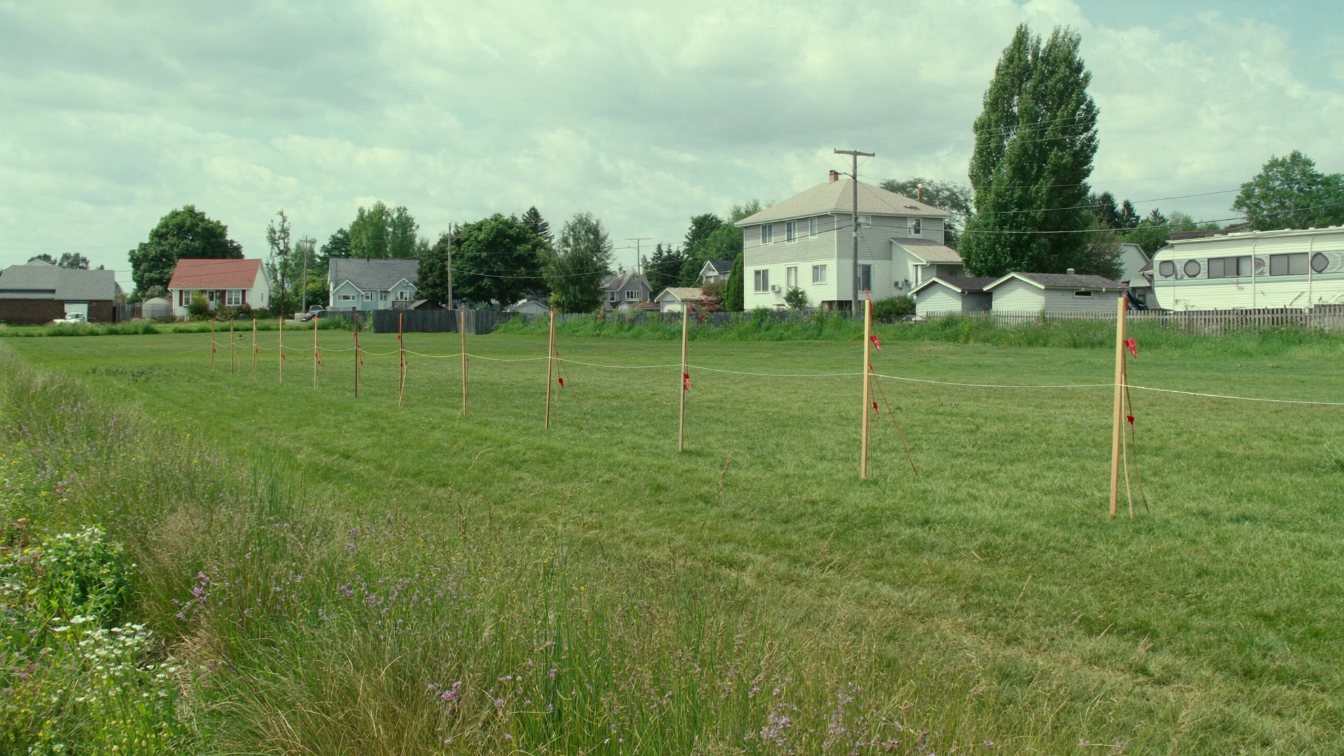
Most sales of vacant land by individuals in Ontario are exempt from HST, according to the CRA’s info sheet GI-003: land held for personal use, and a parcel that has never been subdivided split into only two parts, are exempt. A sale is generally taxable at Ontario’s 13 percent rate if the land was capital property used primarily in a business, if it is sold in the course of a business, or if it comes from a parcel subdivided into more than two parts (unless sold to a relative for personal use). Farmland sold by individuals is usually taxable. Corporations start from the general rule that real property is taxable unless specifically exempt. Where a sale is taxable and the buyer is a GST/HST registrant, the buyer generally self-assesses. On a $600,000 taxable lot, the HST is $78,000 (my arithmetic).
Why HST is the first question in a land deal
Most people know that buying a resale house does not usually involve HST. Land is different. Whether HST applies depends on who is selling, how they held the land, and how the parcel was created. The difference is 13 percent of the price in Ontario, which on a land deal can be larger than the commission, the land transfer tax and the legal fees combined.
I cannot tell you whether your sale is taxable; that is for your accountant and lawyer. What I can do is make sure the question is asked before an agreement is signed, and that the agreement says clearly whether the price includes HST. The rules below are from the CRA’s published guidance.
The CRA’s rules for individuals, in one table
| Situation (seller is an individual) | HST, per CRA GI-003 and GI-002 |
|---|---|
| Vacant land held for personal use | Exempt |
| Parcel never subdivided before, split into only two parts, one or both sold | Exempt, unless sold in the course of a business |
| Parcel subdivided into more than two parts | Taxable, except a sale to a relative, or former spouse or common-law partner, for their personal use |
| Land previously subdivided and now subdivided again | Treated as taxable, even with a gap in time between subdivisions |
| Land that was capital property used primarily in a business | Taxable |
| Land sold in the course of a business | Taxable |
| Land bought to resell as an adventure or concern in the nature of trade | The seller may elect to make the sale taxable using form GST22 |
| Farmland | Usually taxable, with exceptions such as a sale to a relative for personal use |
The CRA’s info sheet GI-003 was last modified on 10 December 2024. It notes that an intention to resell from the time you acquired land to the time you sell it is normally needed for an adventure in the nature of trade, and that inherited land does not carry that intention.
Subdividing: where owners get caught
The subdivision rules are the ones that surprise long-time owners. Splitting a parcel that has never been subdivided into two, by a single consent, keeps an individual’s sale exempt. Creating three or more lots makes the sales taxable, even if the owner has never been in the land business, unless a lot goes to a relative for personal use. And the CRA says that once land has been subdivided, further subdivisions are treated as taxable even years later.
So an owner planning a severance should get tax advice before applying, not after. Two severances spread across a decade can land in a different HST position than one. See lot severance in Ontario and severance and subdivision clauses for the planning side.
Corporations, partnerships and builders
GI-003 is written for individuals. For other sellers, the CRA’s Memorandum 19.1 on real property sets the general rule: supplies of real property are taxable unless specifically exempted. In practice that means a lot sold by a corporation, a builder or a developer will usually carry HST. If you are buying from one, assume HST applies until your lawyer confirms otherwise.
Sellers who are GST/HST registrants report the sale on their regular return. The CRA also notes that a non-registrant who makes a taxable sale of real property is entitled to a rebate for the GST/HST paid when they bought it, calculated on the property’s basic tax content.
Who actually pays the tax to the CRA
- Buyer registered for GST/HST. For a taxable land sale, a registered purchaser generally self-assesses the tax, using form GST60 or their regular return, rather than paying it to the seller.
- Buyer not registered. The seller collects the HST on closing and remits it.
- Individual seller, one-off taxable sale. A seller who is not registered and not in the land business reports a single taxable sale on form GST62.
This is why land agreements usually include the buyer’s HST registration number and an indemnity if the buyer does not self-assess. Those clauses are your lawyer’s job; my job is making sure they are there.
Worked examples
| Scenario (illustrative) | Likely HST position under CRA guidance | HST at 13% (my arithmetic) |
|---|---|---|
| Retired owner sells a lot held personally for 20 years | Exempt | $0 |
| Owner severs a never-divided parcel once and sells the new lot for $600,000 | Exempt, if not in the course of a business | $0 |
| Owner divides a parcel into four lots and sells one for $600,000 to an unrelated buyer | Taxable | $78,000 |
| Builder’s numbered company sells a $900,000 lot | Taxable unless an exemption applies | $117,000 |
| Individual sells a working farm for $2,000,000 | Usually taxable; exceptions and elections exist | $260,000 |
If the agreement says the price “includes HST” on a taxable sale, the seller’s net is the price divided by 1.13. On a $600,000 price that is about $530,973, so the difference is not small.
Wording to settle before you sign
- Price and HST. “Plus HST, if applicable” puts the tax on top; “including HST” takes it out of the seller’s price.
- Seller’s position. A statement from the seller on whether the sale is exempt, and why.
- Buyer’s registration. Where the buyer will self-assess, their registration number and an indemnity.
- Non-resident sellers. Separate from HST, section 116 of the Income Tax Act lets the buyer’s lawyer hold back part of the price until the CRA issues a clearance certificate.
Land transfer tax is calculated on the value of the consideration; ask your lawyer how HST affects that figure in your deal.
Putting a price on land
HST is one reason two lots of the same size sell for different net amounts. Before you list or offer, know the tax position, the development charges and what the zoning allows. For sellers, how to sell vacant land in Ontario covers the documents; for buyers, how to buy a vacant lot in the GTA. If you are dealing with a developer, read selling land to a developer.
The AI land value estimator below gives you a range for a lot or acreage in about a minute, from the same inputs a buyer’s appraiser starts with.
If you want to talk through a land sale before you call your accountant, book a call or phone 833-330-1925.
Free tool — AI land value estimator
Land Valuation
What’s your land
worth today?
Three quick steps. Land doesn’t price like a house — what you’re allowed to build on it, how far along the approvals are, and whether services reach the lot line move the number more than anything else. This weighs all of them.
Reading recent land sales…
Estimated land value
—
$0–$0
Most likely $0 · about $0 per acre · $0 per buildable sq ft
What moved the number
Starting from what comparable land in your municipality trades for, here’s what your specifics added or subtracted.
What would raise it
Approvals are the biggest lever on land. Here is what each next step is worth on this parcel.
—
Development sites are listed at $1
for a reason.
Sellers let the market price them — and the market only pays for what it can see: the planning file, the servicing letter, the environmental reports. A model can’t read your file. I can, and I know which developers are buying right now.
Frequently asked questions
Is there HST on vacant land in Ontario?
It depends on the seller. The CRA says most sales of vacant land by individuals are exempt. A sale is generally taxable at 13 percent if the land was used primarily in a business, sold in the course of a business, or created by subdividing a parcel into more than two parts. Sales by corporations and builders are usually taxable. Confirm with your accountant.
Do I pay HST if I sever my lot and sell it?
If the parcel had never been subdivided and you split it into only two parts, the CRA says the sale is generally exempt for an individual, unless you are selling in the course of a business. Subdividing into more than two parts, or subdividing land that was subdivided before, generally makes the sales taxable, except sales to a relative for personal use.
Who pays HST on a land purchase in Ontario?
If the sale is taxable and the buyer is registered for GST/HST, the buyer generally self-assesses and remits the tax using form GST60 or their regular return. If the buyer is not registered, the seller collects it on closing. A non-registered individual making a one-off taxable sale reports it on form GST62.
Is there HST on farmland in Ontario?
Usually yes. The CRA’s info sheet on farmland sold by individuals says such sales are usually taxable, with exceptions, including a sale to a relative for personal use. There are also elections for the sale of a farming business. The rules are technical, so get your accountant’s advice before listing farmland.
Does ‘price includes HST’ matter on a land deal?
Very much. If a taxable sale’s price includes HST, the seller keeps the price divided by 1.13. On a $600,000 price, that is about $530,973 before other costs. If the price is plus HST, the tax is added on top. The agreement should state which applies and the seller’s position on whether the sale is exempt.
Sources
- Canada Revenue Agency — GST/HST Info Sheet GI-003, Sales of vacant land by individuals
- Canada Revenue Agency — GST/HST Info Sheet GI-002, Sales of farmland by individuals
- Canada Revenue Agency — GST/HST Memorandum 19.1, Real property and the GST/HST — real property taxable unless specifically exempt
- Canada Revenue Agency — GST/HST rates — Ontario 13%
- Income Tax Act, section 116 — Justice Laws Website — non-resident sellers
- Government of Ontario — Citizen's guide to land use planning: land severances (consents) — 90-day decision, 20-day appeal, two-year lapse
- Government of Ontario — Calculating land transfer tax — provincial brackets
Related reading
- How to sell vacant land in Ontario
- How to buy a vacant lot in the GTA
- Selling land to a developer
- Lot severance in Ontario
- Severance and subdivision clauses
- Greenbelt and Oak Ridges Moraine land
- Net proceeds calculator
About the author — Jatin Dua, Toronto and GTA real estate broker
I am Jatin Dua, Broker of Record and co-founder of RE/MAX Quantum Realty Inc., Brokerage, Unit 101, 799 The Queensway, Toronto. I work with buyers and sellers across Toronto and the GTA and have helped more than 100 families sell. Four-plus years of active GTA transactions and over $100 million in sales volume. Every figure here comes from a published table, regulator or statute linked in the sources, so you can check all of it without asking me.
Reach me at connect@jatindua.com or 833-330-1925, or book a call.