

Published 29 September 2026 · By Jatin Dua, Broker of Record, RE/MAX Quantum Realty
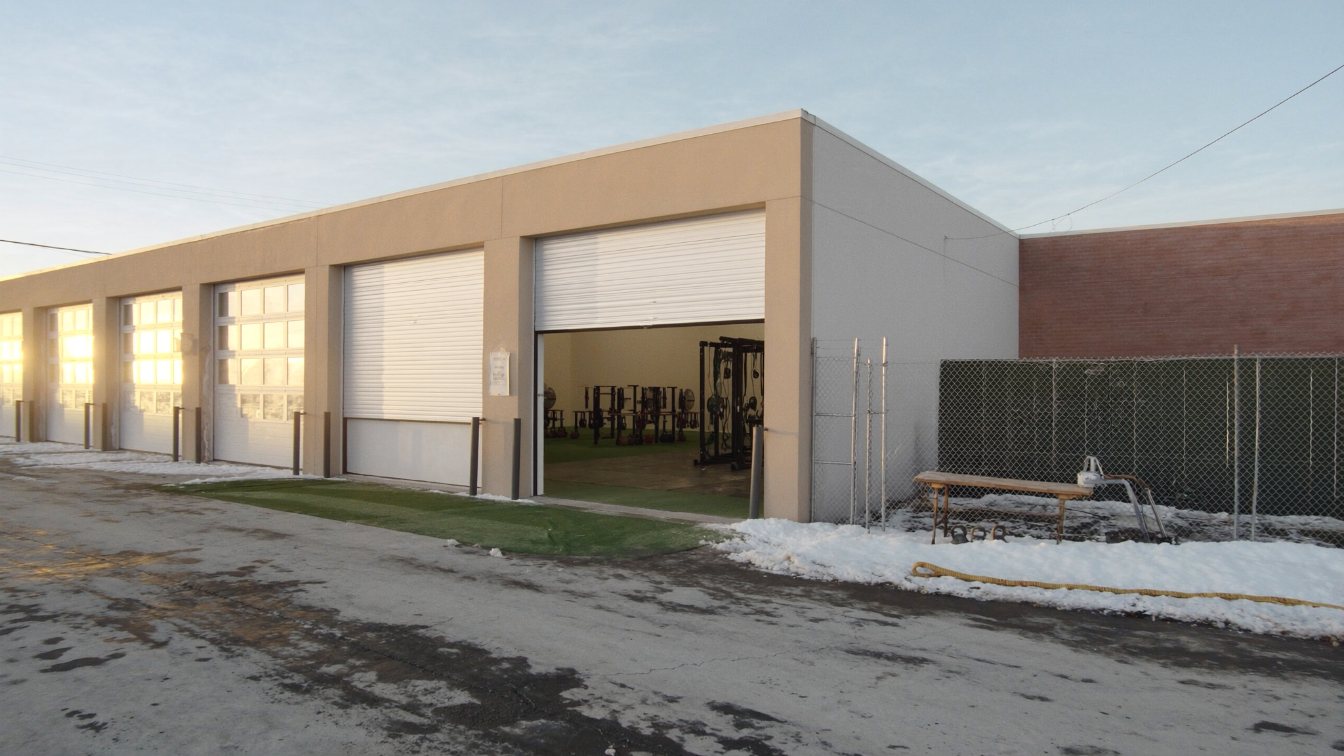
A gym is a zoning use, a Building Code occupancy and a Fire Code occupancy, and each must line up before you open. Toronto’s zoning by-law calls it a “recreation use”: premises for sports, physical play or exercise, such as a fitness club. In the city’s EL and E employment zones it is allowed only on a lot fronting a major street shown on the by-law’s policy areas map. Under the Building Code a gymnasium is an assembly occupancy, so moving into a retail, office or industrial unit is a change of use; in Toronto a change of use needs a building permit even if you build nothing. Assembly space brings Fire Code duties: a fire safety plan for the building and a posted occupant load once it is over 60 people. Check all three before you sign a lease or waive conditions.
Three tests every gym space has to pass
| Test | What it asks | Who answers it |
|---|---|---|
| Zoning | Is a fitness club a permitted use on this lot, and under what conditions? | The municipality’s zoning by-law and zoning examiners |
| Building Code occupancy | Was the unit designed for assembly use, or is this a change of use? | The chief building official, through a permit |
| Fire Code | How many people may be inside, and is there a fire safety plan? | The fire department |
| Lease | Does the landlord permit the use, the noise and the hours? | The landlord, in writing |
A gym that fails any one of these can be ordered to stop, or can find itself unable to get a clean permit for its fit-out. When I walk a unit for a fitness buyer I look for the zoning label, the last permitted use, and the exits before I look at the ceiling height.
Zoning: Toronto’s “recreation use”
Toronto’s city-wide Zoning By-law 569-2013 defines recreation use as premises used for sports, physical play or exercise, such as a fitness club, bowling alley, billiards or pool hall, swimming pool or skating rink. An amusement arcade and a sports place of assembly are not recreation uses.
- Commercial Residential (CR) zones, the main streets: recreation use is permitted with conditions. On some lots close to residential zones, one condition caps the combined floor area of recreation, place of assembly and eating uses at 400 m².
- Employment Light Industrial (EL) and Employment Industrial (E) zones: recreation use is permitted only on a lot that fronts a major street shown on the by-law’s Policy Areas Overlay Map. A unit deep inside an industrial park often fails that test, however well the space suits a strength gym.
Outside Toronto, Mississauga, Brampton, Vaughan and the rest of the GTA write their own by-laws with their own labels. The approach is the same: find the zone, find the definition that fits a gym, and read the conditions. Many older sites also carry site-specific exceptions, so a zoning review or written confirmation from the municipality beats a guess from the zone map.
Building Code: a gym is assembly space
The Building Code sorts buildings by occupancy. The Ontario Association of Architects’ guide, based on the Code’s definitions, lists gymnasia under assembly, alongside dance halls and restaurants. Retail stores are mercantile, offices are business and personal services, and warehouses are industrial. Assembly occupancies carry stricter requirements for exits, washrooms and fire separations because more people gather in them.
Section 10 of the Building Code Act, 1992 says you may not change the use of a building or part of one in a way that would increase the hazard, even with no construction, unless the chief building official issues a permit. Toronto’s permit guidance puts it plainly: even if no construction is proposed, a change of use needs a building permit. Moving a gym into a former clothing store or an industrial condo is exactly that kind of change.
Ontario’s Building Code is now O. Reg. 163/24, which adopts the National Building Code of Canada 2020 with Ontario amendments. Your architect or designer will work from the current version; your job as buyer or tenant is to make sure the permit, not a handshake, is part of the plan.
Fire Code: occupant load and fire safety plans
- Occupant load. In an assembly occupancy the number of people in a room may not exceed the occupant load, which is the lower of the figure calculated under the Fire Code and the number the exits were designed for under the Building Code (Article 2.7.1.4). Once the load is over 60 people it must be posted where people can see it (2.7.1.5). A group class room is where this bites.
- Fire safety plan. The Fire Code’s fire safety planning section applies to every building containing an assembly occupancy (2.8.1.1). In a plaza, that usually means coordinating with the landlord’s plan.
- Records. Test and inspection records must be kept at the building for at least two years (1.1.2.2). Ask the landlord for the sprinkler, alarm and emergency lighting records.
- Exits. Means of egress must be kept in good repair and free of obstructions (2.7.1.7). Equipment parked in a corridor is a common fire inspection finding.
Pools, showers and accessibility
A pool, hot tub or spa is a bigger project. Under Reg. 565, 14 days’ written notice to the medical officer of health is needed before a public pool or spa is used after construction or alteration, and before it reopens after a closure longer than four weeks. Showers and change rooms mean plumbing, drains and ventilation; check where the stacks are before you promise members a locker room.
On accessibility, the AODA’s design of public spaces standard applies to new construction and to public spaces you renovate, such as service counters, waiting areas and parking. A full gym fit-out is usually a renovation, so build it in. Every business with one or more Ontario employees also has customer service and training duties, and at 20 or more employees a compliance report every three years (next deadline 31 December 2026).
What to check in the lease
- Use clause. It should name a fitness studio or gym, including group classes, personal training and any retail or smoothie bar you plan.
- Noise and vibration. Dropped weights and bass travel through slabs and demising walls. Ask what the landlord will require, such as rubber flooring or platforms, and whether any neighbouring tenant has a quiet-enjoyment clause that could be used against you.
- Hours. Early-morning and 24-hour access needs to be in writing, along with HVAC and security after hours.
- Landlord’s work and permits. Who applies for the change-of-use permit, who pays for the extra washrooms or exits it may require, and what happens if the permit is refused.
- Exclusivity. Whether the landlord can lease the next unit to a competing studio.
- Assignment. If you ever sell, you want the landlord’s consent not to be unreasonably withheld.
If you are buying an existing gym, the same list applies to the lease you are taking over, and the business side is covered in buying a gym in Ontario.
Industrial units and large-format spaces
High ceilings and low rent make industrial units attractive for strength, functional-training and climbing gyms. Three cautions. First, the zoning: in Toronto’s EL and E zones the major-street condition applies. Second, the occupancy: going from industrial to assembly is a change of use, and exits, washrooms and fire separations often need work. Third, the neighbours: a unit next to a woodworking shop or a trucking yard has dust, fumes and forklifts to consider.
Planning policy is also moving the other way. The Planning Act now defines an “area of employment” around manufacturing, warehousing and related uses, and excludes commercial uses not tied to them. Ask the planning department how it treats a gym on employment land. I cover the definition in warehouse and light industrial space in Ontario.
Where I fit
I help buyers and tenants test gym spaces across Toronto and the GTA before they commit: the zoning label, the last permitted use and the lease terms. If the space is a large venue rather than a studio, compare it with banquet hall premises, which face the same assembly rules with a liquor licence on top. For a similar zoning-and-occupancy walk-through in another sector, see physiotherapy clinic space in Ontario. When you have an address, book a call or phone 833-330-1925.
Frequently asked questions
Is a gym allowed in an industrial zone in Toronto?
In Toronto’s EL and E employment zones, a recreation use such as a fitness club is permitted only on a lot that fronts a major street shown on the zoning by-law’s Policy Areas Overlay Map. Units deep inside an industrial park often do not qualify. Other GTA municipalities have their own rules, so check the local by-law.
Do I need a building permit to open a gym in an existing unit?
Usually yes. A gym is an assembly occupancy under the Building Code. Changing a retail, office or industrial unit to assembly use is a change of use, and in Toronto a change of use needs a building permit even if no construction is proposed.
What occupancy classification is a gym in Ontario?
Gymnasia are listed as assembly occupancies in the Ontario Association of Architects’ guide based on the Ontario Building Code. That brings stricter exit, washroom and fire separation requirements than retail or office space, and makes moving in a change of use.
Does a gym need to post its occupant load?
In an assembly occupancy the Fire Code requires the occupant load to be posted in a conspicuous location once it is more than 60 persons. The load is the lower of the Fire Code calculation and the number the exits were designed for.
Can a landlord stop a gym because of noise?
A landlord can only rely on what the lease says, but most commercial leases contain rules on nuisance and on neighbouring tenants’ quiet enjoyment. Negotiate the flooring, hours and noise rules before signing, not after the first complaint, and get them written into the lease.
Sources
- City of Toronto Zoning By-law 569-2013 — Chapter 800 definitions — recreation use, place of assembly, warehouse, self-storage warehouse, vehicle depot
- City of Toronto Zoning By-law 569-2013 — EL zone (60.10) — employment light industrial permitted uses
- City of Toronto Zoning By-law 569-2013 — E zone (60.20) — employment industrial permitted uses and conditions
- City of Toronto Zoning By-law 569-2013 — CR zone (40.10) — commercial residential permitted uses with conditions
- Ontario Association of Architects — Guide to occupancies — assembly and industrial examples based on the Building Code
- Building Code Act, 1992 — e-Laws — s. 10, change of use that increases hazard needs a permit
- City of Toronto — When do I need a building permit? — a change of use needs a permit even with no construction
- Ontario Regulation 163/24, Building Code — e-Laws — adopts the National Building Code 2020 with Ontario amendments
- Ontario Fire Code, O. Reg. 213/07 — e-Laws — occupant load 2.7.1.4, fire safety plans 2.8, records 1.1.2, tanks 4.3.16
- R.R.O. 1990, Reg. 565, Public Pools — e-Laws — notice before opening or reopening
- Government of Ontario — Accessibility rules for businesses and non-profits — compliance reports for 20+ employees; next deadline 31 December 2026
- Planning Act — e-Laws — s. 1(1) area of employment; s. 22(7.1)–(7.3) no appeal on removal
Related reading
- Buying a gym in Ontario
- Banquet hall premises in Ontario
- Warehouse and light industrial space in Ontario
- Physiotherapy clinic space in Ontario
- Cannabis retail store premises in Ontario
- Cap rate calculator
About the author — Jatin Dua, Toronto and GTA real estate broker
I am Jatin Dua, Broker of Record and co-founder of RE/MAX Quantum Realty Inc., Brokerage, Unit 101, 799 The Queensway, Toronto. I work with buyers and sellers across Toronto and the GTA and have helped more than 100 families sell. Four-plus years of active GTA transactions and over $100 million in sales volume. Every figure here comes from a published table, regulator or statute linked in the sources, so you can check all of it without asking me.
Reach me at connect@jatindua.com or 833-330-1925, or book a call.