
Published 2 September 2026 · Updated 29 September 2026 · By Jatin Dua, Broker of Record, RE/MAX Quantum Realty
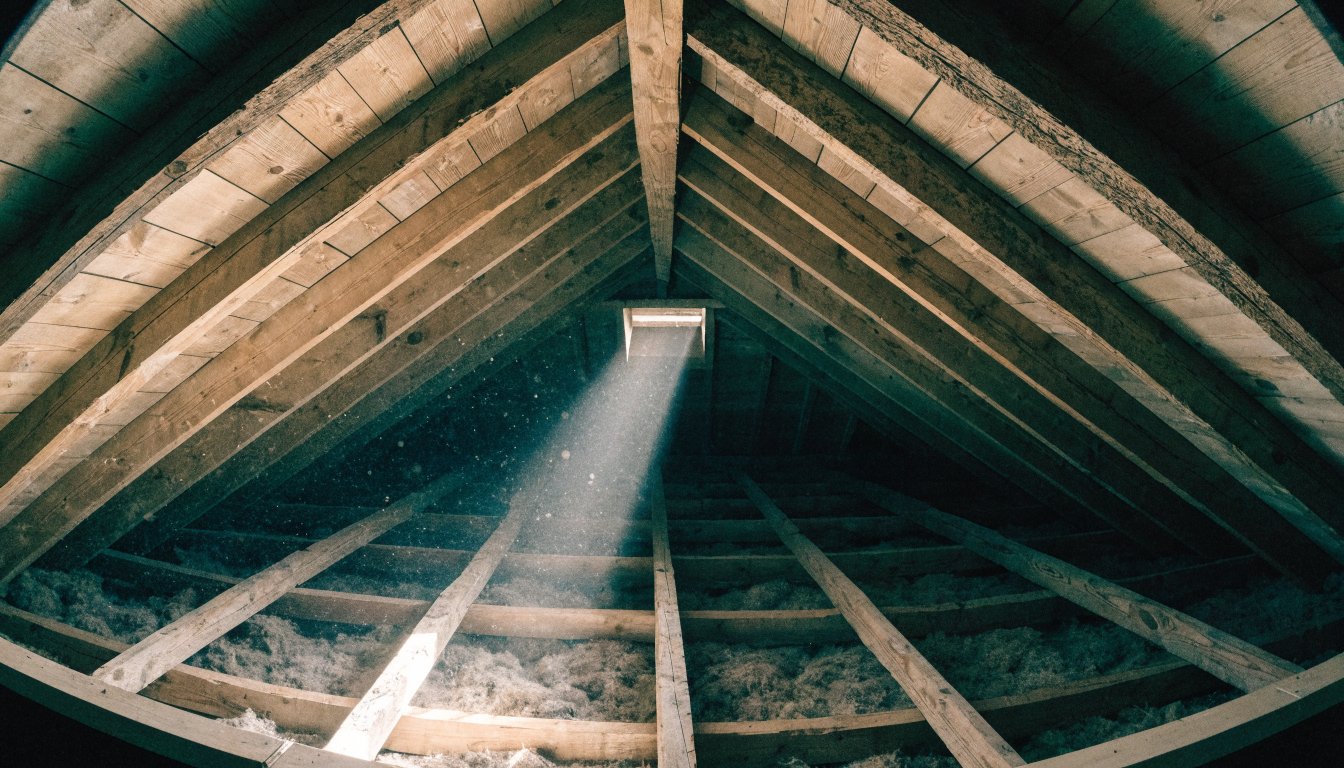
Nothing requires you to remove asbestos already in your home. SOR/2018-196 prohibits importing, selling and using asbestos, but expressly excludes asbestos integrated into a building before the regulations came into force — a market ban, not a demolition order. Health Canada says asbestos was mainly used before 1990. On vermiculite, ore from the Libby Mine in Montana between the 1920s and 1990, mostly sold as Zonolite, may contain asbestos — but where it is sealed behind wallboards or isolated in an attic the federal position is “no evidence of risk”, and the hazard comes from disturbing it. Ontario’s O. Reg. 278/05 defines asbestos-containing material at 0.5 per cent or more by dry weight and, by section 2(4), does not apply to an owner-occupied private residence — but it fully binds any contractor you hire.
Two things about asbestos in an Ontario house are almost universally misunderstood, and both cut in the same direction: you are usually not required to remove it, and the people you hire are far more regulated than you are.
Nothing requires you to remove asbestos already in your house
Canada banned asbestos in 2018 — the Prohibition of Asbestos and Products Containing Asbestos Regulations, SOR/2018-196, registered 1 October 2018. But read what it actually prohibits: importing, selling and using processed asbestos fibres and products containing them.
The regulations expressly exclude asbestos integrated into a building, structure or infrastructure before they came into force. It is a market ban going forward. It is not a demolition order, and nothing in the federal regulations requires a homeowner to remove asbestos already in place.
Other carve-outs in the same regulations: mining residues with provincial authorisation, disposal of asbestos-containing materials, road restoration and noise barriers, servicing of military and nuclear-facility equipment, and museum and laboratory use with a management plan.
Where it is, and from when
Health Canada, page modified 10 February 2023: “Before 1990, asbestos was mainly used for insulating buildings and homes against cold weather and noise.” Its infographic adds that “production and use of asbestos have declined since the 1970s”.
Locations Health Canada lists: house siding, cement and plaster, floor and ceiling tiles, building insulation, roofing products including tar paper, shingles and felt, furnaces and heating systems, and car and truck brake pads.
Vermiculite and Zonolite: the reframe
Health Canada’s 2004 advisory is specific: “Vermiculite ore produced from the Libby Mine in Montana, USA, from the 1920s to 1990, may contain asbestos. This mine supplied the majority of the world market in vermiculite insulation.” It was “mostly sold under the brand name Zonolite” and “was not widely used after the mid-1980’s”.
Now the part that changes how you should think about it. Both Health Canada and the federal Labour Programme say the same thing:
Where the insulation “remains sealed behind wallboards and floorboards, isolated in an attic, or otherwise kept from exposure to the interior environment”, there is “no evidence of risk to your health”. But “the insulation must not be disturbed. Activities which could produce airborne fibres include renovation, demolition and maintenance.”
That reframes vermiculite from a deal-breaker into a renovation-planning problem. Undisturbed and sealed off, the federal position is that there is no evidence of risk. The hazard is created by the work you do to it. Which means the question on a purchase is not “is there vermiculite?” but “what do I intend to do to that attic, and what will it cost to do it properly?”
The Ontario regulation binds your contractor, not you
O. Reg. 278/05 is the asbestos regulation people cite. It is occupational health and safety law, made under the Occupational Health and Safety Act, and it defines asbestos-containing material as material containing 0.5 per cent or more asbestos by dry weight.
Section 2(4), quoted in full because the wording matters:
“This Regulation does not apply to an owner of a private residence occupied by the owner or the owner’s family or to an owner of a residential building that contains not more than four dwelling units, one of which is occupied by the registered owner or family of the registered owner.”
And the parent Act, section 3(1): the Occupational Health and Safety Act “does not apply to work performed by the owner or occupant or a servant of the owner or occupant to, in or about a private residence”.
Here is the sentence most articles get wrong. Your exemption is yours alone. The moment you hire someone, the contractor and its workers are squarely inside O. Reg. 278/05 — it applies to every project and its owner, and to the repair, alteration or maintenance of a building and the owner of that building. A contractor who tells you the rules do not apply because it is a house is wrong.
The regulation sorts work into Type 1, Type 2 and Type 3 operations under section 12, with escalating containment, respirator and air-sampling requirements. It adopts US EPA Test Method EPA/600/R-93/116 for bulk sampling and sets minimum sample counts. Note it was amended in 2026 by O. Reg. 115/26, which changed the definitions, the Type 1 and Type 2/3 measures and the respirator table — a live change, and a reason to check the current consolidation rather than an old summary.
What to do
- Do not disturb it, and do not test it yourself. Health Canada advises hiring a professional to test before renovating and a qualified specialist to remove.
- Assume pre-1990 construction may contain it in the materials listed above.
- Treat attic vermiculite as present until sampled, and price the attic work accordingly rather than the house.
- Ask your contractor which type of operation the work is under O. Reg. 278/05. If they cannot answer, that is your answer.
- Do not accept “it is only a house so the rules do not apply”. Section 2(4) exempts you, not them.
Found vermiculite in the attic, or buying a pre-1990 house?
Vermiculite in an attic is one of the most common reasons a buyer walks away from a house they otherwise wanted, and quite often it should not be. The right question is what you intend to do to that space and what doing it properly costs, not whether the material exists. Tell me the property and what you were planning, and I will help you think about it sensibly. I am not an abatement professional and for sampling or removal you want a qualified one.
[email protected] · 833-330-1925 · Book a free consultation
Confidential. Read personally and answered within 24 hours. I never share, sell or distribute your information.
Free tool — AI home value estimator
Instant Home Valuation
What’s your home
worth today?
Answer six quick questions and get an instant value range built from current Toronto & GTA sale data — property type, size, condition, lot and location all weighted the way a real pricing conversation weighs them. Takes about ninety seconds.
Reading recent GTA sale data…
Building your estimate
Estimated market value
—
$0–$0
Most likely value $0 · roughly $0 per square foot
What moved the number
Starting from the area baseline for your property type, here’s what each answer added or subtracted.
Market context
Recent local averages for comparison.
—
A range is a starting point.
A strategy is what sells.
This model doesn’t know that your neighbour’s identical semi went $80,000 over asking last month, or which two upgrades actually pay back in your area. That conversation is free and takes twenty minutes.
Frequently asked questions
Do I have to remove asbestos from my house in Ontario?
No federal or provincial rule located requires a homeowner to remove asbestos already in place. The Prohibition of Asbestos and Products Containing Asbestos Regulations, SOR/2018-196, prohibit importing, selling and using processed asbestos fibres and products containing them, but expressly exclude asbestos integrated into a building, structure or infrastructure before the regulations came into force. It is a market prohibition going forward, not a removal order.
Is vermiculite insulation dangerous?
It depends entirely on whether it is disturbed. Health Canada advised in 2004 that vermiculite ore from the Libby Mine in Montana, produced from the 1920s to 1990 and mostly sold under the brand name Zonolite, may contain asbestos. Both Health Canada and the federal Labour Programme state that where the insulation remains sealed behind wallboards and floorboards, isolated in an attic, or otherwise kept from exposure to the interior environment, there is no evidence of risk to health. The same sources state that the insulation must not be disturbed, and that renovation, demolition and maintenance can produce airborne fibres.
When was asbestos used in Canadian homes?
Health Canada states that before 1990, asbestos was mainly used for insulating buildings and homes against cold weather and noise, and that production and use have declined since the 1970s. It lists house siding, cement and plaster, floor and ceiling tiles, building insulation, roofing products such as tar paper, shingles and felt, furnaces and heating systems, and vehicle brake pads among its uses.
Does Ontario’s asbestos regulation apply to my house?
Not to you as an owner-occupier. Section 2(4) of O. Reg. 278/05 states that the regulation does not apply to an owner of a private residence occupied by the owner or the owner’s family, or to an owner of a residential building of not more than four dwelling units one of which is occupied by the registered owner or their family. Section 3(1) of the Occupational Health and Safety Act separately provides that the Act does not apply to work performed by the owner or occupant in or about a private residence. But the exemption is personal to you: any contractor and their workers you hire are inside the regulation, which applies to every project and its owner and to the repair, alteration or maintenance of a building.
What counts as asbestos-containing material?
Section 1 of O. Reg. 278/05 defines asbestos-containing material as material that contains 0.5 per cent or more asbestos by dry weight. The regulated fibrous silicates listed include amosite, anthophyllite, chrysotile, crocidolite and tremolite. The regulation adopts United States Environmental Protection Agency Test Method EPA/600/R-93/116 for the determination of asbestos in bulk building materials and sets minimum sample counts.
How do I know if my contractor is following the asbestos rules?
Ask which type of operation the work is. Section 12 of O. Reg. 278/05 classifies asbestos work into Type 1, Type 2 and Type 3 operations, with escalating requirements for containment, protective clothing, respirators and air sampling. A contractor working on asbestos-containing material in a building should be able to say which type applies and what measures go with it. Note that the regulation was amended by O. Reg. 115/26, with a consolidation date of 1 July 2026, changing the definitions, some Type 1 and Type 2 and 3 measures and the respirator table, so check the current consolidation rather than an older summary.
Related reading
- Home inspection in Ontario: still not a licensed profession
- Radon in Ontario homes: the 91-day rule most tests fail
- Knob-and-tube and aluminum wiring: neither is illegal
- Kitec plumbing: the claims deadline closed in 2020
Sources
Every figure on this page traces to one of these, and each was read on 1 September 2026. Primary sources only — statute, regulation, and the government or agency that administers the rule. Where I could not verify something from a primary source, the page says so instead of guessing.
- Asbestos and your health — Health Canada. Health Canada, date modified 10 February 2023. States that before 1990 asbestos was mainly used for insulating buildings and homes against cold weather and noise, lists house siding, cement and plaster, floor and ceiling tiles and roofing products among its uses, and notes that vermiculite-based insulation may contain asbestos. Accessed 1 September 2026.
- Health Canada advisory on vermiculite insulation that may contain asbestos. Health Canada news release, 3 April 2004. States that vermiculite ore produced from the Libby Mine in Montana from the 1920s to 1990 may contain asbestos, that the mine supplied the majority of the world market, that the insulation was mostly sold under the brand name Zonolite, and that where the insulation remains sealed behind wallboards and floorboards or isolated in an attic there is currently no evidence of health risk. Accessed 1 September 2026.
- Vermiculite insulation containing tremolite asbestos — Government of Canada. Employment and Social Development Canada, Labour Program, date modified 9 September 2022. States that some brands of vermiculite insulation may contain tremolite asbestos, that there is no evidence of risk where the insulation is sealed off, and that the insulation must not be disturbed because renovation, demolition and maintenance can produce airborne fibres. Accessed 1 September 2026.
- Prohibition of Asbestos and Products Containing Asbestos Regulations, SOR/2018-196. Justice Laws Website, registered 1 October 2018, last amended 30 December 2018, made under the Canadian Environmental Protection Act, 1999. Prohibits importing, selling and using processed asbestos fibres and products containing them, but expressly excludes asbestos integrated into a building, structure or infrastructure before the regulations came into force. It is a market prohibition, not a requirement to remove asbestos already in place. Accessed 1 September 2026.
- O. Reg. 278/05, Designated Substance — Asbestos on Construction Projects and in Buildings and Repair Operations. Government of Ontario e-Laws, consolidation period 1 July 2026, last amended by O. Reg. 115/26. Defines asbestos-containing material as material containing 0.5 per cent or more asbestos by dry weight. Section 2(4) states that the regulation does not apply to an owner of a private residence occupied by the owner or the owner’s family, or to an owner of a residential building of not more than four dwelling units one of which is occupied by the registered owner or their family. Accessed 1 September 2026.
- Occupational Health and Safety Act, R.S.O. 1990, c. O.1. Government of Ontario e-Laws, consolidation period from 27 November 2025. Section 3(1) provides that except as prescribed, the Act does not apply to work performed by the owner or occupant or a servant of the owner or occupant to, in or about a private residence. Section 3(1.1), in force 28 October 2024, extends the Act to telework performed in a private residence. Accessed 1 September 2026.
About the author — Jatin Dua, Broker of Record
I’m the Broker of Record at RE/MAX Quantum Realty, 799 The Queensway in Etobicoke, and I work with buyers and sellers across the west GTA. I am not an inspector, an engineer, an electrician or a remediation contractor, and nothing on this page is a substitute for one.
What I can do is read the primary source and quote it accurately. Everything below comes from Health Canada, the Government of Ontario, a regulator or a municipality, with the date the source itself carries, so you can check it rather than take my word for it. Where a widely repeated claim turns out not to be in any official document, the page says so. [email protected] or 833-330-1925.