

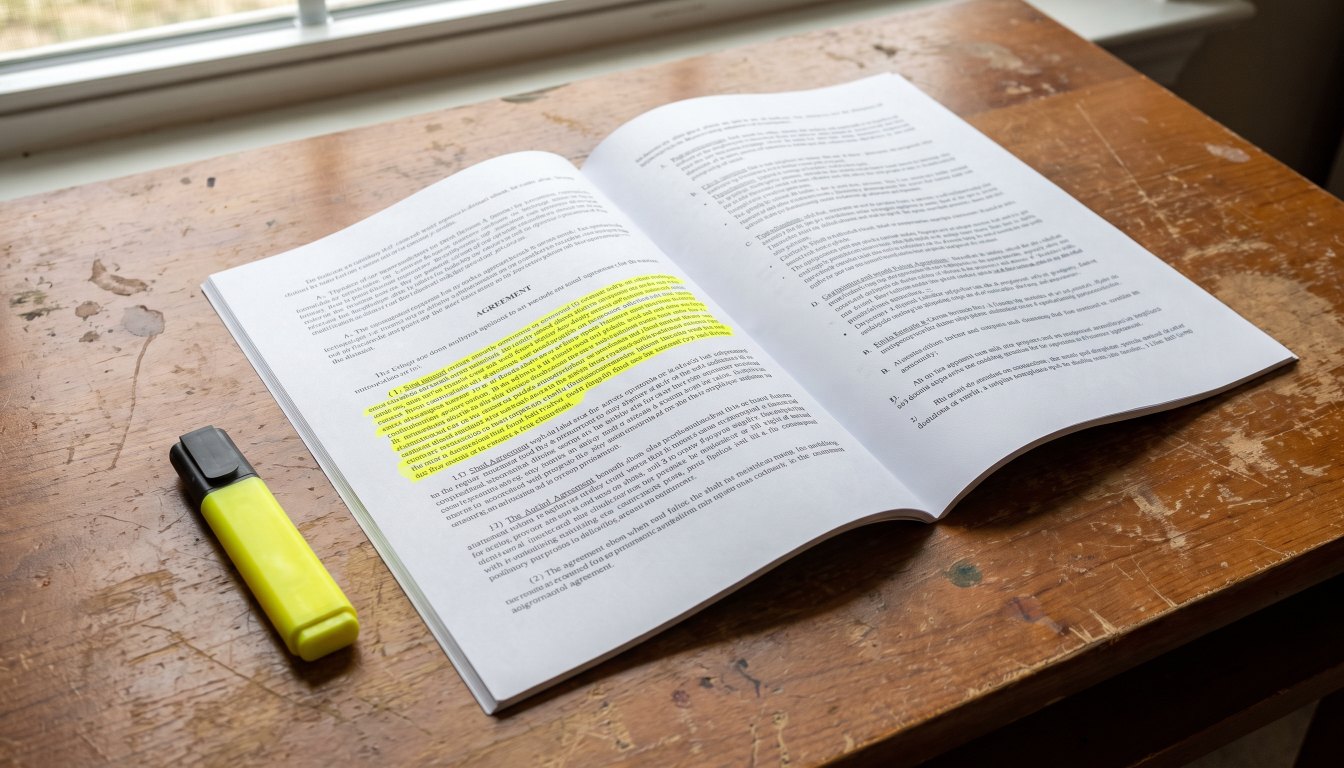
The Holdover Clause: The Line in Your Listing Agreement That Follows You
A holdover clause can make you liable for commission months after your listing expires. It is negotiable, it has no statutory limit, and almost nobody reads it before signing.

A holdover clause can make you liable for commission months after your listing expires. It is negotiable, it has no statutory limit, and almost nobody reads it before signing.

There is no statutory deposit amount in Ontario. Here is what is normal at the top end, where the money actually sits, and what the courts do with it if a deal fails.

One of the most misunderstood facts in Ontario real estate: there is no cooling-off period on a resale purchase. Here is where rescission rights do exist, and what to do instead.

When one brokerage represents both buyer and seller, neither side gets advocacy. Here is exactly what is permitted, what consent requires, and the alternative TRESA created.

Ontario sellers can now direct disclosure of the substance of competing offers. What that actually covers is narrower than most people assume — and it is entirely the seller’s choice.

TRESA Phase 2 came into force on 1 December 2023 and changed how representation works in Ontario. Here is what it actually means for you at the negotiating table.

Choosing an agent for a top-end sale is a decision about competence and contract terms, not about presentation. Here is what TRESA entitles you to and the questions that actually reveal the difference.
In a deep market an overpriced house eventually finds a buyer. Above $3 million in Toronto it does not, because the buyer pool does not replenish. Here is what actually happens, in order.

Buying a Toronto home from outside Canada is possible in specific circumstances and expensive in others. Here is the process in order, starting with the question that decides everything.
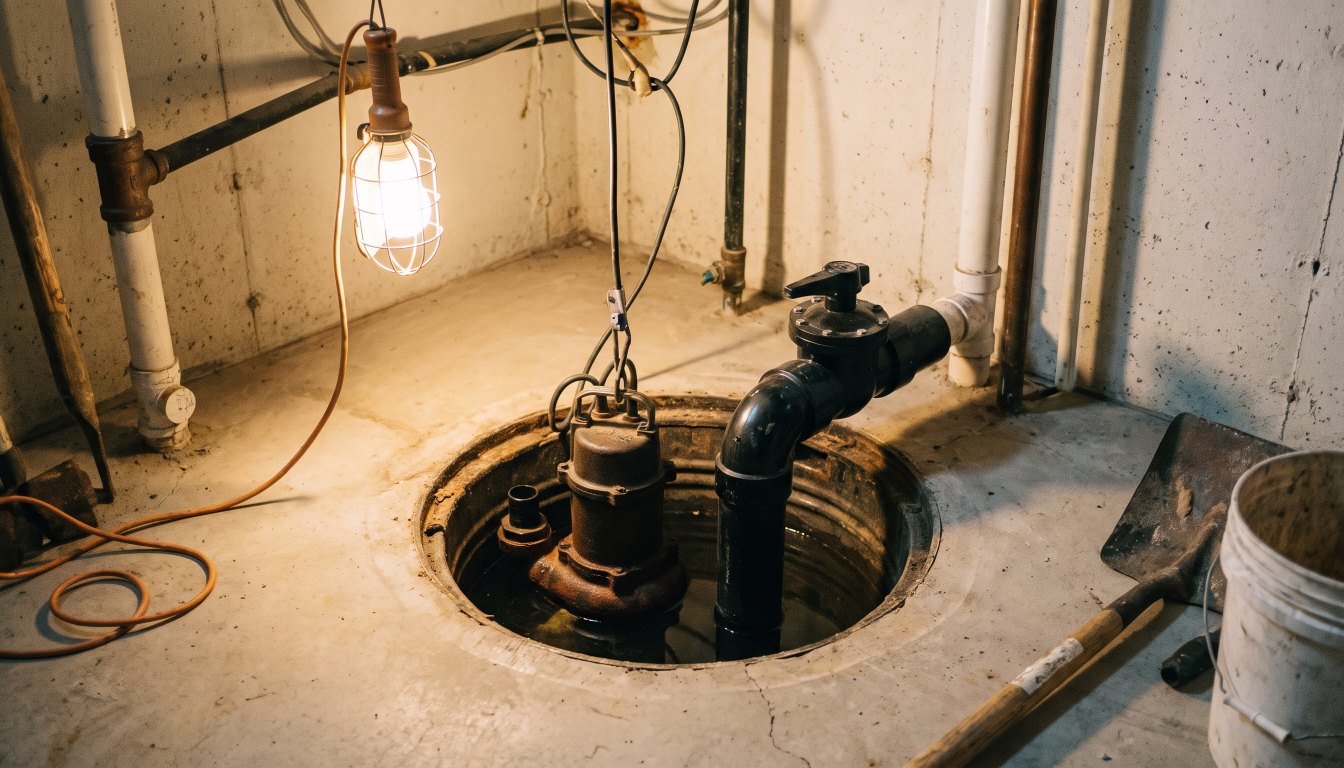
Fire is what people insure against. Water is what actually happens. On a large Toronto house with a finished lower level, it is the single most expensive category of problem.