
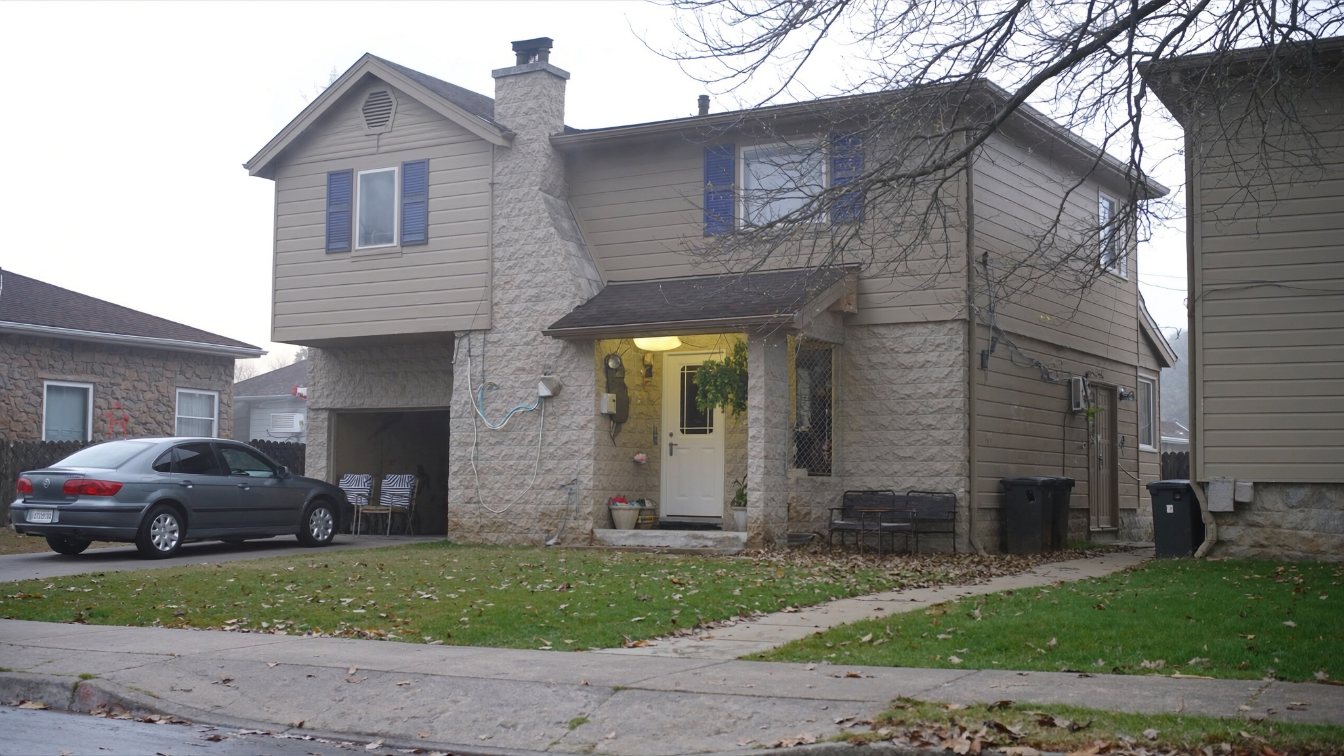
Parent Moving to Long-Term Care: What Happens to the House?
When a parent moves into long-term care in Ontario, what happens to the house? 2026 co-pay rates, the rate reduction, and the sell, rent or keep choices.
How Ontario real estate is actually regulated: the Trust in Real Estate Services Act, 2002, its regulations and the Code of Ethics, quoted with section numbers. Written by a broker of record.
When a parent moves into long-term care in Ontario, what happens to the house? 2026 co-pay rates, the rate reduction, and the sell, rent or keep choices.

Moving a parent in, Ontario rules: the three-unit rule, Toronto garden and laneway suites, the Multigenerational credit, and title, will and POA questions.
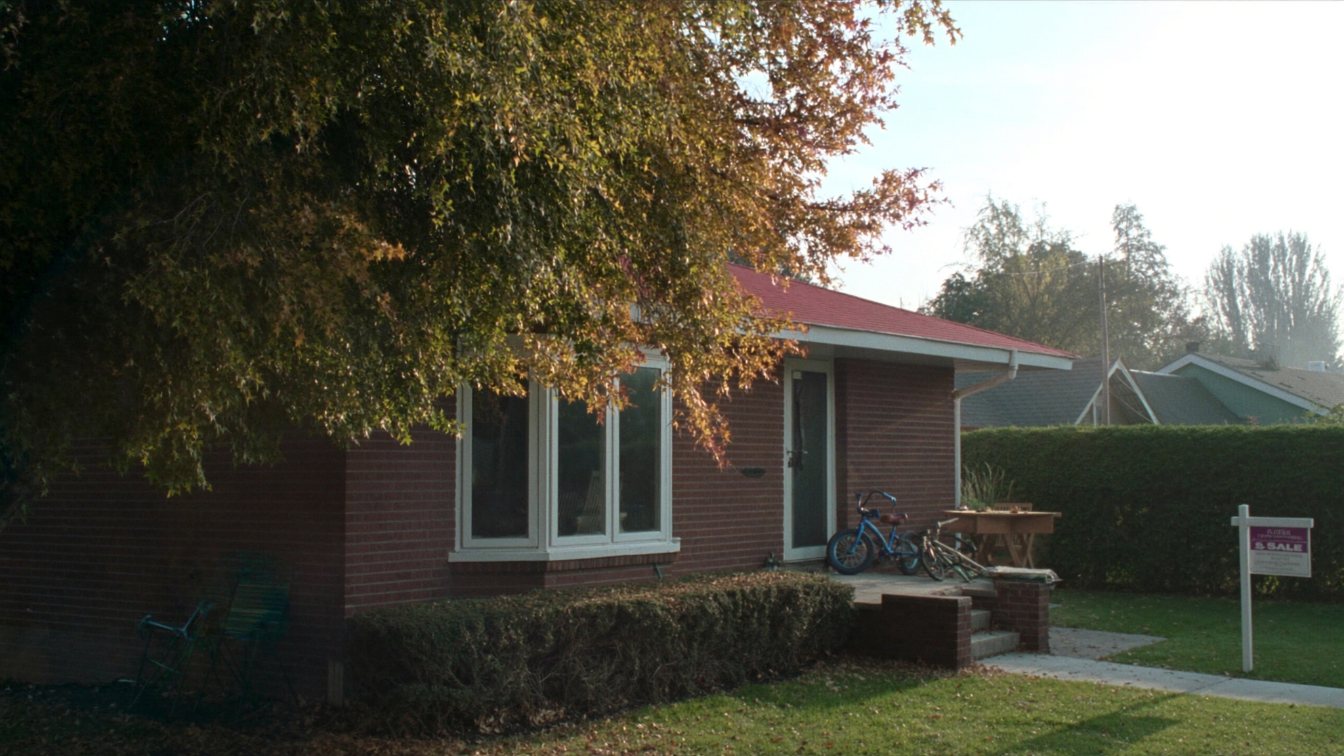
Selling a house to pay for a retirement home in Ontario: who can sign, principal residence reporting, timing the move and the sale, and your real net proceeds.
A checklist for choosing a retirement home in Ontario: check the RHRA register, then what to ask about care, costs, the contract, safety and daily life.

Retirement home vs long-term care in Ontario: who each suits, 2026 LTC co-payments, what retirement homes charge, how to apply and the wait, side by side.
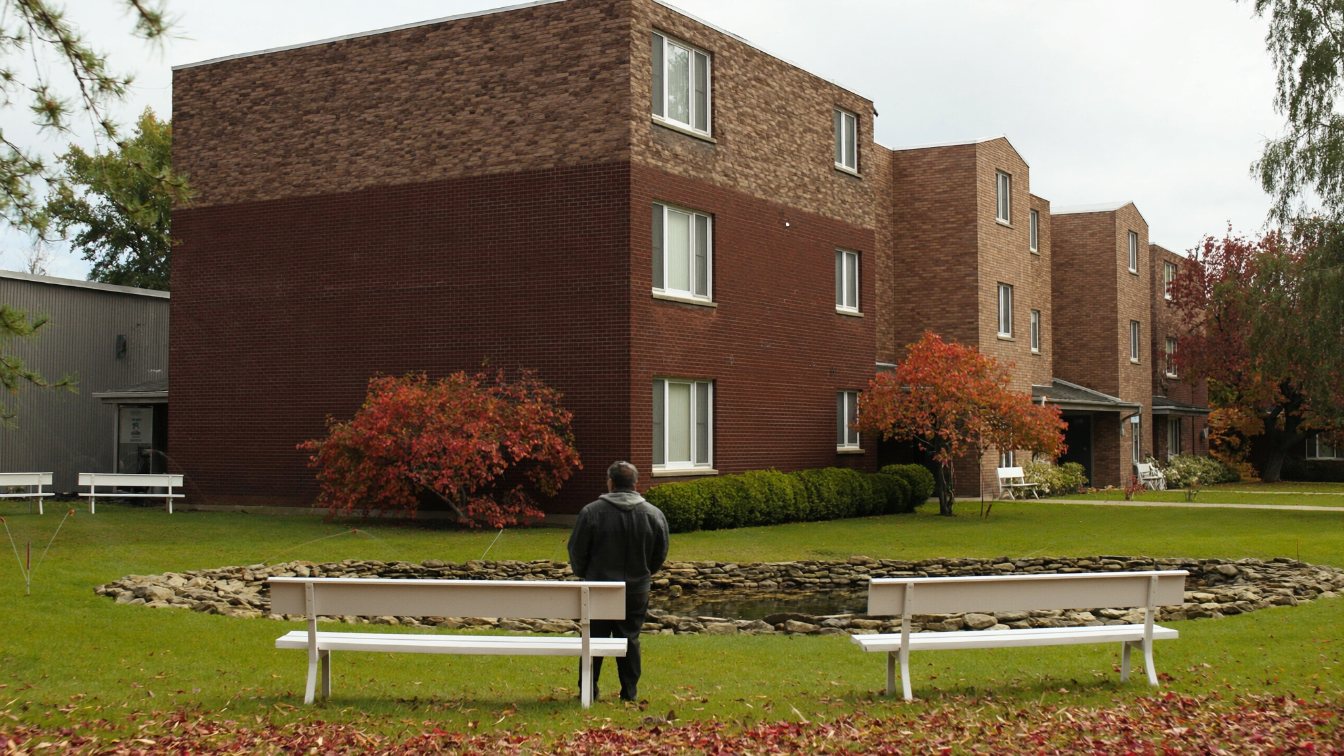
How life lease housing works in Ontario: the five resale models, why no law caps monthly fees, what to ask the sponsor, and how it compares with a condo.
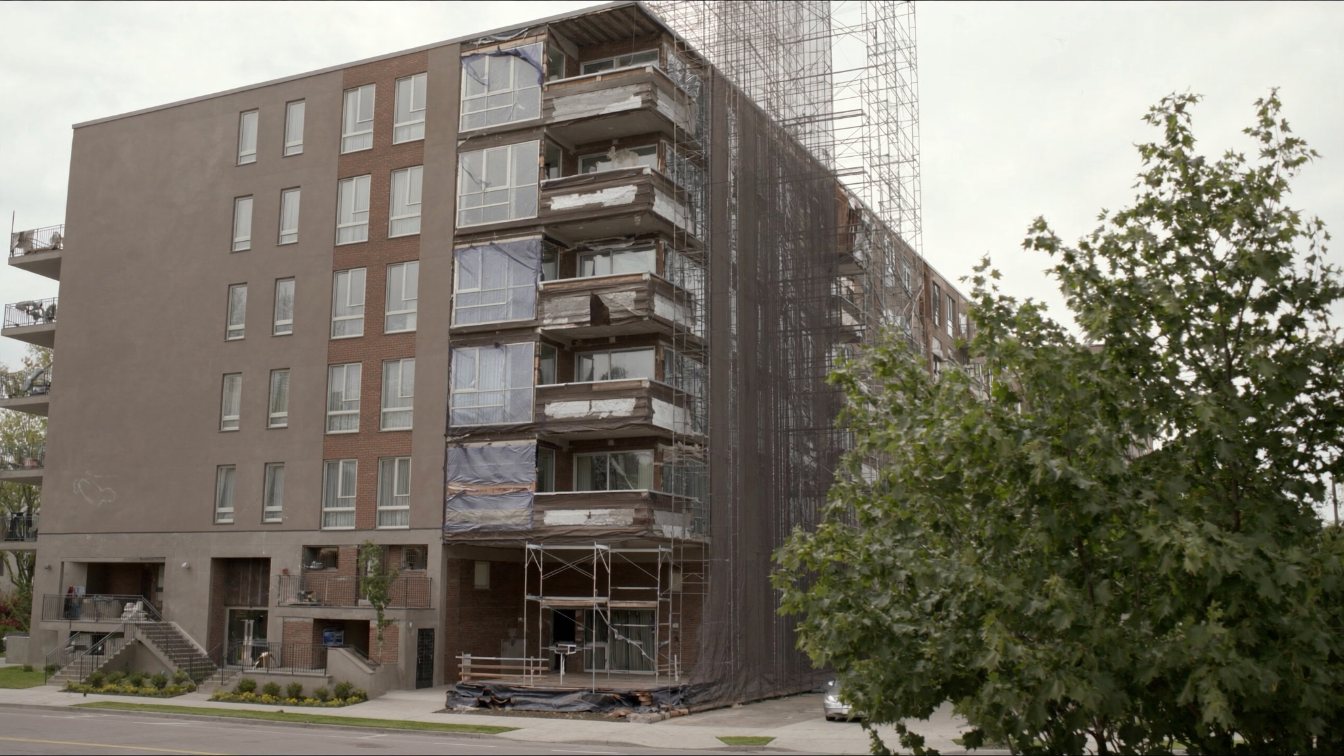
How a special assessment affects your condo’s sale price in Ontario, what the status certificate discloses, who pays it, and how to keep the deal.

Why a tenanted Toronto condo can sell for less, how investors price the rent, when a buyer can end the tenancy under section 49, and how to limit the discount.
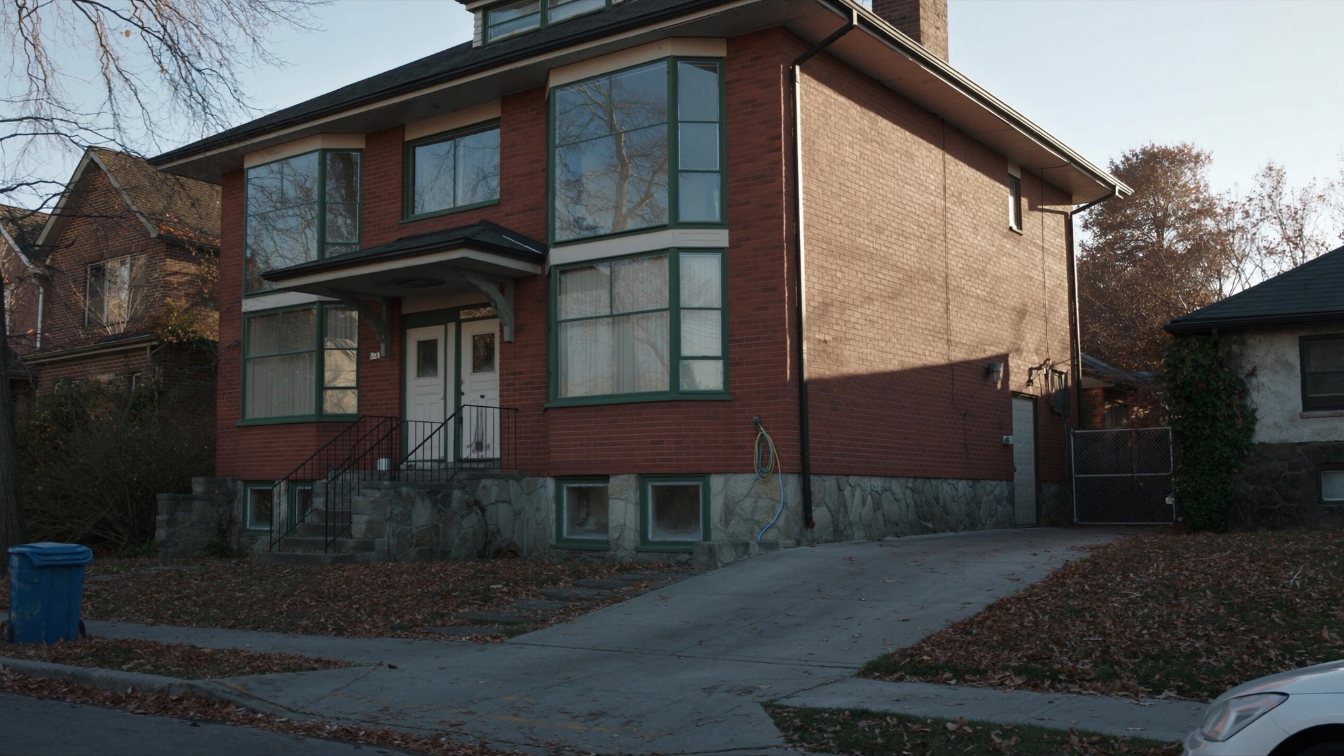
A rental suite can help you qualify and pay the mortgage. How to check whether it’s legal, what lenders count, what tenants’ rights you inherit, and the fire code basics.

Relocating, working abroad or just busy? How to buy a Toronto home without being here: video showings, inspections, ID verification, signing and closing remotely.