

Published 29 September 2026 · By Jatin Dua, Broker of Record, RE/MAX Quantum Realty
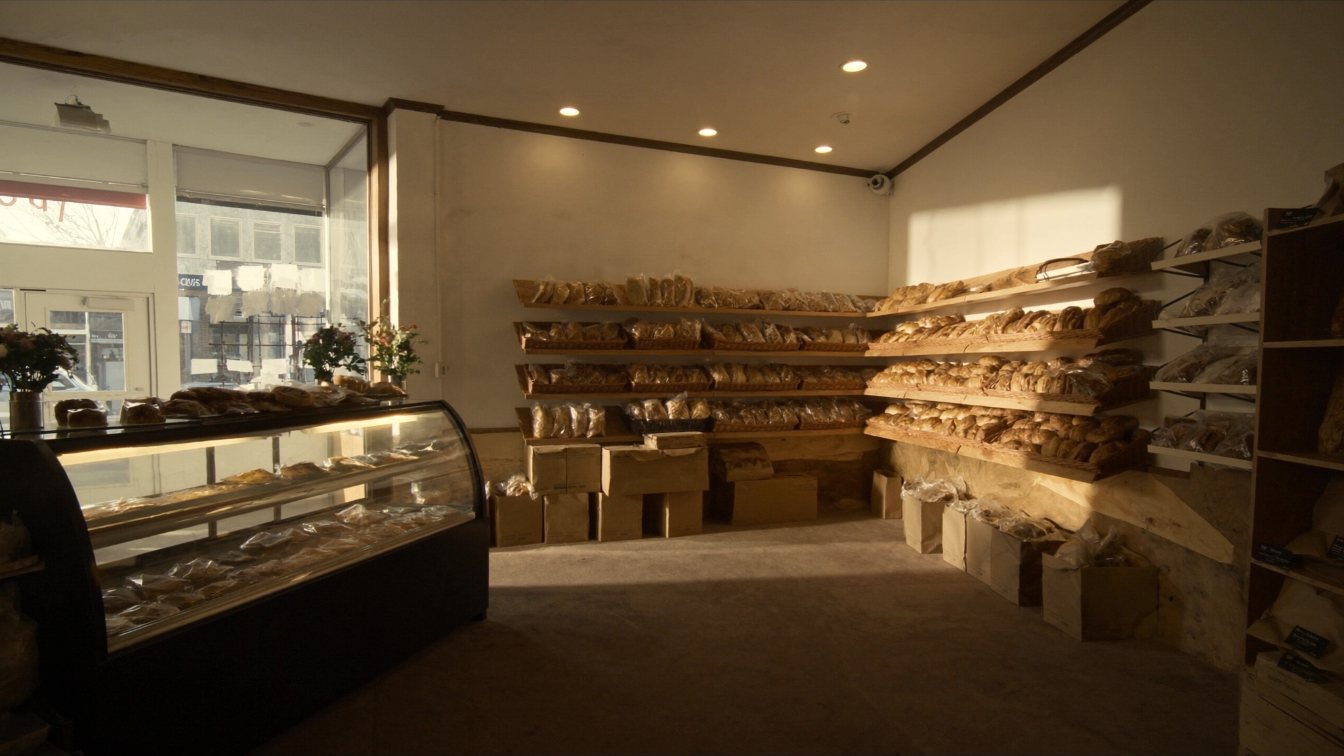
A bakery in Ontario is a food premise under the Health Protection and Promotion Act, so anyone who intends to start operating one must notify the local medical officer of health, and the premises must meet O. Reg. 493/17 on sinks, handwashing, pest control and food handling. A bakery that sells food ready to eat is a food service premise, which must have at least one person trained in food handling on site every hour it operates. In Toronto, business licences do not transfer: a take-out bakery needs a Take-out or Retail Food Establishment licence ($395.20 new, $261.04 renewal), and one with seating falls under the eating or drinking establishment category. Toronto also requires grease interceptors for bakeries. No primary source publishes bakery sale prices or multiples.
Which kind of bakery are you buying?
“Bakery” covers three quite different businesses, and the rules and risks follow the model:
| Model | How it sells | Toronto licence category | What to watch |
|---|---|---|---|
| Retail take-out | Bread and pastry to take away | Take-out or Retail Food Establishment | Location, foot traffic, lease |
| Bakery-café | Seating, coffee, eat-in | Eating or drinking establishment | Seating counts, washrooms, zoning |
| Wholesale | To cafés, grocers, restaurants | Depends on premises; ask the City | Customer contracts, zoning for production |
Toronto’s licensing chapter defines a take-out or retail food establishment as one where food is prepared and offered exclusively for off-site consumption, and an eating or drinking establishment as one where food is prepared or served for consumption on site, with incidental take-out allowed. A bakery that has quietly added six stools may be in the wrong category. Ask which licence the seller actually holds.
The provincial food premises rules
Two pieces of provincial law apply to every bakery:
- Notice before operating. Section 16(2) of the Health Protection and Promotion Act requires every person who intends to start operating a food premise to notify the medical officer of health for the area. As a new operator, confirm with the local public health unit how they want notice handled on a takeover.
- O. Reg. 493/17, Food Premises. Handwashing stations kept supplied and conveniently located; a three-compartment sink for utensils (two-compartment in specified cases); pest control measures recorded and the records kept at least one year; and rules for food handlers’ hygiene.
The regulation defines a food service premise as one where food is prepared for immediate consumption or sold in a form that permits immediate consumption, on the premises or elsewhere. A croissant sold over the counter fits that description, so most retail bakeries are food service premises, and section 32 then requires at least one food handler or supervisor with food handler training on the premises during every hour it operates. Check the training certificates of the staff who will stay, and plan shifts around them.
Inspection history: DineSafe and beyond
In Toronto, Toronto Public Health’s DineSafe program inspects food premises and publishes the results, classifying infractions as crucial, significant or minor. Before you make an offer, look up the bakery’s inspection history on DineSafe. A pattern of infractions about pests, temperatures or handwashing tells you what the kitchen is really like and what it will cost to fix. Outside Toronto, ask the regional public health unit what it publishes and ask the seller for copies of recent inspection reports.
Also ask for the pest control contract and a year of pest control records, which the regulation requires the operator to keep. A bakery with flour, sugar and warm ovens is an easy target; a missing record is a warning sign.
Municipal licences do not transfer
Toronto’s licensing chapter says no one has a right to the continuance of a licence and that its value belongs to the City; licences are not transferred except as the chapter allows. The buyer applies in their own name. For a take-out bakery that means the Take-out or Retail Food Establishment licence: $197.60 to apply plus $197.60 for the licence, $395.20 in total, with a $261.04 annual renewal and a criminal record and judicial matters check.
Toronto does not require new zoning approval if you take over an existing business with a valid licence, or one that expired less than three years before, in the same category. If the bakery has been closed longer, or you want to add seating, zoning is back on the table. The physical side is in bakery premises requirements in Ontario.
Equipment, grease and the building systems
Ovens, mixers, proofers, sheeters and walk-in coolers are expensive and often old. Get the make, age and service history of each, and have a technician look at the main ovens before you firm up.
Toronto requires food service establishments, and names bakeries among them, to install, operate and maintain a grease interceptor on any pipe connecting to the sanitary sewer, with fines up to $100,000 if one is missing or not working. Ask whether there is one, where it is, and for the maintenance records. When I walk a bakery with a buyer, I also look at the electrical and gas capacity, the exhaust and make-up air, and whether the floor drains and walls are in a state a health inspector will accept.
Recipes, brand, staff and HST
What goodwill really is. A bakery’s goodwill is its recipes, its name and its regulars. Put recipes, the business name, social media accounts and any wholesale customer contracts expressly in the purchase agreement, and ask for a transition period in which the seller works alongside you. If a head baker holds the recipes in their head, you are buying that person as much as the business.
Staff. Under section 9 of the Employment Standards Act, 2000, employees you keep bring their service with them for notice, severance and vacation, unless you hire them more than 13 weeks after the earlier of their last day and the sale date. Get the employee list with start dates.
HST. Section 167 of the Excise Tax Act allows a joint election so that no GST/HST is charged on the business sale, if you acquire all or substantially all of the property needed to run it; it is not available where the seller is registered and you are not, and it does not cover property supplied by lease. It is filed on CRA Form GST44. How the bakery’s own products are taxed is a separate question for your accountant.
Documents to demand before you sign
No Canadian regulator, statistics agency or industry body publishes sale prices or price multiples for these businesses, so I will not quote one, and you should be wary of anyone who does. What you can do is test the asking price against documents.
- Which Toronto (or other municipal) licence the bakery holds, and its expiry.
- DineSafe or public health inspection reports for the last three years.
- Pest control contract and records.
- Food handler training certificates for staff who will stay.
- Equipment list with ages and service records, and grease interceptor maintenance records.
- Three years of sales split between retail, café and wholesale, reconciled to HST returns and bank deposits.
- Wholesale customer contracts or purchase histories, and supplier terms for flour, butter and packaging.
- The lease, its use clause, remaining term and assignment terms.
- Employee list with start dates and pay.
Many of the same checks apply to restaurants; see restaurant sale mistakes. And if you are comparing small retail purchases, see buying a convenience store or, for a far more tightly licensed storefront, buying a cannabis store.
Where I fit
I help buyers and sellers of GTA food businesses with the real estate side: the lease, the site and the building. The AI retail store value estimator below gives a range for a storefront in about a minute; for a bakery-café with significant seating, the AI restaurant valuation tool may fit better. Then book a call or phone 833-330-1925.
Free tool — AI retail store value estimator
Frequently asked questions
Do I need a licence to run a bakery in Ontario?
There is no provincial bakery licence, but the Health Protection and Promotion Act requires notice to the medical officer of health before operating a food premise, and O. Reg. 493/17 sets the standards. Municipalities license food businesses; in Toronto a take-out bakery needs a Take-out or Retail Food Establishment licence.
Does a bakery licence transfer when I buy the business in Toronto?
No. Toronto’s licensing chapter says licences are not transferable and their value belongs to the City. You apply in your own name, $395.20 for a new take-out licence. Zoning approval is not needed if the previous licence is valid or expired less than three years ago.
Does a bakery need a food handler certificate in Ontario?
A food service premise, which includes one selling food in a form ready to eat, must have at least one food handler or supervisor with food handler training on the premises every hour it operates, under section 32 of O. Reg. 493/17.
How do I check a bakery’s health inspection history in Toronto?
Look it up on Toronto Public Health’s DineSafe, which publishes food premises inspection results and classifies infractions as crucial, significant or minor. Also ask the seller for recent inspection reports and pest control records, which the Food Premises regulation requires to be kept for at least a year.
Does a bakery need a grease trap in Toronto?
Yes. Toronto requires food service establishments, and lists bakeries among them, to install, operate and maintain a grease interceptor on any pipe connected to the sanitary sewer. Fines for not having one working can reach $100,000. Ask the seller where it is and for maintenance records.
How much is a bakery worth in Ontario?
No Canadian primary source publishes bakery sale prices or multiples. Value depends on verified sales, the mix of retail and wholesale, whether recipes and staff stay, equipment condition, inspection history and the lease. Ask for three years of sales reconciled to HST returns.
Sources
- Health Protection and Promotion Act — e-Laws — s. 16 notice before operating a food premise
- O. Reg. 493/17, Food Premises — e-Laws — sinks, pest records, food handler training
- City of Toronto — DineSafe — inspection and disclosure program
- City of Toronto — Municipal Code Chapter 545, Licensing — licences are not transferable; licence categories
- City of Toronto — Take-out or Retail Food Establishment licence — fees; zoning approval on a takeover
- City of Toronto — Mandatory grease traps for food service establishments — bakeries included; fines up to $100,000
- Employment Standards Act, 2000 — e-Laws — s. 9 sale of a business, 13-week rule
- Excise Tax Act, section 167 — Justice Laws Website — joint GST/HST election on the sale of a business
- Canada Revenue Agency — Form GST44 — election concerning the acquisition of a business
Related reading
- Bakery premises requirements in Ontario
- Buying a convenience store in Ontario
- Restaurant sale mistakes
- Selling a business with employees
- HST when selling a food business
- AI retail store value estimator
- AI restaurant valuation
About the author — Jatin Dua, Toronto and GTA real estate broker
I am Jatin Dua, Broker of Record and co-founder of RE/MAX Quantum Realty Inc., Brokerage, Unit 101, 799 The Queensway, Toronto. I work with buyers and sellers across Toronto and the GTA and have helped more than 100 families sell. Four-plus years of active GTA transactions and over $100 million in sales volume. Every figure here comes from a published table, regulator or statute linked in the sources, so you can check all of it without asking me.
Reach me at connect@jatindua.com or 833-330-1925, or book a call.